
The Party organisation, local authorities and people of Hue are committed to shaping the city into a flagship heritage-based cultural centre, where history and modern life blend seamlessly, according to Nguyen Dinh Trung, a member of the Party Central Committee and Secretary of the Hue city Party Committee.
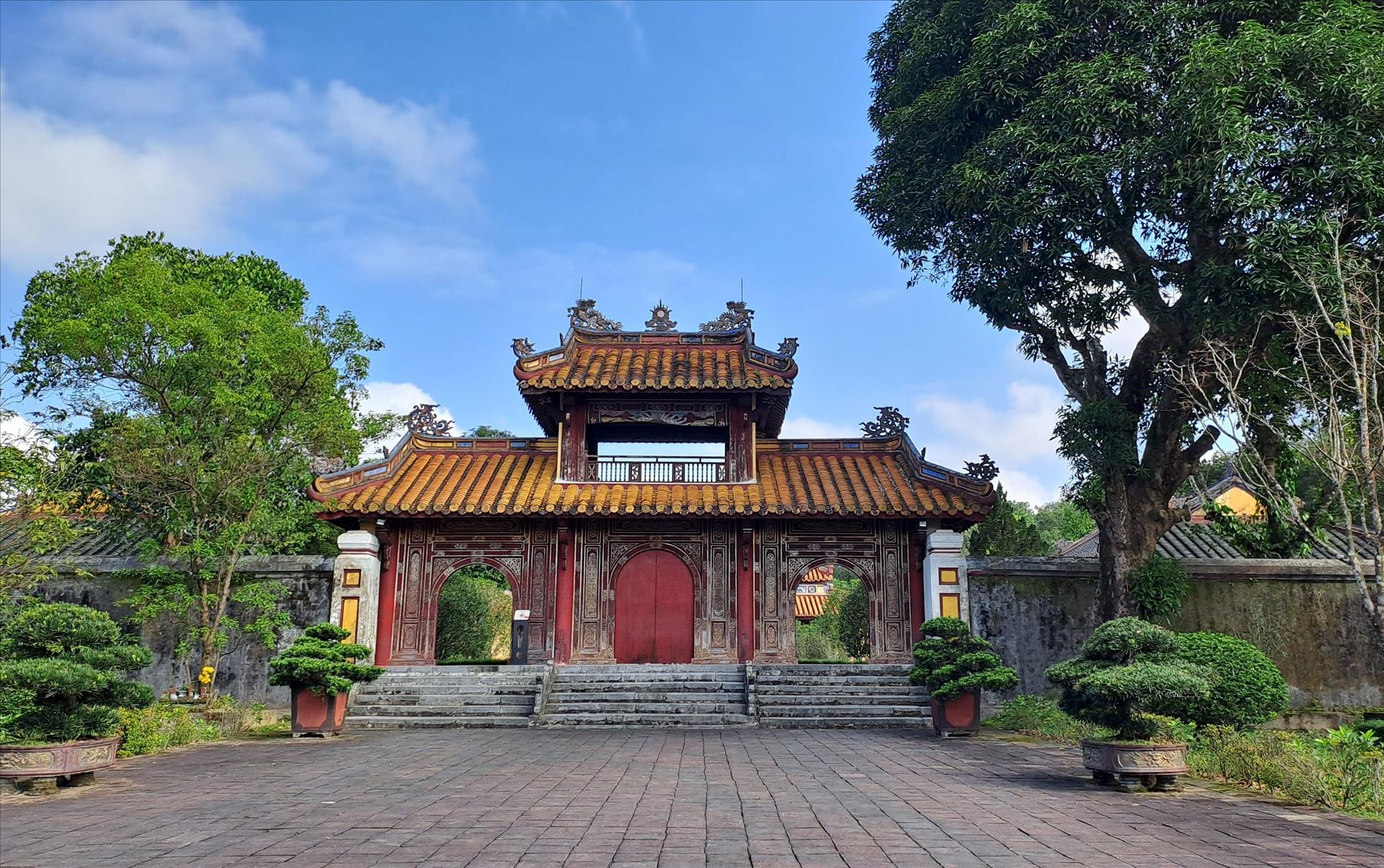
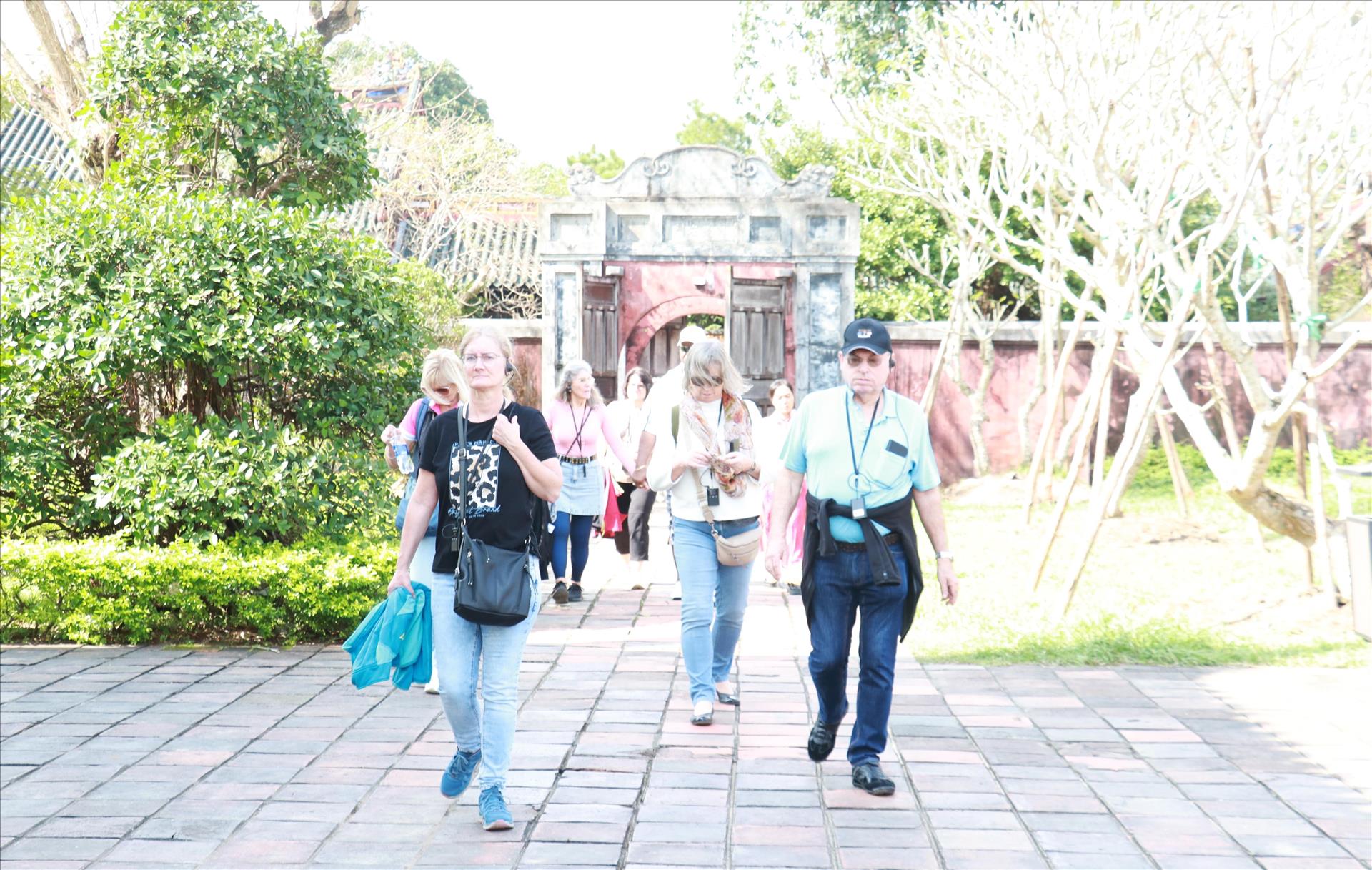
In recent years, the city has implemented a range of coordinated and innovative measures, including stepping up the restoration of heritage sites, reviving intangible cultural values, and integrating royal court culture harmoniously with folk traditions and contemporary cultural expressions. This approach has generated a vibrant array of artistic activities, enriching community life and creating distinctive tourism offerings.
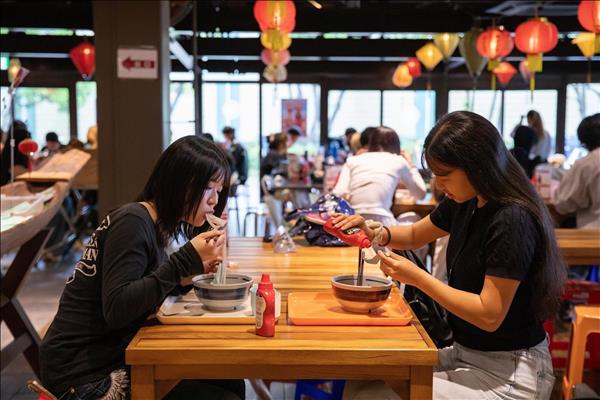
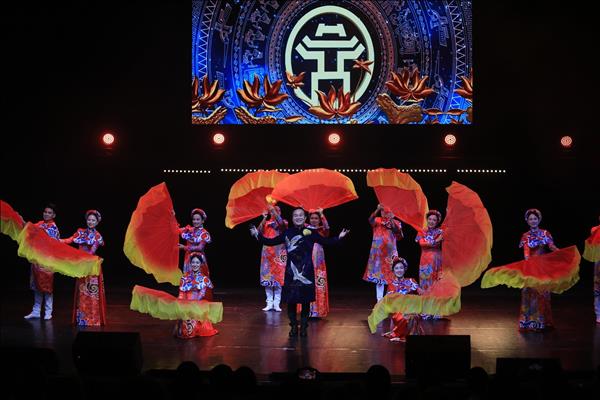
Hue’s cultural and tourism brands have continued to gain prominence, including “Vietnam’s Festival City”, “ASEAN City of Culture”, “Hue – Capital of Cuisine”, and “Hue – Capital of Ao Dai”. At the same time, greater emphasis has been placed on the application of information technology and digital transformation in culture and tourism, helping to further amplify Hue’s image internationally and leave a lasting impression on global audiences.
To preserve and enhance the value of historical sites and cultural heritage, the city has prioritised resources for planning and restoring key cultural, historical and revolutionary relics. Industrial facilities, factories and offices have been relocated from the Hue Imperial Citadel area, while residents living on the Upper Ramparts have been resettled. Investments have also been channelled into heritage tourism infrastructure, alongside expanded cooperation with domestic and international partners, research into cultural industries, and policy frameworks to attract investment in the cultural sector.
Hue is also home to ancient urban areas of significant historical, cultural, architectural and commercial value, such as Bao Vinh ancient town and Gia Hoi–Cho Dinh old quarter. To promote its identity as a “garden city”, with hundreds of traditional garden houses and royal residences linked to the preservation of cultural values, Hue has implemented support policies for the restoration, protection and promotion of Hue garden houses, using both state budget resources and mobilised social funding.
By 2030, Hue aims to become a distinctive heritage city of Vietnam, while emerging as one of Southeast Asia’s leading and unique centres for culture, tourism and specialised healthcare. It also aspires to be among the country’s major hubs for science and technology, as well as for high-quality, multi-disciplinary education and training.
To underpin sustainable development, the city is crafting a new strategy that combines long-term sustainability with breakthrough approaches. The strategy rests on three pillars: linking heritage preservation with the development of a heritage-based economy; building a tourism ecosystem connected to the central Vietnam heritage route while advancing modern cultural industries; and promoting human capital and Hue’s unique identity in the context of international integration.
Looking ahead, with continued support from central ministries and agencies, Hue is determined to further raise public awareness and social responsibility regarding the role of culture and heritage in development, reaffirming that preservation must go hand in hand with growth.
The city seeks to position itself as a leading cultural and tourism destination in Southeast Asia by enhancing service quality, diversifying tourism products, attracting greater investment in tourism, developing the night-time economy, strengthening regional linkages, and expanding digital promotion towards a smart tourism ecosystem.
Hue will continue to mobilise resources to restore and rehabilitate priority heritage structures, preserve traditional wooden houses, ancient villages and old quarters, support the development of non-state museums, protect its distinctive natural landscapes, and intensify international cooperation in heritage conservation. The city also plans to accelerate the development of cultural industries and the creative economy, establish creative spaces, performance venues, digital museums and open libraries, while preserving traditional Hue art forms and fostering contemporary creativity rooted in the city’s distinctive cultural identity./.