As residents brace themselves against a spell of severe cold, Hanoi’s departments, agencies and district authorities have moved early to roll out a range of response measures aimed at safeguarding public health across the capital.
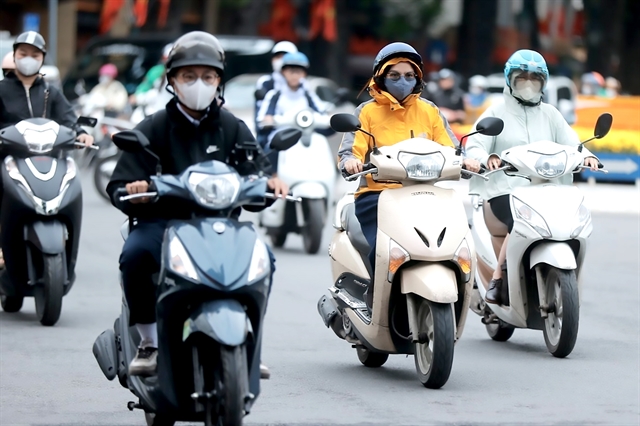
According to the National Centre for Hydro-meteorological Forecasting, Hanoi remains in the grip of prolonged severe cold, with some periods classified as extreme, as low temperatures persist for several consecutive days.
The capital’s Department of Education and Training has instructed educational institutions citywide to strictly enforce disease prevention measures, ensure food hygiene and safety in schools, and take proactive steps to protect students’ health as temperatures fall.
Schools have also been asked to flexibly adjust teaching plans, limit outdoor activities during periods of severe and extreme cold, and ensure the safety of students at all levels.
Reports show that many schools in the capital have already rolled out a range of cold-weather prevention measures to safeguard students’ health.
Alongside close monitoring of weather developments and timely adjustments to activities, schools have stepped up efforts to keep pupils warm, particularly those in nursery and primary education.
At Quan Hoa Kindergarten in Nghia Do Ward, cold-weather prevention measures have been implemented in a coordinated manner, with particular emphasis on nutrition and keeping meals warm.
The school has proactively designed menus suited to severe cold conditions, ensuring a balanced intake of nutrients while increasing the number of hot, energy-rich and easily digestible dishes to help boost children’s immunity.
Food preparation, storage and serving procedures have also been tightened to ensure meals remain warm when served, minimising health risks.
According to Vu Thi Kieu Nga, principal of the kindergarten, nursery-age children have underdeveloped immune systems and are highly susceptible to respiratory and digestive illnesses during cold spells.
“Thus, the school considers meals not only in terms of nutritional adequacy but also in terms of being served warm and appropriate to the weather,” she said.
During very cold days, the school increases hot dishes, regularly checks food temperatures before serving and works closely with teachers to monitor each child’s health so that care arrangements can be adjusted promptly when needed.
At Nam Phuong Tien B Secondary School in Xuân Mai Commune, proactive measures have also been taken to protect students’ health amid the severe cold, with a strong focus on close coordination with families.
Phạm Thi Thu Ha, principal of the school, said the school regularly communicated with parents to jointly remind students to wear sufficient warm clothing and pay attention to nutrition during cold days.
“At school, we adjust activity plans, minimise outdoor activities when temperatures drop sharply, and strengthen health monitoring so that we can provide timely support if any abnormal signs appear,” she said.
Cold-season health prevention measures
The capital Department of Health has issued directives to commune- and ward-level health stations to disseminate cold-season health care guidance to communities and workers.
Health staff at all levels, particularly at grassroots facilities, have been tasked with providing public education and advice, while communication campaigns are being organised through various appropriate and effective channels.
The department has also required both public and private hospitals across the city to review and ensure adequate stocks of emergency medicines, sufficient hospital beds and readiness of equipment to promptly handle common emergency cases.
The city’s Centre for Disease Control has been designated as the focal point responsible for providing guidance, conducting inspections, supervising implementation and compiling statistics and reports when required.
Health authorities advise residents to limit outdoor activities during periods of intense cold and strong winds, especially from late night to early morning.
When going out is unavoidable, people should wear warm, wind-resistant clothing to retain body heat and keep the body dry, particularly the neck, hands and feet, to reduce the risk of cold-related illnesses.
Residents are also advised to avoid exposure to tobacco smoke and coal fumes, and to limit alcohol consumption, especially in mountainous areas.
Alcohol can cause blood vessel constriction, raise blood pressure and increase the risk of stroke, potentially leading to death.
Drinks containing stimulants such as caffeine should likewise be limited during cold weather.
Health officials further warn against bathing late at night after 10pm, bathing for prolonged periods or bathing in draughty locations, as these practices increase the risk of thermal shock.
Manual workers, older people and children are advised to increase energy intake and essential micronutrients, particularly vitamins A and C, to strengthen immunity.
Cold foods or food taken straight from the refrigerator should be avoided to reduce the risk of chilling.
For those diagnosed with chronic conditions such as hypertension, cardiovascular disease, respiratory illnesses or musculoskeletal disorders, strict adherence to prescribed treatment, combined with appropriate exercise and nutrition, is crucial.
Regular physical activity helps warm the body, boost resistance and improve adaptation to cold weather.
People working in cold conditions, especially outdoor labourers or those in damp environments, are advised to keep warm, work at appropriate intensity levels and ensure that hands, feet and clothing remain dry.
In particular, city health authorities have warned residents of the risk of indoor carbon monoxide poisoning.
The use of charcoal or honeycomb coal for cooking or heating in enclosed spaces is strongly discouraged.
If coal must be used briefly during extremely cold weather, doors should be left slightly open to ensure ventilation, heating should only take place while people are awake and coal should never be used overnight in closed rooms.
When using electric heaters, safety must also be ensured. Infrared heaters should not be placed too close to young children or older people to avoid the risk of dry skin, burns or fire.
According to the National Centre for Hydro-Meteorological Forecasting, on Wednesday the lowest temperatures are expected to fall to 6–9 degrees Celsius, with some high-altitude areas dropping below 3 degrees Celsius in the northern mountainous and midland regions.
In the Hong (Red) River Delta, minimum temperatures are forecast at 9–12 degrees Celsius, with some areas below 8 degrees Celsius.
In Hanoi, conditions are expected to remain dry, with severe cold and minimum temperatures commonly between 10–12 degrees Celsius.
Northern mountainous areas are advised to stay alert to the risk of frost and hoarfrost, the centre said, adding that the cold air is forecast to weaken around Saturday./.