
As food safety continues to receive growing attention from the Party, the Government, and the public, strengthening the production and distribution of safe agricultural goods has become a central task, one tied directly to protecting public health and building a sustainable agricultural sector.
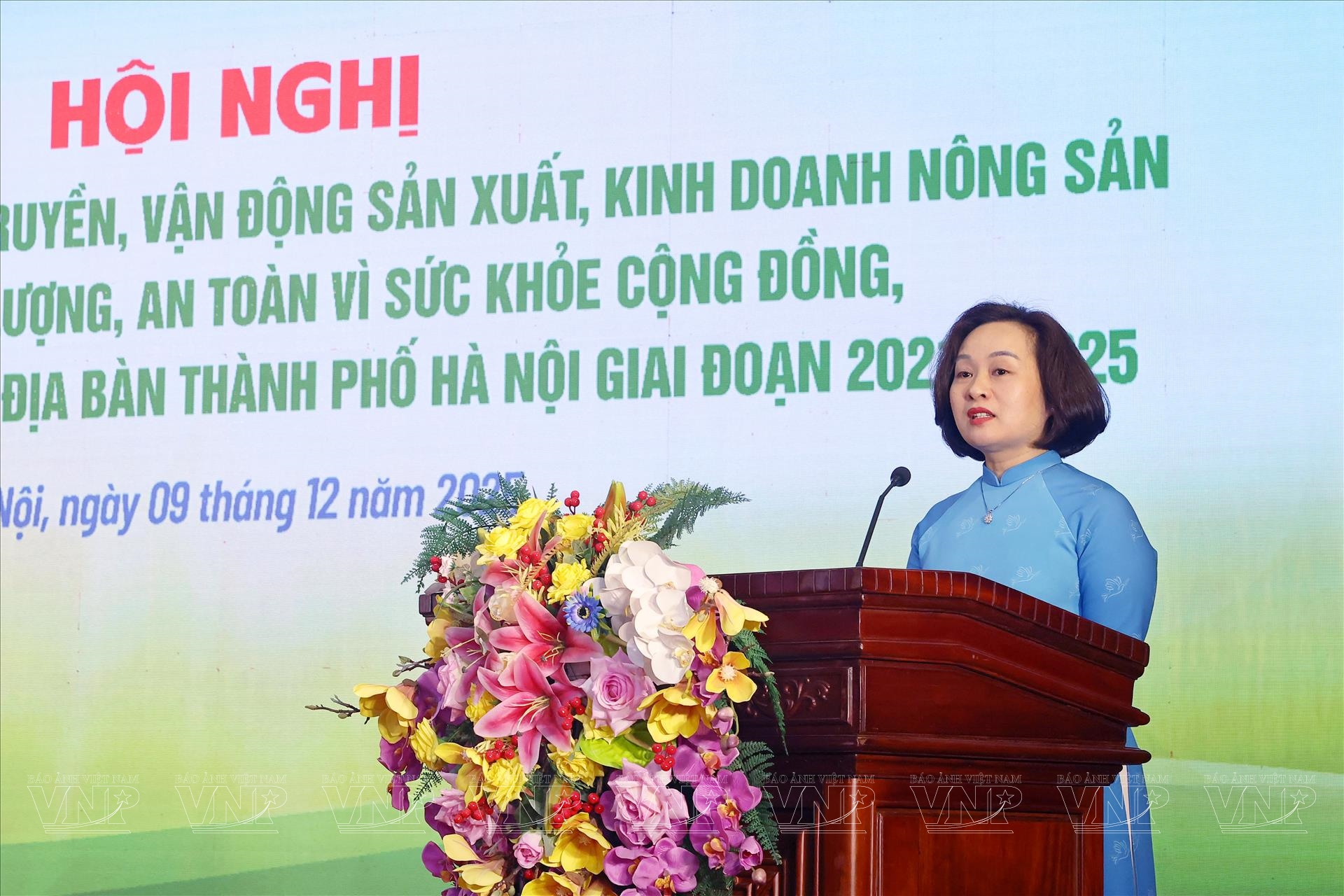
Since 2017, the Government, the Vietnam Farmers’ Union, and the Vietnam Women’s Union have jointly implemented a program to promote communications, awareness, and mobilization in safe agricultural production and business practices. Building on that framework, the Hanoi People’s Committee issued Plan No. 301/KH-UBND on December 24, 2021, to guide detailed implementation at the local level.
In recent years, the Department of Agriculture and Environment and the two mass organizations have coordinated closely on four core workstreams. Communication campaigns, legal dissemination, and training on safe agricultural production have been expanded. Advanced production models and processes have been introduced and scaled up. More safe agricultural supply chains have emerged. Support for production, market access, and consumption has also grown increasingly effective.
At the same time, the Women’s Union and the Farmers’ Union at all levels have strengthened their roles in social oversight and public feedback, actively identifying and reporting food-safety violations. Many exemplary producers of safe agricultural goods have been recognized, creating momentum for farmers and businesses to raise their standards.
According to Nguyen Thi Thu Hang, Head of the Quality, Processing and Market Development Division at the Hanoi Department of Agriculture and Environment, coordinated action among agencies has significantly expanded outreach to residents and producers. The application of information technology, digital platforms, and visual communication tools has broadened access and improved understanding.
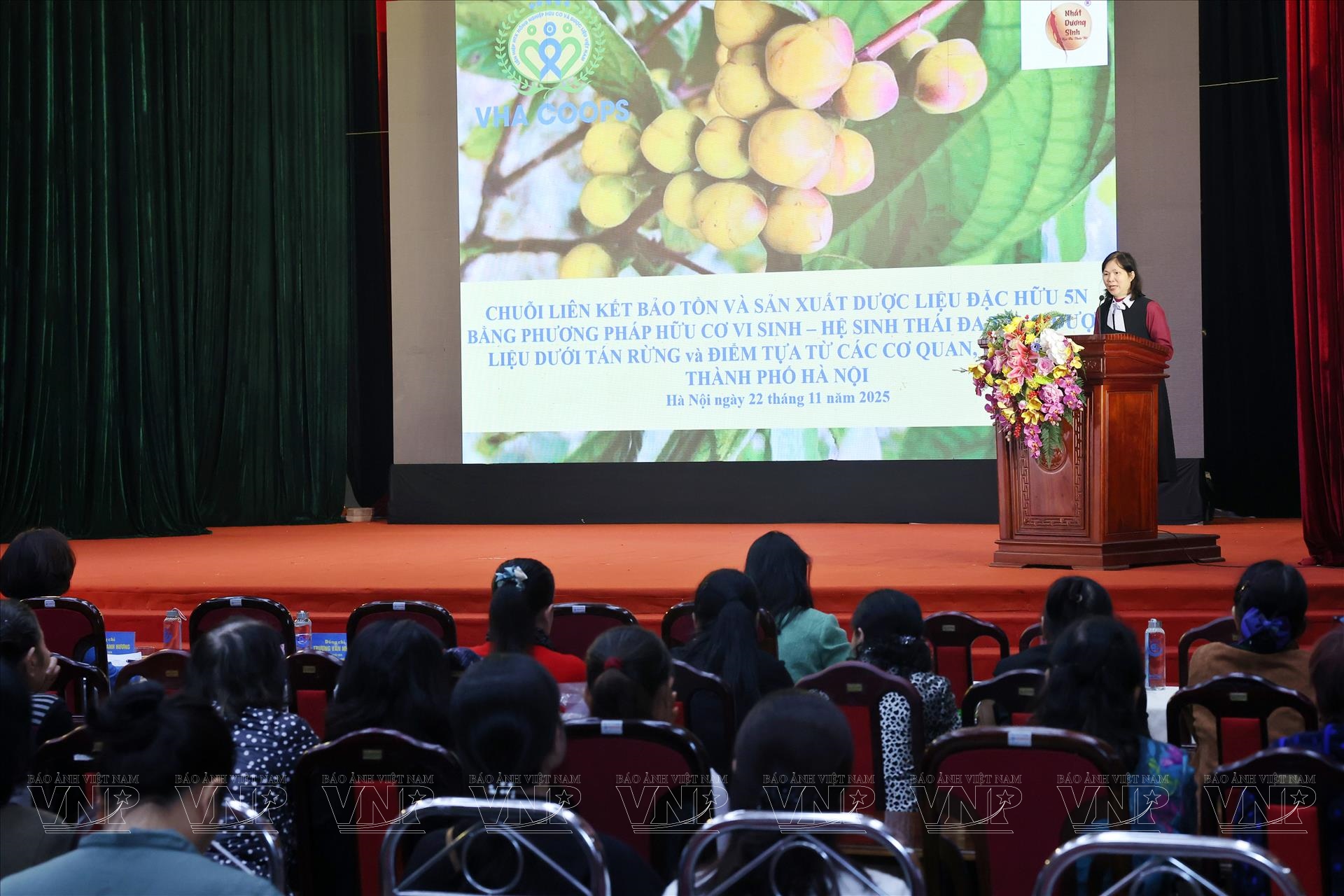
Speaking at the conference, Truong Van Nhung, Vice Chairman of the Hanoi Farmers’ Union, noted that joint initiatives have encouraged members and farmers to adopt safer production methods, apply new technologies, and strengthen linkages along the value chain. These shifts, he said, support Hanoi’s goals for urban, green, and sustainable agriculture. Consumer habits have also changed, with growing preference for branded products with transparent origins.
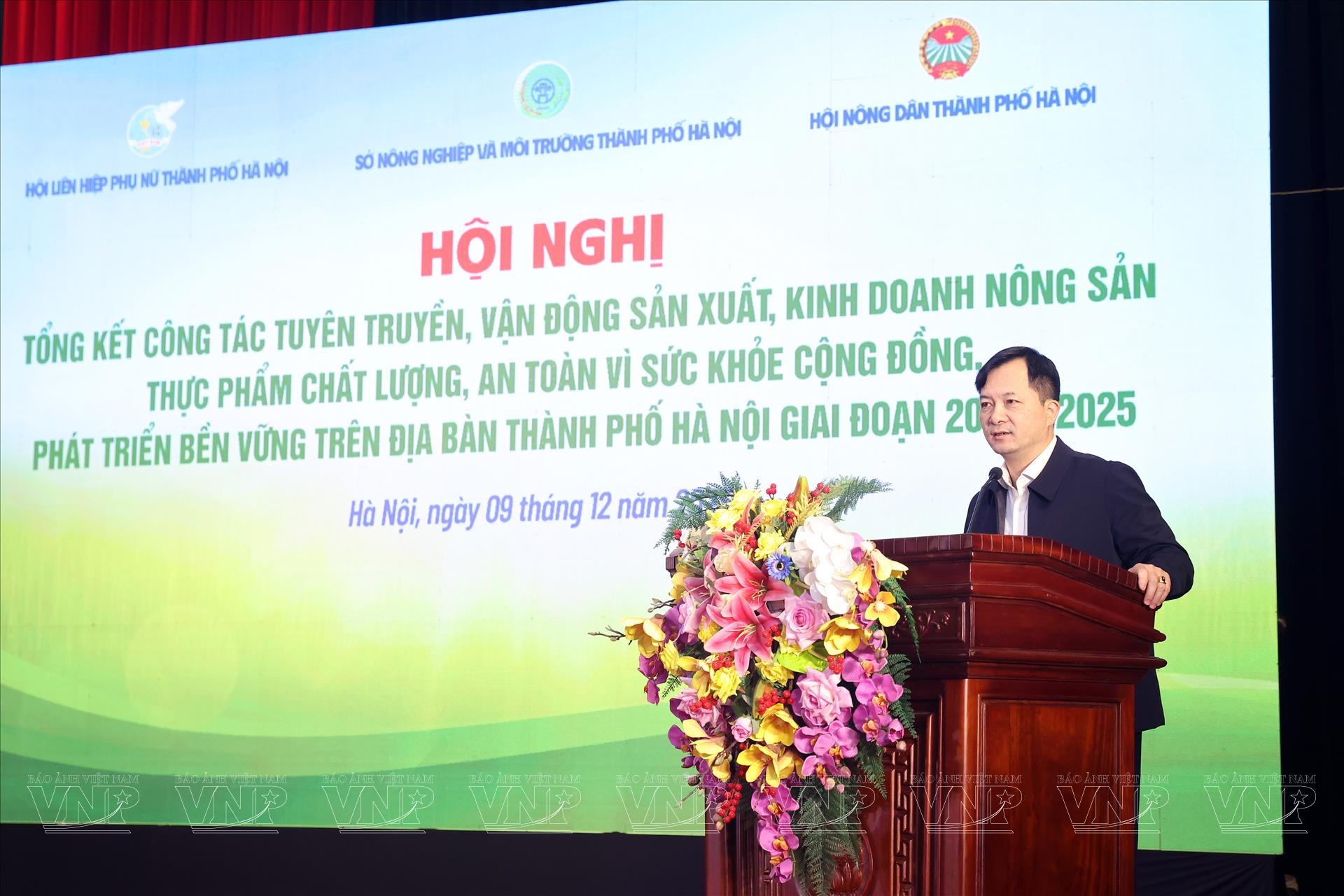
Delegates reviewed achievements, identified lessons learned, and discussed priority actions to sustain and advance the program in the next phase.
Le Ba Anh, Deputy Director General of the Department of Quality, Processing and Market Development under the Ministry of Agriculture and Environment, called on Hanoi to continue working with the Farmers’ Union and Women’s Union to expand communication, training, dialogue, and advocacy programs on safe agricultural production and business practices. He also urged deeper commitments to safety standards in production, preservation, processing, and distribution.
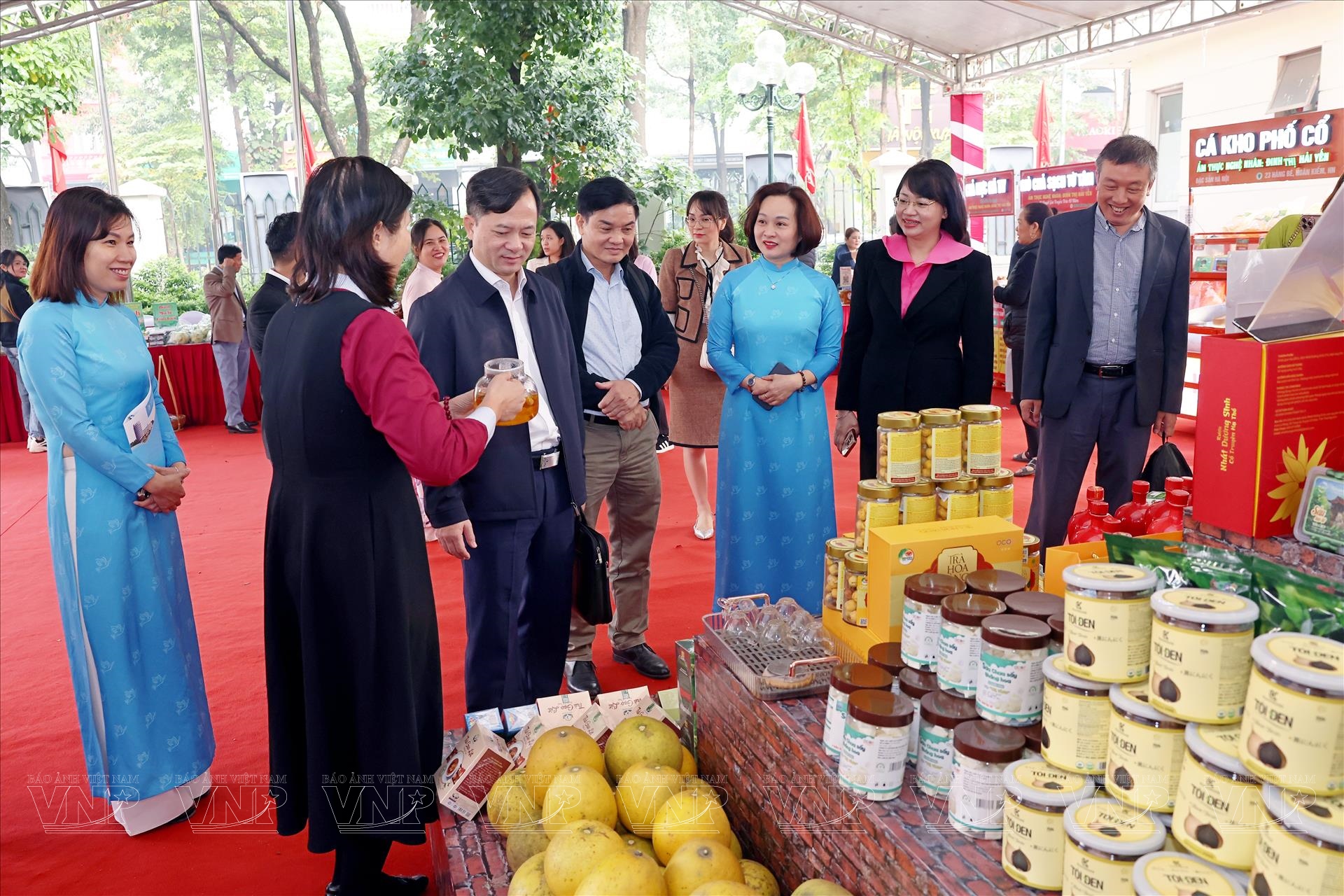
Looking ahead, expanding safe production models, promoting high-tech agriculture, and adopting advanced management systems, especially those aligned with ecological, circular, and organic agriculture, remain key priorities. Specialized agencies will also bolster inspection and monitoring of agricultural production and business activities at the local level to ensure timely detection and strict handling of food-safety violations.