Domestic commodity markets began to regain momentum nationwide on February 19 - the third day of the Lunar New Year, though overall purchasing power remained markedly lower than the pre-Tet peak, according to the Agency for Domestic Market Surveillance and Development under the Ministry of Industry and Trade.
Most people continued to enjoy holiday activities, including spring outings and family visits, while essential shopping needs had largely been met ahead of Tet. Transactions on the day were mainly for supplementary purchases, with no unusual surge in demand.
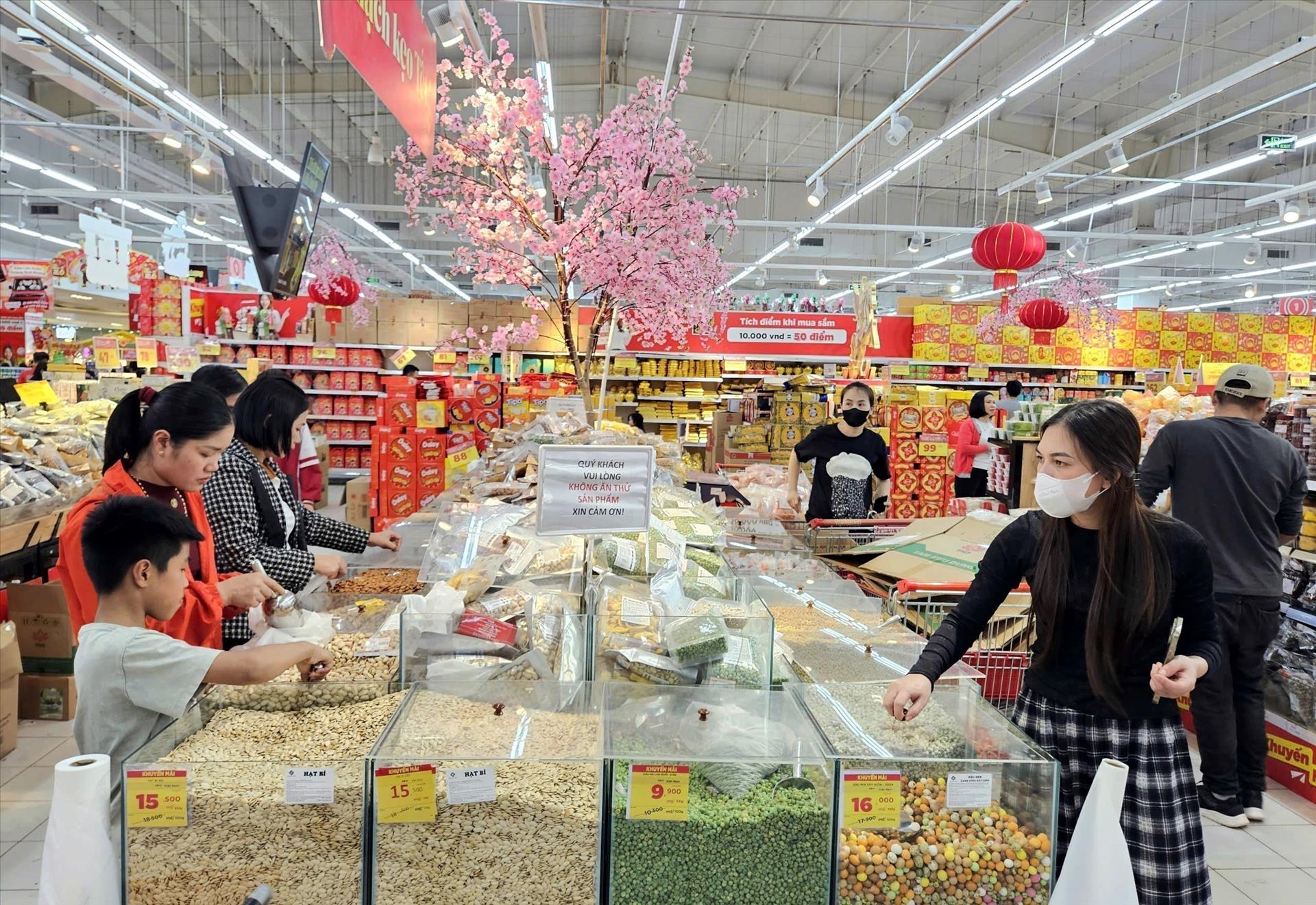
From early morning, commercial infrastructure across the country became more vibrant. Major retail chains and shopping centres such as Saigon Co.op, Central Retail, MM Mega Market, Lotte Mart, AEON, WinMart, GO! and AEON Mall reopened simultaneously, ensuring abundant supplies and launching early-year promotional programmes to stimulate consumption.
Traditional markets also saw a significant increase in the number of operating stalls compared to the first two days of Tet. Convenience stores remained open throughout the holiday, meeting flexible consumer demand. In general, goods circulation was smooth, with no reports of supply disruptions or localised shortages.
Demand mainly focused on fresh food products, including vegetables, seafood, pork and beef, to supplement early-year family meals. Items for spiritual offerings, such as fresh flowers and fruits for ceremonial rites, also maintained stable sales.
Prices largely remained at levels seen before Tet. Slight increases were recorded only at some small retail outlets. In supermarket systems, listed prices were kept stable, with many products offered at discounted or promotional rates, helping to maintain consumer confidence. Overall, supply and demand were balanced, and the market operated normally.
Preparations for Tet had been implemented early by localities and enterprises based on demand forecasts. Total reserved goods value rose by 10–15% compared to normal months, while major distributors increased stocks of essential items by 20–40% to prevent shortages in any scenario.
Market stabilisation programmes have been widely deployed, with 34 provinces and cities issuing implementation plans. Retailers participating in the programmes committed to keeping prices 5–10% lower than market levels before, during and after Tet.
Petroleum supply has also been ensured, with retail systems nationwide operating stably as of February 19 and no irregularities detected. Authorities forecast that markets will continue to stabilise in the coming days, with demand remaining moderate while prices of essential goods are expected to stay steady./.