Amid increasingly complex and unpredictable global economic and political developments, Vietnam’s economy has been significantly affected by external shocks, including supply chain disruptions, market volatility, tariff risks and the rapid restructuring of global value chains, which pose considerable challenges for both the business community and the broader economy.
Nevertheless, under the comprehensive leadership of the Party, the support of the National Assembly and the Government’s decisive direction, businesses are receiving stronger backing to gradually overcome difficulties and sustain growth, thus laying an important foundation for the economy’s double-digit growth target this year.
Identifying, addressing bottlenecks
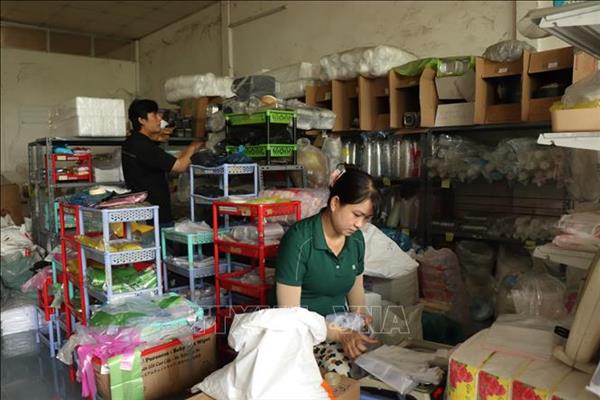
According to the Ministry of Finance, by the end of 2025, Vietnam had around one million active enterprises, up more than 25% compared to 2020. Following the Politburo’s issuance of Resolution No. 68-NQ/TW on private sector development in May 2025, entrepreneurial momentum has surged. Since then, an average of 18,000 new enterprises have been established each month. Nearly 300,000 businesses were newly established or resumed operations in 2025, marking a record high and reflecting growing confidence within the business community.
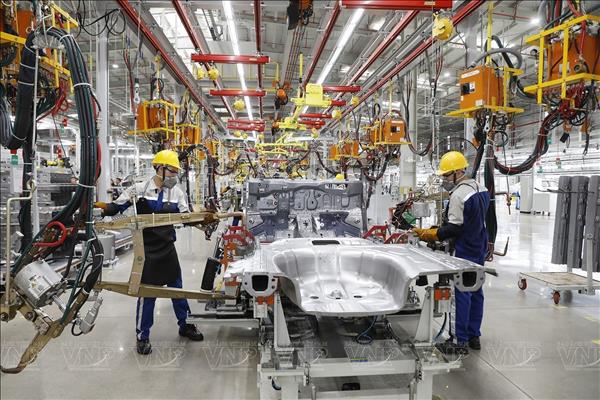
Beyond numerical growth, enterprises have played a vital role in mobilising resources for socio-economic development, with 564 projects launched or completed nationwide last year, totaling approximately 5.2 quadrillion VND (197.3 billion USD) in investment, nearly 75% of which came from the private sector. These contributions have helped maintain macroeconomic stability, control inflation and sustain GDP growth of over 8.02%.
However, challenges persist. Global shocks, from pandemics to geopolitical tensions and trade and financial volatility, have disrupted supply chains, increased input costs and reduced orders. Structural weaknesses remain evident, including weak linkages between enterprises and farmers in sectors such as food processing, heavy reliance on imported materials in key industries like textiles and footwear, and limited access to finance for small- and medium-sized enterprises. High logistics costs and insufficient investment in branding and high-value products also constrain deeper integration into global value chains.
Unlocking growth drivers
Institutional bottlenecks further hinder business development. Overlapping and inconsistent regulations, cumbersome administrative procedures and uneven policy implementation continue to raise compliance costs and dampen innovation. Access to land, credit, technology and market information remains a challenge, particularly for smaller firms, while rising global protectionism and stricter green standards add pressure on exporters.
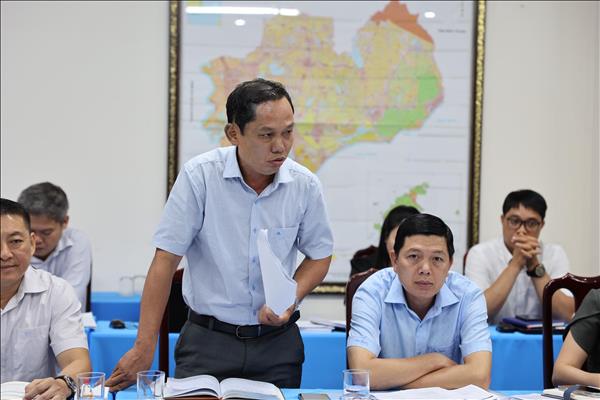
Addressing these issues is critical. Chairman of the Vietnam Chamber of Commerce and Industry (VCCI) Ho Sy Hung urged the Government to strengthen its role as a facilitator of development, shifting from administrative control to proactive support for businesses. This includes ensuring a transparent, predictable and competitive business environment, eliminating legal inconsistencies and enabling fair access to resources.
At the same time, enterprises themselves must enhance internal capacity by renewing traditional growth drivers and fostering new ones through science and technology, digital transformation and green transition. Greater investment in research and development, brand building and market diversification, alongside effective utilisation of free trade agreements, will be key to improving their position in global value chains.
Strengthening financial resilience, improving governance, developing high-quality human resources and enhancing linkages within value chains will also be essential. Only by doing so can Vietnamese enterprises truly serve as a driving force for rapid and sustainable economic growth in the years ahead./.