
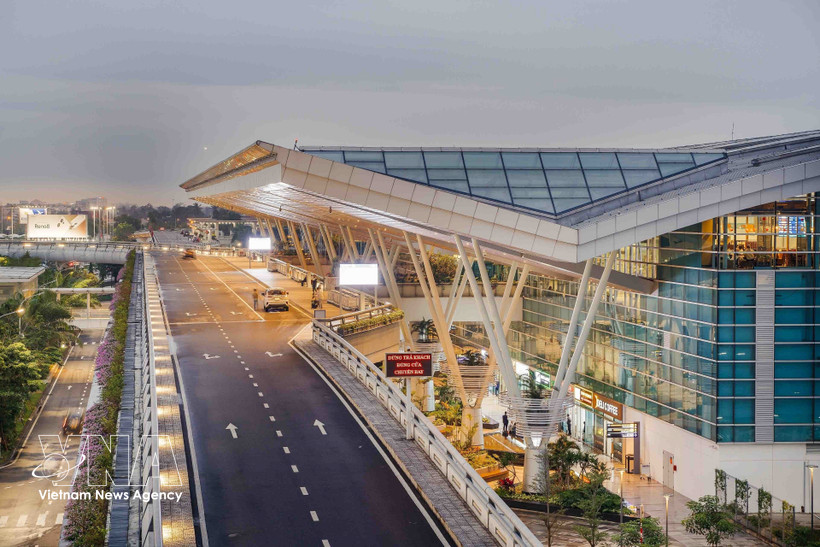
Digital transformation is promoting service improvements at Da Nang International Airport, which climbed nine places to 75th in Skytrax’s list of world’s top 100 airports for 2026, as tech-driven operations and passenger services continue to reshape its development strategy.
Located in the city downtown, the airport offers convenient access, but rapid traffic growth is piling on operational strain. With scant room for physical expansion, technology has become the default fix for squeezing more efficiency from existing infrastructure. As a result, aircraft movements are on track to approach 100,000 this year, a high figure given the current footprint.
Passengers are noticing the difference in real-time information. Digital waiting-time boards, indoor navigation maps, and chatbots now keep travellers better informed and in control of their journeys.
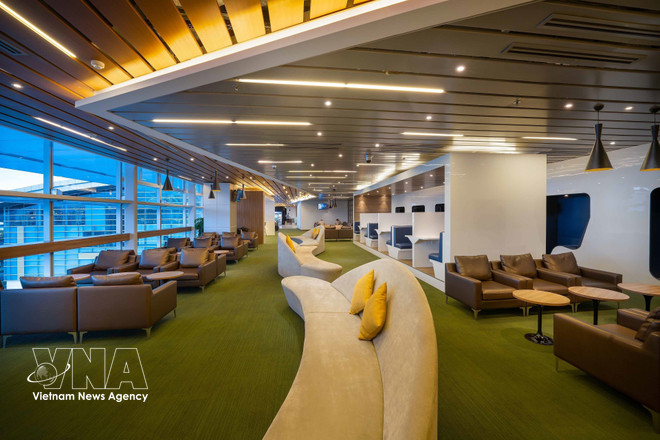
Abinesh Kugavathanan, a German visitor, called the airport safe, spacious and visually appealing, citing its comfortable outdoor spaces and strong integration of natural elements.
Still, technology isn’t the whole story. Creating a comfortable, pleasant passenger experience remains central to the upgrade effort.
Since 2023, the Airport Operational Database (AODB) system has delivered real-time data feeds that improve coordination and enable deeper statistical analysis.
Vo Luong Trung, head of the airport’s IT team, said the system tracks passenger flows throughout the day. The resulting analytics help pinpoint peak periods and guide precise allocation of staff, equipment and cleaning services to keep the terminal running smoothly.
The ERP system rolled out in 2025 has digitised internal workflows, cut document processing times and sharpened oversight. In 2025 alone, the airport logged 11 recognised initiatives that boosted operational efficiency and service quality.
With digitisation largely in place, the focus is shifting to putting that data to work. In 2026, the airport plans to launch the Airport Collaborative Decision Making (ACDM) system to tighten coordination across operational units.
Le Hoai Nam, Deputy Director of the airport, said the ACDM is being deployed against a backdrop of surging traffic that demands tighter coordination among all stakeholders. By relying on shared data and decision support tools, the system aims to deliver more transparent and efficient operations.
Longer term, the airport is eyeing capacity for about 20 million passengers and 330,000 tonnes of cargo annually. Land constraints mean technology will stay front and centre. Artificial intelligence tools are under study for advanced analytics, forecasting and operational management, while biometric solutions on digital platforms are being explored to speed up passenger processing and cut waiting times./.