According to 'The Vietnam Music Landscape 2025–2026', a comprehensive white paper produced by the School of Communication and Design at RMIT University Vietnam, music is increasingly emerging as both an economic sector and a strategic cultural asset within the country’s broader development agenda.
The report paints a picture of an industry in transition: vibrant and energetic, yet facing structural challenges as it seeks to move from short-term success toward sustainable, long-term growth.
However, to truly compete with regional and global music industries, Long noted that the market needs comprehensive professionalisation, a sustainable development strategy and, above all, the shaping of a distinctive V-pop identity.
He stressed: “The time has come for us not only to organise large-scale events, but also to build a cultural industry with real depth and a strong sense of identity.”
Global and regional context
Globally, the music industry is projected to reach nearly 99 billion USD in revenue in 2025.
Digital music remains the dominant driver, contributing close to 57 billion USD, while traditional segments, including physical formats and live performances, are experiencing a notable resurgence.
This revival reflects a global shift in audience behaviour, as listeners increasingly seek authentic, immersive and culturally meaningful musical experiences.
Asia continues to be one of the most dynamic regions within this landscape. Music streaming is the largest segment, supported by a young, digitally native population and widespread smartphone usage.

Southeast Asia, in particular, stands out as a growth market where domestic artists and local catalogues are gaining prominence alongside international content.
Antoine El Iman, managing director for Southeast Asia at Believe, describes this momentum as structural rather than temporary.
“Southeast Asian music markets are young, diverse and entering a phase of rapid growth,” he said.
“This momentum is driven by a digitally native audience that consumes music primarily on mobile devices and streaming platforms, alongside the strong rise of local artists and domestic catalogues. Together, these factors are laying a solid foundation for the region’s long-term music industry potential.”
Strong fundamentals
Within Southeast Asia, Vietnam’s digital music market remains modest in size, with revenue estimated at approximately 52 million USD in 2025 and forecast to rise to over 74 million USD by 2030.
However, the white paper highlights several indicators suggesting strong growth potential beneath the surface.

Vietnam’s average revenue per user is projected to be nearly on par with Indonesia’s by 2030, despite Vietnam having a smaller population and overall market size.
This suggests that Vietnamese audiences are increasingly willing to pay for music-related content, particularly live performances, concerts and premium digital subscriptions.
The report also notes that streaming revenue already accounts for more than half of Vietnam’s digital music market, reflecting the central role of platforms such as YouTube, Spotify and domestic services in shaping listening habits.
At the same time, experts caution that the continued prevalence of free consumption models remains a key barrier to sustainable industry growth.
To address this, the study argues, Vietnam will need stronger copyright protection, clearer monetisation pathways and greater public awareness of the value of paid content, with lessons drawn from more mature regional markets.
Cultural strategy
Beyond market metrics, music is gaining prominence within Vietnam’s national development framework.
The National Target Programme on Cultural Development for the 2025–2035 period, approved by the National Assembly with a budget exceeding 122 trillion VND (4.6 billion USD), positions culture as both a spiritual foundation and a driver of sustainable growth.
Within this strategy, music is identified as a spearheading sector of cultural industries and a powerful form of soft power.
Professor Donna Cleveland, dean of the School of Communication and Design at RMIT University Vietnam, emphasises the significance of this moment.
“The National Target Programme on Cultural Development marks a significant milestone for Vietnam’s cultural industries,” she said.
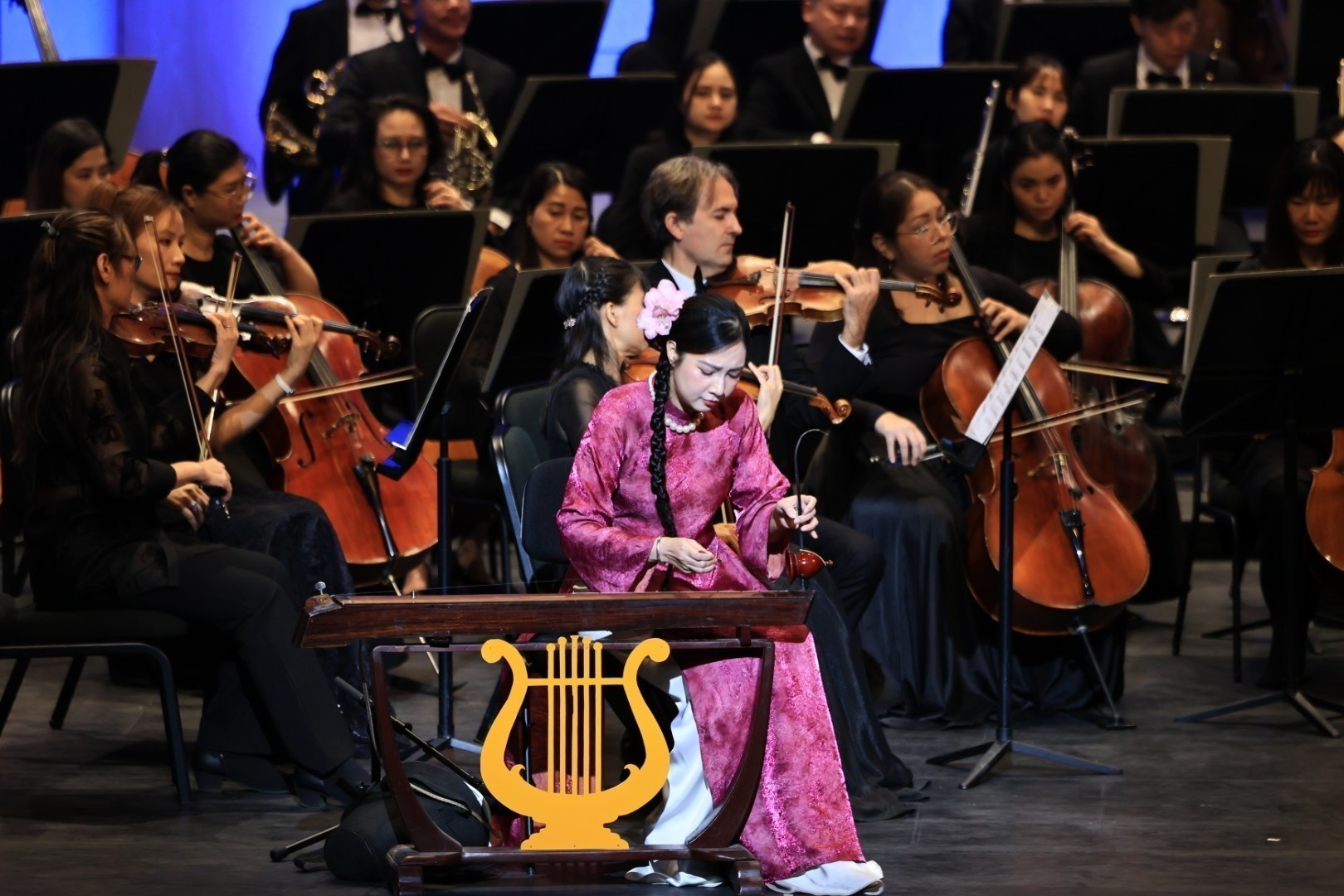
“By placing traditional identity and cross-sector development at the core, Vietnam is gradually shaping an ecosystem in which cultural values are preserved and transmitted more dynamically. Music emerges as the area that most clearly demonstrates the ability to connect not only different creative sectors, but also countries.”
According to Cleveland, music has a unique capacity to convey Vietnamese identity while remaining accessible to global audiences, making it an effective tool of cultural diplomacy in an increasingly interconnected world.
Large-scale live events
One of the most striking developments in 2025 has been the surge in large-scale live music events.
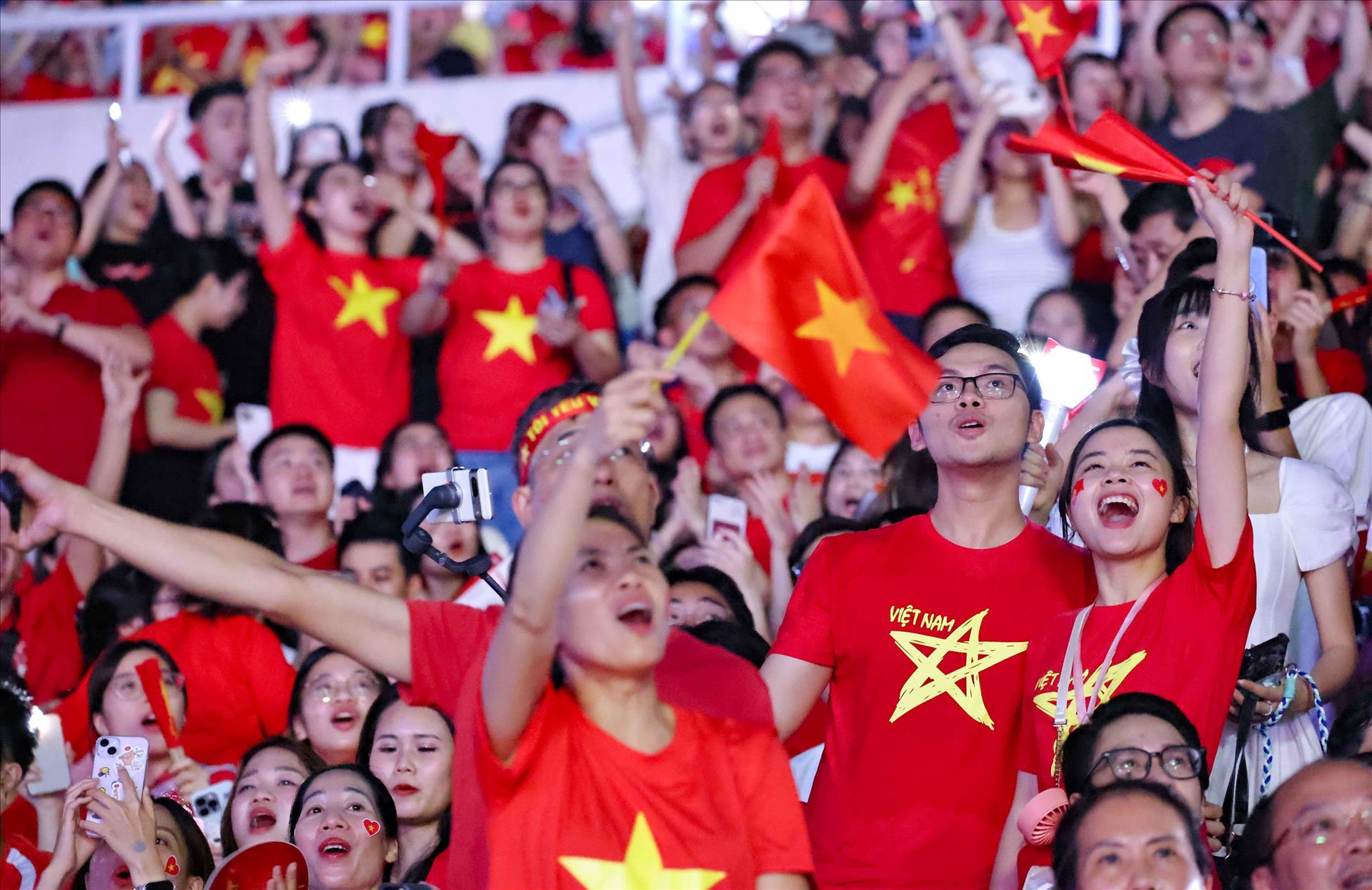
So-called 'national-scale' concerts, drawing between 25,000 and 50,000 spectators per night, have become increasingly common.
These events, often aligned with major national commemorations, combine high production values with themes of cultural pride and collective memory.
The white paper notes that such concerts not only elevate artistic standards, but also demonstrate the growing consumption capacity of domestic audiences.
They reflect a shift from passive music consumption toward shared, experiential engagement – a trend seen across many global markets.
At the same time, Vietnam has witnessed a sharp increase in solo concerts by individual artists, both mainstream and independent.
This development is seen as a sign of greater professional confidence among performers and a more diversified audience base capable of supporting events at multiple scales.
Vietnamese artists go global
The year 2025 saw a surge in large-scale music events across Vietnam. Programmes such as V Concert - Radiant Vietnam and The Nation in Our Hearts attracted between 25,000 and 50,000 spectators per night, highlighting the growing popularity of entertainment that resonates with national pride and collective identity.
At the same time, Vietnamese artists have made increasingly visible marks abroad. From My Linh opening her concert tour in Japan and Duc Phuc winning a top prize at Intervision 2025 in Russia to Phuong My Chi finishing among the top three at Sing! Asia, Vietnamese music has been steadily asserting its presence within the regional cultural landscape.
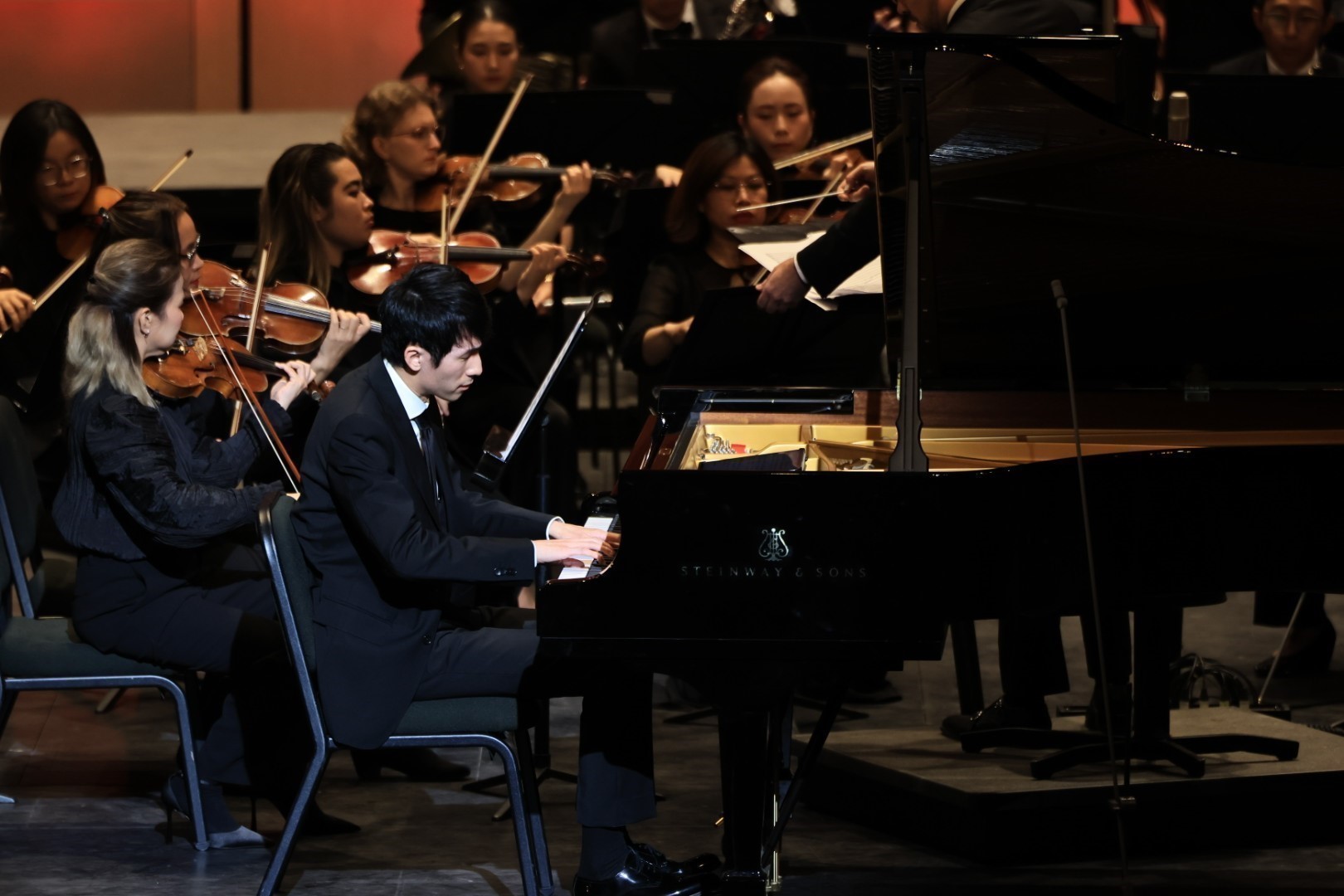
Conversely, Vietnam itself is emerging as a new destination for leading international artists. Major tours and regional music festivals hosted in the country have not only generated significant cultural impact, but have also made direct contributions to tourism and related service industries.
While Singapore remains Southeast Asia’s primary performance hub, Vietnam is gradually positioning itself as an emerging destination within regional touring circuits.
Towards sustainable growth
Despite its optimism, the white paper underscores that long-term success will depend on more than headline events.
Sustainable development will require a comprehensive ecosystem encompassing talent development, professional management, digital transformation and policy support.
Crucially, the report argues that Vietnam must continue to cultivate a distinctive V-pop identity rooted in local culture while engaging confidently with global trends.
Rather than simply following international formulas, Vietnamese music’s competitiveness lies in its ability to tell uniquely local stories through contemporary forms.
As Vietnam deepens its international integration, music is increasingly seen not just as entertainment, but as a strategic cultural language.
If effectively nurtured, it can strengthen national identity, contribute to economic growth and project a modern, creative image of Vietnam to the world./.