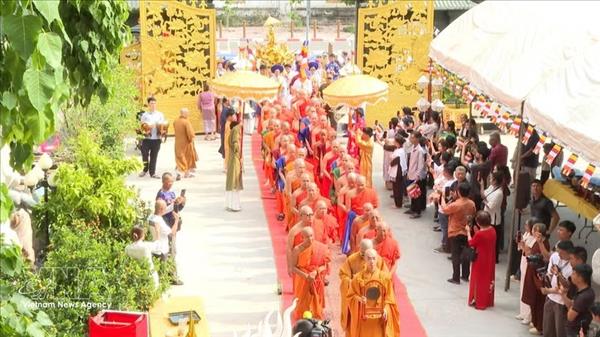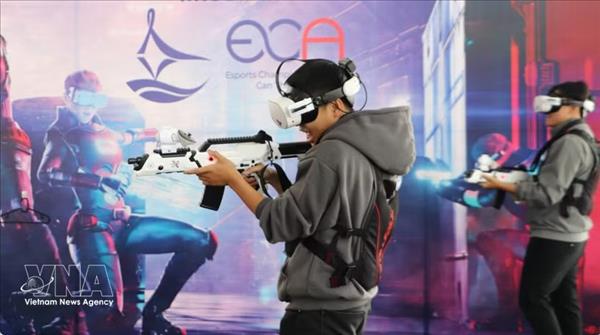
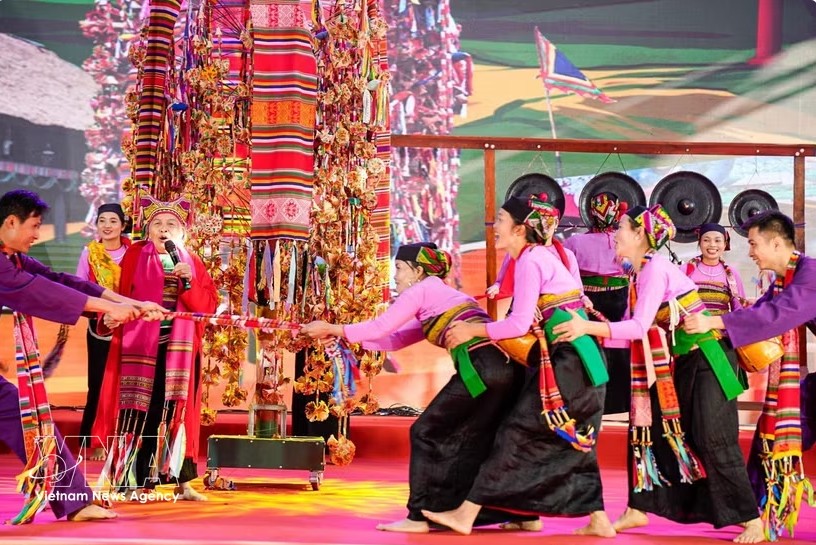
The recent surge in music concerts, entertainment programmes and creative products on digital platforms highlights a profound shift in how audiences consume and engage with culture. Behind these trends lies the emergence of a new cultural ecosystem in which digital technology, content platforms, creative communities and the public all play direct roles in shaping and disseminating cultural values.
Under the Politburo's Resolution No. 80-NQ/TW, issued on January 7, 2026, culture is defined as the spiritual foundation of society, an important endogenous resource, a driver of socio-economic development and a source of national soft power. In the new era, cultural values are expected to permeate all aspects of life, serving as a foundation, resource, catalyst and regulatory force for the country’s rapid and sustainable development.
Building digital cultural ecosystem
The vision of creating a digital cultural ecosystem runs throughout Resolution No. 80-NQ/TW through its emphasis on cultural data infrastructure, digital content platforms, digital transformation in the culture sector and the development of cultural industries.
This ecosystem is conceived as a multi-dimensional structure involving the State as a policy architect; digital platforms as content distributors; artists and creators as value generators; and audiences as both consumers and co-creators. Big data, artificial intelligence (AI) and content-distribution algorithms are also playing an increasingly significant role.
Digital platforms are transforming the way people access and consume culture. A short social media video can generate greater reach than many traditional performances; an online film can project a country’s image beyond its borders; and a music trend can rapidly influence the tastes of an entire generation. Cultural spaces are no longer confined to physical institutions but increasingly exist across digital platforms, algorithms and global networks of interaction.
According to Prof. Dr Trinh Sinh of Hanoi University of Culture, the greatest challenge today is not the speed at which global cultural trends spread, but the ability to identify and reinforce the core values of Vietnamese culture. “In the digital environment, the clearer the cultural identity is, the greater its capacity can spread,” he said.
For this reason, the resolution goes beyond preserving and promoting cultural values. It also aims to establish a digital cultural ecosystem featuring a national cultural database, Vietnamese digital content platforms, digital museums, digital libraries, online theatres and open creative spaces.
Audiences are no longer passive
Whereas culture once operated largely through a one-way model – artists created, authorities licensed and audiences consumed, the digital cultural ecosystem has blurred these boundaries.
People’s Artist Trung Hieu, Director of the Hanoi Drama Theatre, noted that audiences today not only consume culture but also help create, spread and shape cultural trends.
The fact that many music concerts sell out rapidly, while videos featuring heritage and traditional arts attract millions of views online, demonstrates that young people are engaging more deeply in cultural life through digital-age channels.
“For traditional theatre, this is both a challenge and an opportunity to renew audience engagement. By making effective use of digital space, modernising communication methods and bringing the arts closer to schools, theatre can cultivate a new generation of audiences,” he said.
He pointed to the school theatre initiative jointly implemented by the Ministry of Culture, Sports and Tourism, the Ministry of Education and Training, and the Hanoi administration. Through the programme, hundreds of performances are staged annually for students, with literary works from the school curriculum adapted for the stage.
This allows students to experience literature through emotion and direct engagement rather than solely through textbooks. It is also a way of nurturing future theatre audiences, he added.
From a cultural research perspective, Prof. Dr Trinh Sinh argued that heritage can only remain relevant in modern life, particularly among young people, if its presentation evolves.
Young people will engage willingly if cultural values are transformed into attractive and accessible products, whether through stories about artefacts and historical figures or films and video series inspired by Vietnamese cultural heritage, he said.
Thuy Tien, an 11th-grade student at Chu Van An high school in the capital, agreed with the view. “I think young people today not only consume cultural content but also help promote it. After watching performances such as Da co hoai lang and Dao Lieu, I searched for the original versions, learned more about those art forms and shared them with friends. Many of my classmates have discovered traditional cultural values through content circulating on social media,” she said.
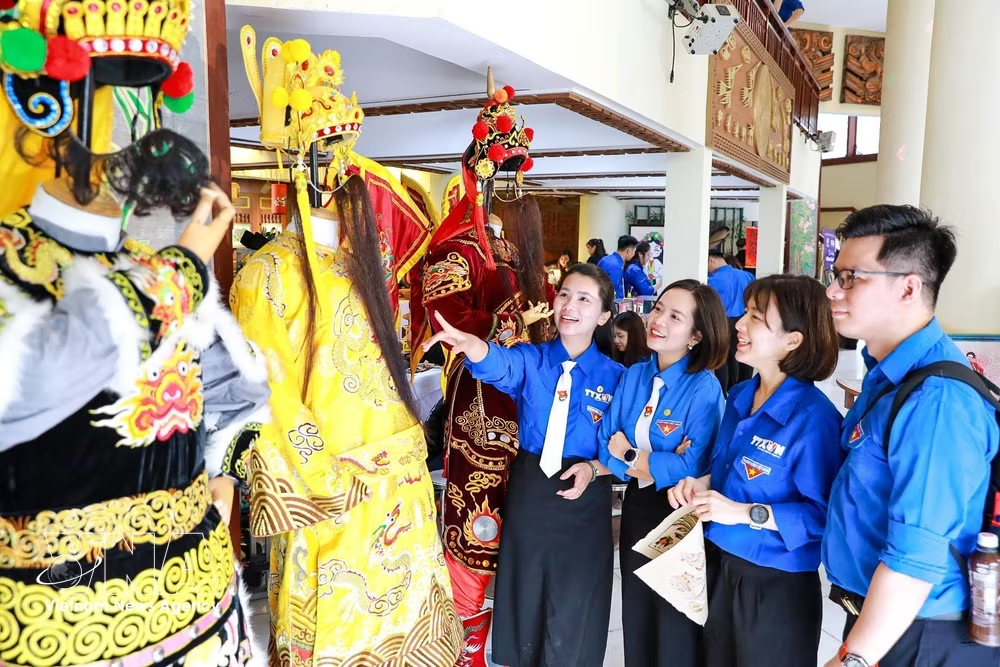
Competing through identity, soft power
Across Asia, the Republic of Korea has built global influence through K-pop, cinema and entertainment platforms, while Japan has established its cultural brand through anime, manga and popular culture.
Vietnam now faces a similar opportunity to transform its rich cultural heritage into a new source of soft power. The challenge is not simply producing more cultural products, but creating works that embody Vietnamese identity and are capable of telling Vietnam’s stories to the world.
Prof. Dr Trinh Sinh believed that the country’s tangible and intangible cultural heritage remains the core value that must be preserved throughout this process.
He cited the Dong Son bronze drum as a cultural symbol that has moved beyond archaeology to become an enduring presence in national institutions, cultural products and diplomatic activities.
According to him, digitising, preserving and promoting such heritage is not only about safeguarding national memory but also about turning cultural assets into resources for the cultural industries and national soft power.
Many cultural experts argued that, as AI, algorithms and digital technologies reshape society, what nations must preserve is not only physical heritage but also the ability to define their own identity and value systems.
The greatest challenge today lies not in the rapid spread of global cultural trends, but in the fact that Vietnam has yet to fully articulate and communicate the core values that underpin its cultural identity.
In this sense, Resolution No. 80-NQ/TW is not merely a policy on cultural development. It also provides a strategic framework for developing people, strengthening national identity and enhancing competitiveness in the digital era. Building a modern, culturally rich ecosystem rooted in Vietnamese identity will be essential to the country’s sustainable development and deeper integration into the world./.