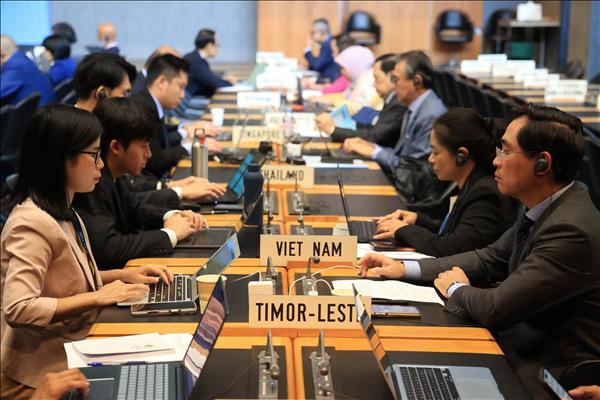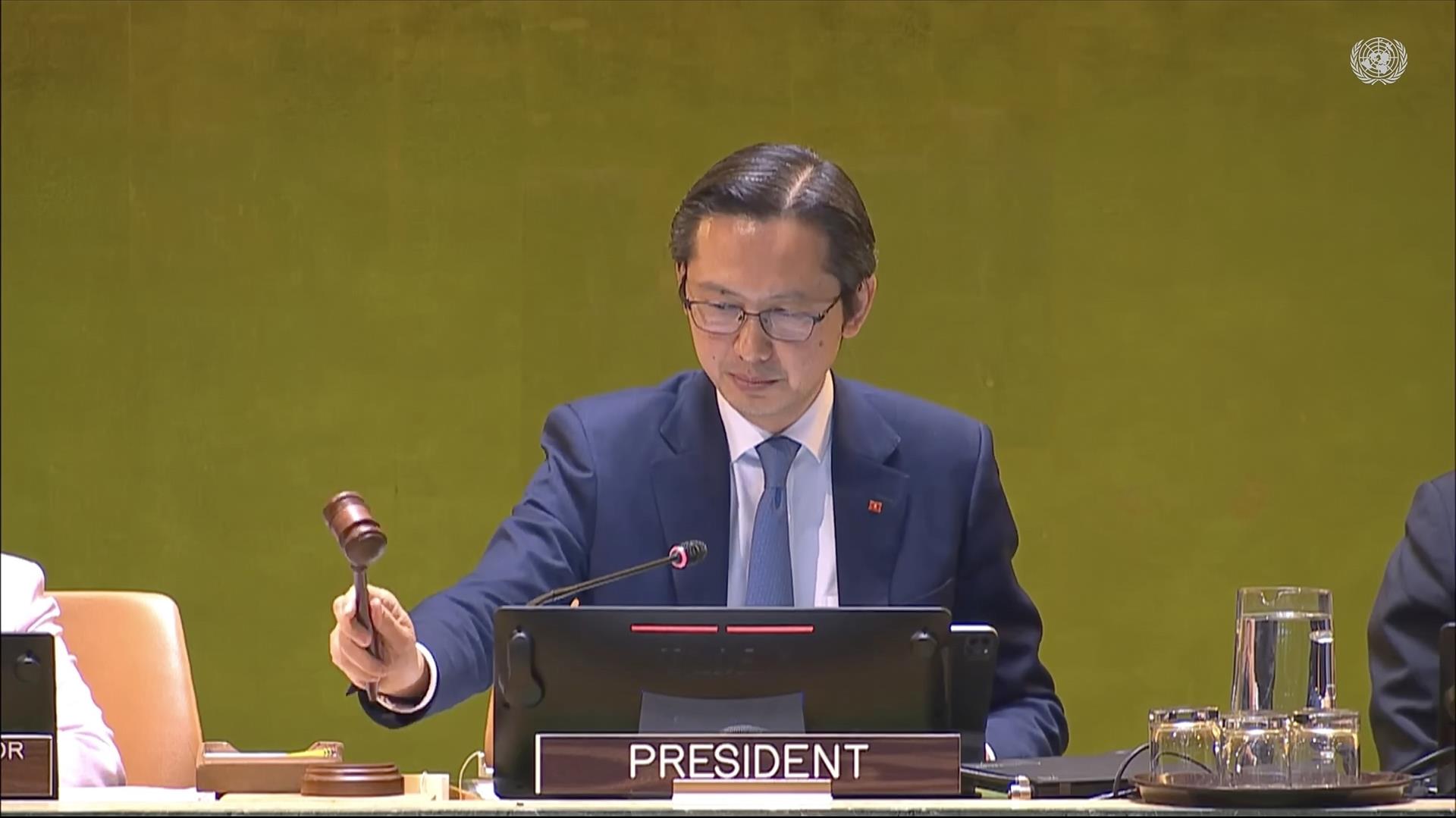
Vietnam’s chairing of the 11th Nuclear Non-Proliferation Treaty (NPT) Review Conference, held in New York from April 27 – May 22, delivered a forceful display of steady stewardship, inclusive approach, and relentless bridge building that drew broad international praise, even as the talks failed to produce a final document.
Delegations widely called Vietnam’s leadership the standout feature of the four-week process, cementing the image of a nation flexing growing capability, credibility, and diplomatic maturity in major United Nations affairs and broader international issues.
In his closing remarks, Vietnamese Ambassador Do Hung Viet, President of the conference, described the final draft document as the “best possible effort” to fully reflect differing views on the NPT’s three pillars, including nuclear disarmament, nuclear non-proliferation, and the peaceful use of nuclear energy.
Four successive drafts were revised and updated in response to member states’ proposals, Viet noted, while candidly conceding that the gathering was “not in a position to achieve consensus” on substantive issues. Against a backdrop of growing international divisions, Vietnam’s chairmanship was widely viewed as calm, candid, and constructive, embodying the qualities of a responsible multilateral moderator.
An Austrian official said Vietnam “steered the ship” through difficult conditions with notable skill, crediting its transparency and openness with sustaining a constructive dialogue.
ASEAN representatives expressed sincere gratitude for Vietnam’s steady leadership and tireless efforts in driving inclusive consultations, drafting texts, and seeking common ground, a salute not only to Viet personally but to Vietnam’s sophisticated, balanced, and professional coordination inside one of the UN’s most complex multilateral forums.
The Non-Aligned Movement, African and Arab groupings, and a wide sweep of Asian, Latin American, and European delegations likewise commended Vietnam’s consultative and inclusive approach, fairness, independence, and patience.
Egypt spotlighted the chair’s broad outreach, constructive spirit, objectivity, and striking creativity in navigating the negotiations, calling it a showcase of the very best of multilateral diplomacy.
Kazakhstan, speaking for Central Asian states, voiced deep appreciation for Vietnam’s dedicated, patient, and tireless leadership, calling it essential to keeping dialogue alive amid sharp disagreements. New Zealand labeled the effort “Herculean”.
Switzerland, Thailand, Germany, the European Union, the Vatican, and a range of Western nations echoed the praise for Vietnam’s persistence in preserving dialogue, maintaining balance among parties, and injecting greater transparency into the treaty review.
Beyond the accolades for chairing capacity, Vietnam was increasingly viewed as a positive model of modern multilateral diplomacy: calm, open-minded, flexible yet principled, and ready to listen to all sides, including sharply opposing ones. Delegates cast that as a meaningful achievement inside a deteriorating international security landscape marked by rising geopolitical tension, declining strategic trust, and growing nuclear risk.
Vietnam’s biggest win at the conference was projecting itself as a responsible member of the international community, a trusted intermediary, and a voice for peace, dialogue, cooperation, and international law. At a moment of deep global division, Vietnam’s performance reflected the Party and State’s consistent foreign policy of independence, self-reliance, multilateralisation, diversification, and active contribution to issues of shared human concerns, laying an important groundwork for the country to assume even larger roles in international mechanisms.
Overall, the 11th NPT Review Conference amounted to a test of Vietnam’s diplomatic leadership and coordination capability, which it passed with distinction. While it could not fully bridge the profound differences among member states, Vietnam succeeded in preventing deadlock, preserving the seriousness of the conference, and earning wide international respect and recognition, a result that further cements the rising stature of Vietnamese diplomacy on the global stage./.