Vietnam and the Czech Republic will strengthen exchanges of experience and promote cooperation between their parliamentary bodies and Fatherland Front organisations, helping consolidate the strategic partnership between the two countries.
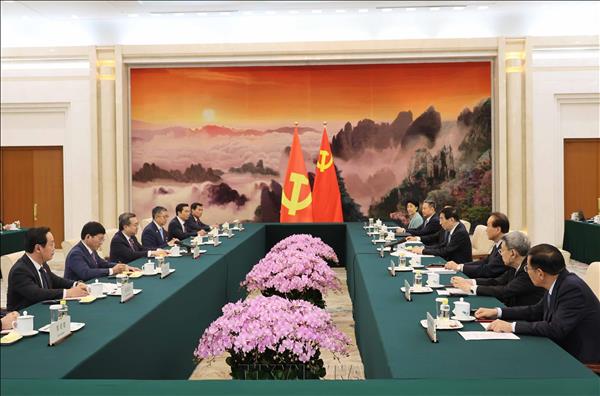
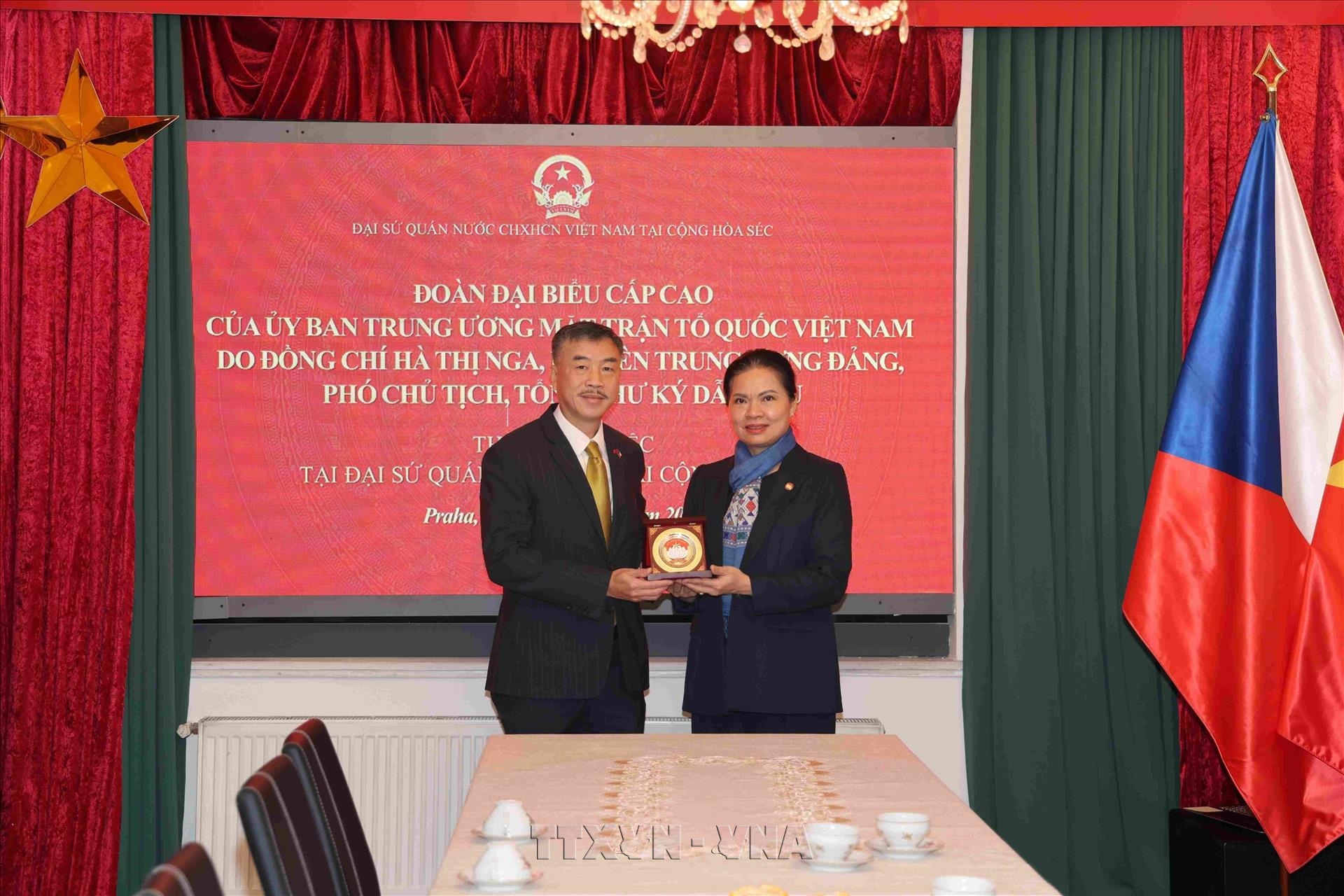
The issue was discussed at a meeting on November 2 between Czech Chamber of Deputies Deputy Speaker Patrik Nacher and a delegation from the Central Committee of the Vietnam Fatherland Front (VFF), led by Ha Thi Nga, member of the Party Central Committee and Vice President and Secretary-General of the VFF Central Committee.
At the meeting, Nacher said bilateral trade reached 5.2 billion USD in 2025 and is expected to approach 7 billion USD in 2026. He spoke highly of the role played by the Vietnamese community in the Czech Republic, with around 39,000 people officially recognised as members of the country’s ethnic minority community. The participation of Vietnamese representatives in the Council for National Minorities, together with cultural and sporting activities, has helped strengthen people-to-people ties between the two countries.
For her part, Nga highlighted the positive development of Vietnam-Czech Republic relations since the two countries upgraded their ties to a strategic partnership in 2025. She expressed her wish for the VFF and its counterpart bodies under the Czech Chamber of Deputies to step up exchanges of experience in legislative work, receiving and addressing voters’ petitions, supervision and social governance. She also proposed organising thematic seminars and exchanges, either in person or online.
Regarding the Vietnamese community in the Czech Republic, Nga called on the Czech Parliament and Government to continue creating favourable conditions for Vietnamese people to settle, work and integrate into local society. She also proposed considering the reinstatement of quotas for Vietnamese workers, facilitating visa procedures and promoting air connectivity to boost people-to-people exchanges, tourism and economic cooperation.
Responding to these proposals, Czech Chamber of Deputies member Denis Doksanský said lawmakers would consider ways to promote the reopening of quotas for Vietnamese workers. Regarding students, the Chamber’s Foreign Affairs Committee would work with the ministries of the interior and education to consider increasing the number of Vietnamese students coming to study in the Czech Republic. He affirmed that the Czech Republic wished to expand cooperation with Vietnam, viewing the country as an important bridge to the Asian region.
Vietnamese Ambassador to the Czech Republic Duong Hoai Nam called on the host authorities to continue supporting the Vietnamese community and facilitating its members’ efforts to settle, work and integrate, particularly those who do not yet hold Czech citizenship and mainly reside in the country on a long-term basis.
The ambassador also proposed that the Czech side consider changing the designated use of an agricultural plot jointly owned by Saparia Trading Joint Stock Company and the Vietnam Buddhist Shangha to allow the construction of a Vietnam Cultural Centre in the Czech Republic, incorporating facilities for religious activities to meet the community’s cultural and spiritual needs. He further suggested studying visa exemptions for holders of Vietnamese official passports to facilitate delegation exchanges.
According to the ambassador, the Vietnamese Embassy plans to meet with the Czech Ministry of the Interior on November 11 to discuss visa-related issues.
The proposals come as Prime Minister Andrej Babis is expected to visit Vietnam in early December 2026, while Chamber of Deputies Speaker Tomio Okamura is scheduled to make a private visit in January 2027./.