The Ho Chi Minh National Academy of Politics, in coordination with the UN Development Programme (UNDP) in Viet Nam and the Canadian Embassy in Vietnam, held a workshop in Hanoi on September 15 on advancing gender equality in the public sector amid the restructuring and streamlining of the political system.
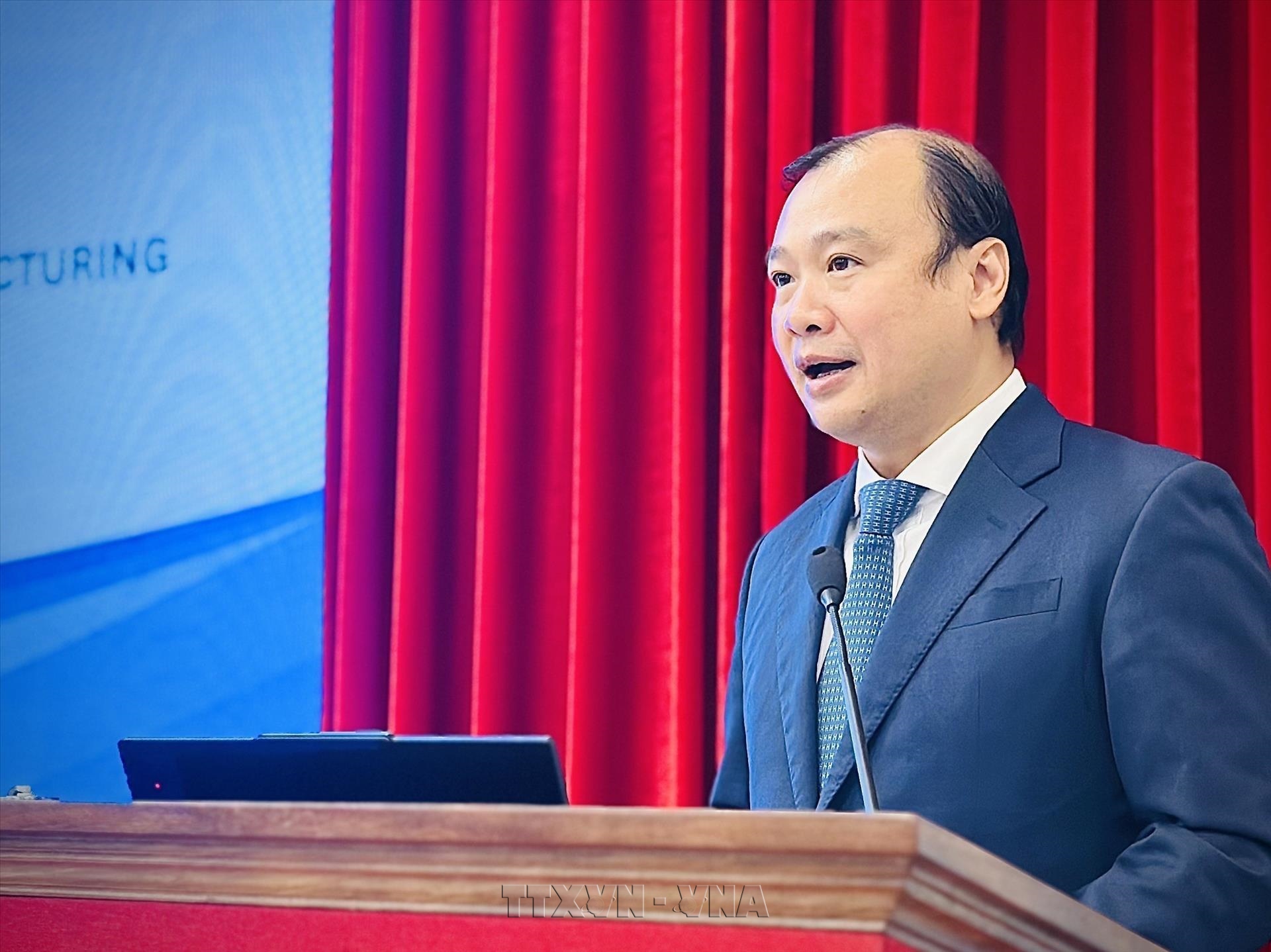
Addressing the event, Assoc. Prof. Dr. Le Hai Binh, member of the Party Central Committee and Standing Vice President of the academy, said Viet Nam is undertaking large-scale reforms to improve the efficiency and effectiveness of the political system.
Ensuring gender equality and promoting women’s participation are essential to the quality of national governance and human resource development, he said, stressing that a modern civil service must provide equal opportunities for cadres, civil servants and public employees to develop and assume leadership and management positions based on their competence and qualities.
Binh said organisational restructuring presents an opportunity to review personnel standards, procedures and working methods. If gender considerations are integrated into the process, it can help remove long-standing barriers, make better use of female talent and build a fairer and more accountable working environment.
He warned that the absence of sex-disaggregated data and gender impact assessments could exacerbate disadvantages faced by women, urging participants to identify impacts and propose measures linking gender equality with the quality of public service delivery.
Canadian Ambassador to Vietnam Jim Nickel said the workshop took place at a pivotal time as Vietnam implements major reforms to modernise public agencies. Administrative reform should enhance not only operational efficiency but also inclusion and equal opportunities, he said.
Nickel noted that women account for more than 30% of National Assembly deputies and 30% of provincial-level People’s Council deputies. However, representation alone is insufficient, he said, calling for greater opportunities and support networks for female leaders to participate effectively in policymaking.
UNDP Resident Representative in Viet Nam Ramla Khalidi said the transformation of Viet Nam’s public sector is among its most extensive reforms and should ultimately focus on people, ensuring that the voices and perspectives of different social groups are reflected in policymaking.
She said global experience shows that public institutions reflecting society’s diversity operate more effectively and sustainably and are better equipped to address complex challenges. Gender equality should therefore be an integral part of institution-building and efforts to harness women’s leadership potential.
The workshop also heard a report by the academy’s Institute for Human Rights under the academy on the impact of political-system restructuring on women’s participation and gender equality mechanisms in the public sector.
The study covered Hai Phong, Bac Ninh, Phu Tho and Can Tho, involving 125 survey respondents, 48 in-depth interviews and 22 group discussions at 26 agencies and localities. It found that streamlining exceeded 60% across all three administrative levels, including a 63.6% reduction in provincial-level units, the abolition of 100% of district-level units and a 67.5% reduction in commune-level units.
Dr. Luong Thu Hien, Deputy Director of the Institute for Human Rights, said women took early retirement under Decree 178 between 1.7 and five years earlier than men. The proportion of female leaders tended to decline at the provincial level but increase among deputy, departmental and commune-level positions.
The research team proposed mandatory “gender checkpoints” before personnel plans are approved, stronger committees for the advancement of women, data-driven human resource management and flexible and remote working arrangements to support female officials./.