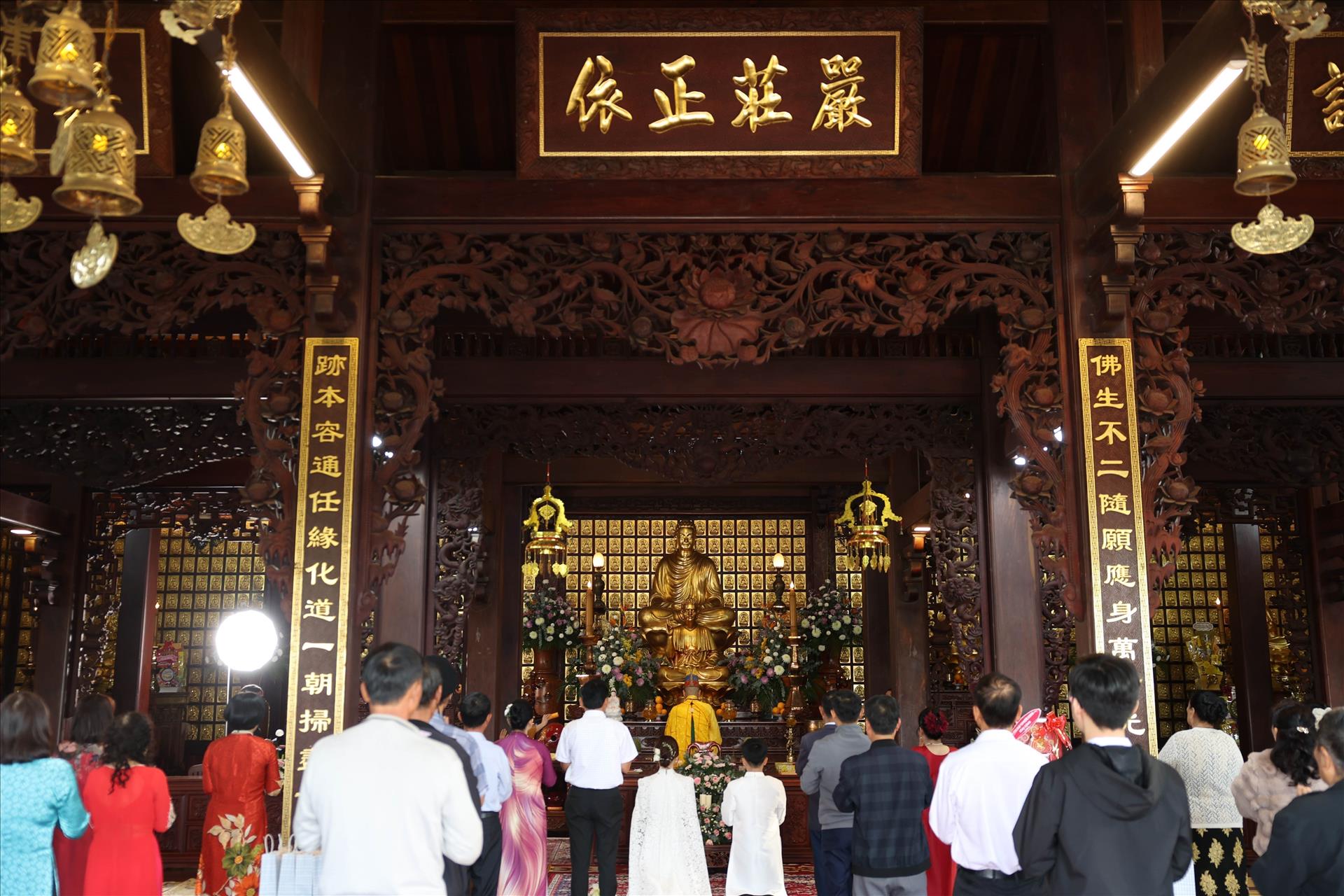
Khai Doan Pagoda was the first Buddhist temple constructed during the Rejuvenation Era of Buddhism in Vietnam’s Central Highlands. It was also the last pagoda in the country to be granted a royal decree (Sac Tu)—a distinction that underscores its historical and spiritual significance.
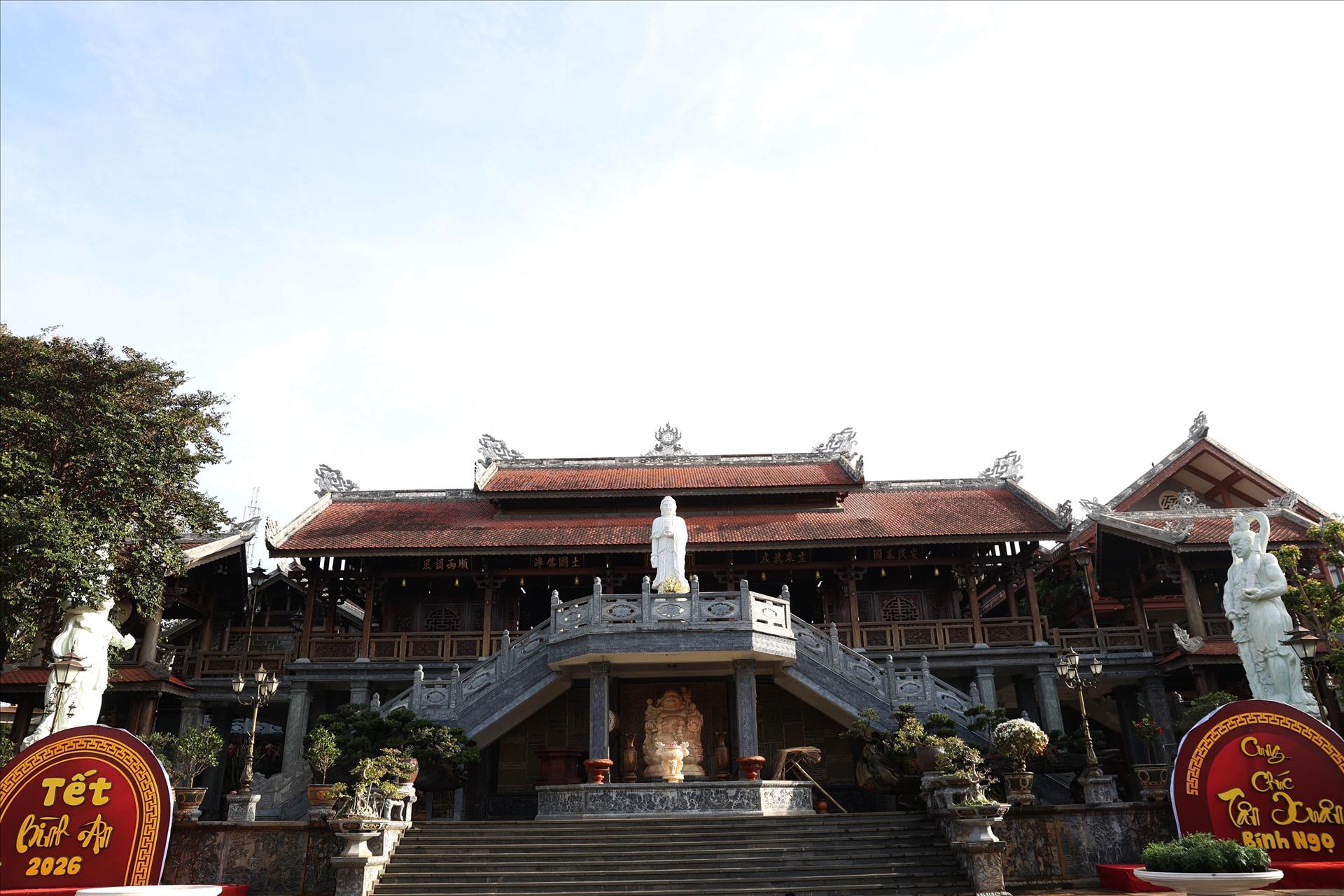
Khai Doan Pagoda was the first Buddhist temple constructed during the Rejuvenation Era of Buddhism in Vietnam’s Central Highlands. It was also the last pagoda in the country to be granted a royal decree (Sac Tu)—a distinction that underscores its historical and spiritual significance.
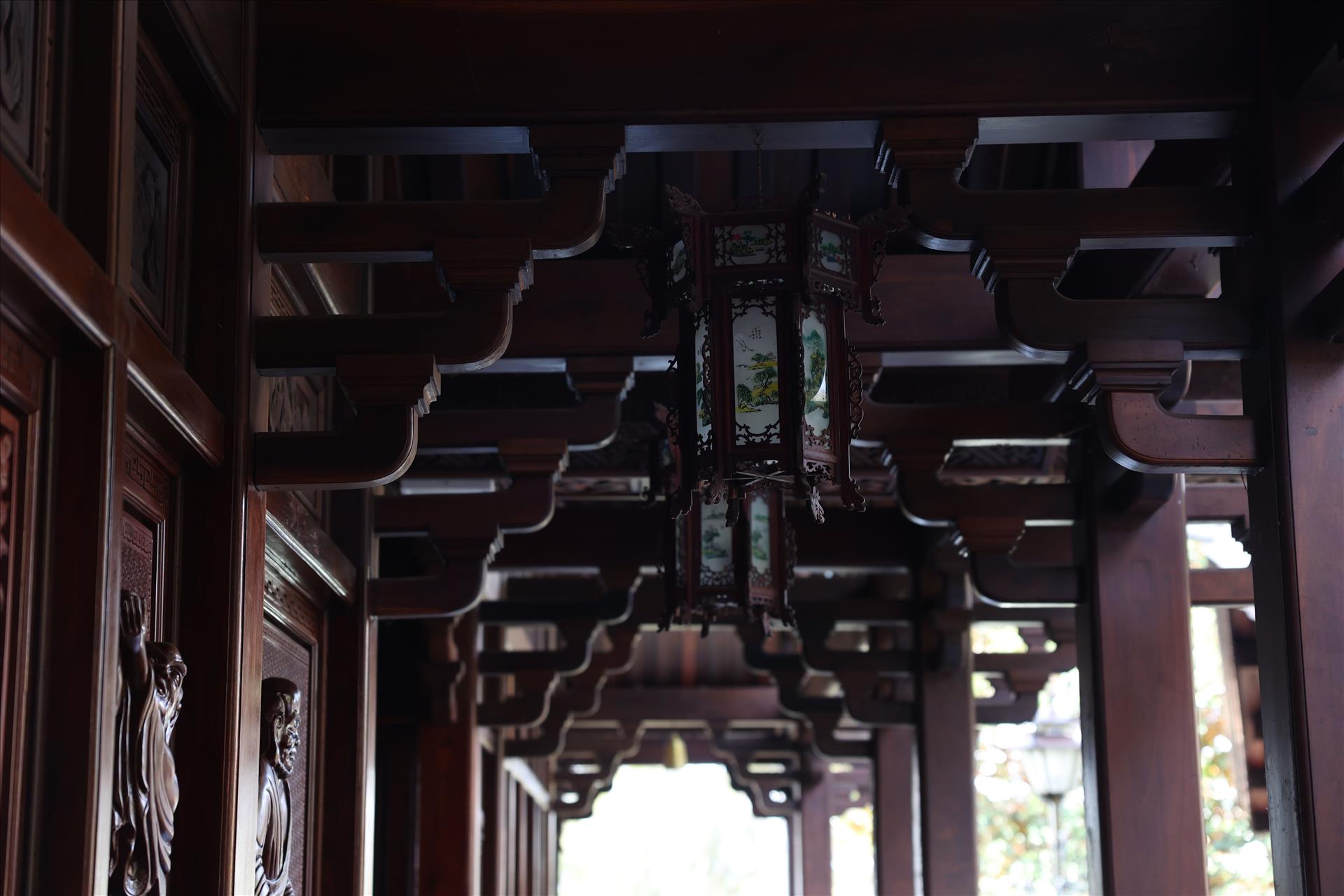
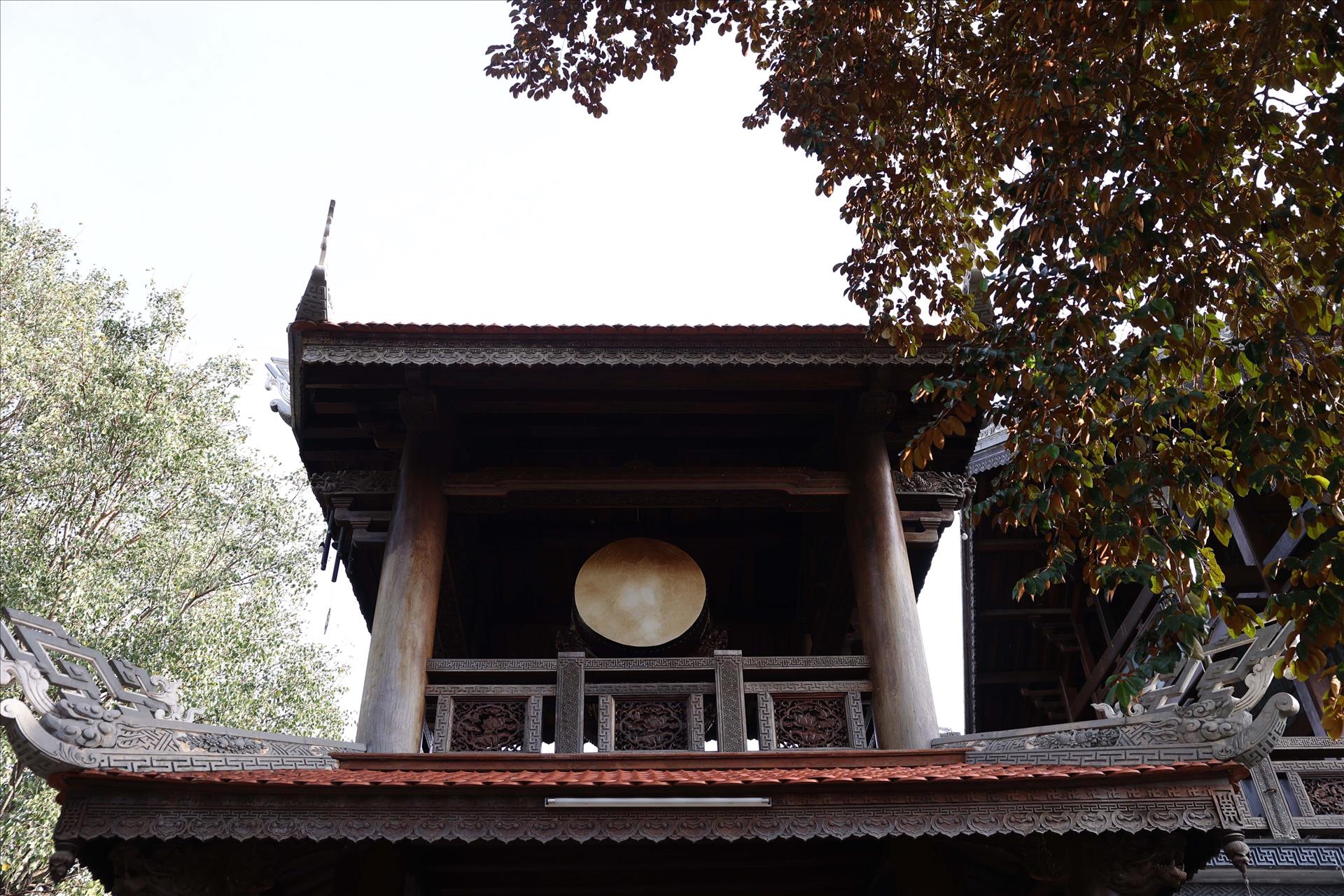
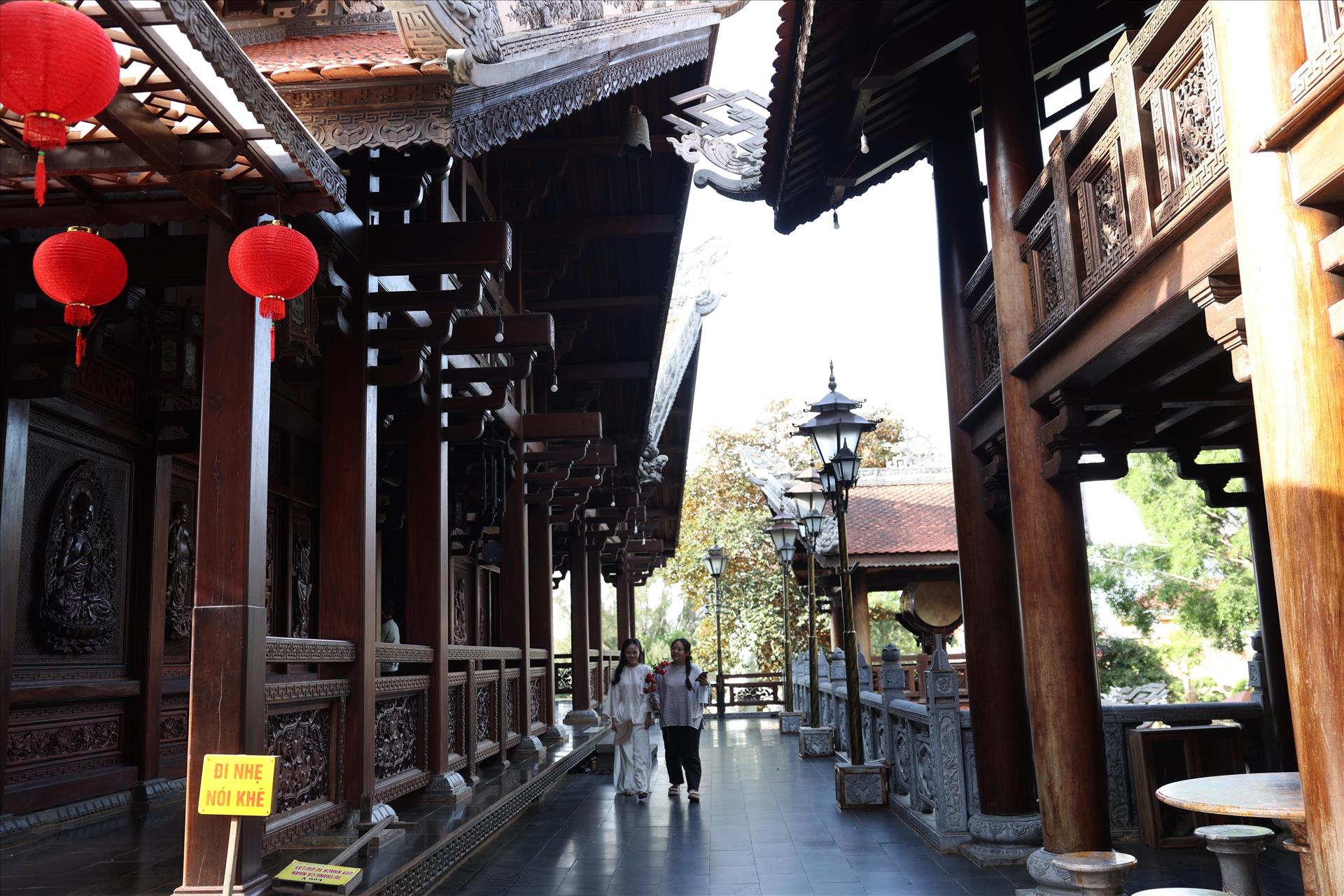
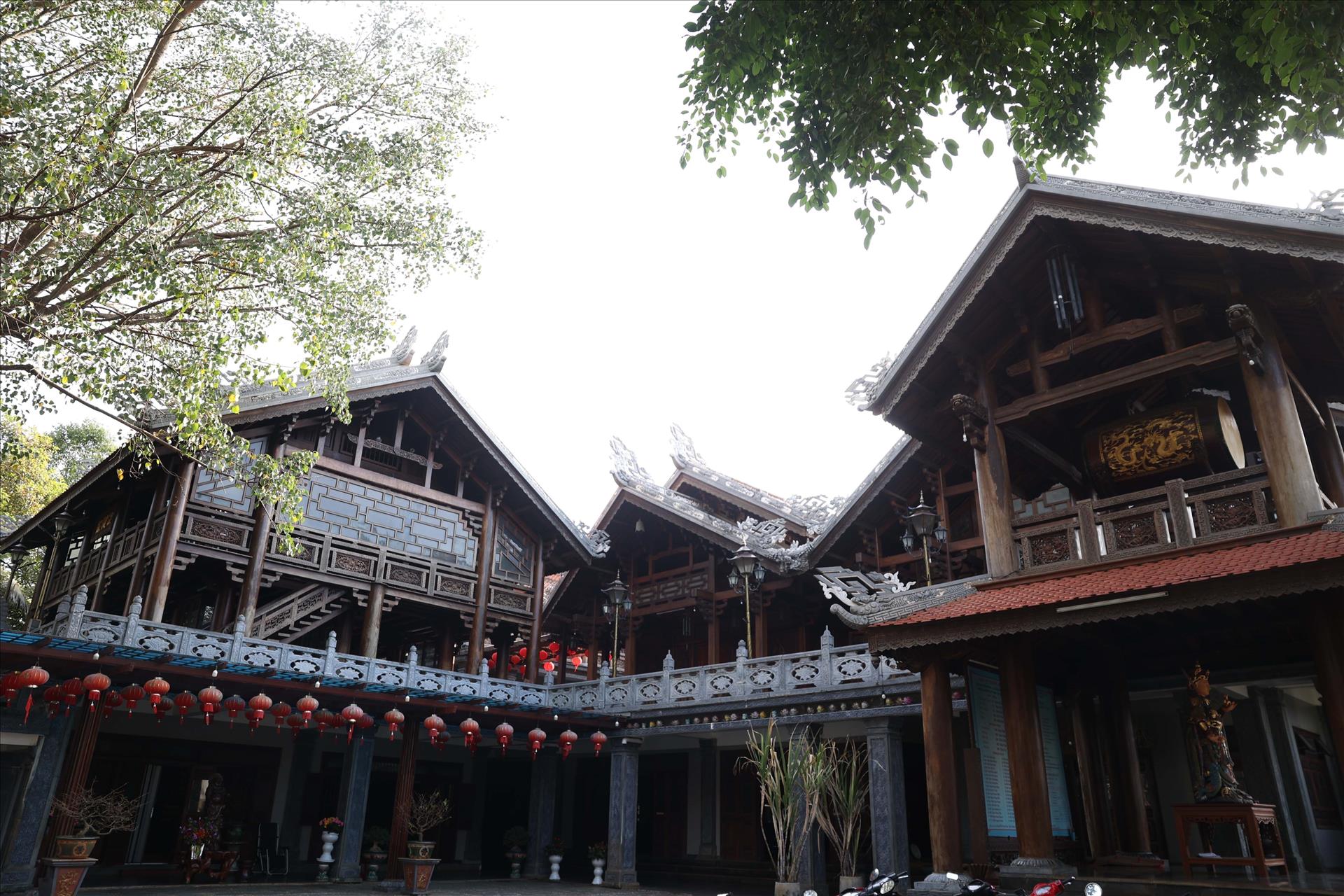
Today, the pagoda stands as a prominent cultural and tourist landmark in Buon Ma Thuot, Dak Lak Province. Visitors are drawn to its serene atmosphere and refined architectural detailing, which together create a contemplative yet visually striking setting.
Architecturally, Khai Doan Pagoda presents a harmonious synthesis of regional and imperial influences. Its structural design incorporates elements reminiscent of the traditional rong houses of Central Highlands ethnic communities, characterized by elevated forms and expansive roofs, while also reflecting the stately aesthetics of the Hue royal citadel. The result is a distinctive architectural ensemble that embodies both local cultural identity and the elegance of Vietnam’s royal heritage.
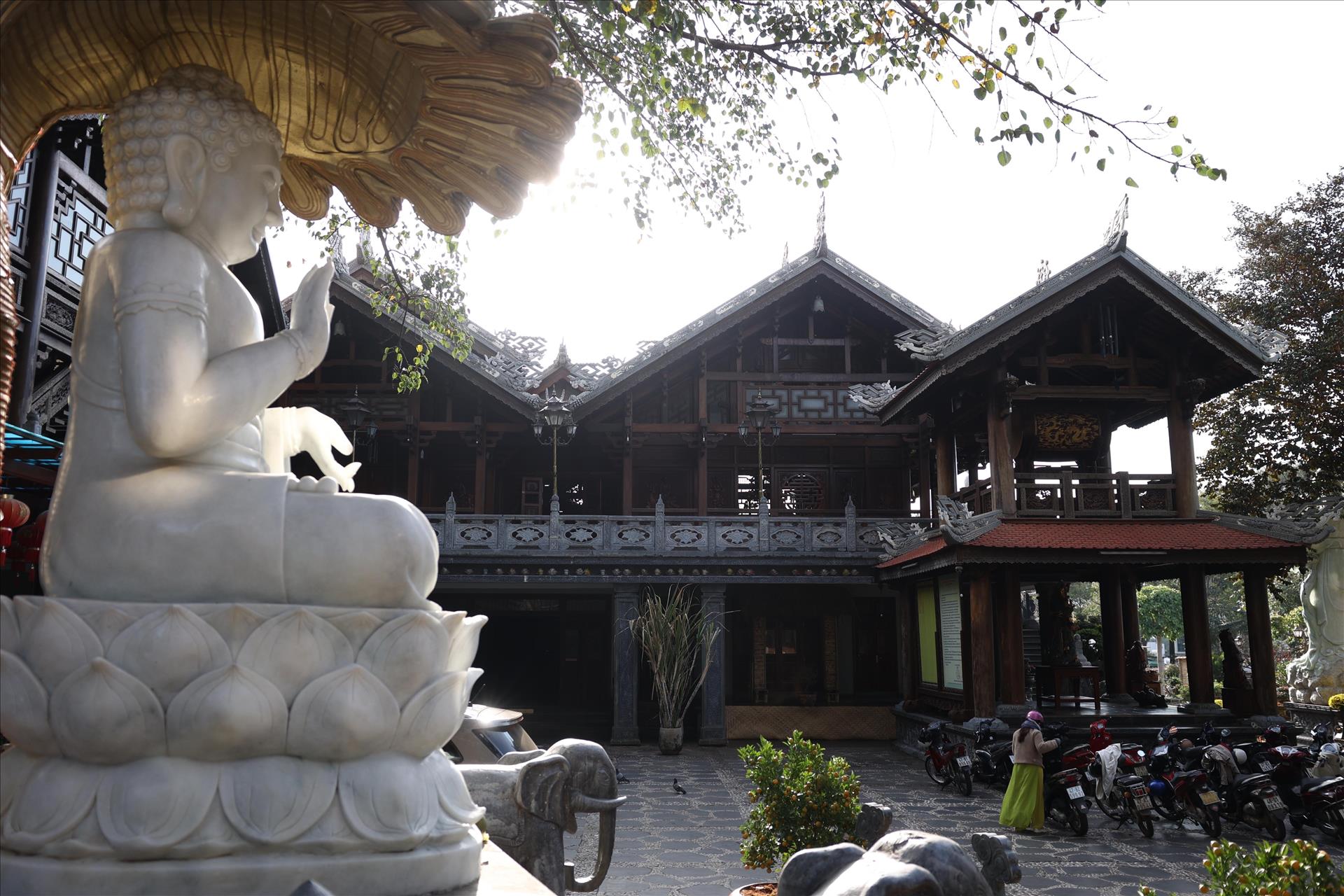
Khai Doan was the last pagoda to be honoured with a royal decree (Sac Tu) by the Nguyen dynasty in 1953. Photo: VNA