Vietnam In New Era
One Year On, Vietnam's Three-Tier Administration Model Delivers Major Governance Gains
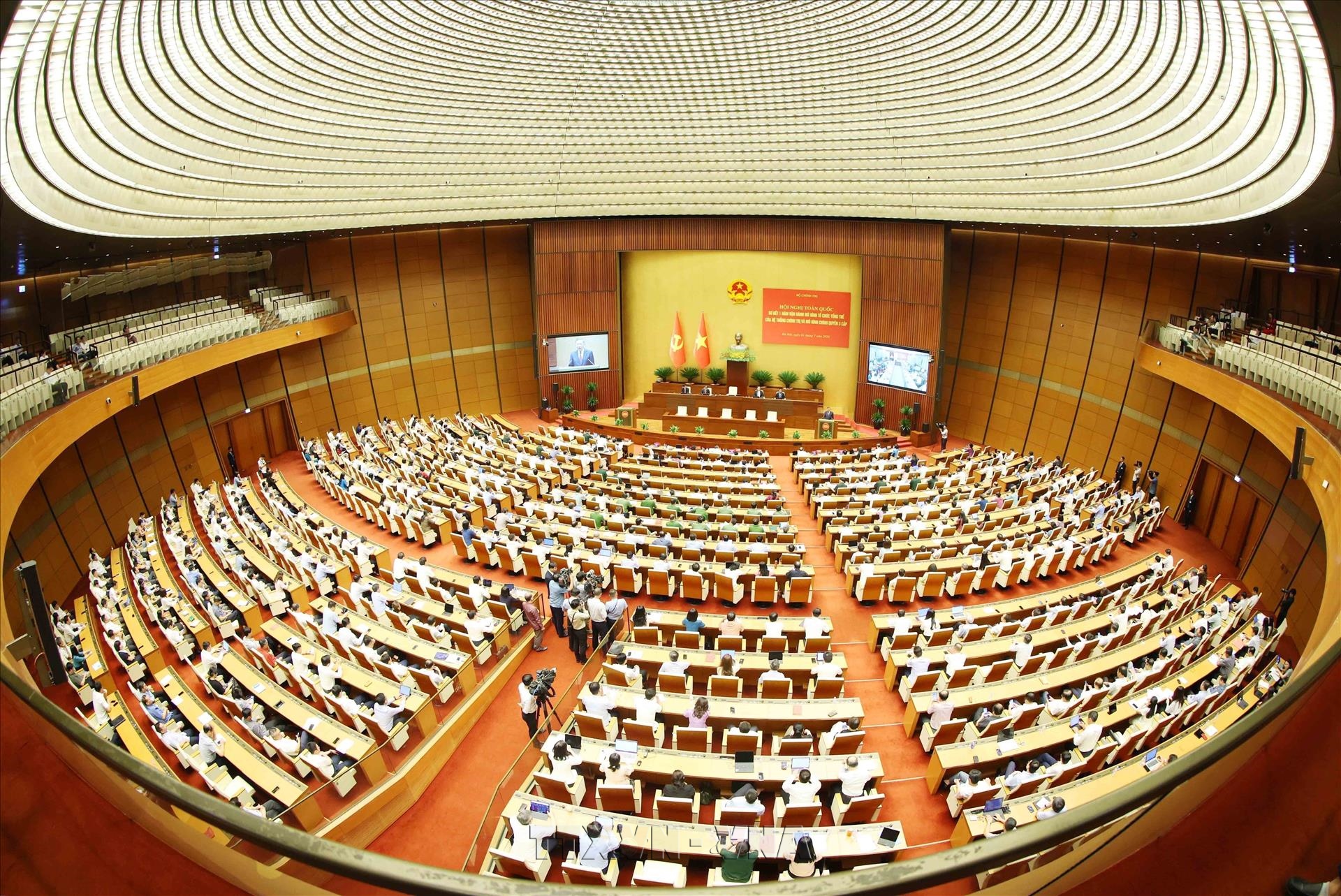
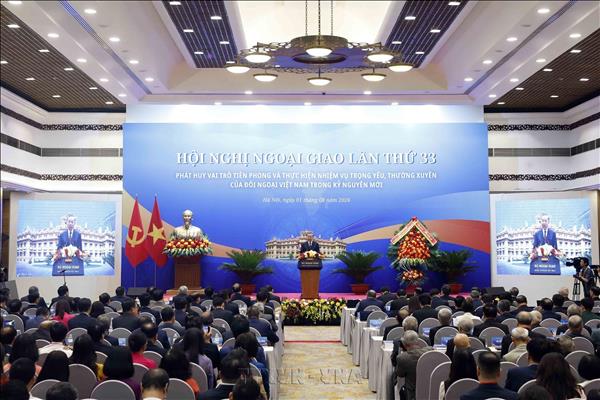
The conference, chaired by Party General Secretary and State President To Lam, reviewed one year of implementing the new organisational model of the political system and the three-tier administration model.
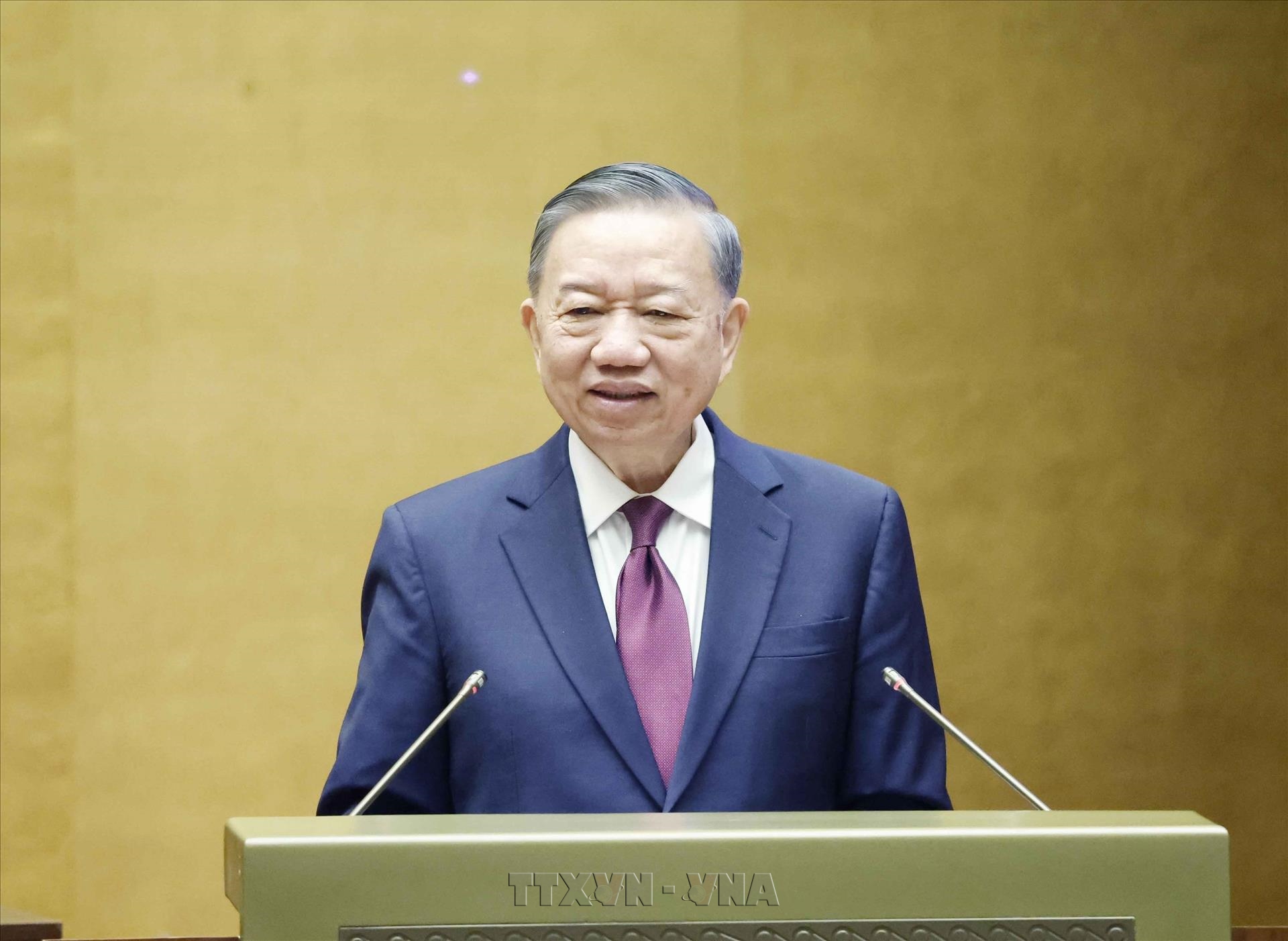
Addressing the event, Nguyen Duy Ngoc, Politburo member, Secretary of the Party Central Committee, Chairman of its Organisation Commission and head of the steering committee for the review, said the reform has marked a qualitative shift in national governance towards a more modern, efficient and service-oriented administration.
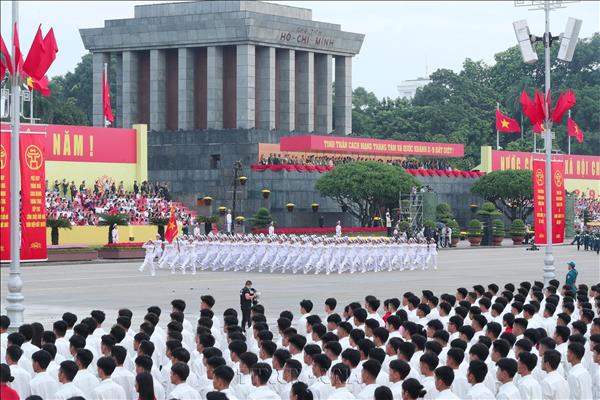
July 1, 2025 marked a historic turning point with the launch of a comprehensive reform of the organisational structure, officially transitioning to a three-tier administrative model comprising the central, provincial and commune levels.
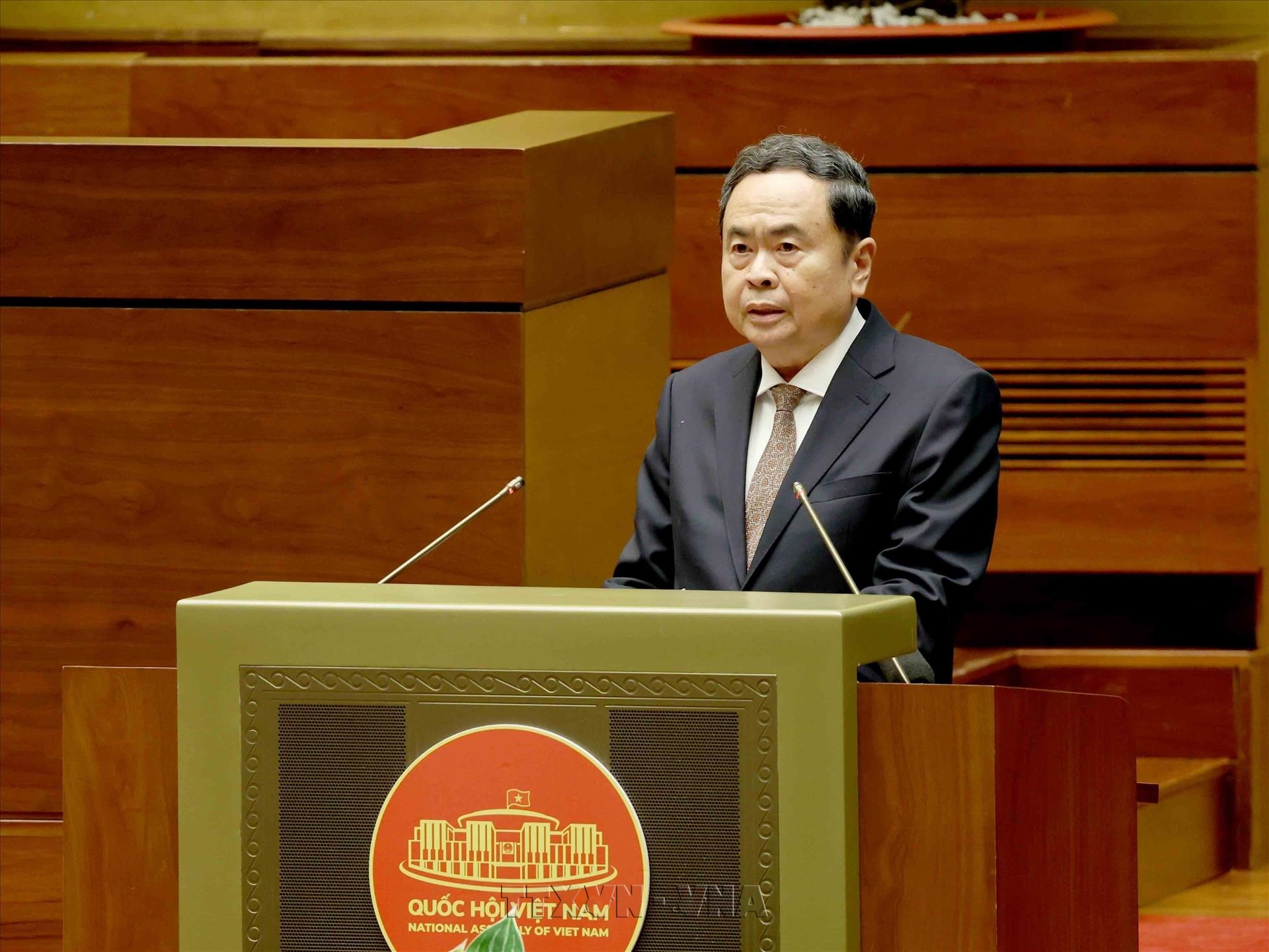
Ngoc emphasised that the implementation of the reform was carried out with determination of the Party Central Committee, the Politburo, the Secretariat, and Party committees at both the central and local levels.
He highlighted six major achievements of the past year.
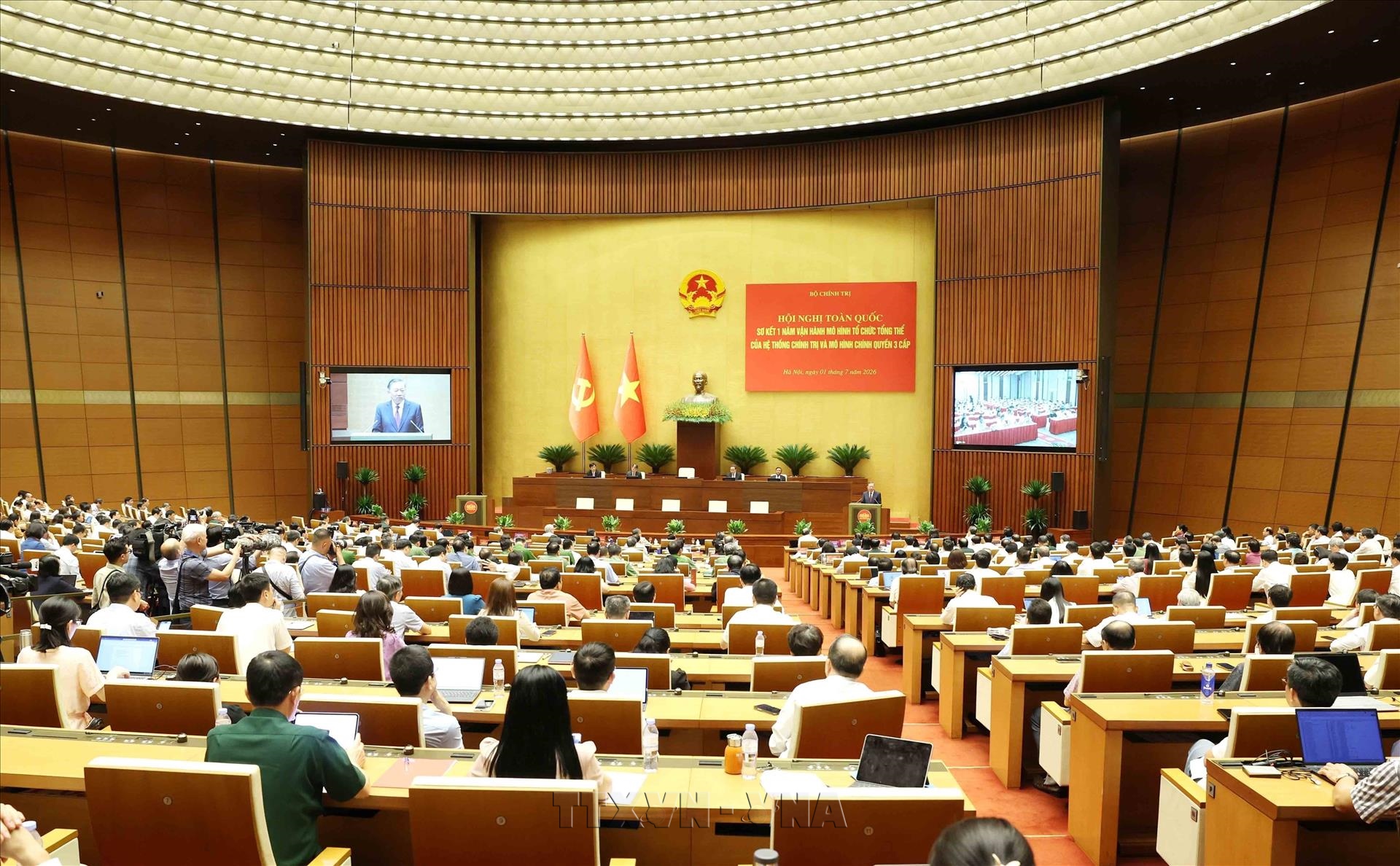
First, Party regulations and state legal documents were swiftly revised and issued in a comprehensive and coordinated manner, laying the groundwork for the smooth, efficient and effective functioning of the new administrative system.
Second, the restructuring and streamlining of the oranisational apparatus were carried out swiftly and in a coordinated and decisive manner, marking a strategic breakthrough toward a leaner political system. The reform has helped streamline the organisational structure, remove intermediate administrative layers and create new space for development.
Third, personnel arrangements were carried out alongside the reorganisation and streamlining of the administrative apparatus.
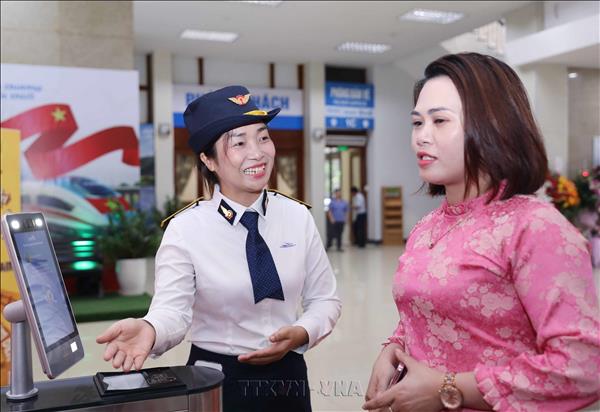
Fourth, administrative reform and digital transformation were accelerated across the entire political system to ensure the effective operation of the new model.
Fifth, the management of public finances and assets was implemented in a coordinated and timely manner to ensure the necessary resources for the smoothly and effective operation of the three-tier administration model.
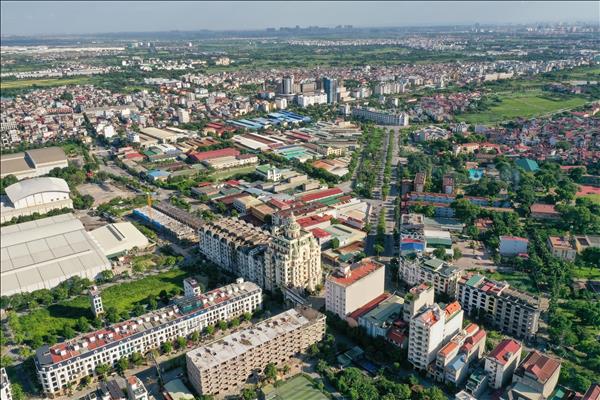
Sixth, this reform has helped drive socio-economic development and improve people's living conditions. Despite challenges related to natural disasters, economic fluctuations, and the enormous workload involved in the transition process, the new model has proven its effectiveness and created a new dynamic for development. Macroeconomic stability has been maintained, with major economic balances ensured.
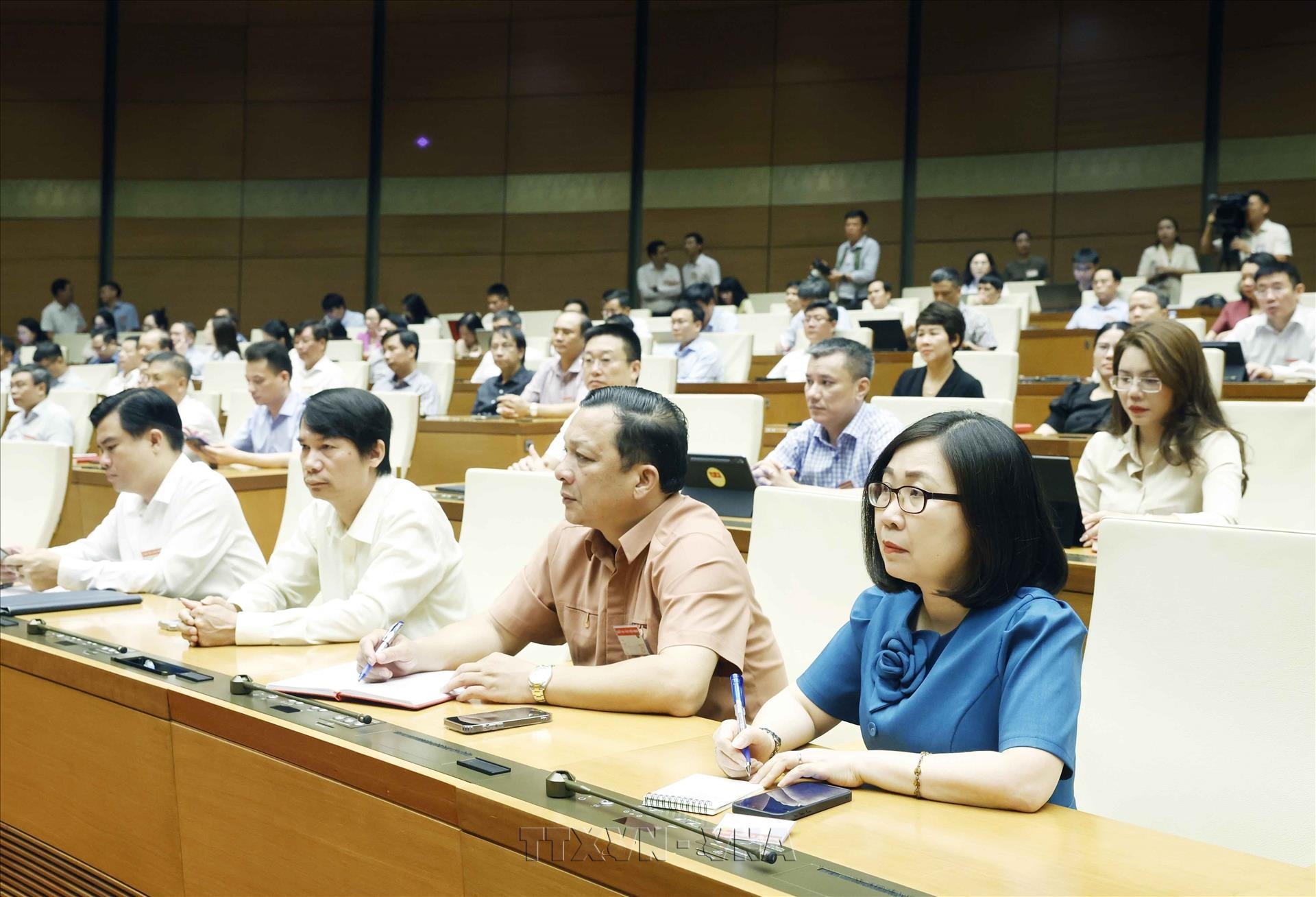
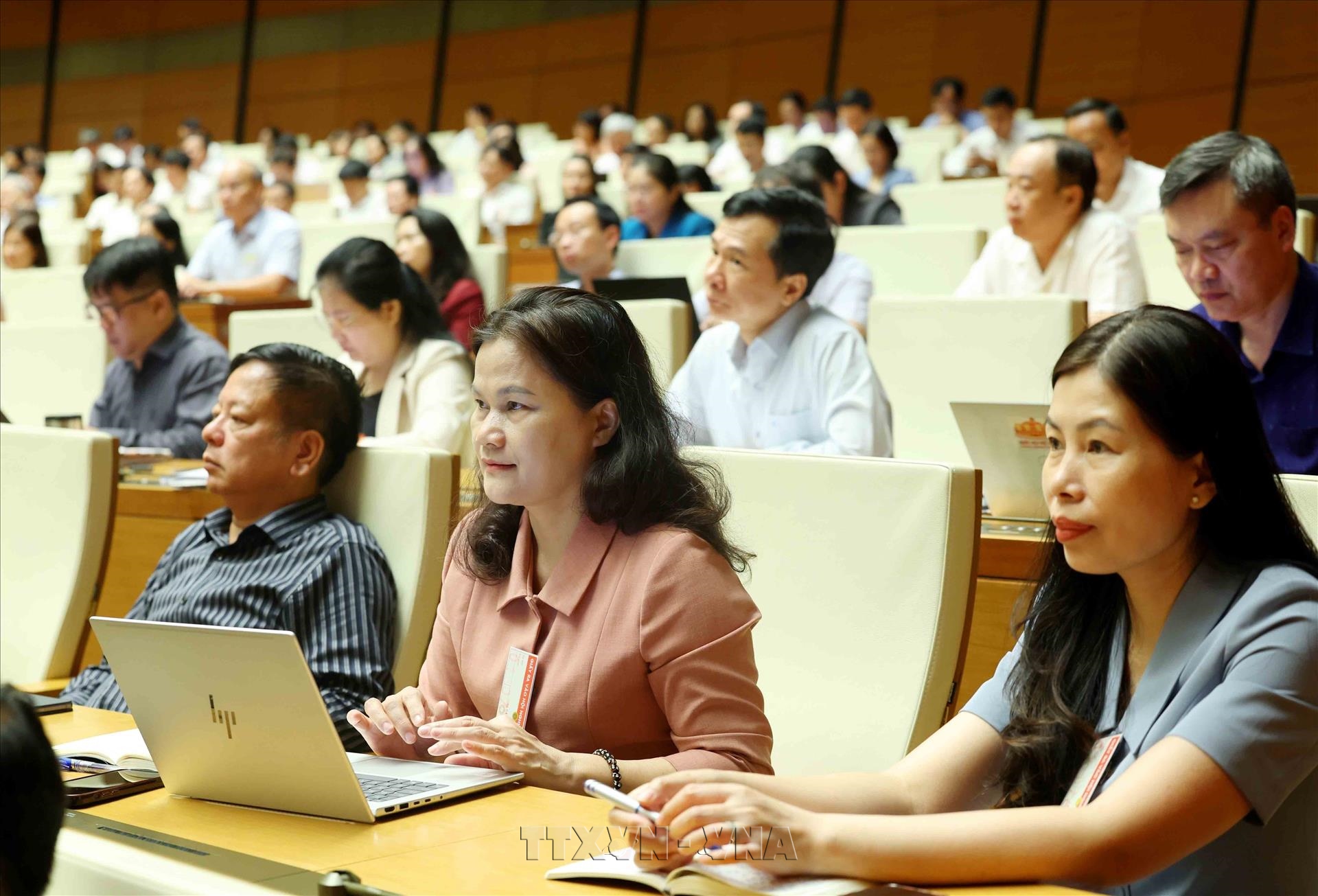
Ngoc emphasised that under the leadership of the Party Central Committee, the Politburo, and the Secretariat, headed by the Party General Secretary and State President To Lam, the reform aimed at streamlining the organisation of the political system has achieved significant results and received support from officials, Party members, and the public.
According to him, after one year of operation, the new model has demonstrated its advantages over the previous system, marking a step forward in both theory and practice, and a shift from administrative management to a development-oriented approach.
He further stated that the streamlining of the political system's apparatus had brought about profound transformations. He emphasized, however, that this reform is now entering a new phase aimed at further refining its operation to better serve citizens and businesses.
The streamlining of the organisational apparatus has brought major changes to the structure of the political system, he said. However, he emphasised the process does not end with the completion of the restructuring. The next phase requires continued refinement to improve efficiency and effectiveness, better serving citizens and businesses./.