
The People’s Committee of Lam Dong province has issued a plan to implement the master plan on developing the Mui Ne National Tourism Area through 2040, with a vision to 2050, aiming to transform Mui Ne into one of the leading destinations in the Asia-Pacific region.
Under the plan, relevant agencies are required to review, develop and adjust urban and rural planning schemes to ensure consistency with the two-tier local administration structure and the overall development orientation of the Mui Ne National Tourism Area. The adjustments must minimise disruption to ongoing investment projects while meeting progress and quality requirements.

The province will prioritise comprehensive infrastructure investment with a view to positioning Mui Ne as a top-tier tourism hub nationally and regionally.
Local authorities are requested to closely coordinate with central agencies to accelerate key national projects, including the North – South high-speed railway, the upgrade and expansion of Vinh Hao – Phan Thiet Expressway, construction of Phan Thiet – Bao Loc – Gia Nghia Expressway, and Phan Thiet Airport. These projects are expected to provide strong momentum for socio-economic development and significantly enhance Mui Ne's accessibility for domestic and international visitors.
Public-private partnership (PPP) models will be promoted to attract private resources for the construction and operation of socio-economic infrastructure.

Environmental protection and climate change response programmes and projects will be promoted. Besides, the province will facilitate investment in high-tech and environmentally friendly projects that align with local natural conditions, while drafting a roadmap to relocate polluting industrial, handicraft and service facilities currently operating within the tourism area.
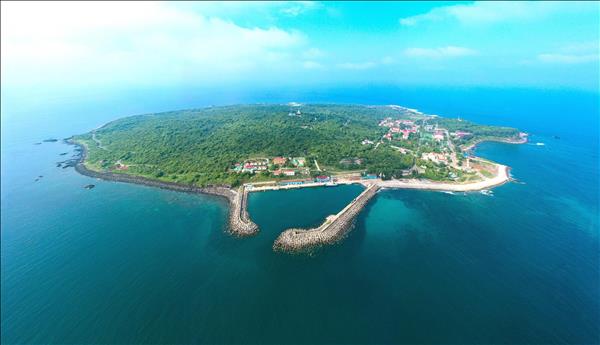
According to the master plan, the Mui Ne National Tourism Area will cover 14,760ha, encompassing Phu Thuy ward, Mui Ne ward, Hoa Thang commune and Phan Ri Cua commune. The development space is structured around the model of “one coastal corridor – three centres – multiple sea access points”. The 63-km coastal corridor will serve as the main axis linking landscapes, resorts, service centres, public spaces and beaches.
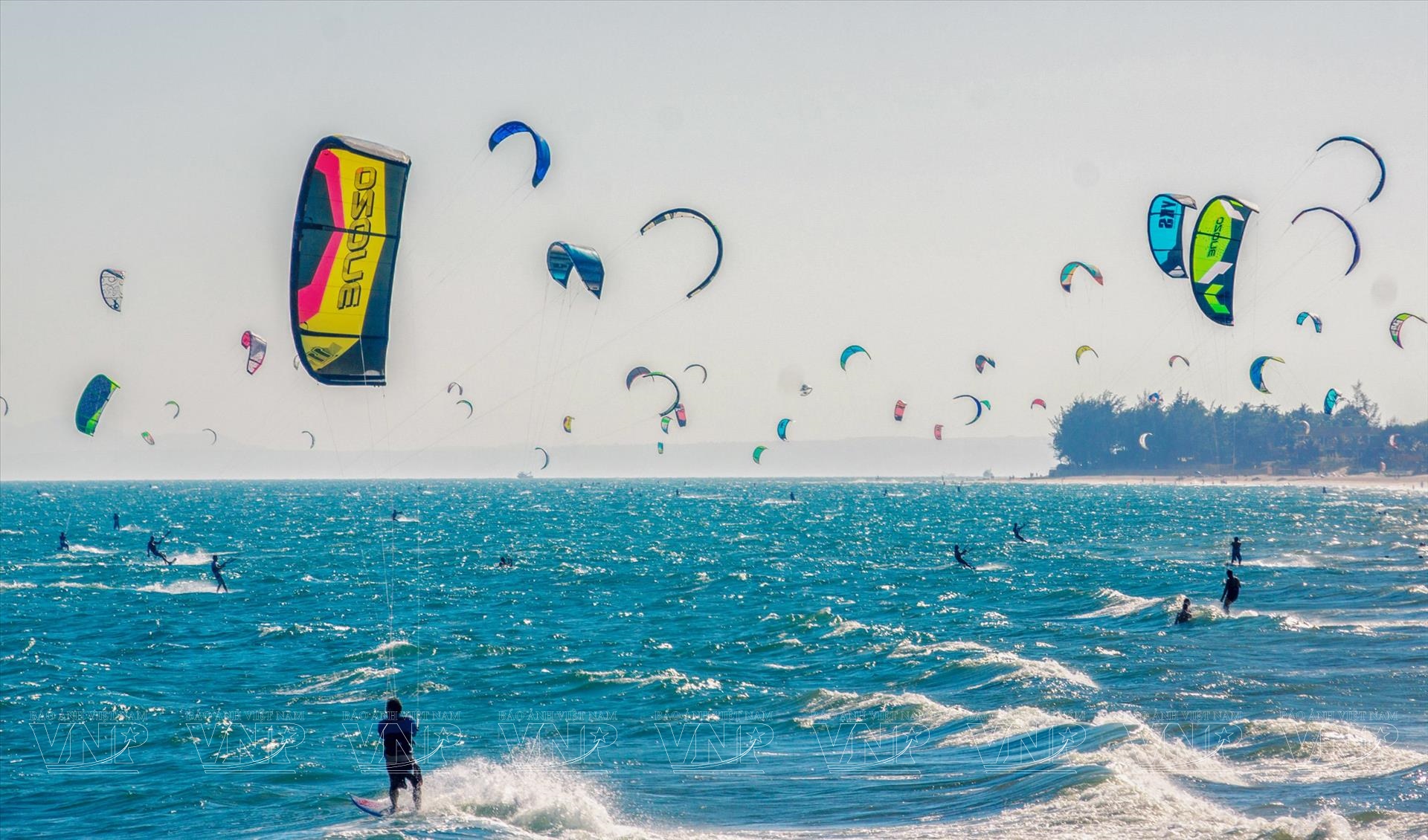
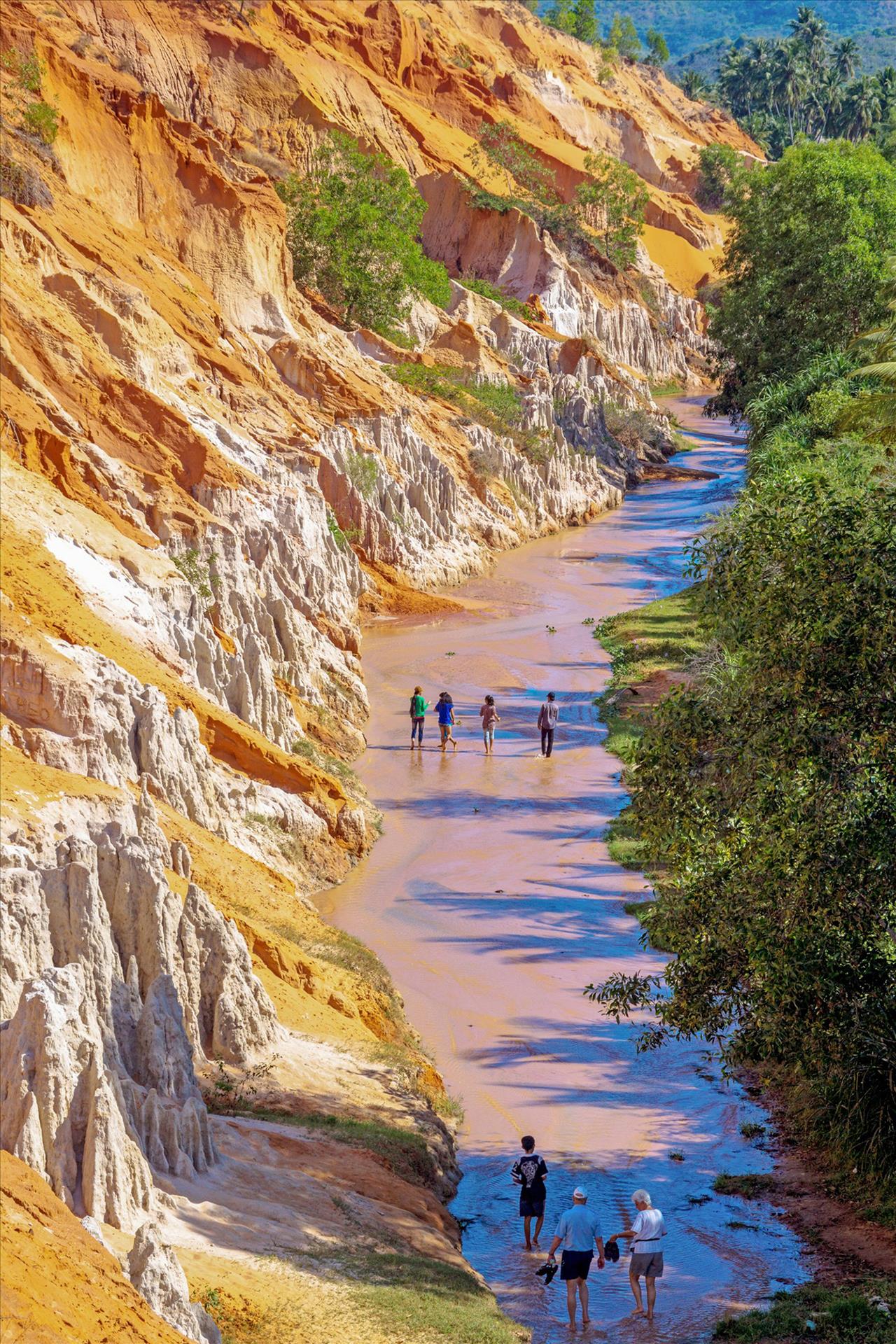
Three major tourism centres will be formed along this axis. The Phu Thuy – Mui Ne centre will function as the core area, focusing on high-end resorts, marine sports, marinas and conference facilities. The Hoa Thang centre will develop into a multi-functional entertainment hub based on local sand dunes and the Bau Trang scenic landscape, while the Phan Ri Cua centre will be oriented towards a coastal tourism city with a high-quality living environment for long-stay visitors and new urban residents.
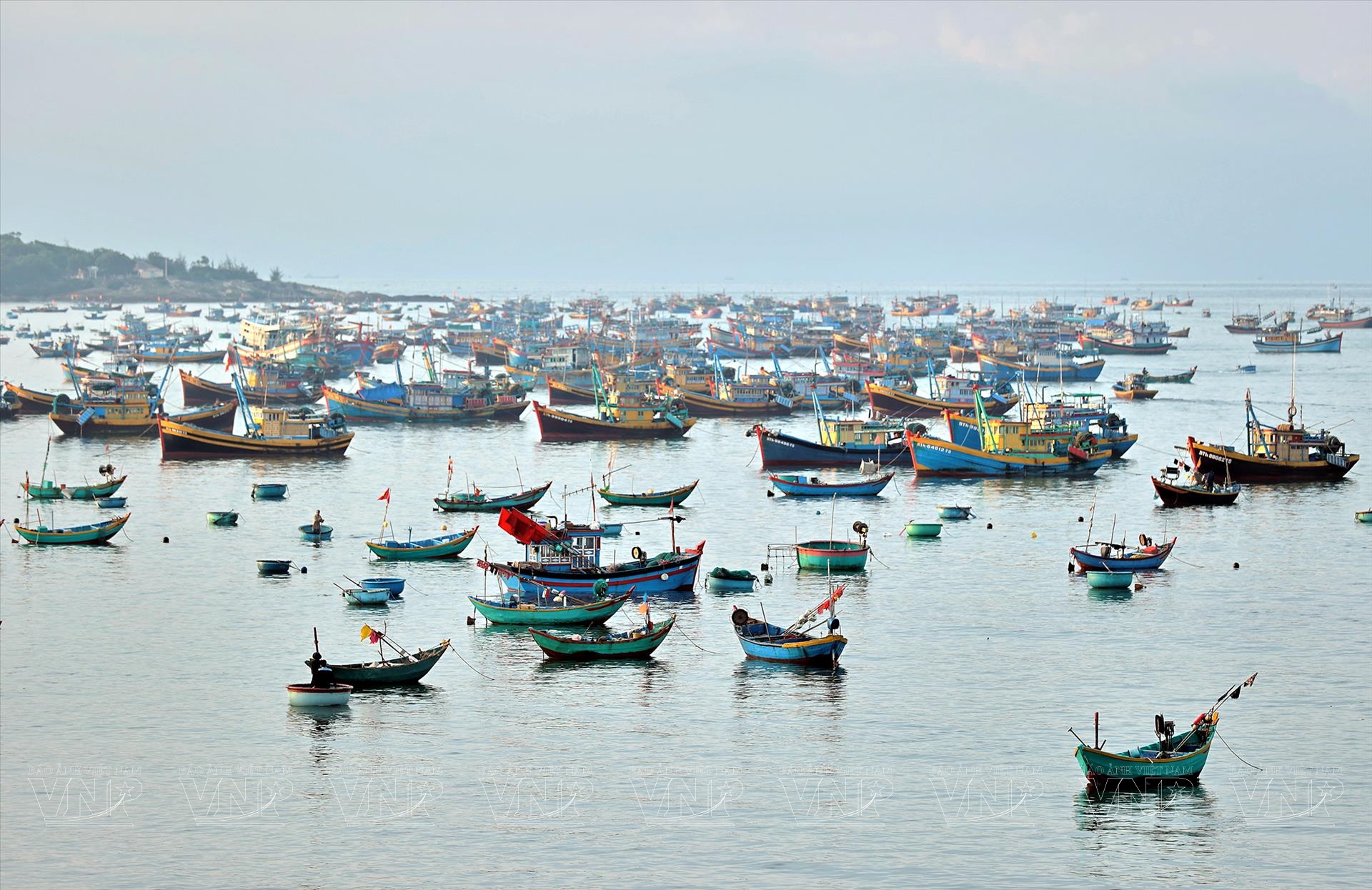
The plan implementation is expected to create a solid legal foundation and open up significant investment and development opportunities for Lam Dong. By 2030, the area’s population is projected to reach around 200,000, rising to 300,000 by 2040, while the visitor number is expected to increase to 14 million and 25 million, respectively./.