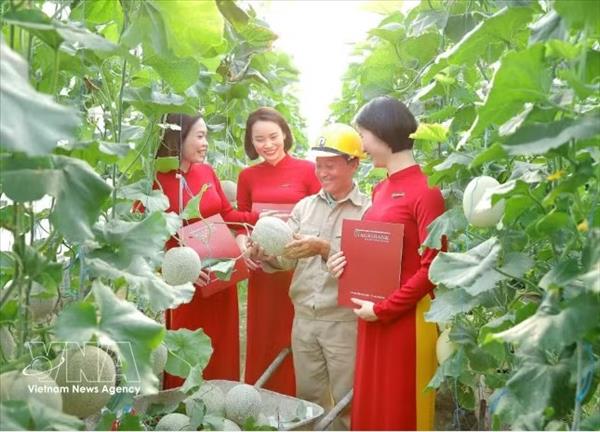
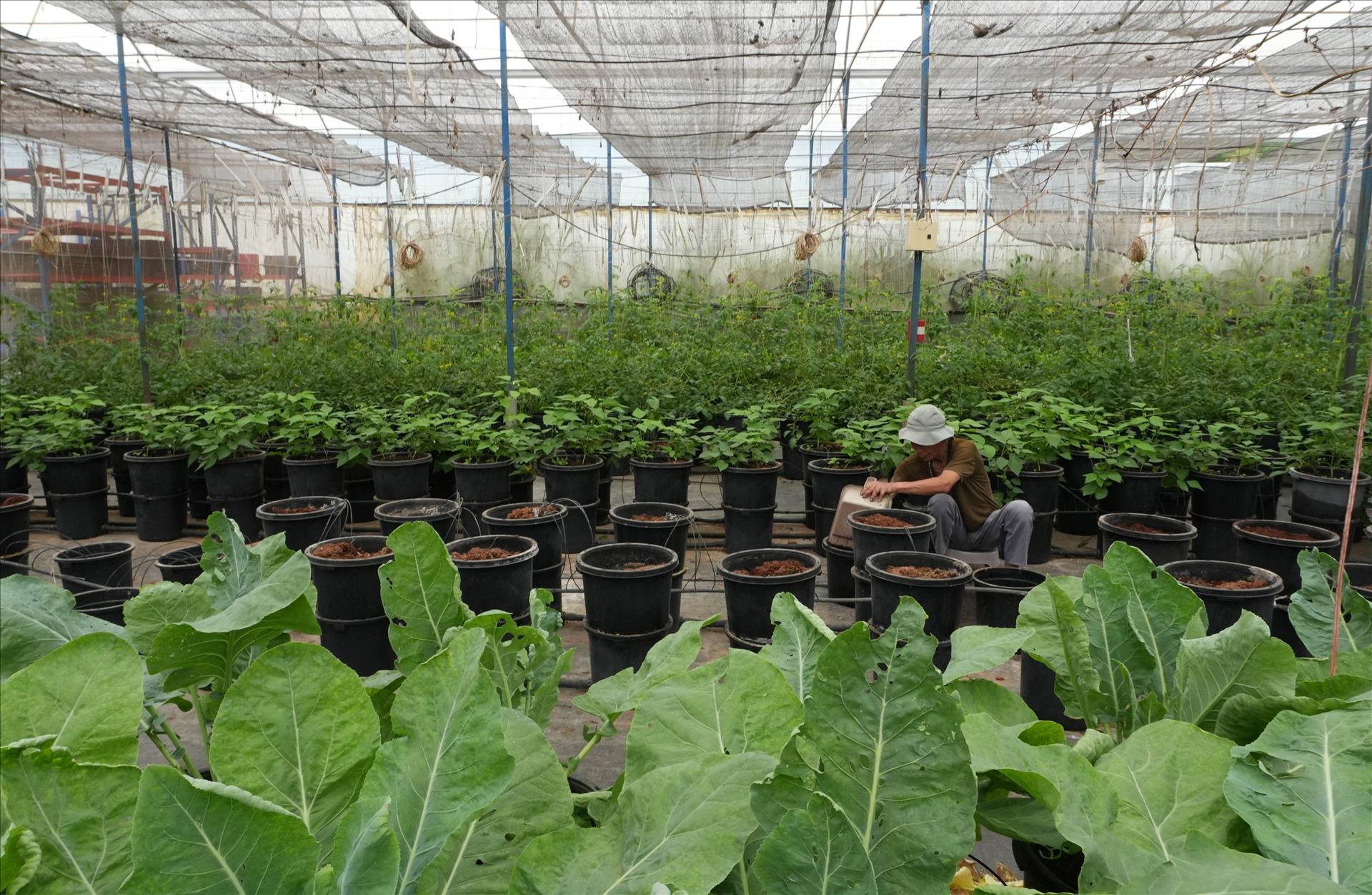
Lam Dong, with its strongly developed high-tech agriculture sector, holds a significant advantage in penetrating the highly promising Halal market. Photo: VNA
The province boasts a diverse range of high-quality agricultural products, including vegetables, flowers, coffee, tea, fruit and processed food products, providing a strong foundation for developing Halal-certified goods and services for markets in the Middle East, South Asia, Southeast Asia and Africa.
Hong An Production and Trading Co., Ltd. in Ninh Gia commune, which exports more than 50 varieties of mushrooms to the US, Italy, Canada and Australia, is pursuing Halal certification for its canned mushroom products as part of efforts to expand into Malaysia, Indonesia and other Muslim-majority markets.
According to the company, most of its products already meet food safety standards such as HACCP, VietGAP and the four-star OCOP certification, creating favourable conditions for obtaining Halal certification.
Meanwhile, Tuong Nguyen Co., Ltd. in Duc Trong commune has secured Halal certification and is preparing to introduce its clean vegetable and fruit products to Southeast Asian markets.
Lam Dong is currently home to 38 businesses and production facilities holding Halal certification in agriculture, food processing and tourism. Export turnover to Muslim markets reached approximately 40 million USD in the first five months of 2026, though local authorities believe the figure remains below the province’s full potential.
According to Dinh Van Tuan, Vice Chairman of the Lam Dong People’s Committee, the province’s Halal industry is still at an early stage and has yet to develop into a fully integrated ecosystem. In the coming years, Lam Dong will focus on key sectors including food, tourism, trade and Muslim-friendly healthcare services, while stepping up trade promotion and supporting businesses in accessing Halal markets.
Assoc. Prof. Dr. Dinh Cong Hoang of the Vietnam Academy of Social Sciences said Lam Dong possesses all the necessary conditions to develop a competitive Halal industry, particularly in agriculture and tourism.
Many local products already comply with international standards such as ISO, HACCP and organic certification, meeting most Halal requirements. Businesses mainly need to deepen their understanding of Islamic culture and religious practices to adapt production processes accordingly, he noted.
With an estimated global Muslim population of around 2 billion people and demand expanding beyond food into sectors such as tourism, cosmetics, pharmaceuticals, logistics and e-commerce, the Halal economy presents significant opportunities for Lam Dong to diversify export markets and strengthen its integration into global supply chains./.