In the News
Institutional framework must not hinder Vietnam's rapid, sustainable development: Top legislator
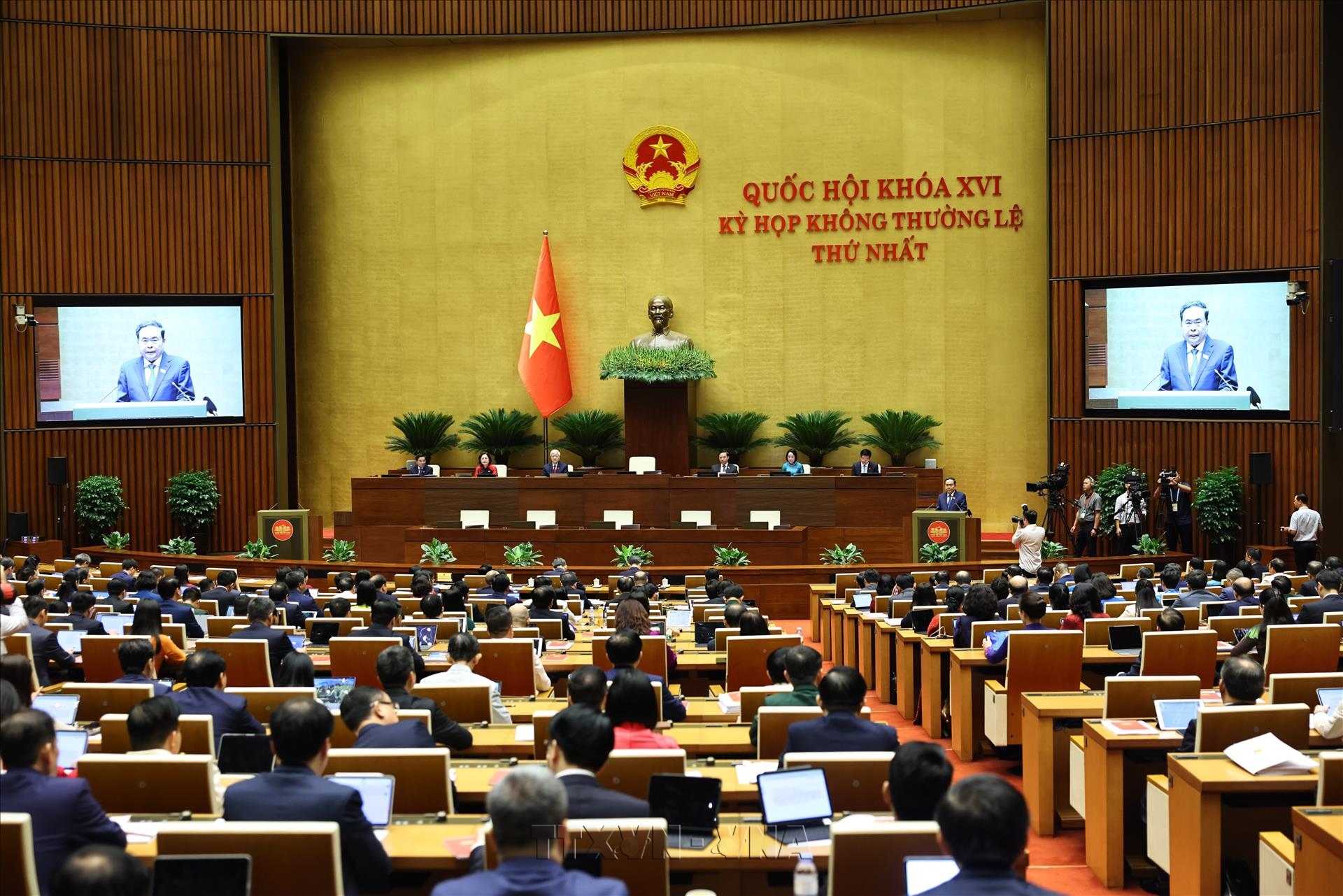
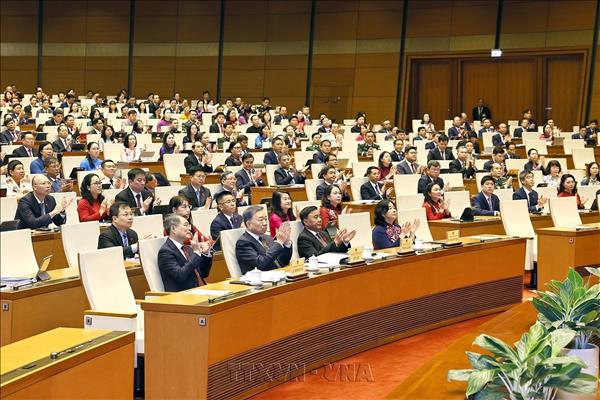
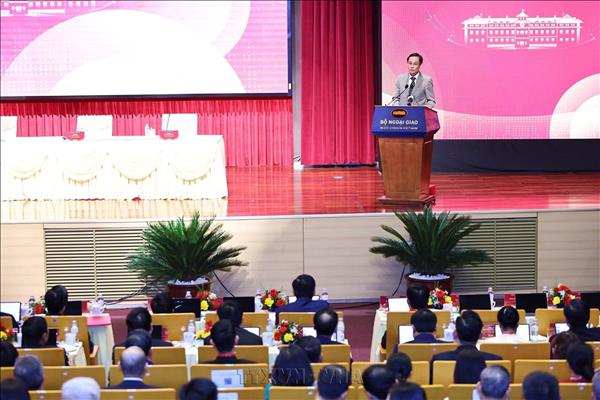
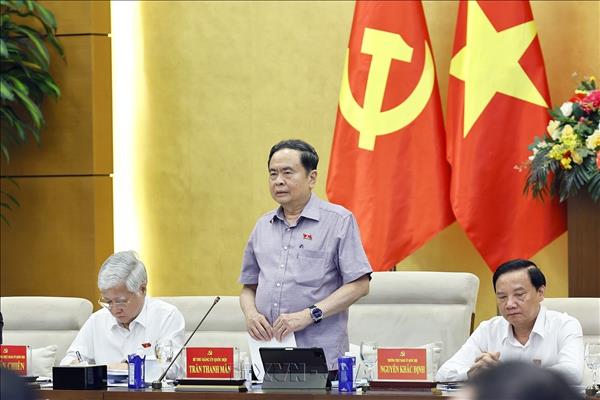
The top legislator made the remarks at the opening of the first extraordinary session of the 16th National Assembly. He noted that the session comes on the heels of the successful third plenum of the 14th Party Central Committee and a nationwide conference held to disseminate and launch the implementation of the Resolution of the 14th National Party Congress.
He said that the country has recently completed a one-year review of the restructuring of administrative units at all levels and the operation of the two-tier local administration model, while striving to achieve double-digit economic growth in 2026 and the years ahead.
With lawmaking and decisions on urgent national issues high on its agenda, the session reflects the strong political resolve, proactive spirit and decisive, substantive actions of the NA, the Government and relevant agencies to promptly institutionalise and implement the Party's policies, meeting the expectations of the people and businesses while ensuring no delay and no missed opportunities for the country's development, he stressed.
The NA Chairman added that the legislature, Government, ministries and localities are accelerating the implementation of the Politburo’s Conclusion No. 17-KL/TW and the law-making orientation for the 16th NA tenure.
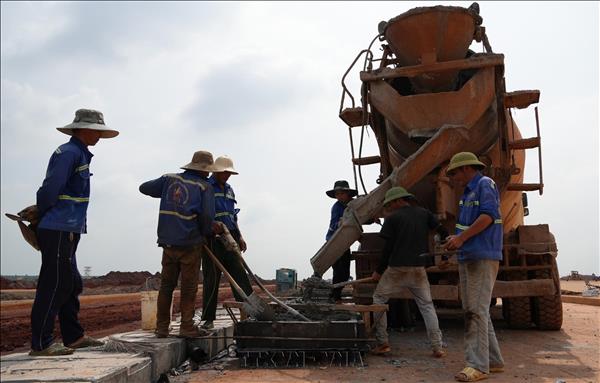
During the 17-day session, running until August 24, lawmakers are scheduled to pass 15 draft laws, four draft normative resolutions, give first opinions on seven draft laws for consideration at the second session, and decide on seven other issues, including those related to strategic transport infrastructure and the national urban system. The legislature is also expected to work on weekends, with a break between the two phases of the session to allow revisions to draft laws and resolutions.
Calling on NA deputies to actively contribute to deliberations, the top legislature urged them to study documents carefully, engage in substantive debate, particularly on issues directly affecting people and businesses, and strictly observe the session’s regulations.
He stressed the need for a fundamental shift in legislative mindset so that laws and policies are firmly grounded in reality, serve as a driver of development, and place people and businesses at the centre. Legislative quality, he said, should be measured by the effectiveness of law enforcement.
He also required improving the legal framework to effectively address practical challenges; improve the investment and business environment; reduce administrative procedures and compliance costs; promote science, technology, innovation, and digital transformation; unlock resources and create new growth drivers; refine legislation to ensure the effective operation of the three-tier local administration model; and advance decentralisation and delegation of authority in tandem with ensuring adequate resources for implementation.
The top legislator urged greater accountability throughout the law-making process, particularly among drafting and reviewing agencies. Draft laws and resolutions, he said, must be thoroughly prepared, supported by comprehensive impact assessments and broad consultation with experts, scientists, businesses and affected groups. Heads of drafting agencies should take direct responsibility for resolving major issues and ensuring the quality of legislative proposals.
For major national projects, he stressed the need for rigorous assessment of feasibility, investment scale, capital structure, financing, resettlement plans, environmental impact and socio-economic efficiency to minimise later adjustments.
NA Chairman Man said that under the Party’s leadership and through close coordination among the NA, the Government, and relevant agencies, institutional and legal reforms have achieved positive results, especially in renewing the law-making mindset and applying technology, digital transformation, and artificial intelligence.
Reaffirming the determination that institutions must not hinder the country’s rapid and sustainable development, he said the 16th NA should become a legislature dedicated to building institutions for development. He requested deputies to proactively identify legal bottlenecks and propose practical, well-founded amendments to every provision requiring revision./.