
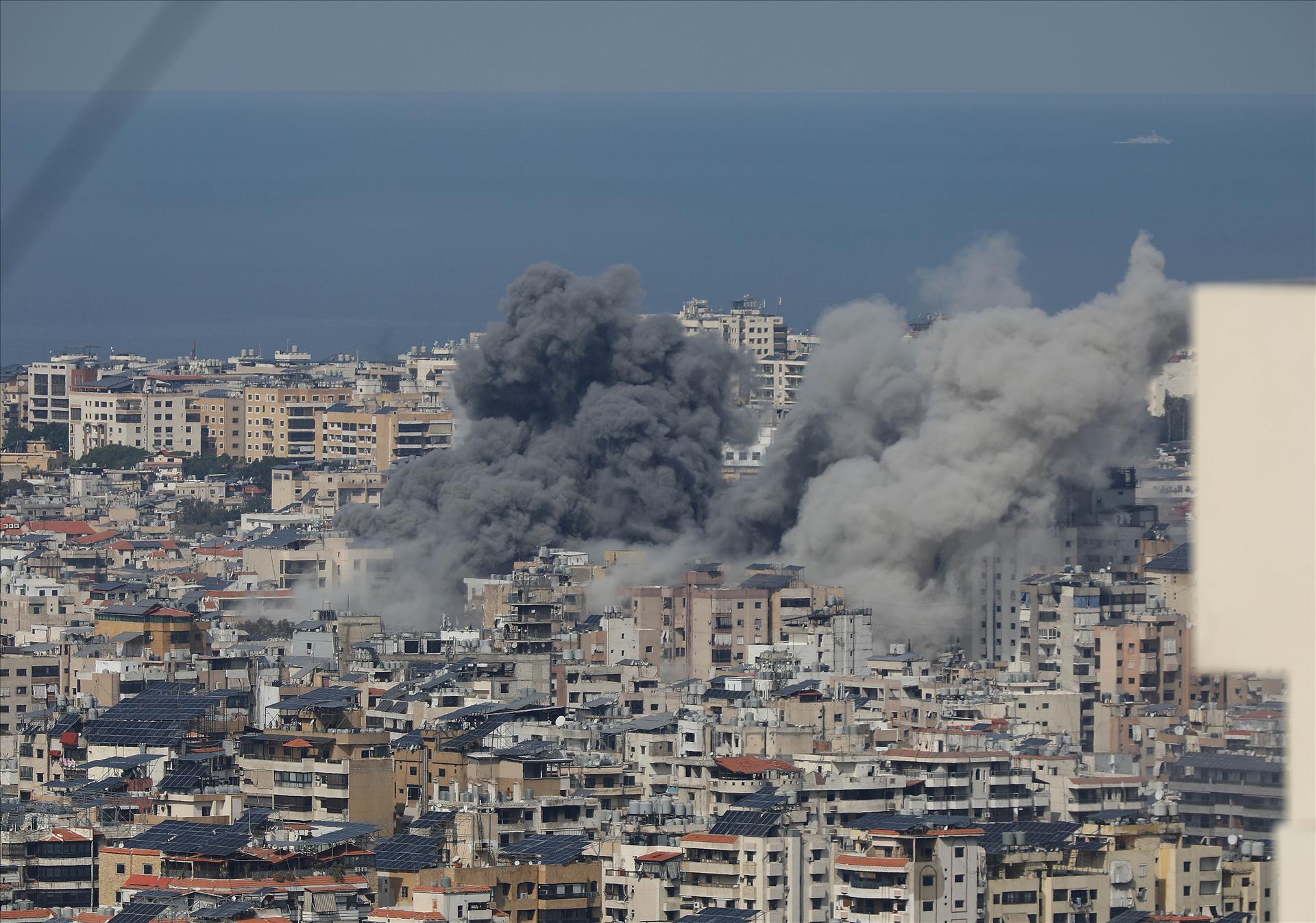
Following the outbreak of hostilities, the Vietnam National Authority of Tourism on March 2 issued an official dispatch requesting international travel agencies to closely monitor developments in affected areas and suspend tours to conflict zones in line with advisories from the Ministry of Foreign Affairs.
The authority also urged companies with tour groups still in impacted destinations to maintain regular contact with local partners and Vietnamese diplomatic missions in host countries to ensure travellers’ safety and implement necessary citizen protection measures.
On March 3, the Hanoi Department of Tourism asked international tour operators in the capital to review all signed and planned programmes related to countries in the conflict-hit region, including inbound tours from the Middle East. Firms were instructed to negotiate postponements, cancellations or itinerary adjustments to safeguard legitimate customer interests in accordance with contracts and legal regulations.
The Middle East has in recent years emerged as an attractive outbound destination for Vietnamese travellers thanks to its modern infrastructure, distinctive cultural experiences and convenient connectivity to Europe, Africa and South Asia. However, rising military tensions have forced many Vietnamese tour operators to suspend departures and implement flexible contingency plans.
Vietravel said adjustments to flight operations and airspace restrictions left its three tour groups in Dubai, the United Arab Emirates, comprising 51 passengers, and one group of 24 in Egypt unable to return to Vietnam as scheduled.
The company promptly arranged standard hotel accommodation, ensured meals and essential services, and maintained constant communications between tour guides, operations staff and customers. It also coordinated with airlines and international partners to rearrange travel plans. At 1:15pm on March 4, all affected tourists safely landed at Noi Bai International Airport in Hanoi on Flight EK394 operated by Emirates from Dubai.
Similarly, Onlytour reported that two Dubai tour groups with a total of 43 travellers were stranded. The firm worked with local partners to provide accommodation and meals, extended travel insurance coverage and liaised with Emirates to secure the earliest available flights once airport operations resumed. All the tourists were arranged to return home on March 4.
Other companies have also taken proactive measures. VietFoot Travel said customers booked on upcoming Middle East tours but concerned about the situation could defer their trips or switch to alternative destinations such as China, Australia or New Zealand. Full refunds are offered if rescheduling is not feasible, alongside upgraded insurance coverage and advice on safer flight routes.
Meanwhile, Du Lich Viet has suspended all tours to Middle Eastern countries scheduled for March and April. It is adjusting itineraries for Europe-bound tours that normally transit through Middle Eastern hubs to ensure safety.
Pham Anh Vu, Deputy General Director of Du Lich Viet, noted that while the conflict may temporarily reduce visitor flows from the Middle East to Vietnam, the market remains in its early development stage and has yet to significantly affect the broader sector. However, prolonged instability could disrupt transit routes and push up fuel costs, increasing tour prices.
Therefore, according to industry experts, this is the time for travel businesses to restructure their tour systems by diversifying flight routes based on the actual situation, and increasing itineraries that do not depend on a single transit point in order to minimise operational risks./.