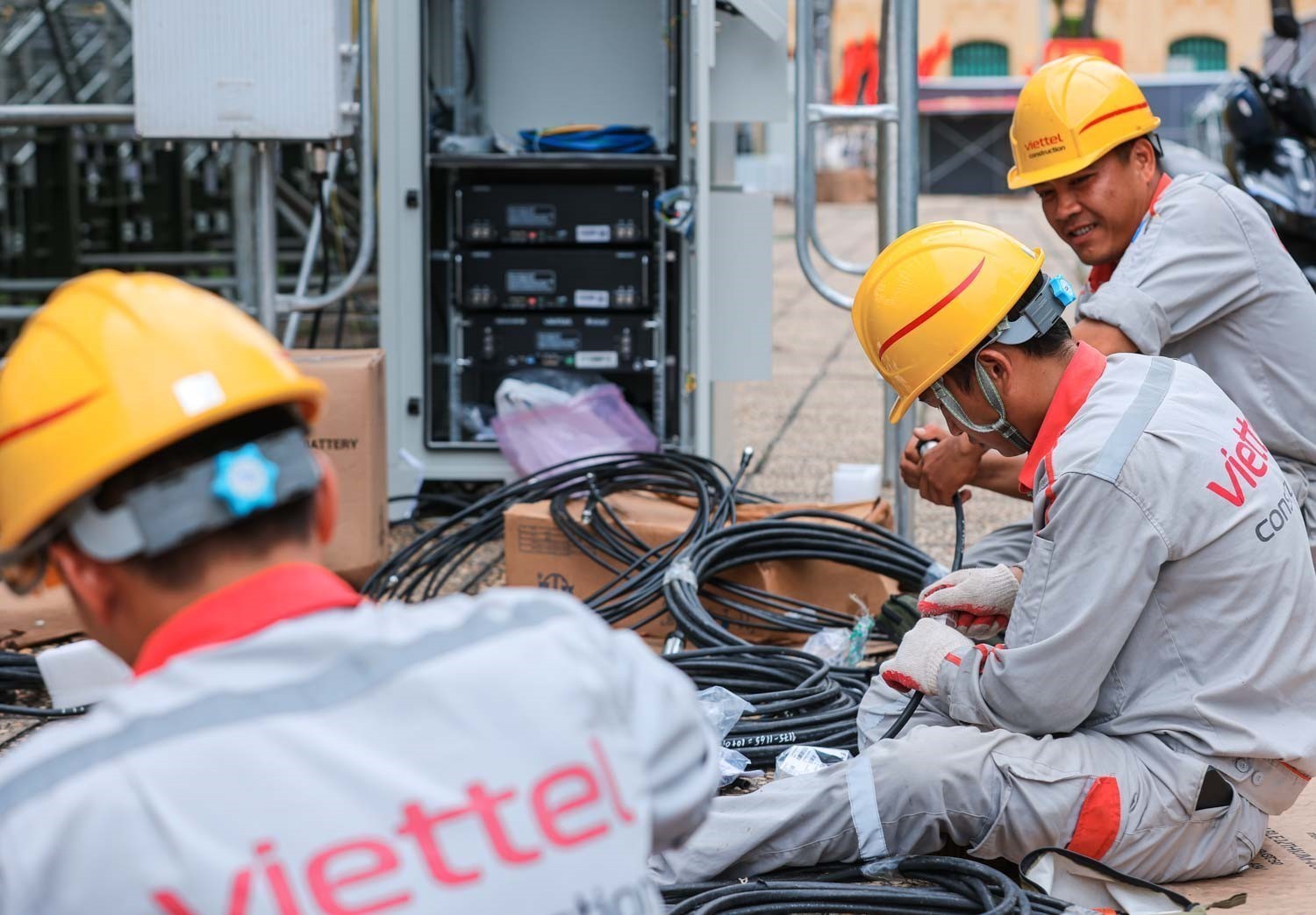
Steady expansion of 5G coverage
While 6G is under research globally, 5G remains the backbone of Vietnam’s digital infrastructure, with coverage expanding rapidly. Affordable monthly packages, ranging from tens to a few hundred thousand VND, have helped popularise 5G services for work and entertainment. According to the Ministry of Science and Technology, by the end of 2025, 4G coverage had reached over 99.8% of the population nationwide, while 5G coverage exceeded 91%.
The Viettel Military Industry and Telecoms Group (Viettel) currently leads the market with 30,000 5G base transceiver stations (BTS) nationwide. In 2025 alone, it installed 23,500 new stations and plans to deploy an additional 15,000 in 2026. Nguyen Ha Thanh, Deputy General Director of Viettel Telecom, said outdoor 5G coverage has reached 90%, while indoor coverage stands at 70%.
The Vietnam Post and Telecommunications Group (VNPT) has also pledged to extend 5G coverage to 55–60% of the population this year, and piloted advanced technologies such as Network Slicing and Network API since September last year to enhance service flexibility and performance.
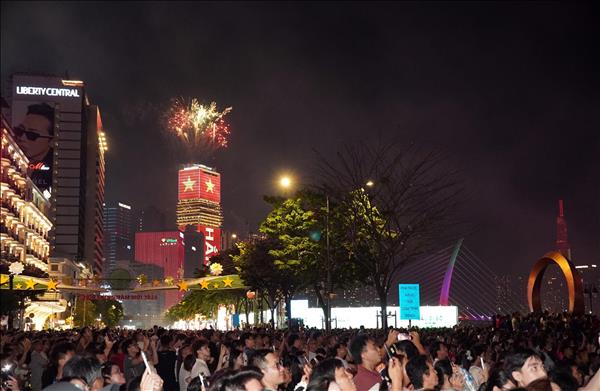
To further leverage 5G for socio-economic development, the municipal People’s Committee has issued a plan to develop 5G and Internet of Things (IoT) infrastructure for 2025–2027. The city will prioritise expanding coverage in central areas, public administrative centres, high-tech parks, concentrated IT zones, industrial parks and clusters, densely populated areas, and major public infrastructure such as railway stations, seaports, airports and public transport systems.
The southern metropolis targets more than 90% population coverage with 5G services, with mobile broadband speeds of 100–500 Mbps. Authorities also plan to integrate 5G infrastructure with IoT solutions and AI to support smart industry and urban management.
Digital infrastructure foundation for synchronised smart IP development
A notable initiative is the partnership between Viettel’s Ho Chi Minh City branch and the Ho Chi Minh City Export Processing and Industrial Zones Authority (HEPZA). In early February, the two sides launched 5G deployment and a Digital Transformation Week in five key industrial parks (IPs), aiming for full 5G coverage across all parks by 2026 and the development of modern and synchronised digital IP models. The initiative follows a strategic cooperation agreement signed in September last year.
Under the roadmap, 5G is envisioned not merely as telecom infrastructure but as a digital ecosystem platform for industrial zones, with applications including IoT systems, AI-powered surveillance cameras, intelligent operation centres (IOC), cloud and data centre services, private 5G networks for factories and ports, large-scale production enterprises, along with digital enterprise management solutions such as digital signatures, e-contracts and e-invoices. Priority will be given to IPs with high enterprise density while ensuring balanced deployment across the city and surrounding areas.
Nguyen Van Dung, Deputy Director of Viettel’s Ho Chi Minh City branch, said the firm is committed to investing in synchronised 5G infrastructure and partnering with HEPZA and businesses to develop digital industrial park models. The aim, he noted, is not only to expand coverage but also to deliver practical operational and business value for each industrial park.
Building on the 5G platform and its digital transformation goals, HEPZA has focused on developing digital IP models and a centralised operations centre, while secondary enterprises are implementing synchronised digital transformation solutions. Workers in these zones are also being supported with access to digital services and guidance on applying technology in daily work and life.
According to Le Van Thinh, Deputy Head of HEPZA, digital transformation in IPs is a key task to improve management efficiency, enhance the investment environment and strengthen businesses’ competitiveness. The rollout of 5G alongside a broader digital transformation ecosystem is expected to open a new phase of development for local export processing zones and IPs, and those in surrounding areas, moving toward a modern, transparent and sustainable production environment./.