The Mekong Delta province of An Giang is accelerating the digitisation of cultural and museum activities related to the Oc Eo Civilisation, aiming to enhance public access, enrich visitors' experiences and promote the heritage of one of Southeast Asia’s earliest civilizations to a wider domestic and international audience.
Enhancing visitors' experiences
The Oc Eo Cultural Relic Management Board of An Giang has been implementing a comprehensive digital transformation plan for the Oc Eo Culture Exhibition House and key relic sites within the Oc Eo–Ba The archaeological complex. The initiative forms part of broader efforts to preserve heritage values while adapting to new trends in cultural tourism.
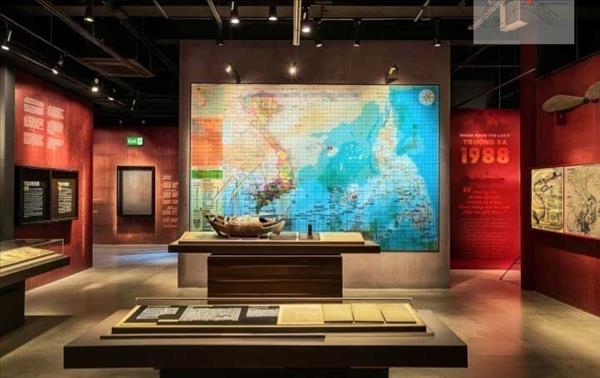
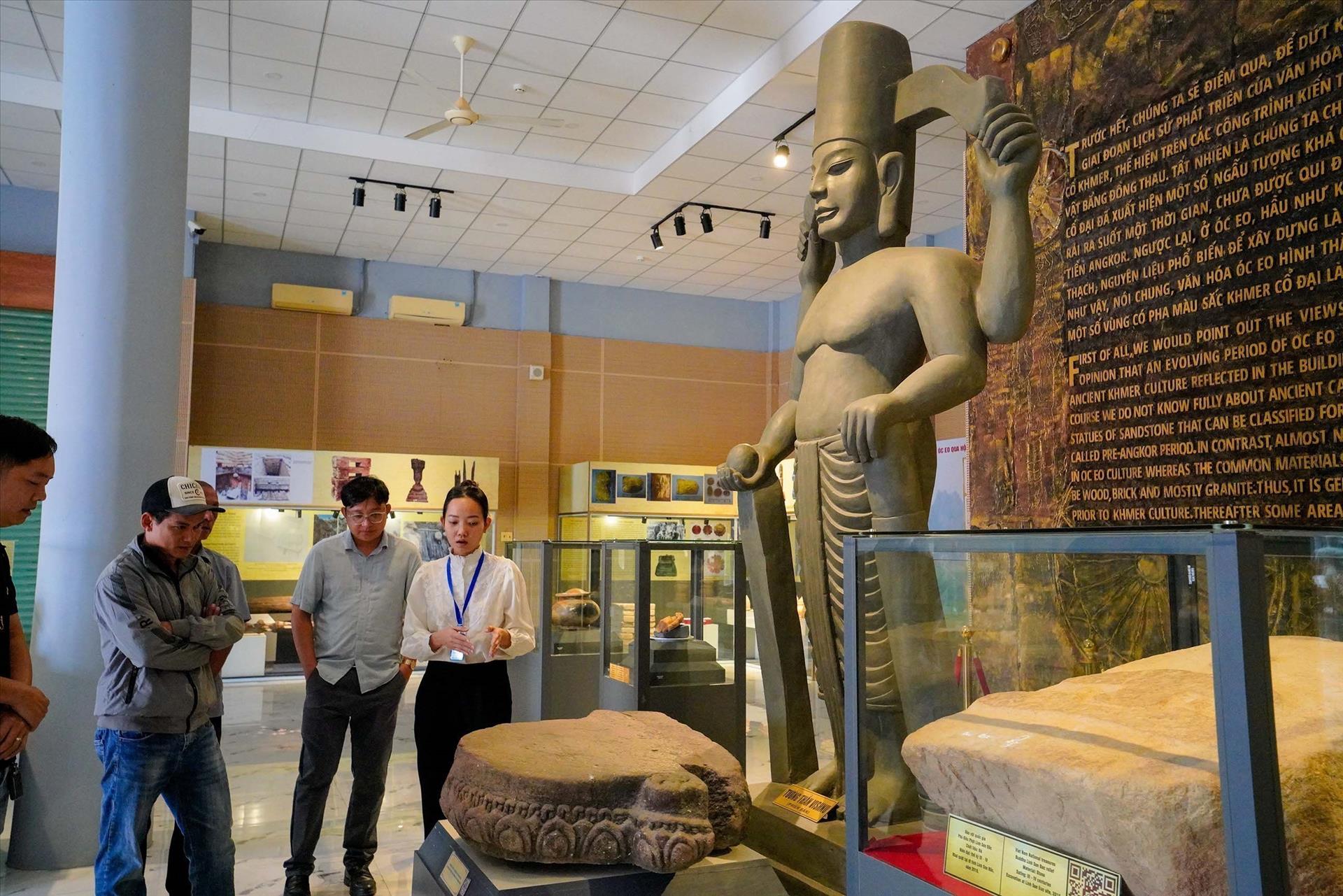
Since 2016, the Oc Eo Culture Exhibition House has served as a central venue for preserving and displaying thousands of artefacts dating from the 1st to the 7th centuries. These artefacts reflect the material culture of the ancient Funan Kingdom, an early state in Southeast Asia that played a major role in regional trade and cultural exchanges during the early centuries of the Common Era. Among the collections are four national treasures recognised for their outstanding historical and archaeological value.
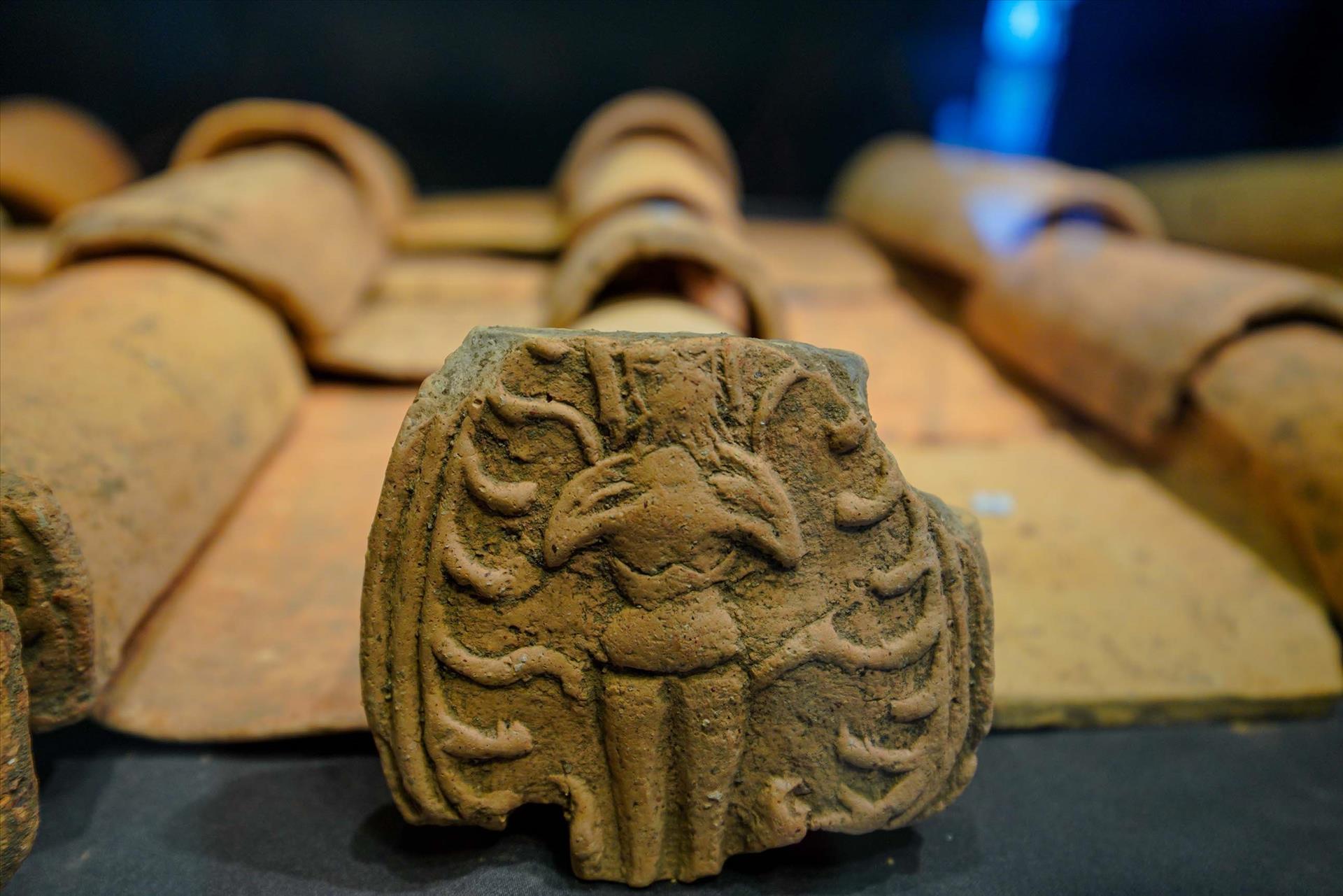
At present, more than 3,350 original artefacts are on display, with the majority digitised through QR codes. By scanning the codes with smartphones, visitors can access high-resolution images, detailed explanations and related historical information, enabling deeper engagement with each artefact while supporting research and educational activities.
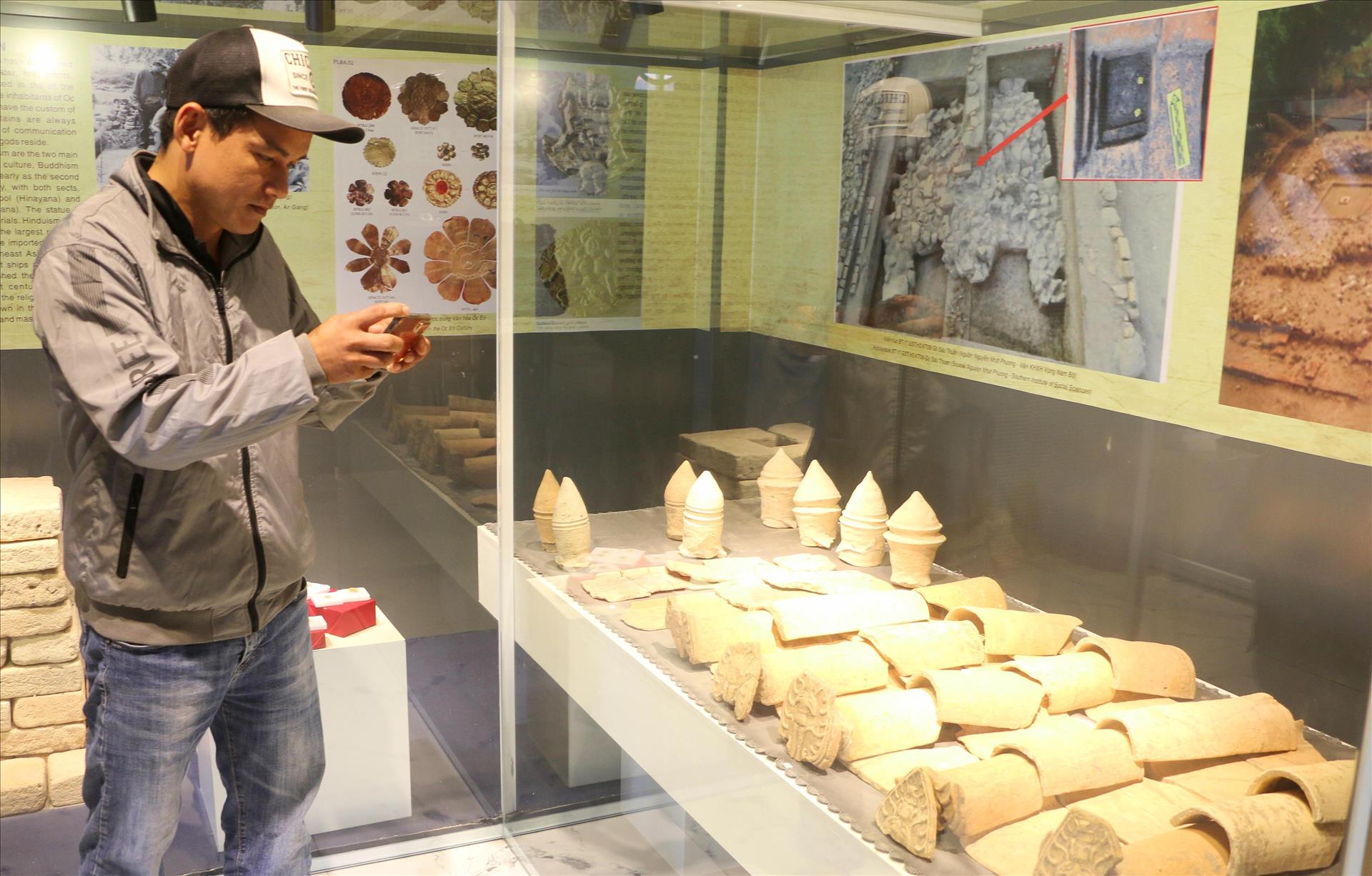
Digital applications have also expanded beyond basic information access. The exhibition house has introduced 3D modelling and VR 360 technologies, allowing visitors to experience virtual tours and explore artefacts and exhibition spaces from multiple perspectives. This approach offers greater flexibility, especially for visitors who wish to explore the site remotely or gain a comprehensive overview before an on-site visit.
Trang My Linh, a tour guide at the exhibition house, said that by using smartphones to scan QR codes combined with 3D and VR 360 technologies, visitors can take virtual tours and actively explore detailed information about the artefacts. In addition to Vietnamese, exhibition content is available in English, Japanese and Korean, with further languages under development to serve a wider range of domestic and international visitors.
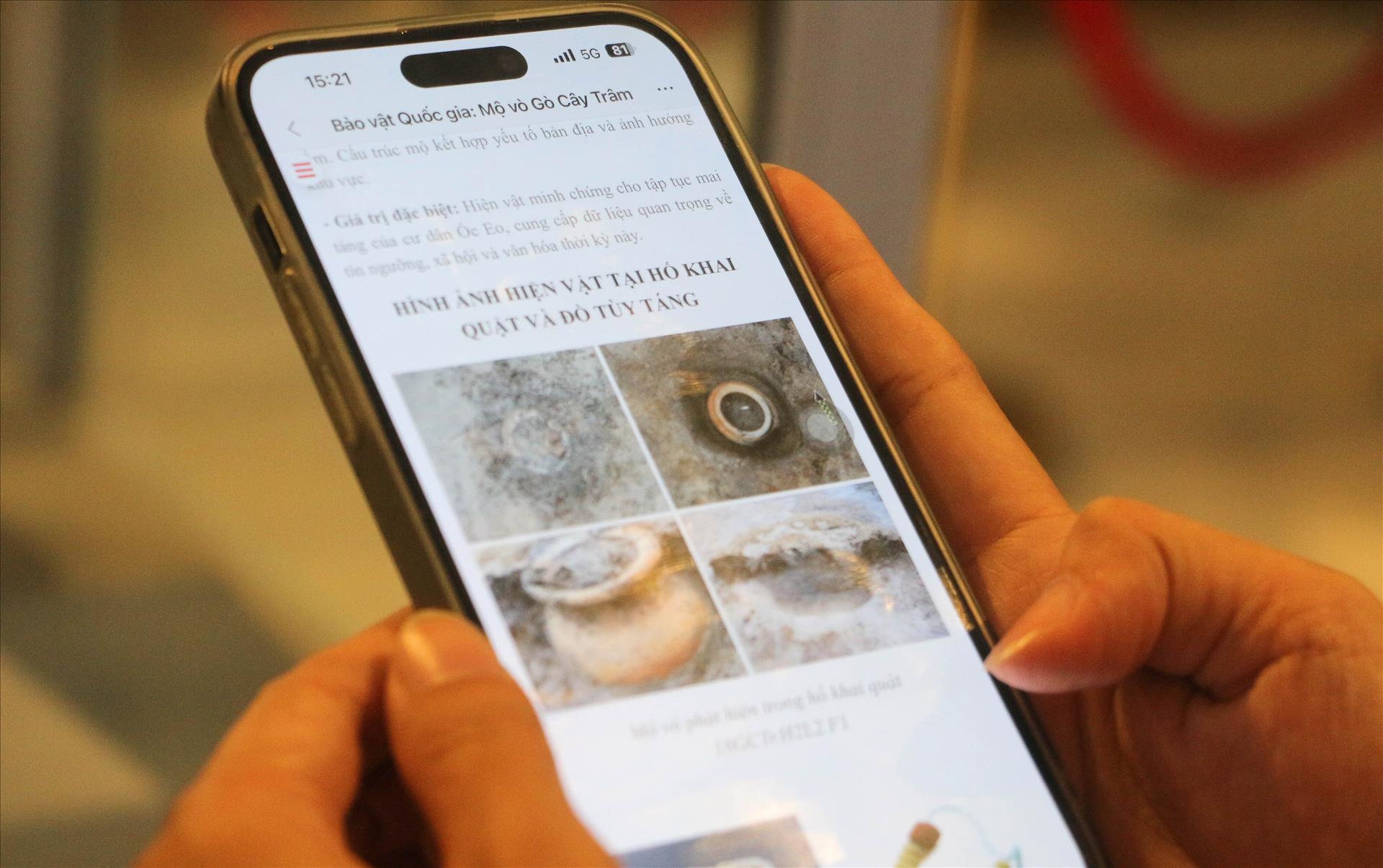
Japanese tourist Ichira Shimoda said he was impressed by the Oc Eo Culture Exhibition House during his visit to An Giang, noting its long-standing historical value and vivid displays. He added that digital services enhanced his experience and would attract visitors from Japan and other countries.
Building a smart, interactive museum
In addition to the exhibition house, digital technologies have been applied at seven key relic sites within the Oc Eo–Ba The special national relic complex. Virtual tours and 3D reconstructions enable immersive experiences, allowing visitors to visualise ancient spaces and better understand the historical context without affecting the integrity of the original relics.
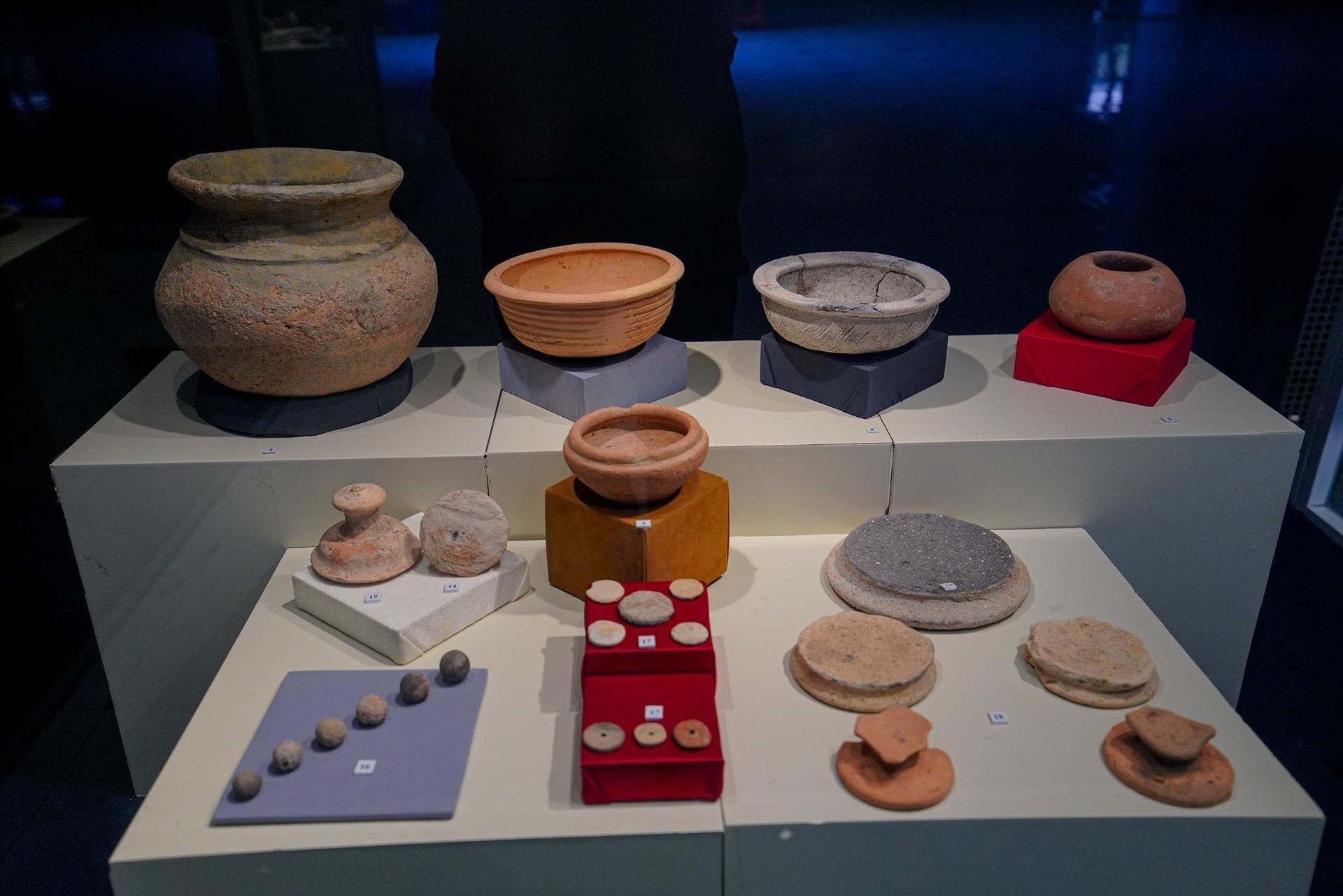
Nguyen Xuan Bang, Deputy Director of the Oc Eo Cultural Relic Management Board, said digital transformation aims to help visitors better connect with and understand the value of the Oc Eo heritage. He stressed that technology alone is insufficient without high-quality content, emphasising the need to integrate technology with appropriate programmes to gradually build an interactive and intelligent museum model that remains both educational and engaging.
The Oc Eo–Ba The archaeological site was recognised as a special national relic in 2012 and is regarded as a vital testament to the Oc Eo Civilisation, which flourished in southern Vietnam from the 1st to the 7th centuries. Through sustained digital transformation, An Giang hopes to create new momentum in heritage preservation, cultural dissemination and tourism development, while paving the way for the site to gain wider international recognition in the future./.