Provincial authorities have identified the fight against IUU fishing as a top priority, requiring all levels of government and relevant agencies to implement coordinated measures to prevent illegal fishing while safeguarding marine resources that support the livelihoods of tens of thousands of coastal households.
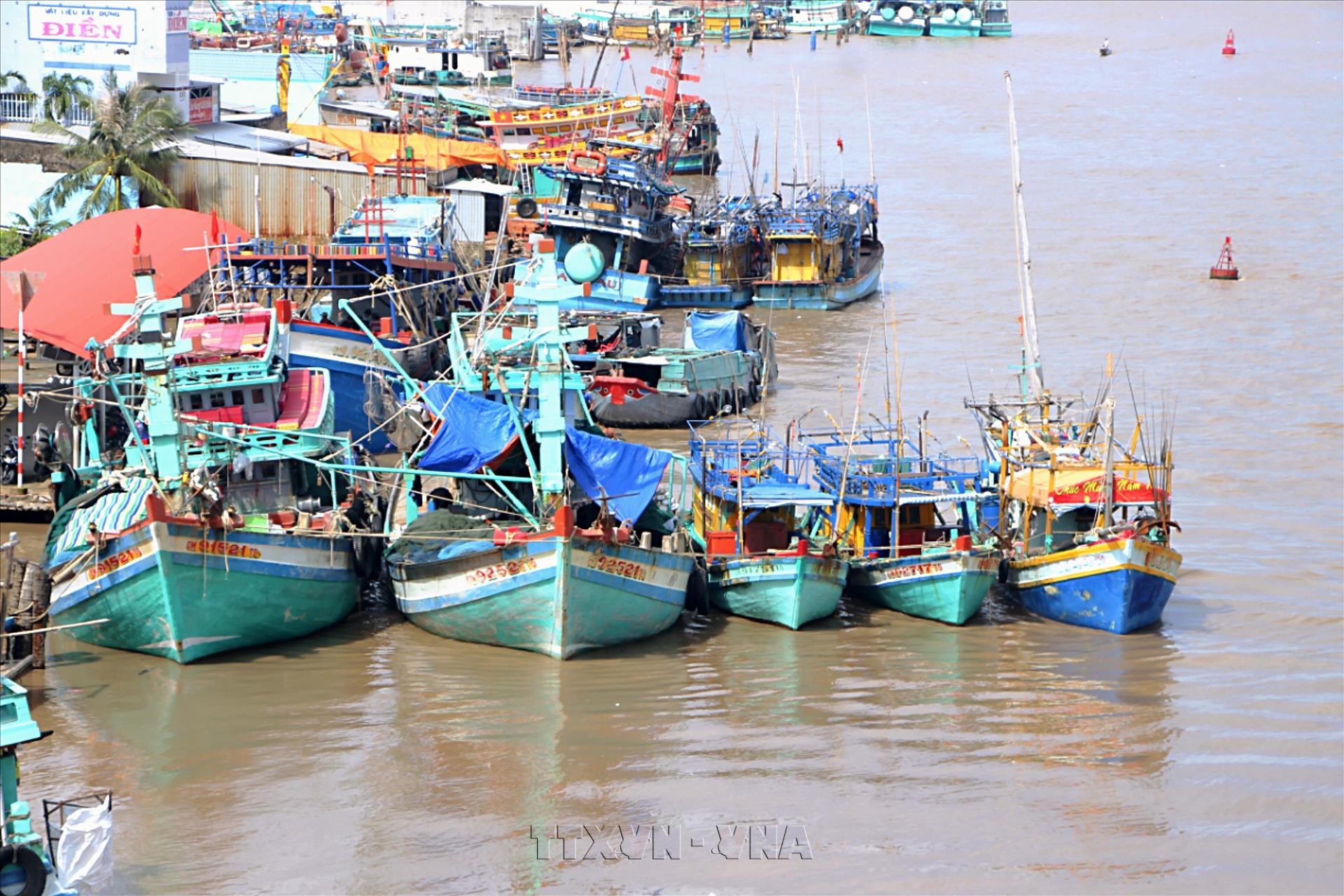
According to the provincial People's Committee, Ca Mau has 5,156 registered fishing vessels with a combined capacity of more than 801,000 kW. All vessels required to carry voyage monitoring system (VMS) equipment have completed installation and maintained stable connections with the national monitoring network.
Authorities have also strengthened the registration, inspection and licensing of fishing vessels. Since the beginning of the year, they have processed 934 vessel management dossiers, issued 1,256 technical safety certificates and granted 267 fishing vessel design appraisal certificates.
The province is also accelerating digital transformation in fisheries management by digitising its fishing vessel database and expanding the use of information technology to improve coordination among enforcement agencies.
Since the start of the year, authorities have monitored 100% of fishing vessels entering and leaving designated fishing ports, with 13,544 port arrivals and departures recorded. Seafood landed through ports reached 83,757 tonnes, accounting for 44.4% of the province's total catch. Officials also issued 138 certificates covering 1,245 tonnes of legally harvested seafood used for export.
Notably, no fishing vessels from Ca Mau have been found illegally operating in foreign waters, while no vessels have been penalised for losing VMS connections.
To strengthen seafood traceability, local authorities have expanded the use of the electronic Catch Documentation and Traceability system (eCDT) and the electronic fishing logbook (eLogbook). Close coordination among the Border Guard, fisheries authorities and fishing port management boards has helped ensure strict monitoring of all fishing vessels and address recommendations made by EC inspectors.
Alongside anti-IUU fishing measures, the province is promoting the protection and restoration of marine resources. More than 20,500 households have pledged not to use explosives, electric shocks, toxic substances or prohibited fishing gear. To help restore marine ecosystems, the province has released more than 2.2 million aquatic juveniles into natural waters.
Looking ahead, Ca Mau is implementing plans to restructure its fisheries sector by encouraging fishers to shift from destructive fishing methods to environmentally friendly livelihoods, while expanding offshore and coastal aquaculture. The province is also strengthening wildlife protection, monitoring fishing bans in designated areas and conducting surveys of marine resources and aquatic habitats.
Provincial authorities expect these measures to ease pressure on natural fish stocks, create more sustainable livelihoods for coastal communities and support the long-term development of a modern, responsible and sustainable marine economy./.