Vietnam's New Era
14th Party Congress identifies multilateral diplomacy as strategic direction for Vietnam’s diplomacy
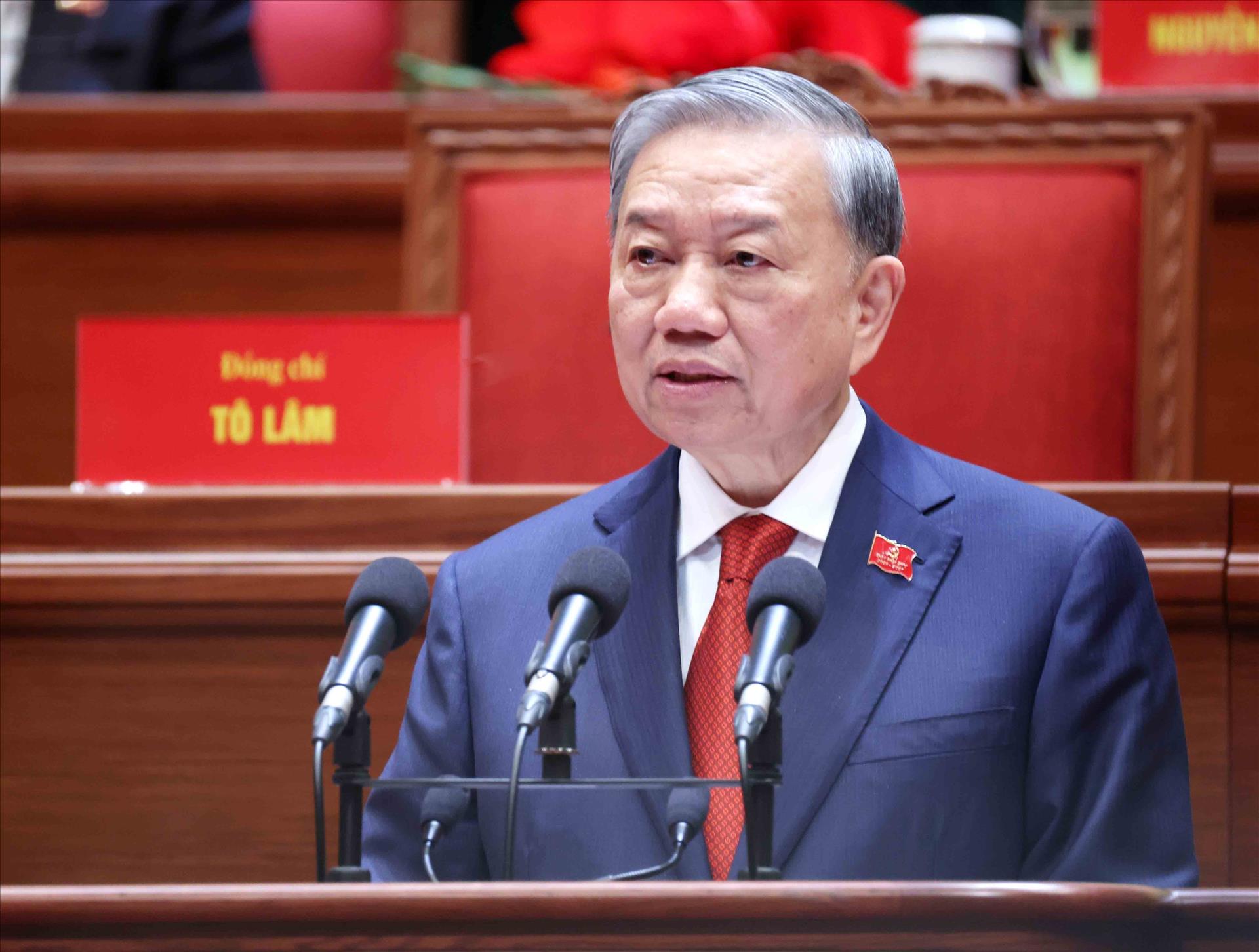
The 14th Party Congress has identified multilateral diplomacy as a major and strategic direction for Vietnamese diplomacy, said Ambassador Do Hung Viet, Permanent Representative of Vietnam to the United Nations, in an interview with the Vietnam News Agency shortly after the 14th National Party Congress concluded in Hanoi on January 23.
Reporter: What are the new points in Vietnam’s foreign policy direction adopted at the 14th National Party Congress?
Ambassador Do Hung Viet: The 14th National Congress of the Communist Party of Vietnam has just concluded, with many important decisions being made. Regarding foreign policy, the orientations for the next five years, as adopted by the Congress, represent both a continuation and an evolution of Vietnam’s foreign policy.
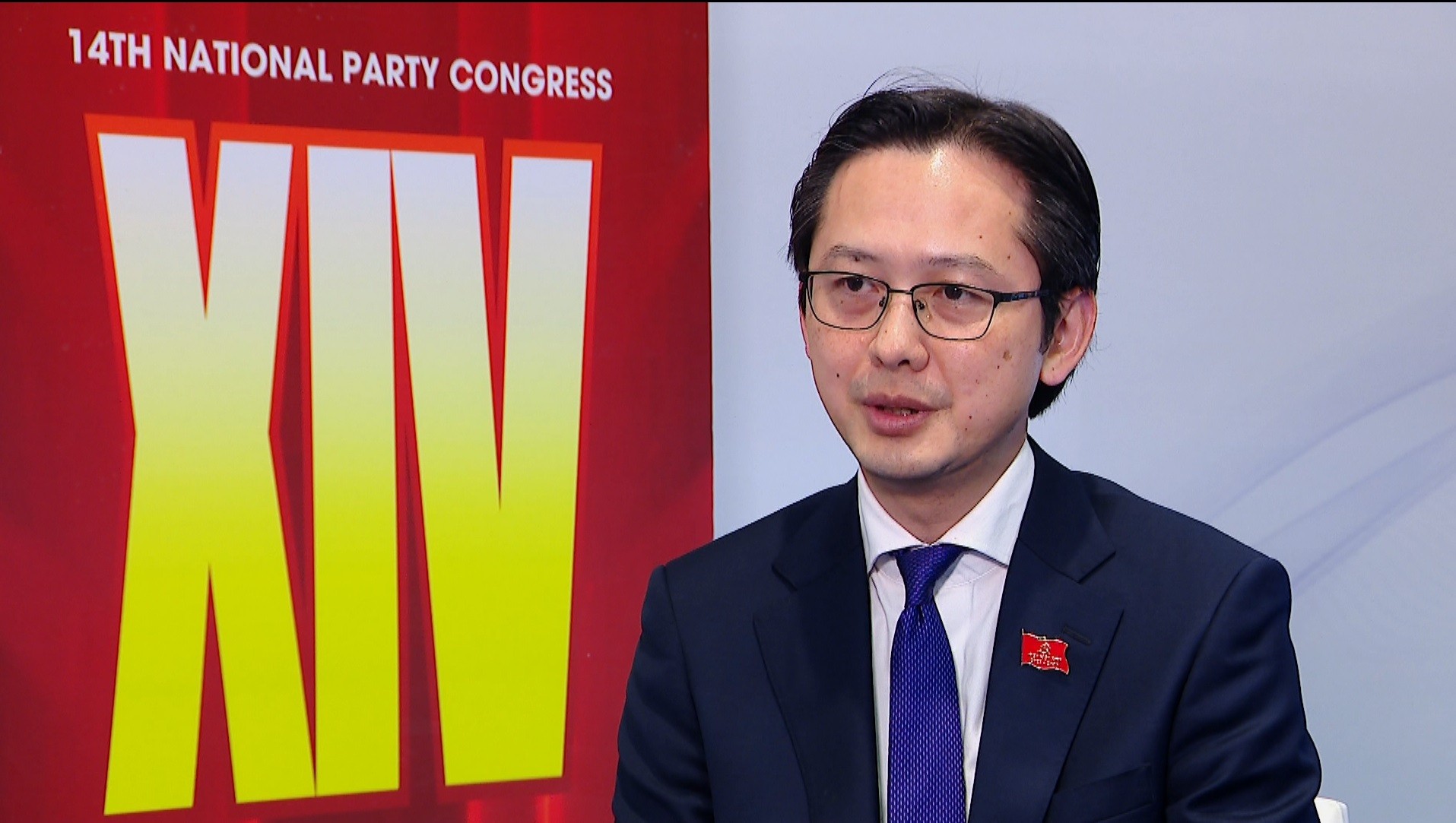
It is a continuation of our policy of peace, sovereignty, independence, and autonomy, as well as our efforts to promote peace, security, and cooperation for development.
We will also continue to pursue a foreign policy of diversification and multilateralization, aiming to be a friend, a reliable partner, and a constructive and responsible member of the international community. That is the element of continuity.
In terms of evolution, for the first time, the 14th Party Congress has recognised and placed diplomacy on par with national defense and national security. Together, these are identified as permanent core tasks of the Party and the entire political system.
This means that diplomacy and international integration have been elevated in terms of their role and contribution to maintaining peace, security, and the sustainable development of Vietnam.
Reporter: At your recent briefing with foreign media in New York, you said that the documents of the 14th National Party Congress have, for the first time, defined diplomacy and international integration as regular and critical tasks, on par with national defence and security. Could you elaborate on how this issue was discussed at the Congress in recent days?
Ambassador Do Hung Viet: As I mentioned earlier, one of the major evolutions in Vietnam’s foreign policy introduced by the 14th Party Congress is the identification of diplomacy and international integration as core, critical, and permanent tasks of the Party and the entire political system.
This reflects recognition of the vital role that diplomacy and international integration play in ensuring peace and stability, defending the nation, and advancing national development.
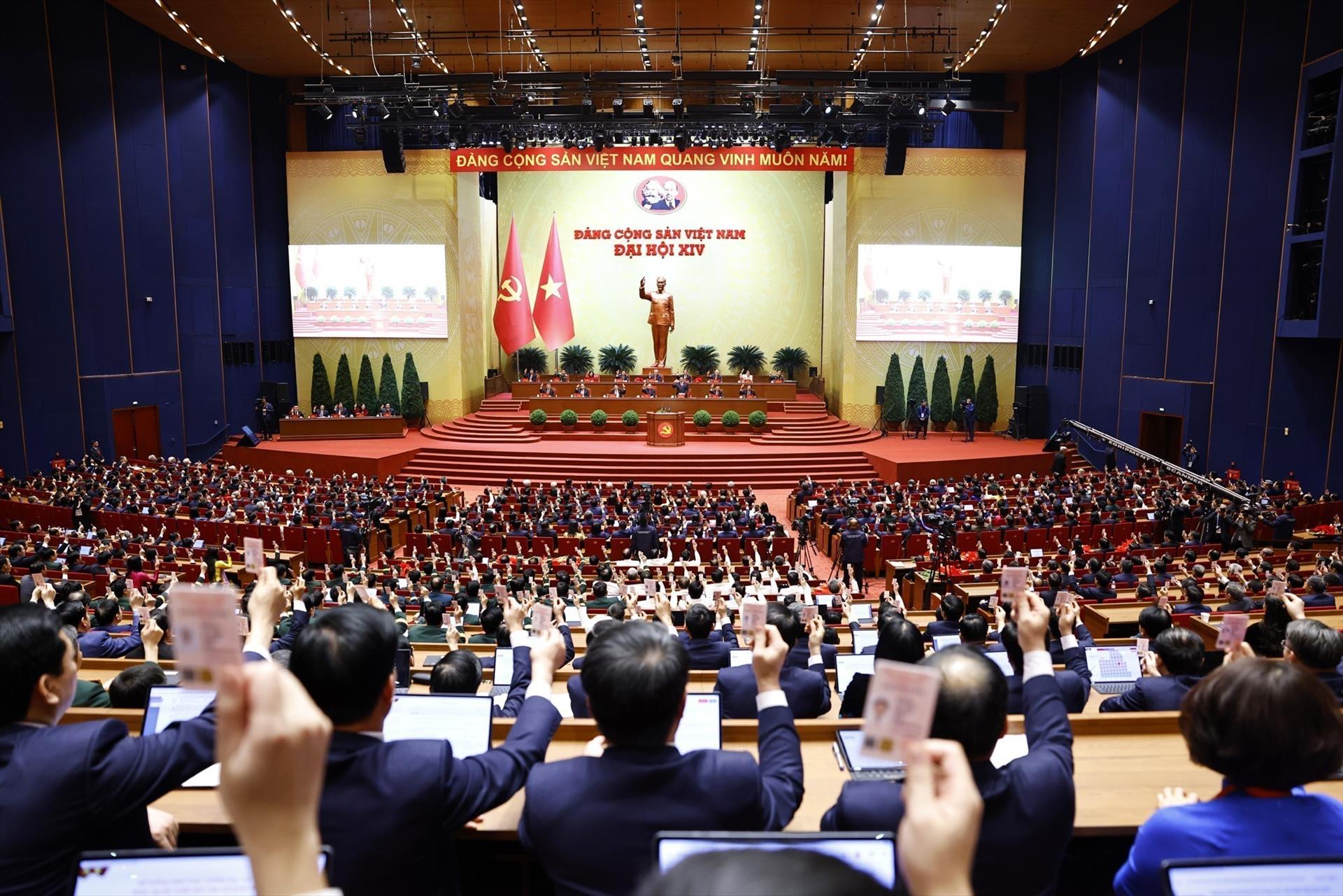
The Congress held in-depth discussions on this issue, both during the preparation process and throughout the Congress itself. We reviewed historical experiences to see how diplomacy contributed to national defense, national reunification, and the Doi Moi process over the past four decades. Looking back, we can clearly see the significant contributions that diplomacy and international integration have made to peace, unification, and development.
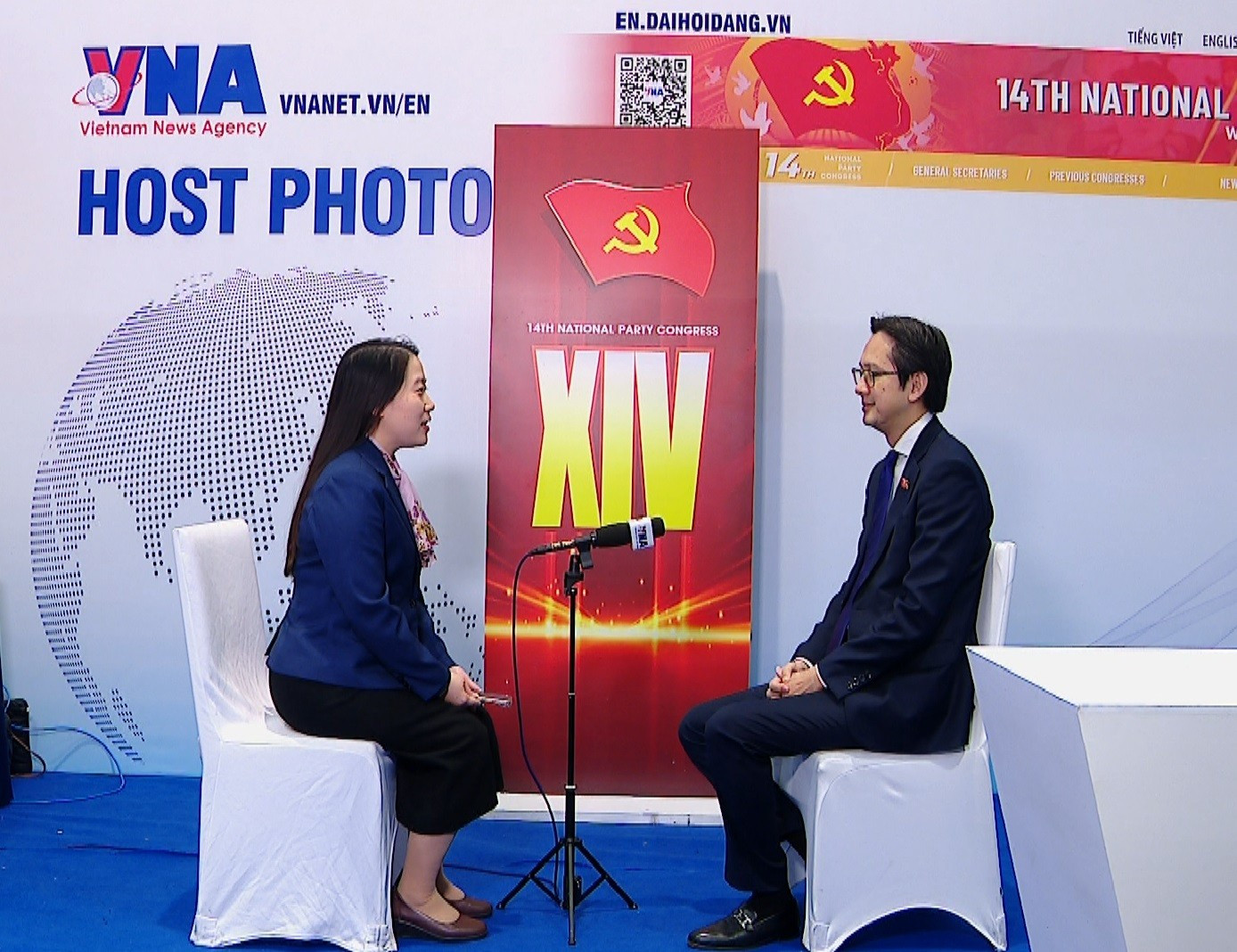
We also conducted comprehensive assessments of the current global and regional situation, identifying both opportunities and challenges Vietnam will face in the next five to ten years. Diplomacy and international integration were recognized as key instruments to help address these challenges and achieve national goals set for 2030 and the vision toward 2045.
Therefore, the Party Congress agreed that diplomacy and international integration must be placed on par with national defense and security to ensure sufficient resources, investment, attention, and engagement from the entire political system- from the grassroots to the central level, involving all government agencies, Party committees, commissions, and localities. This will allow Vietnam to seize international opportunities while effectively responding to major global and regional challenges, thereby contributing to the country’s overall development.
Reporter: What priorities will Vietnam focus on at the United Nations and other multilateral cooperation forums to realize the foreign policy orientation set out at the 14th National Congress of the Party?
Ambassador Do Hung Viet: The 14th Party Congress identified multilateral diplomacy as a major and strategic direction for Vietnamese diplomacy. We believe that the challenges we face can only be resolved through international and multilateral cooperation.
No single state, no matter how strong, can address challenges such as globalization, climate change, pandemics, or the proliferation of weapons of mass destruction on its own. These are issues that require collective efforts. Therefore, Vietnam has identified multilateral cooperation as a strategic direction, with the United Nations at its core.
We will continue to contribute more actively to the UN, including through proactive participation in all UN forums and initiatives aimed at addressing common global challenges. This constitutes the overarching orientation of Vietnam’s foreign policy.
In terms of specific priorities, there will be a series of high-level events at the United Nations in the coming years. For example, later this year, a high-level conference on non-communicable diseases will be held, focusing on the healthcare sector.
There will also be other important forums, such as the Water Summit and high-level discussions on artificial intelligence and the advancement of science and technology. These are key areas of focus for Vietnam in the coming years.
In addition, Vietnam will continue to run for elections to a number of important UN bodies. We have just begun our second consecutive term as a member of the Human Rights Council for the 2026–2028 period, and we will also seek election to the Security Council, the Economic and Social Council, and other important UN agencies.
By participating in these bodies, Vietnam can contribute more effectively to identifying priorities, measures, and resources needed to address global challenges.
Finally, in the immediate future, Vietnam will serve as President of the Review Conference of the Treaty on the Non-Proliferation of Nuclear Weapons (NPT), which is considered the cornerstone of the global nuclear disarmament and non-proliferation regime.
The conference will take place in late April, and Vietnam will make every effort to ensure that it achieves concrete and meaningful outcomes./.