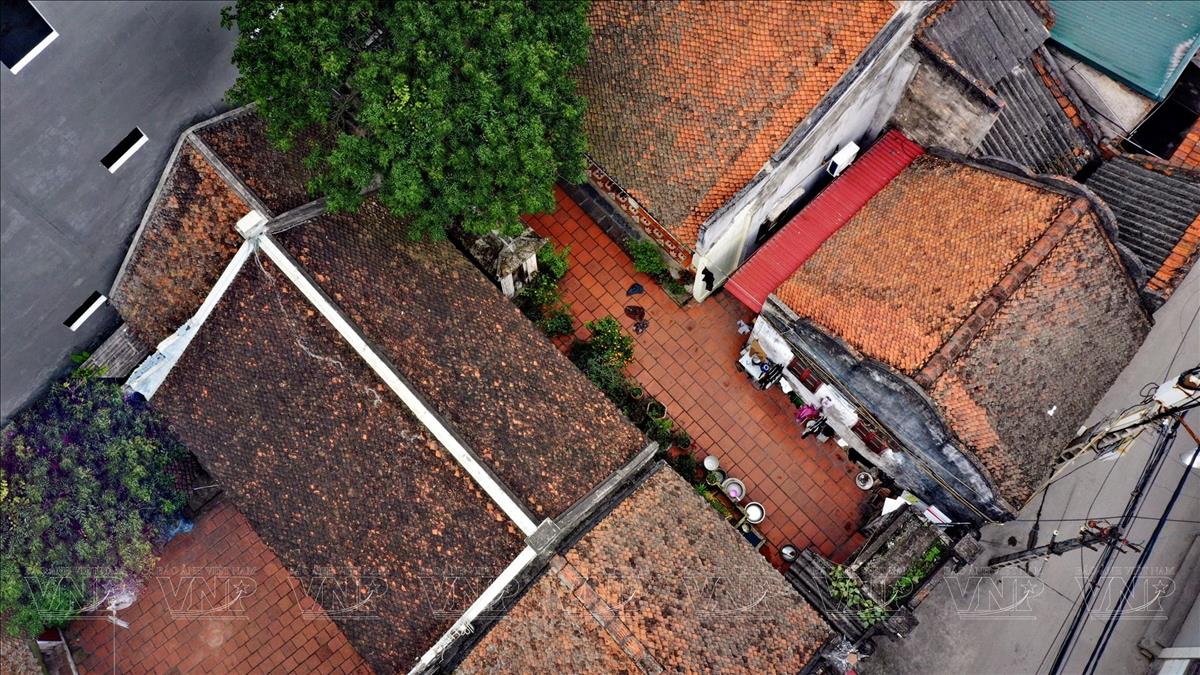
Old village gates, traditional houses with moss-covered tile roofs intermingled with French-style villas, and golden strands of vermicelli create a unique vision for Cu Da village.
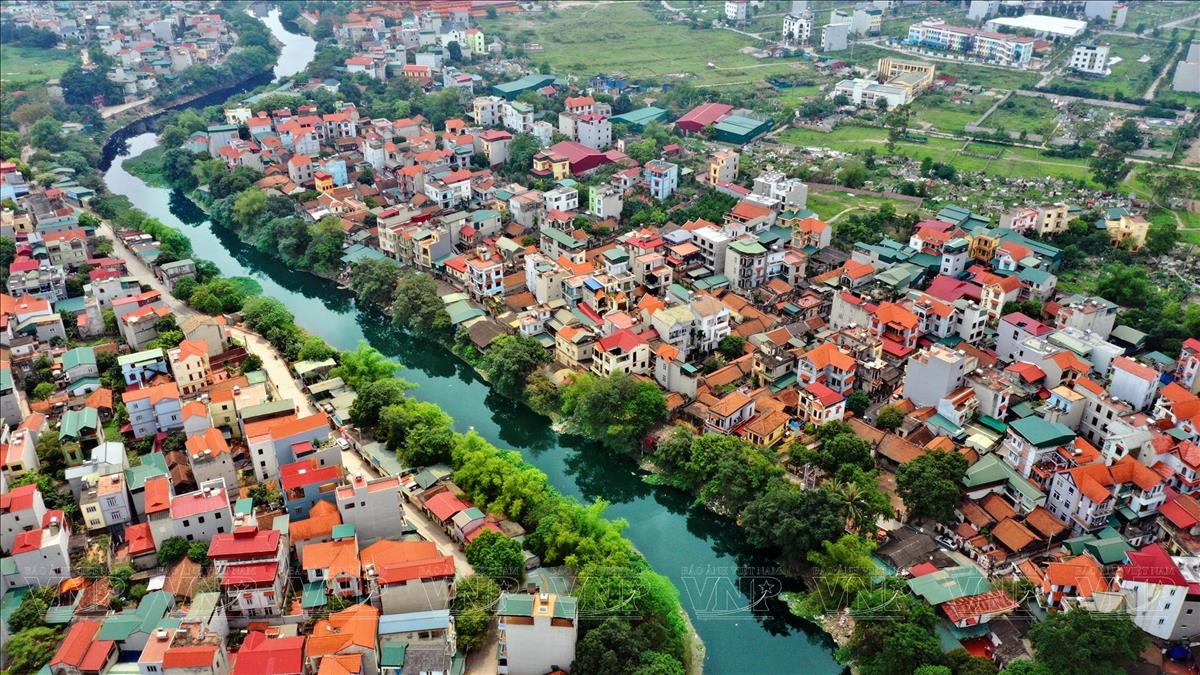
On the banks of the Nhue River in Hanoi’s Binh Minh commune, 400-year-old Cu Da village was once a flourishing trading hub thanks to riverway.
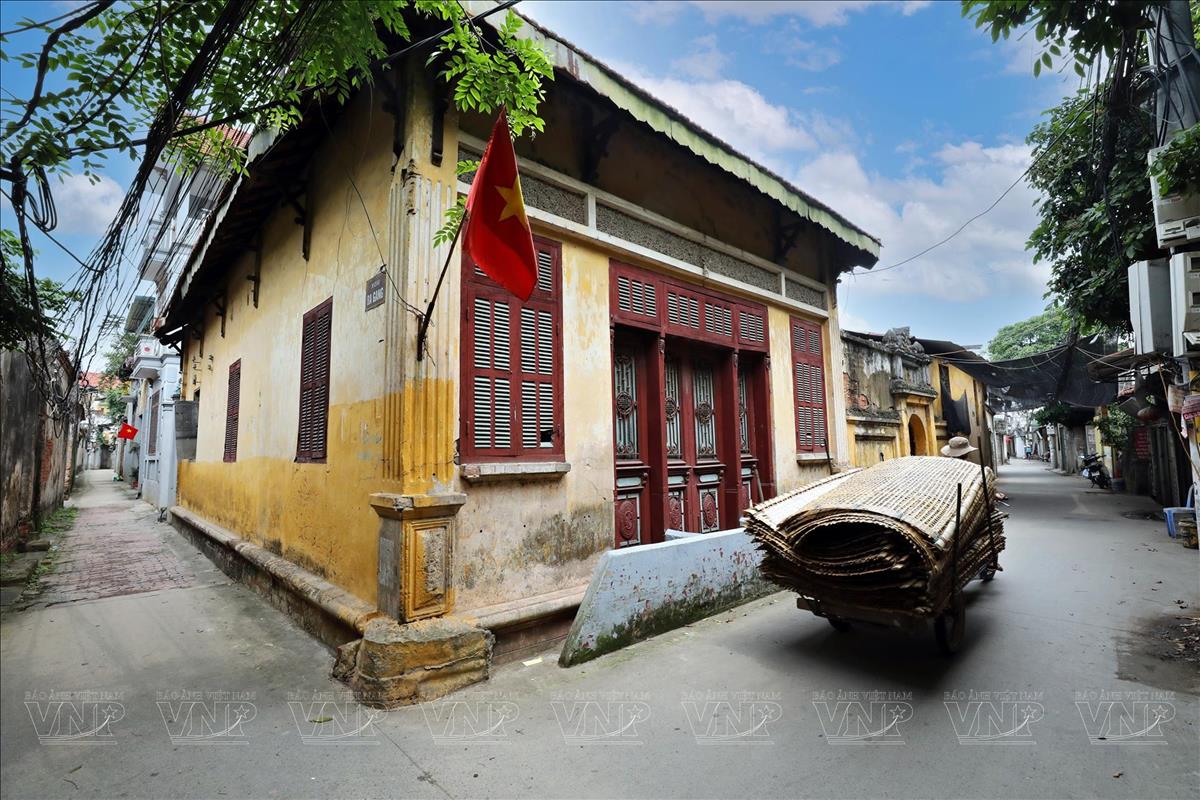
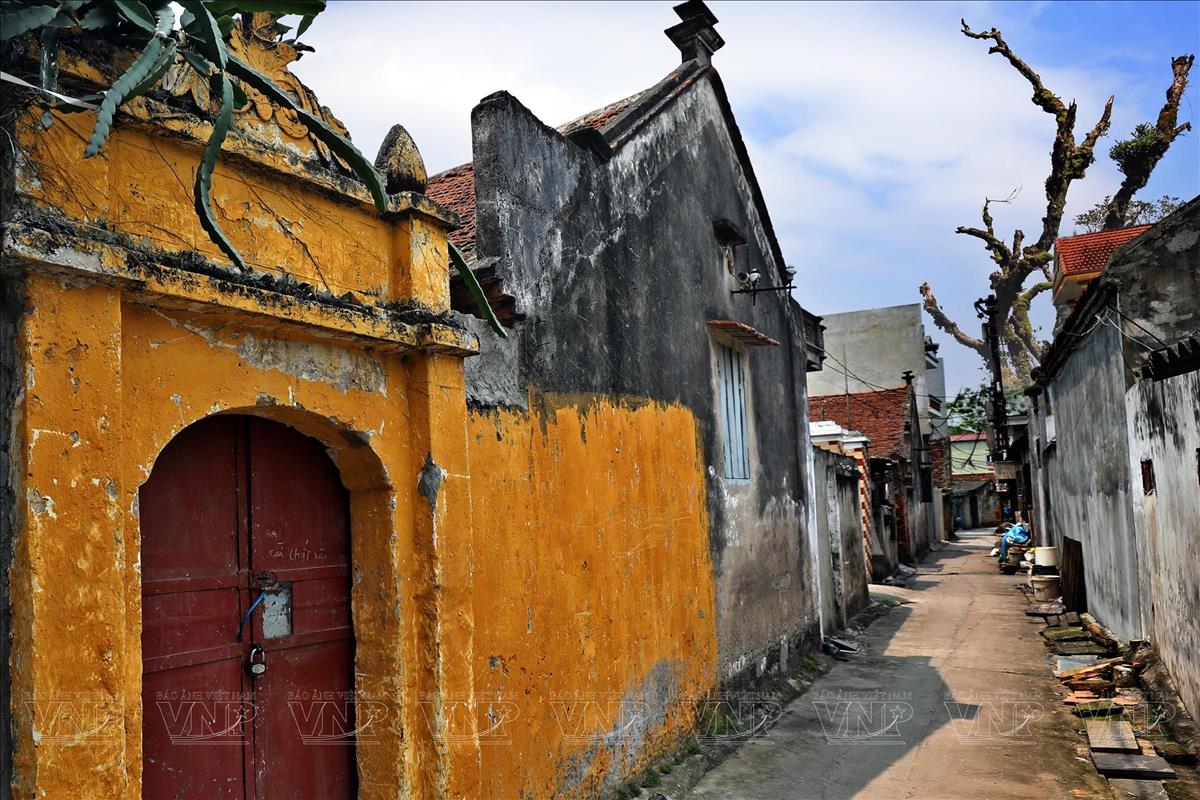
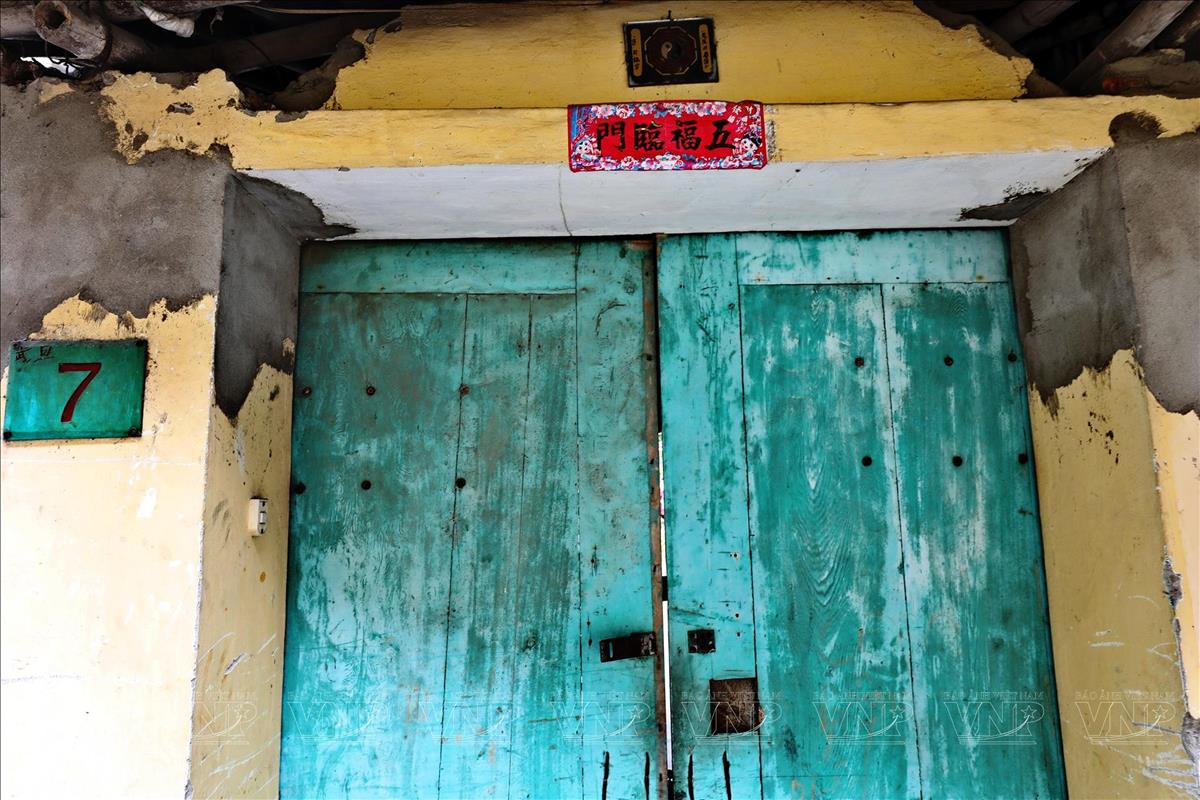
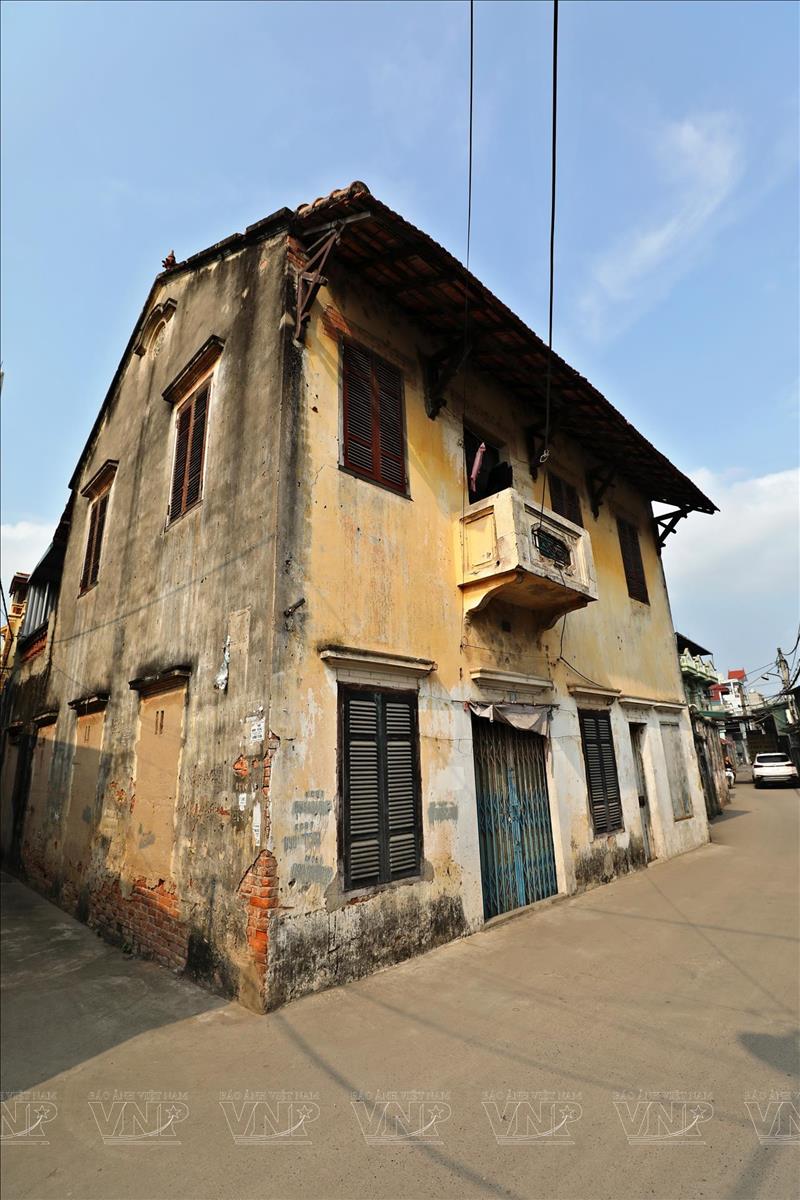
The traces of time are imprinted on Cu Da’s old tile roofs, wooden doors, brick courtyards and traditional three- or five-compartment houses. In Cu Da, Vietnamese architecture is mixed with French-influenced buildings, creating a graceful blend of east and west.
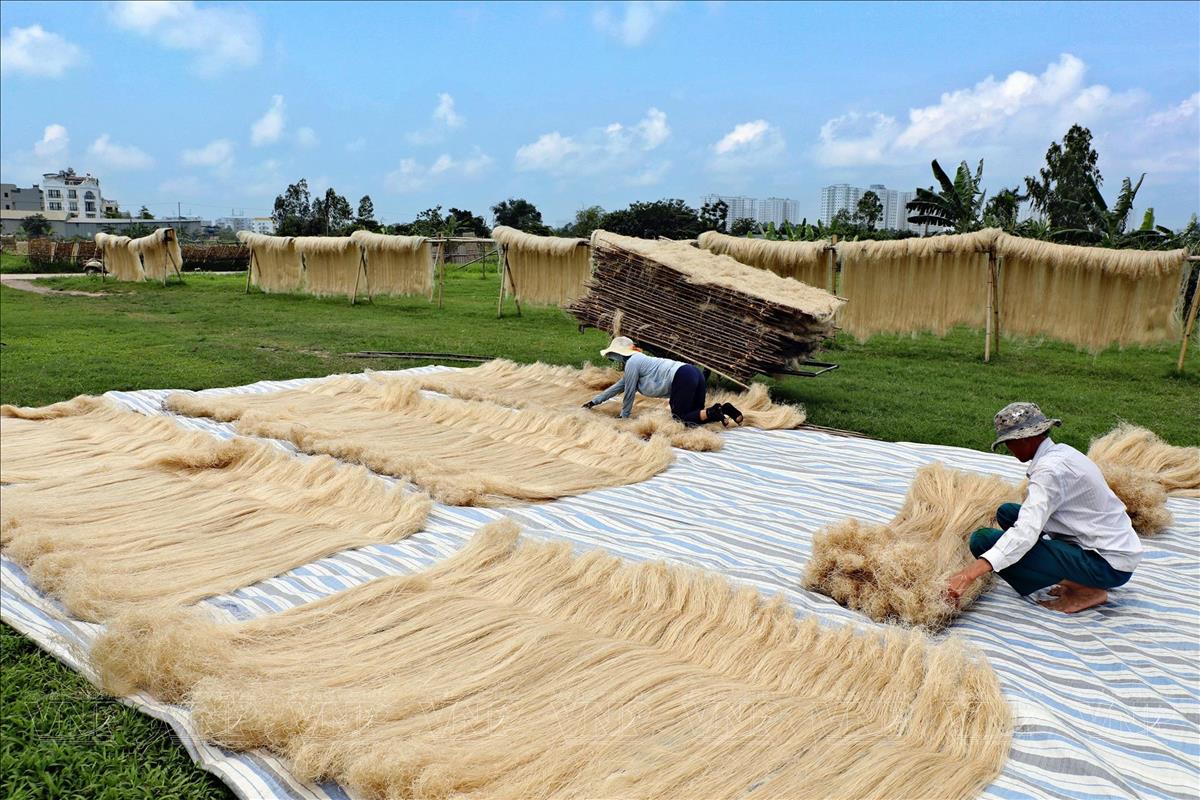
The craft of making vermicelli adds colors to the old village with long strands of noodles spread out in the sun against a backdrop of weathered walls and mossy red tile roofs. Cu Da is also known for its glutinous rice sauce, a traditional craft that the village is trying to preserve and restore.
As urbanization advances, Cu Da is taking on a new look. New homes stand next to timeworn buildings as the hum of machinery blends with the peaceful rhythms of daily routines, showing off the charm of a riverside village where past and present beautifully meet.
Cu Da Ancient village in Binh Minh commune, Hanoi, attracts visitors with its historic architecture, traditional crafts and peaceful atmosphere. Photo: Cong Dat/VNP
Early 20th-century French-style houses blend with traditional homes in Cu Da. Photo: Cong Dat/VNP
Cu Da Ancient Village retains traditional northern Vietnamese features, including banyan trees, a communal house, village gates and centuries-old homes. Photo: Cong Dat/VNP
Cu Da Bridge spans the Nhue River, connecting Cu Da with nearby areas. Photo: Cong Dat/VNP
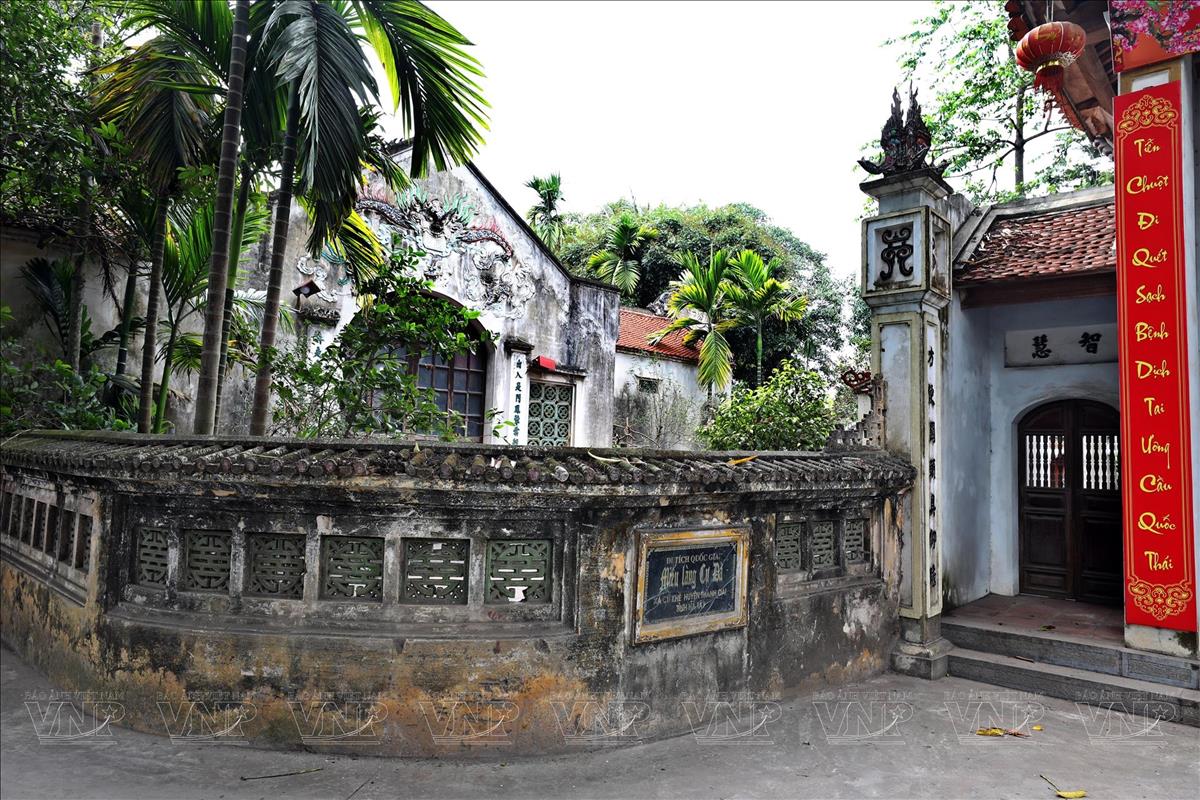
Cu Da Village Shrine, a nationally recognized heritage site, preserves the village’s historical and cultural values. Photo: Cong Dat/VNP
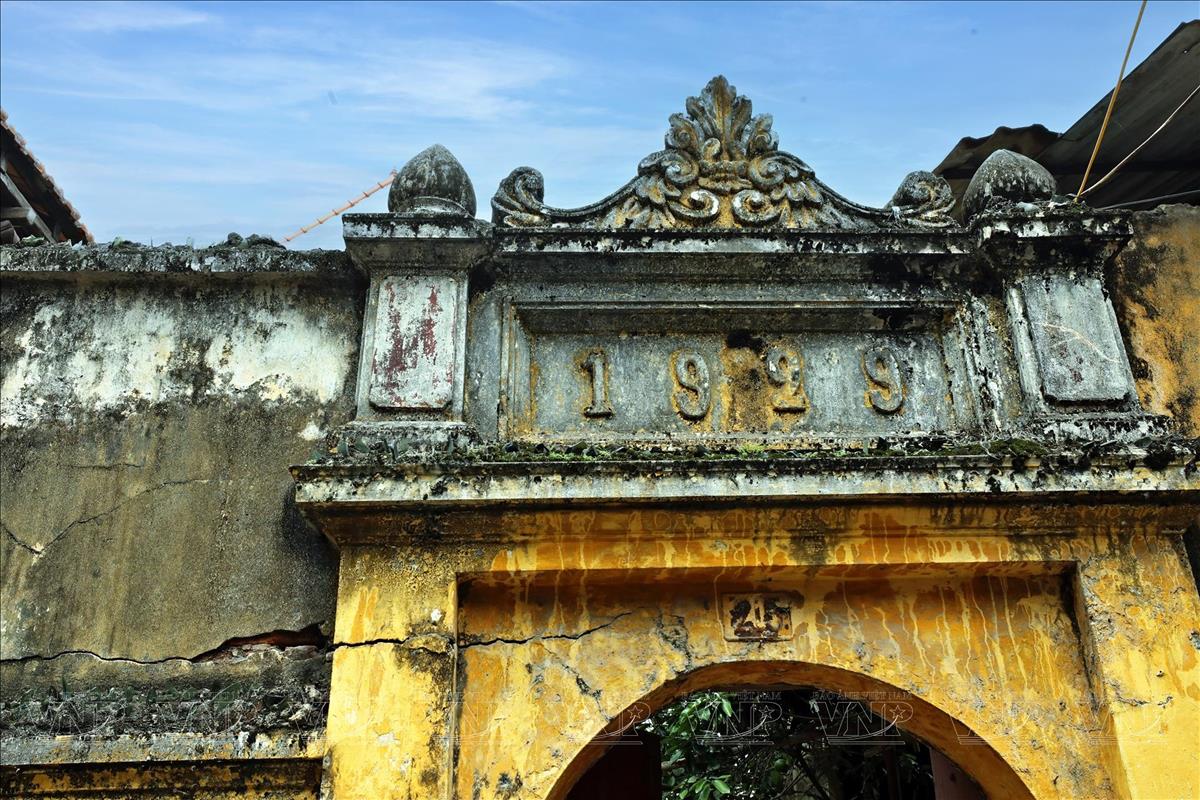
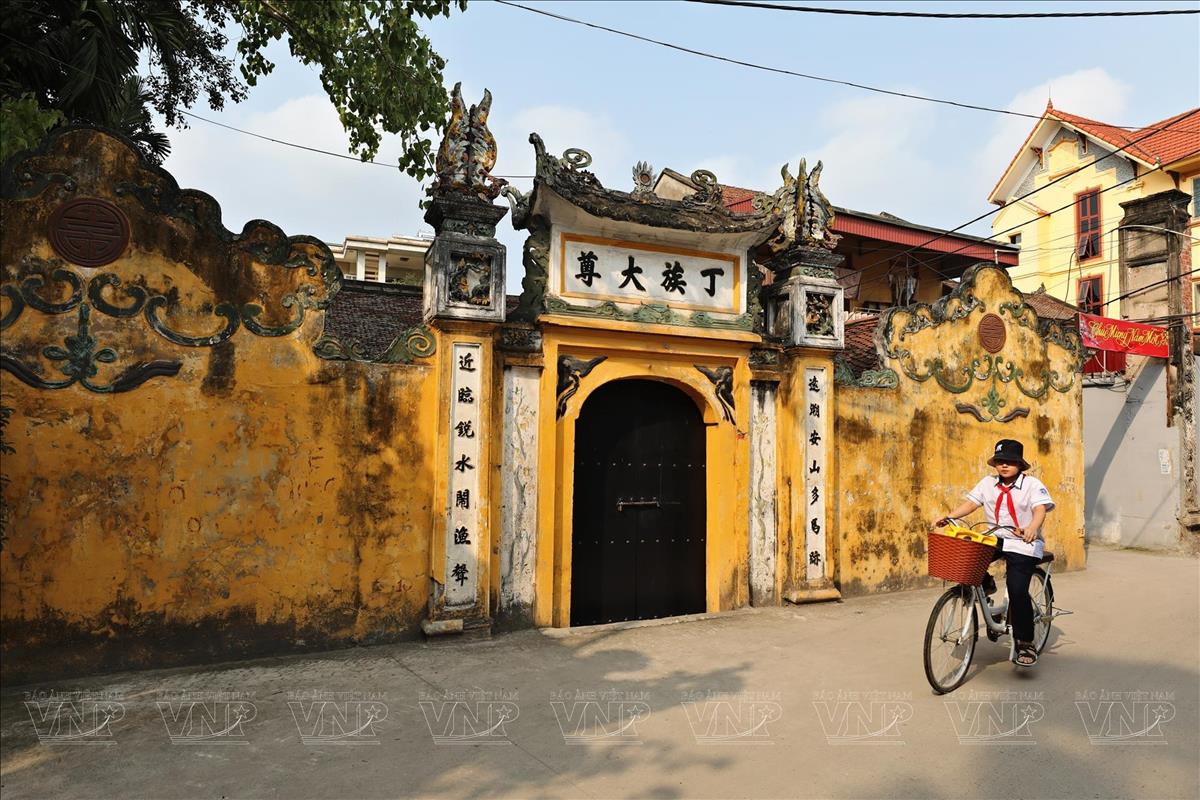
An old gate features sophisticated decorative patterns. Photo: Cong Dat/VNP
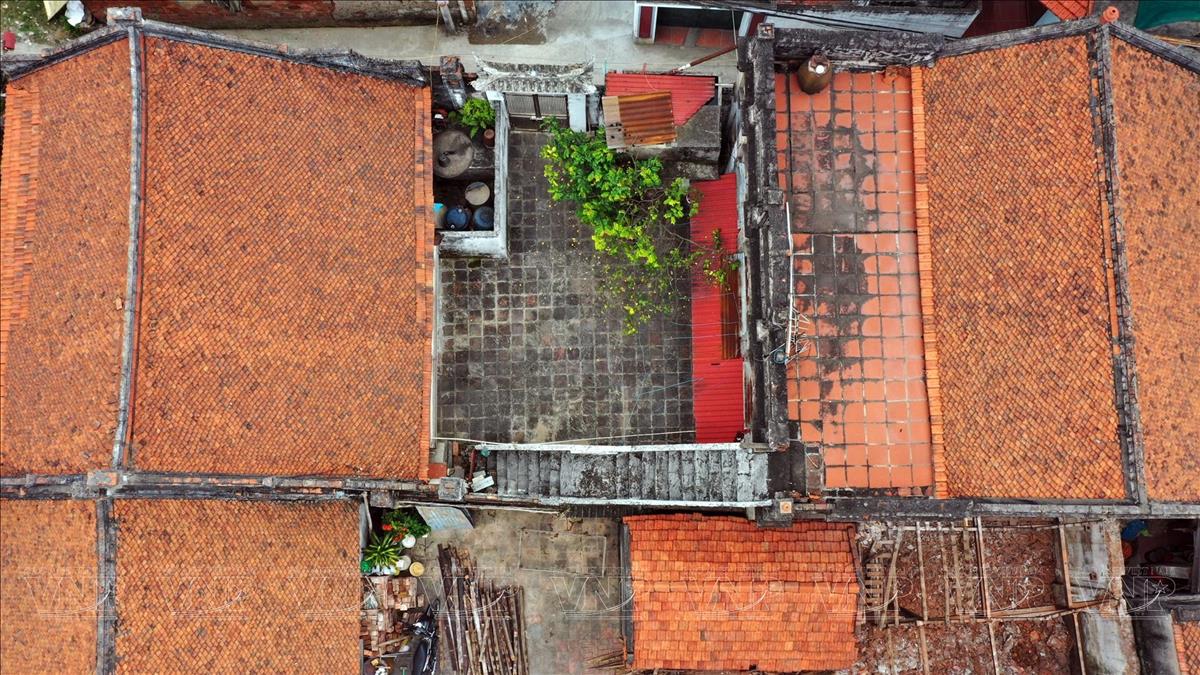
Red-tiled roofs amid greenery in Cu Da Ancient Village. Photo: Cong Dat/VNP
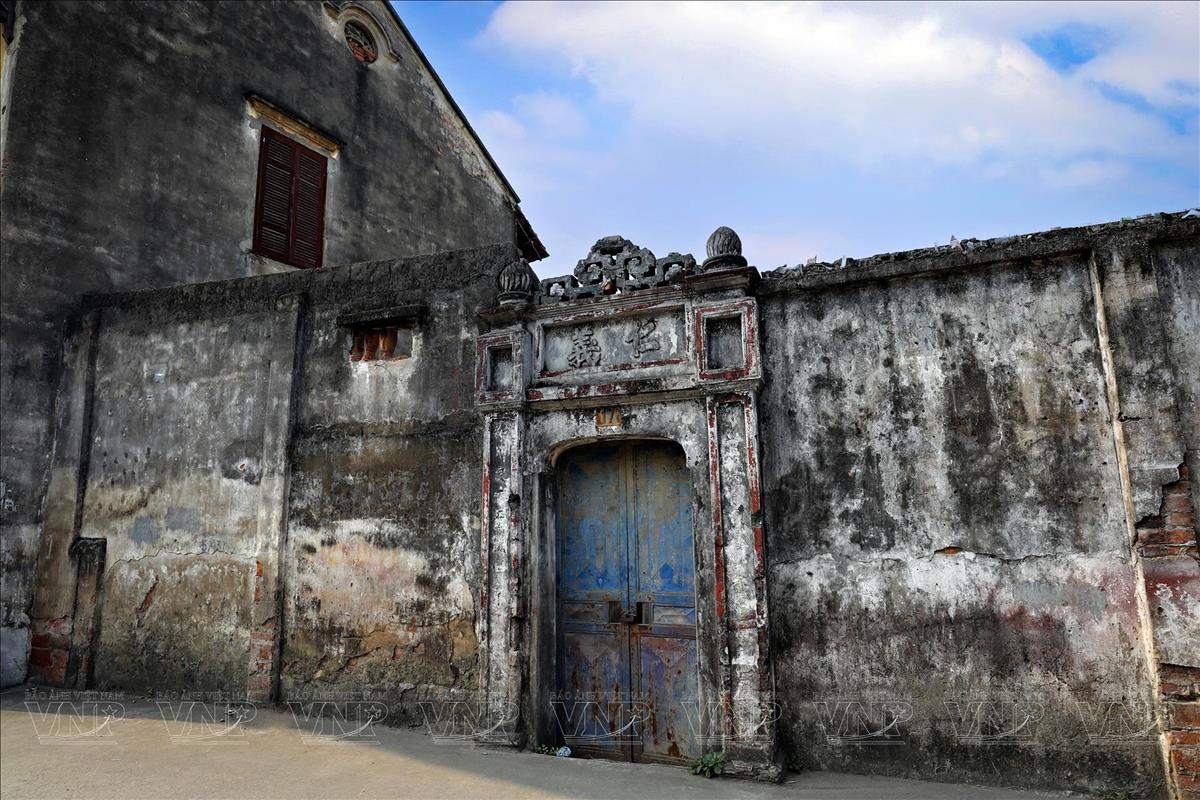
An old house gate with weathered walls and Chinese characters above the entrance. Photo: Cong Dat/VNP
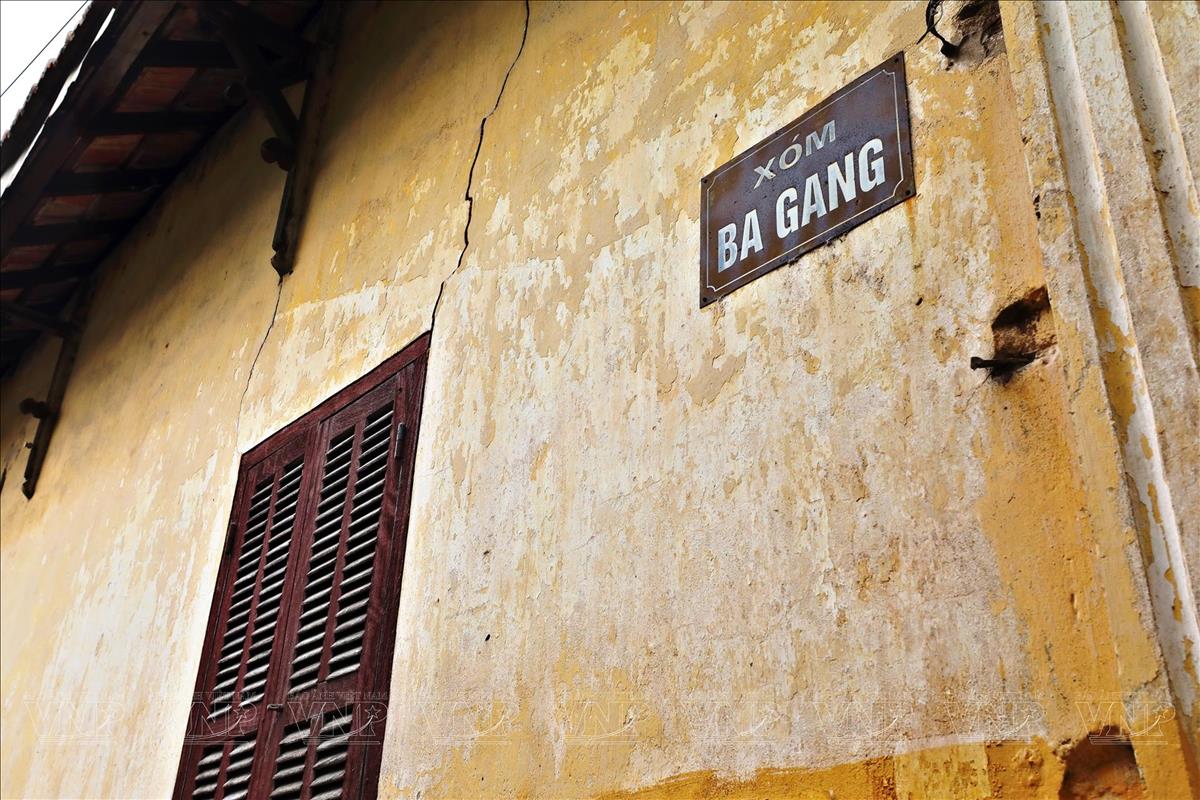
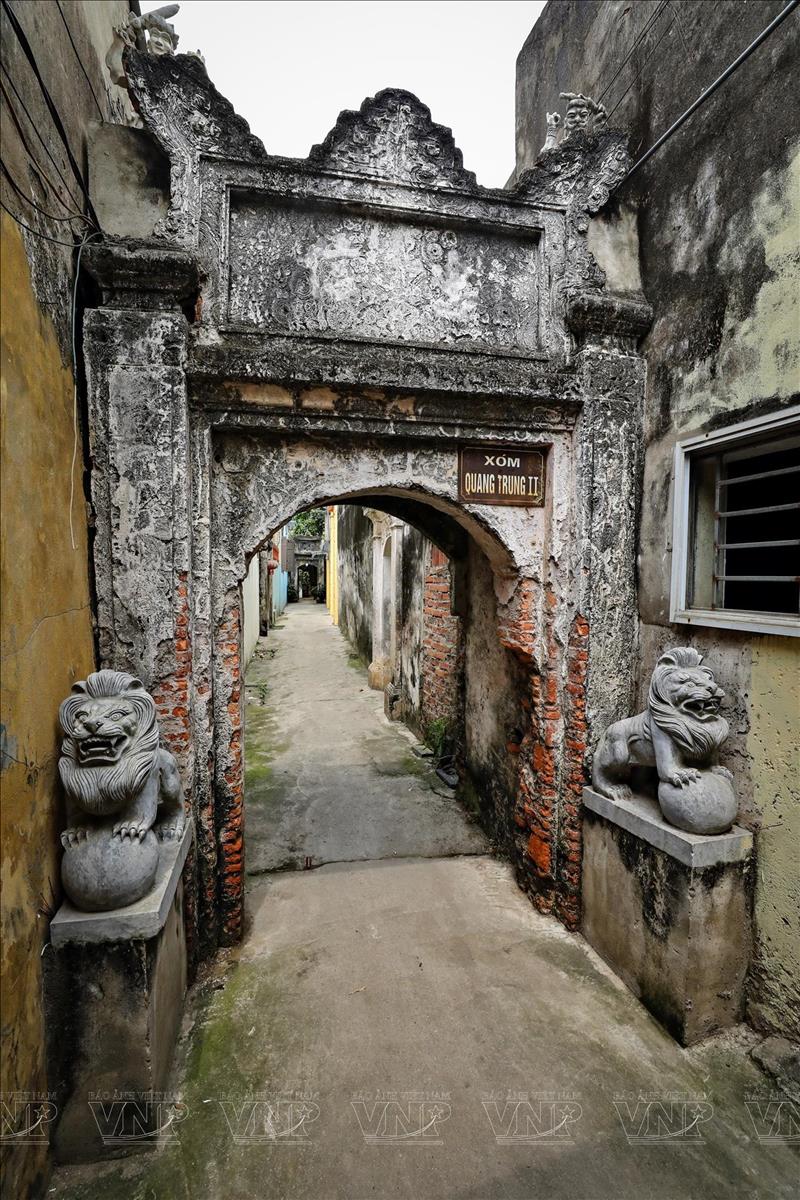
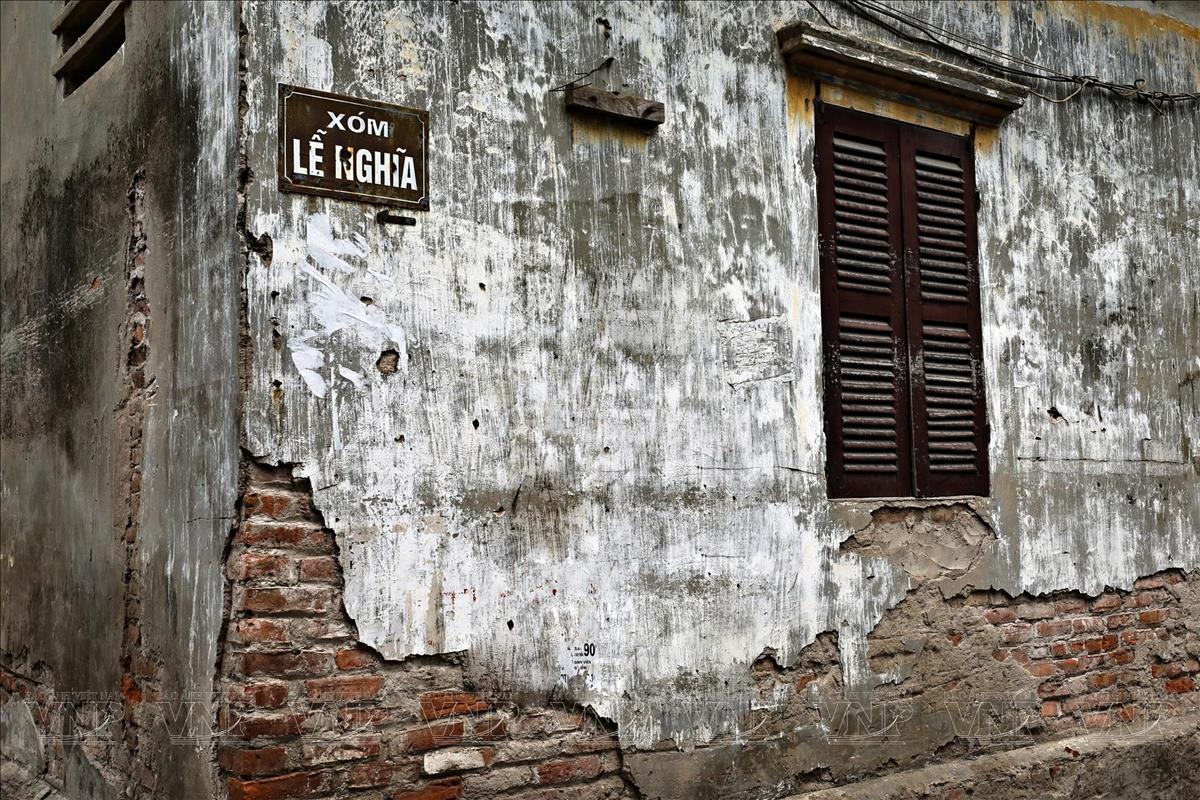
Alley names such as Quang Trung and Le Nghia reflect the unique cultural character of Cu Da ancient village. Photo: Cong Dat/VNP.
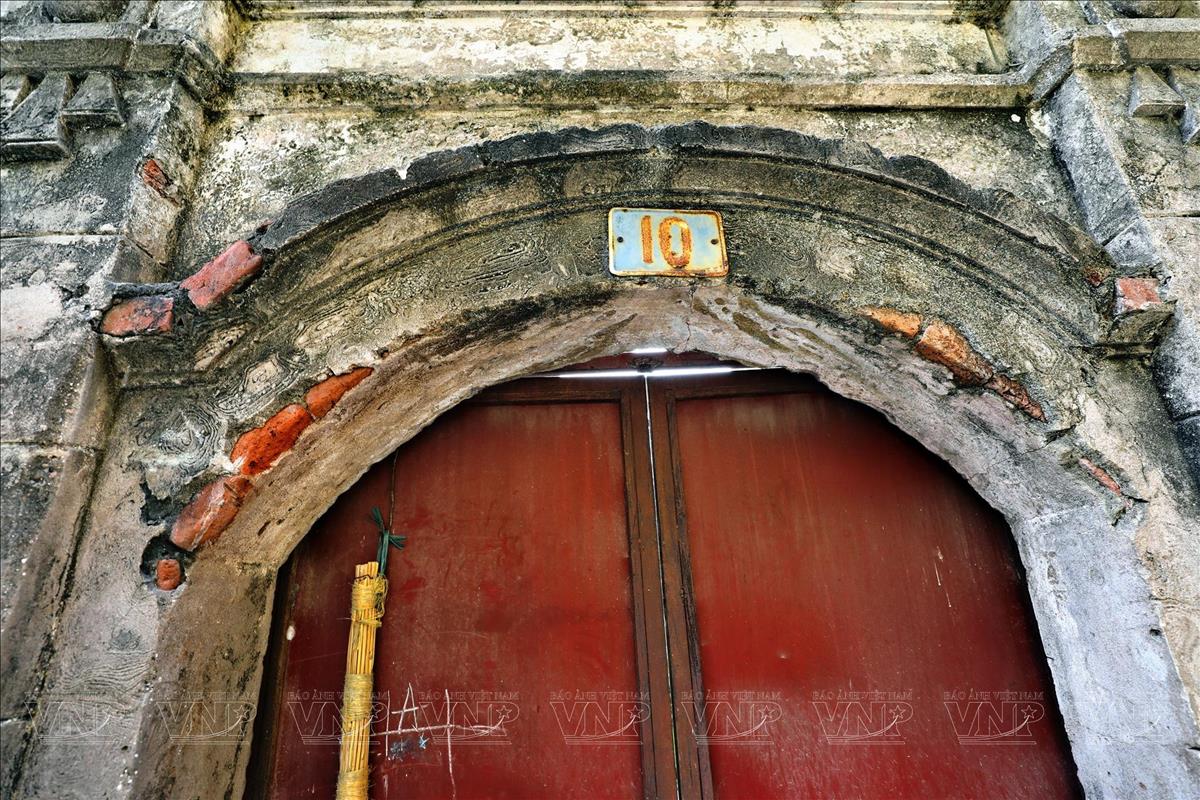
Moss-covered gates of old houses add to the timeless charm of Cu Da ancient village. Photo: Cong Dat/VNP
A semicircular arch bears the distinctive architectural feature of northern villages. Photo: Cong Dat/VNP
The entrance gate to Quang Trung hamlet, with a weathered sign and stone lion statues. Photo: Cong Dat/VNP
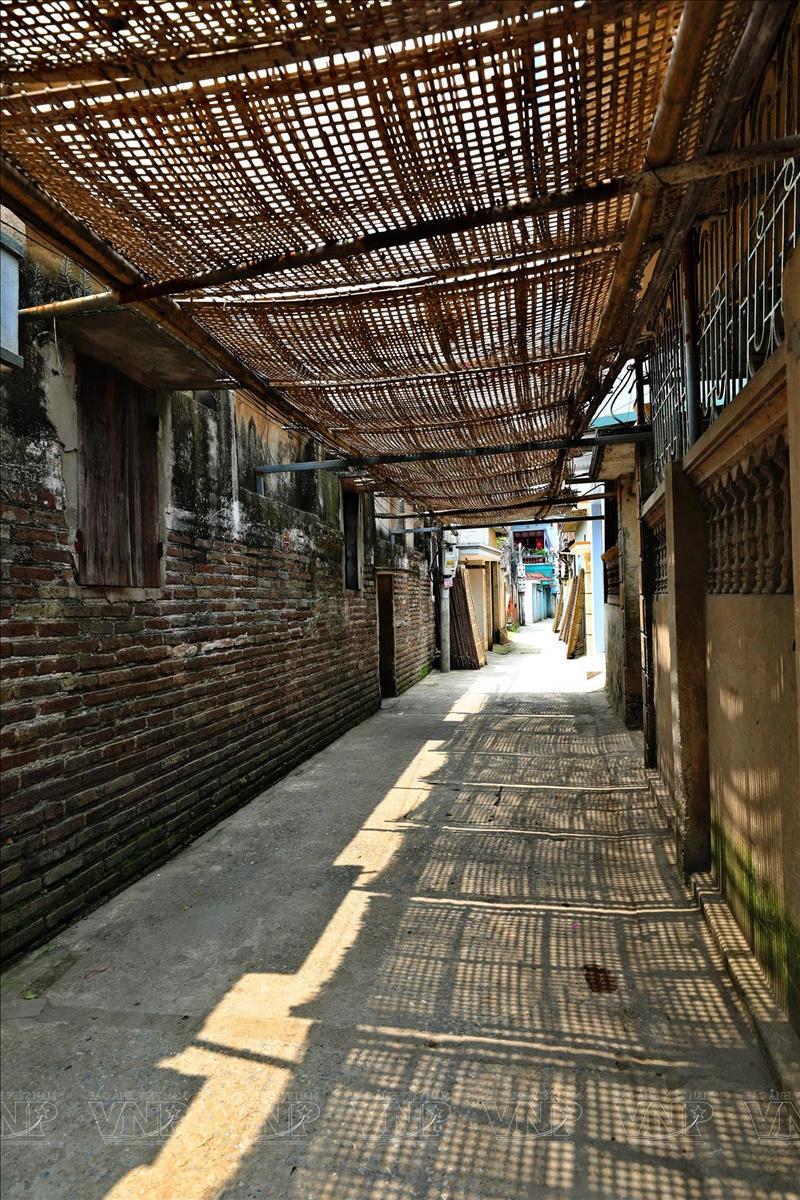
A moss-covered brick wall, wooden window and a sign marking Le Nghia alley. Photo: Cong Dat/VNP.
A red-tiled house featuring French-style architecture stands out in Cu Da ancient village. Photo: Cong Dat/VNP
Cu Da Village has a distinctive “fishbone” layout, with small alleys branching from the main road into different hamlets. Photo: Cong Dat/VNP
The front of a pagoda with an old wall in the back. Photo: Cong Dat/VNP
The craft of making vermicelli adds colors to the old village. Photo: Cong Dat/VNP
Drying vermicelli at Cu Da. Photo: Cong Dat/VNP
An old house in Cu Da, with red-tiled roofs, lush greenery and garden spaces. Photo: Cong Dat/VNP