Can Tho City is orienting its rice production toward concentrated, high-quality, technology-driven, and low-emission models, establishing large-scale specialized rice-growing zones, particularly for high-quality, specialty, and double-crop varieties.
The city is accelerating the application of science, technology, innovation, and digital transformation, while standardizing production processes and traceability systems. It is also fostering linkages between farmers, cooperatives, and enterprises, and integrating production with deep processing and export markets, aiming to gradually build high-quality and specialty rice value chains under the Can Tho brand. To date, the entire city has implemented over 8,000ha of high-quality, low-emissions rice production area models under the one million hectare project.
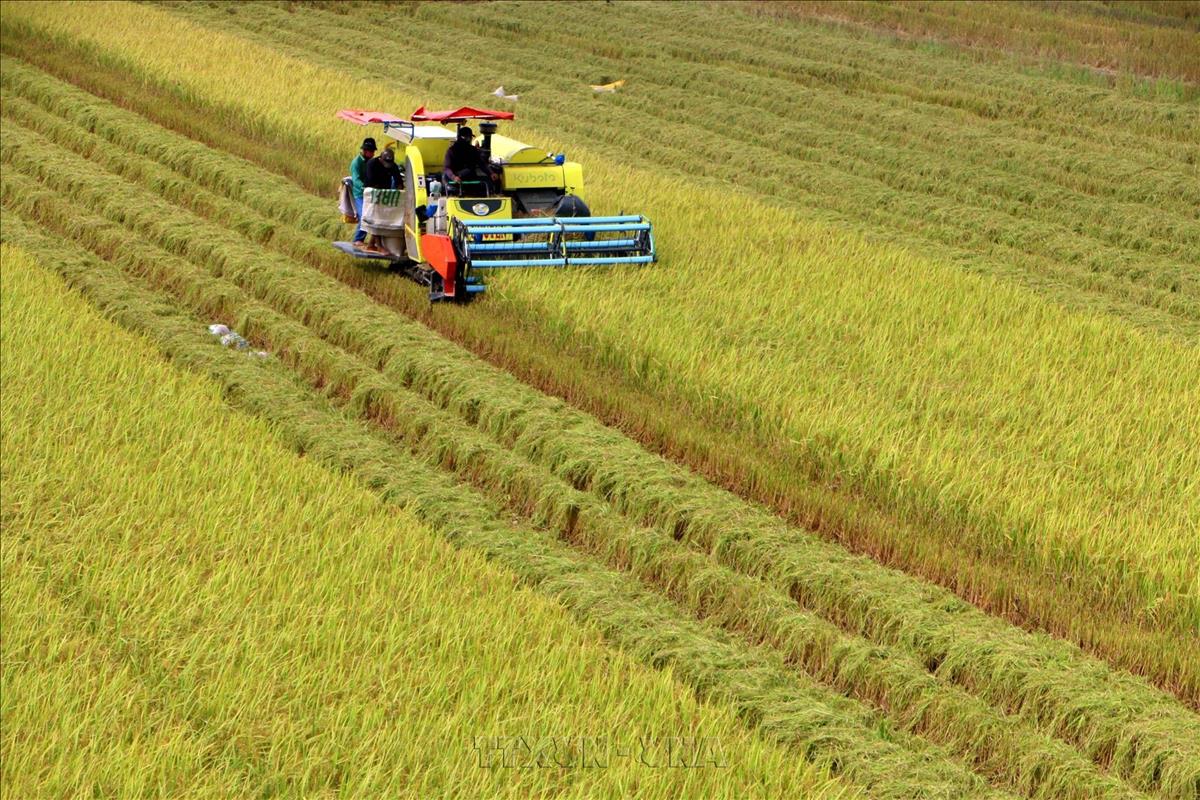
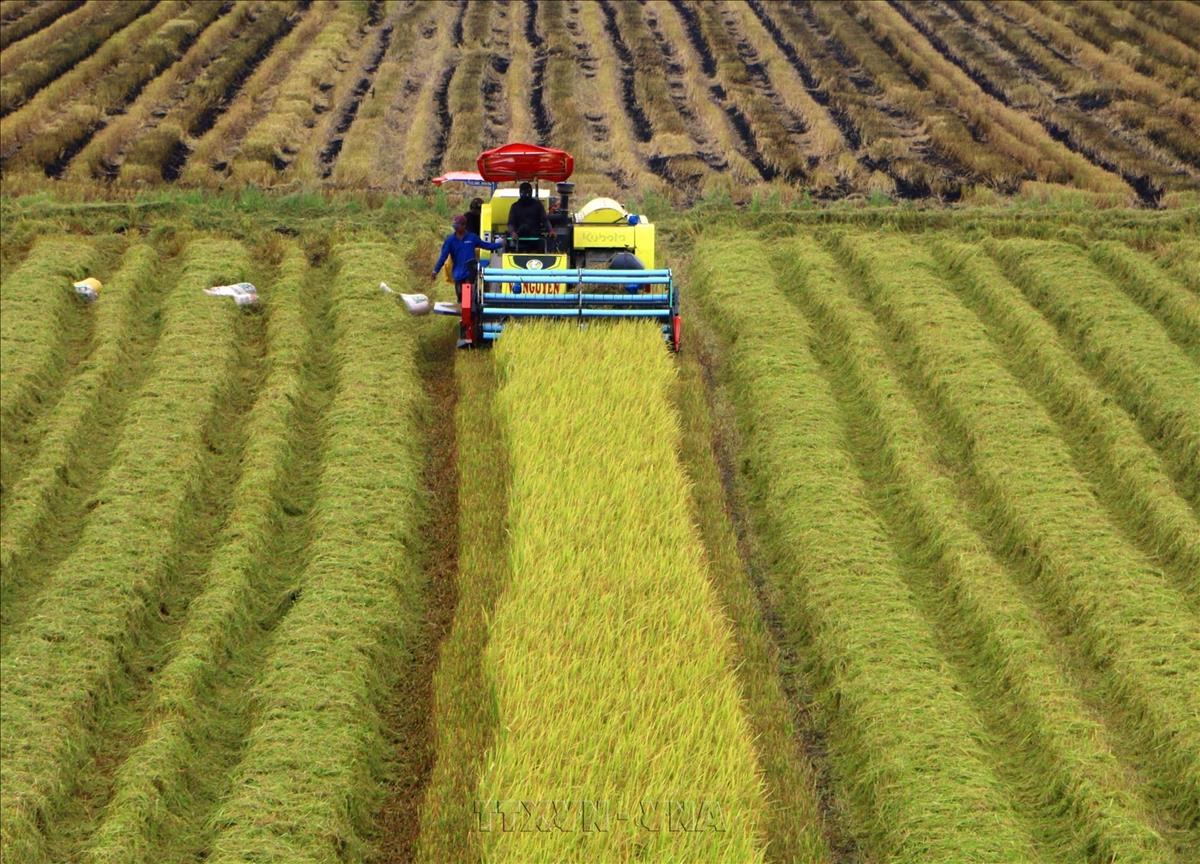
Can Tho identifies rice as a key agricultural product but is shifting from volume-oriented production to high-quality and specialty rice, focusing on concentrated production, the application of science and technology, and integration into value chains. Photo: VNA
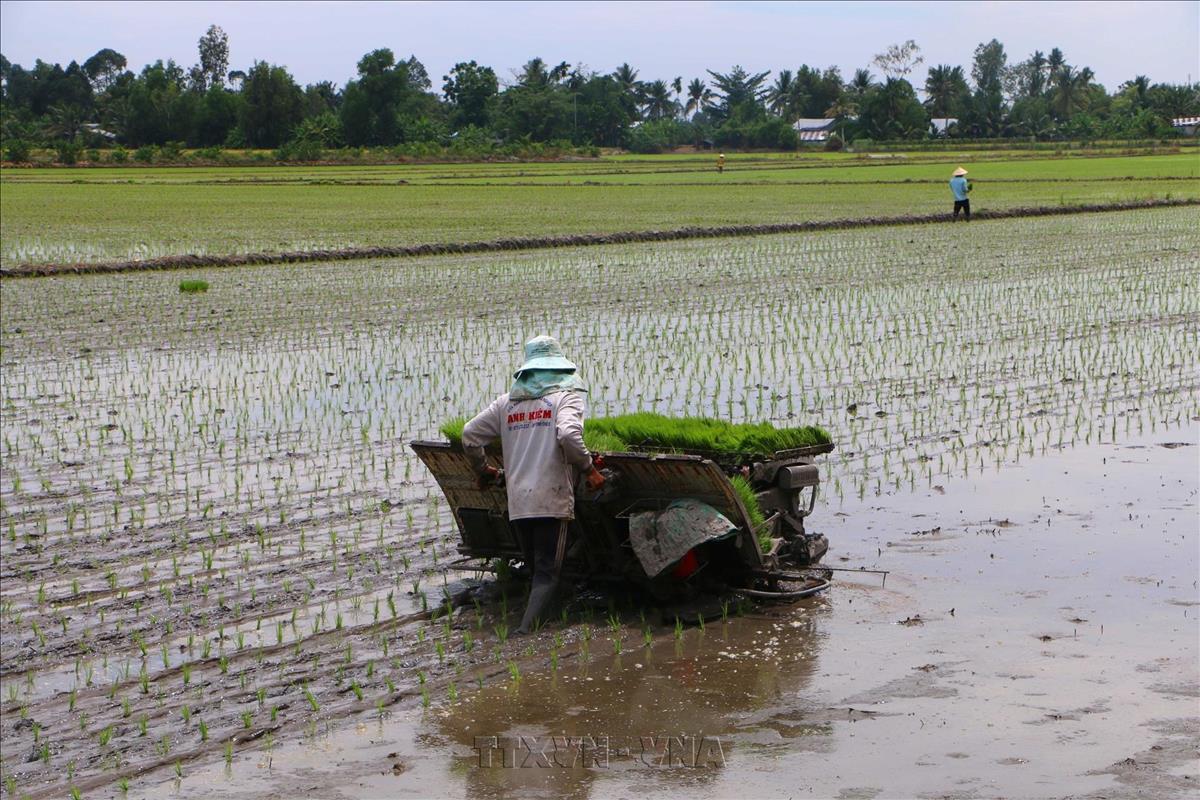
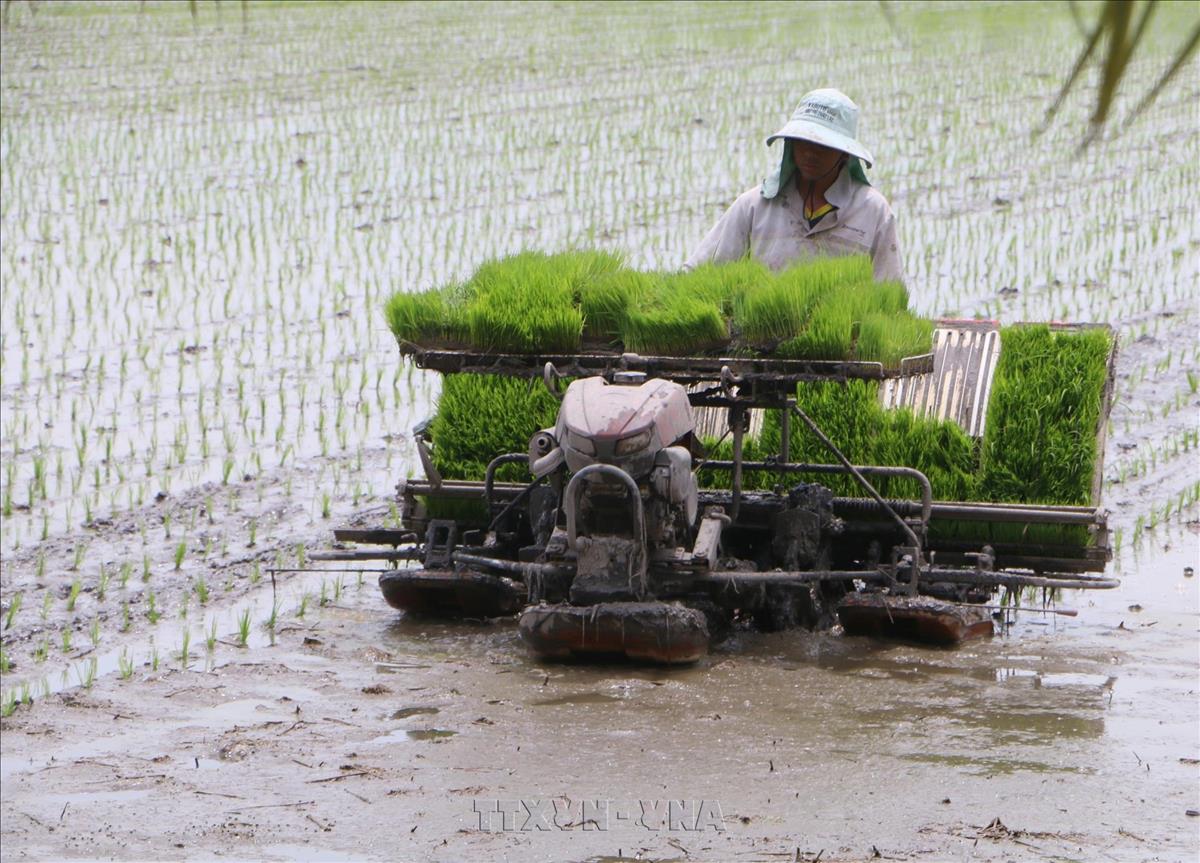
Can Tho is shifting from small-scale agricultural production to large-scale, concentrated, and linked production, establishing high-quality specialized farming zones. Photo: VNA
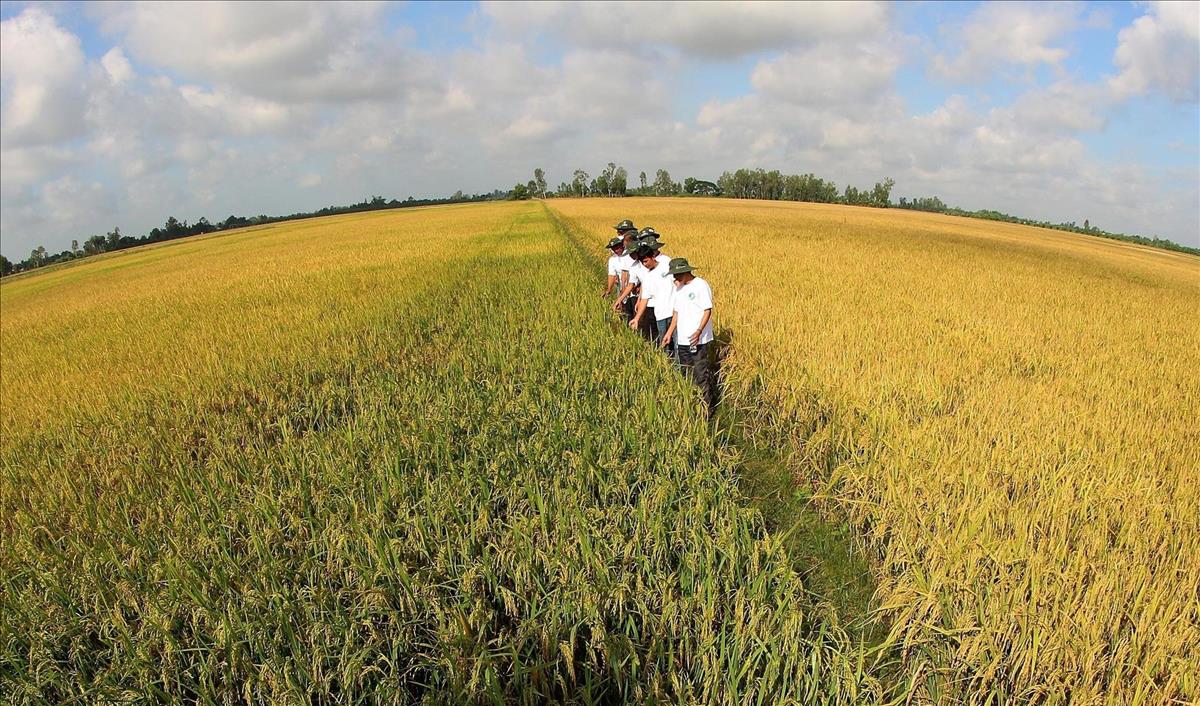
Can Tho is planning zones for high-quality, two-crop rice production while simultaneously establishing large-scale, concentrated commodity production areas that meet market standards and requirements. Photo: VNA
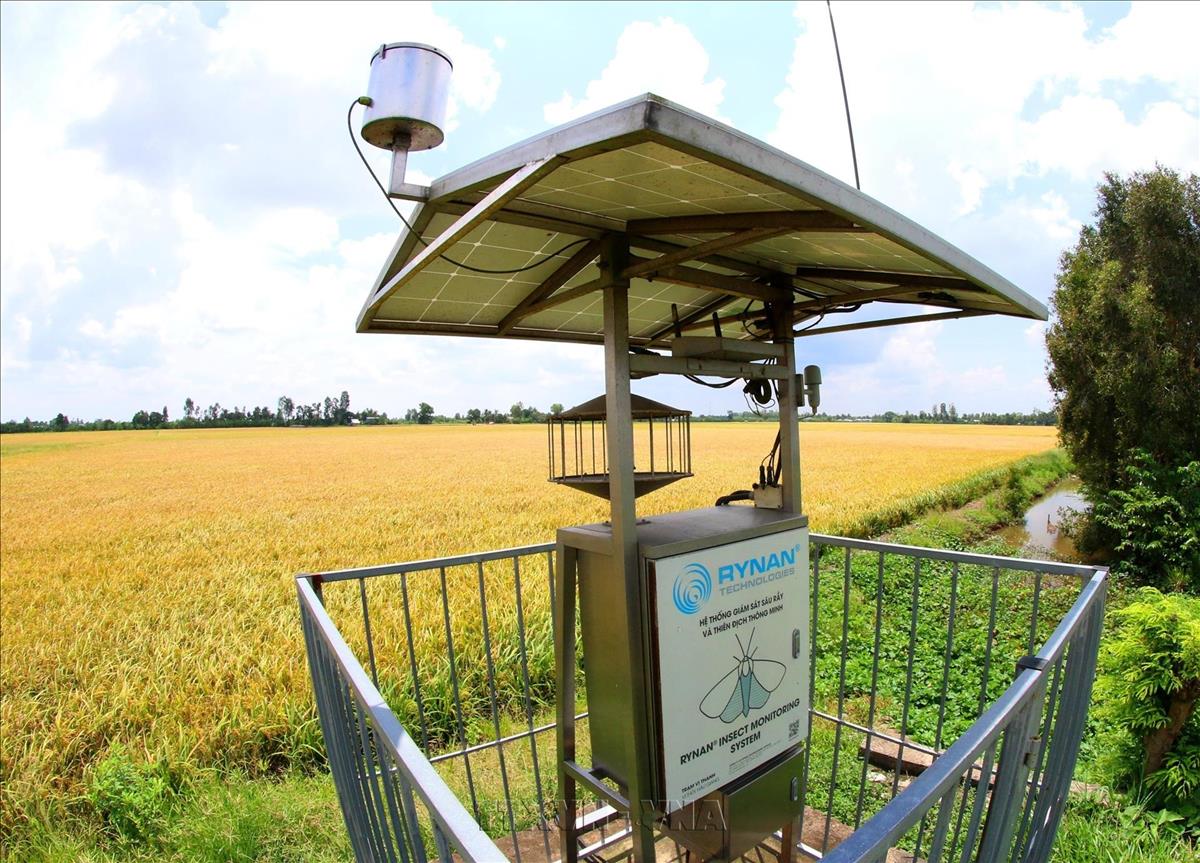
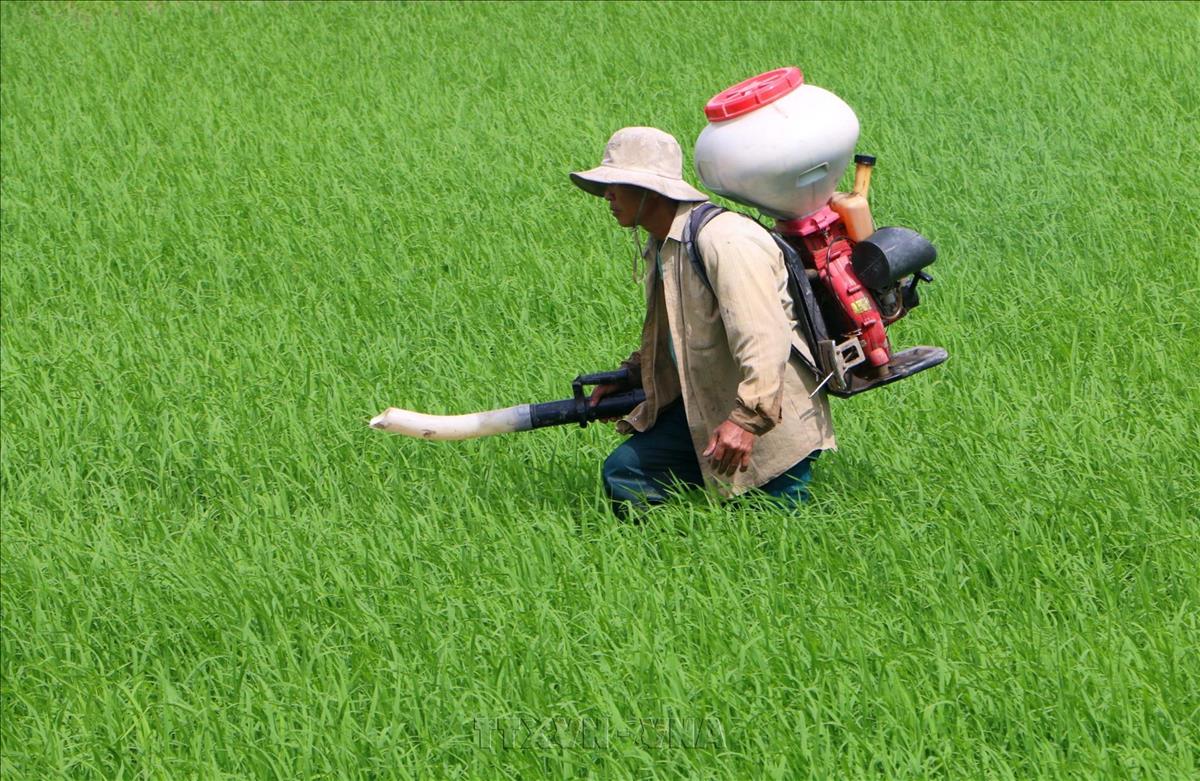
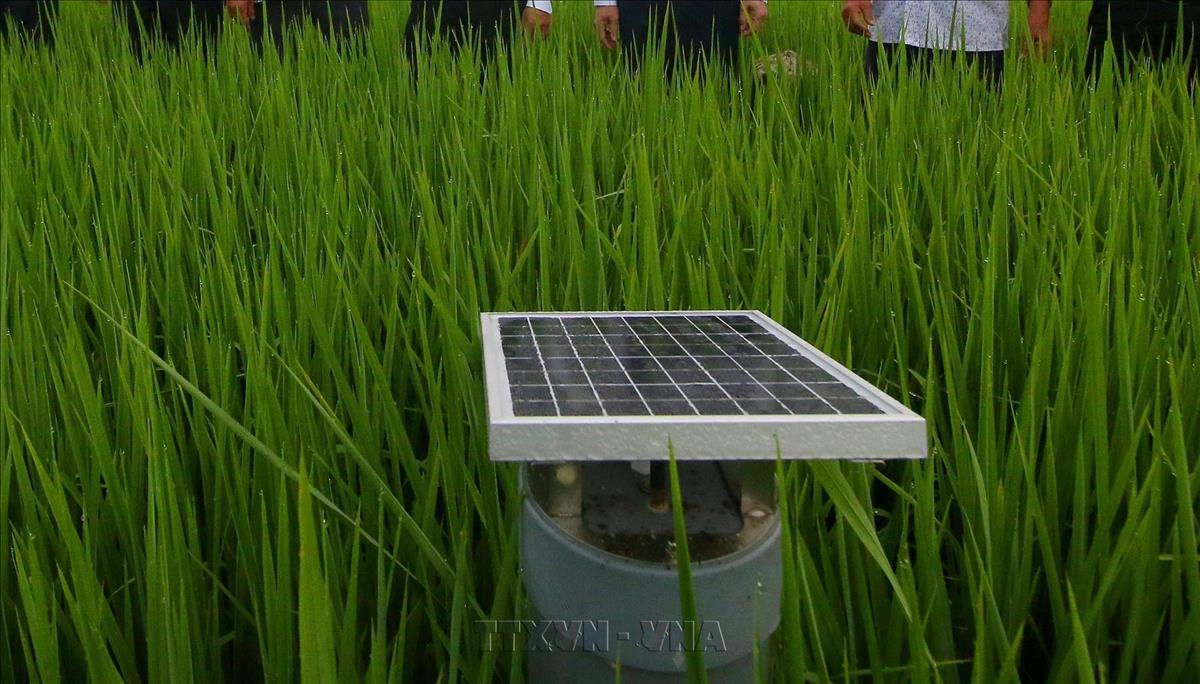
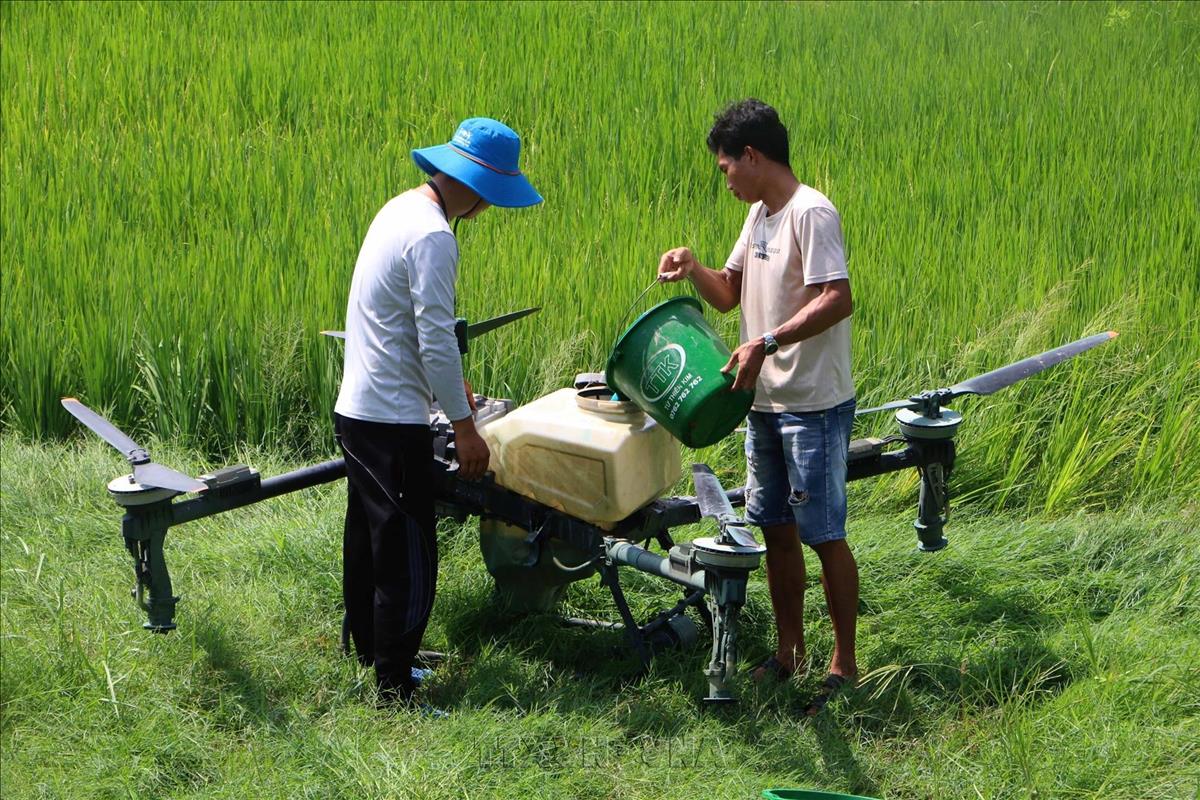
Can Tho applies science, technology, and equipment to monitor fields, as well as to detect and control pests and diseases at an early stage. Photo: VNA
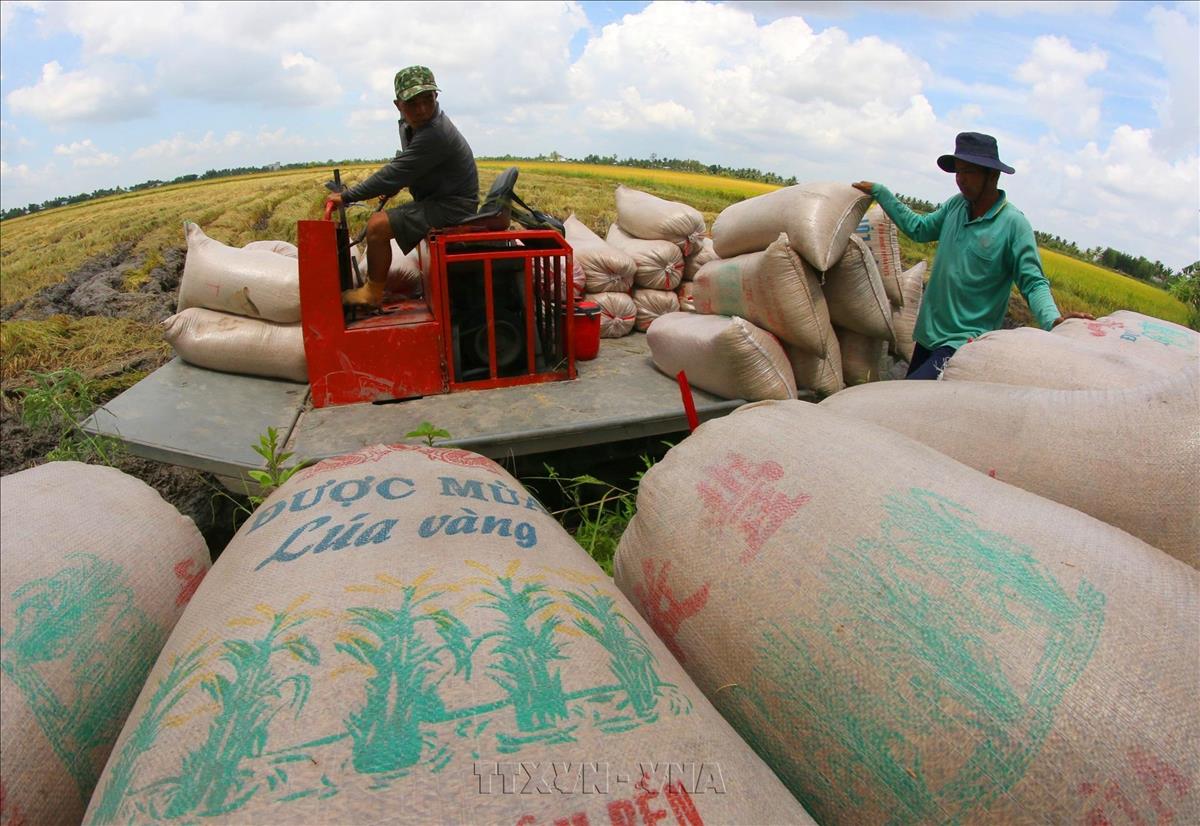
Can Tho is implementing the project for one million hectares of high-quality, low-emission rice across 65 communes and wards, covering a total area of over 170,000 hectares, ensuring production meets high-quality and safety standards while securing guaranteed product off-take. Photo:VNA
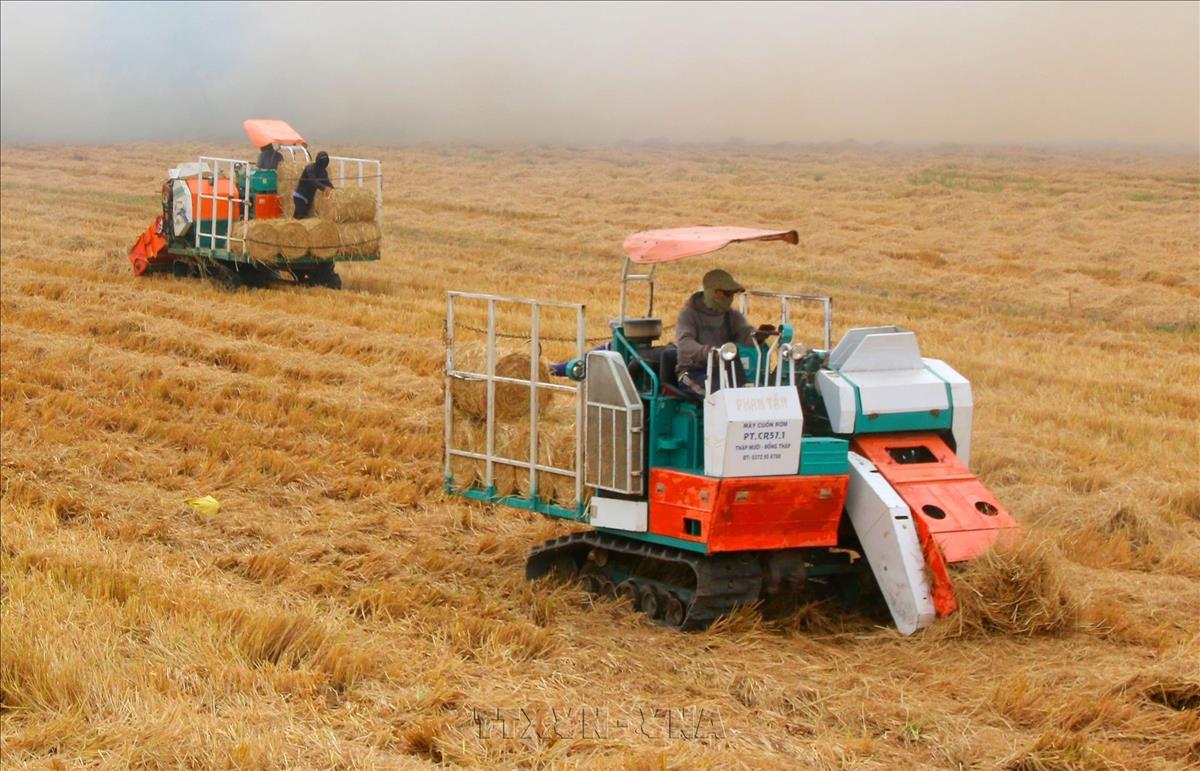
Can Tho’s consistent strategic direction is to develop agriculture in harmony with nature, maximizing adaptation to natural conditions and climate change while reducing emissions and environmental pollution. Photo: VNA
Can Tho is not pursuing extensive agricultural development, but rather a model that utilizes less land while generating higher value. Photo: VNA
Can Tho is implementing dozens of field trial models across various communes to validate methods and help improve fertilizer efficiency, reduce seed usage, and lower production costs. Photo: VNA
ViRiCert, a new digital compliance assessment mechanism designed to support the One Million Hectares of High-Quality, Low-Emission Rice program in Can Tho. Photo: VNA
Can Tho is not pursuing extensive agricultural development, but rather a model that utilizes less land while generating higher value. Photo: VNA
Can Tho shifts the development model from an agriculture sector focused on output to one that is high-tech, eco-friendly, responsible, and sustainable. Photo: VNA