Home to one of Vietnam's richest biodiversity reserves, the Bach Ma National Park is stepping up efforts to transform its unique natural assets into sustainable tourism products while maintaining long-term conservation goals. The park is recognized as one of Vietnam's most biologically diverse protected areas, with a history of scientific exploration and conservation spanning more than a century, closely intertwined with many of the country's important historical milestones.
Under the ecotourism, resort and recreation development plan for 2024-2030, approved by the Ministry of Agriculture and Environment, the park will develop 12 ecotourism sites and 14 tourism routes. Tourism activities will be confined to service and ecological restoration zones, while strictly protected areas will remain off limits to recreational development./.
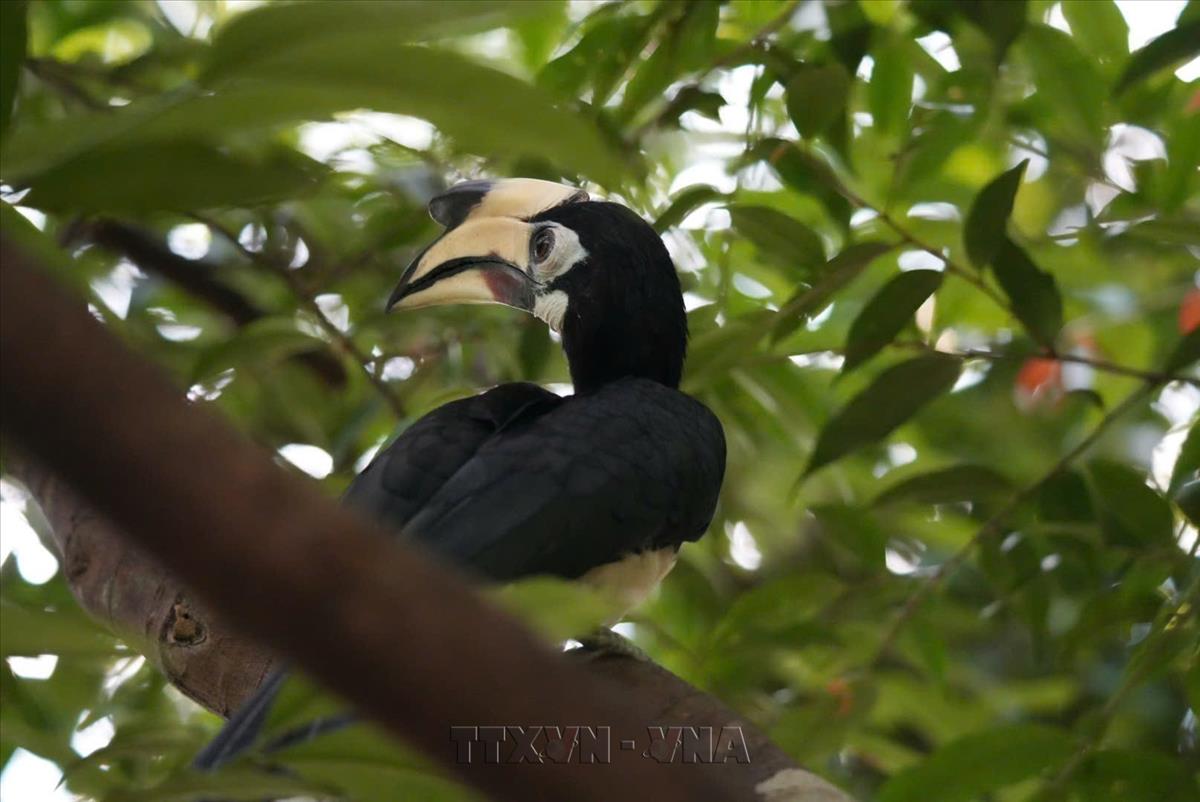
Recent surveys have identified 1,728 animal species from 54 orders and 266 families, including 70 listed in Vietnam's Red Data Book 2007 and 52 in the International Union for Conservation of Nature (IUCN) Red List in 2016. Photo: VNA
Over the years, scientists, researchers and technical experts have undertaken extensive field surveys, leading to the discovery and documentation of many rare species and providing a solid scientific foundation for conservation. Photo: VNA
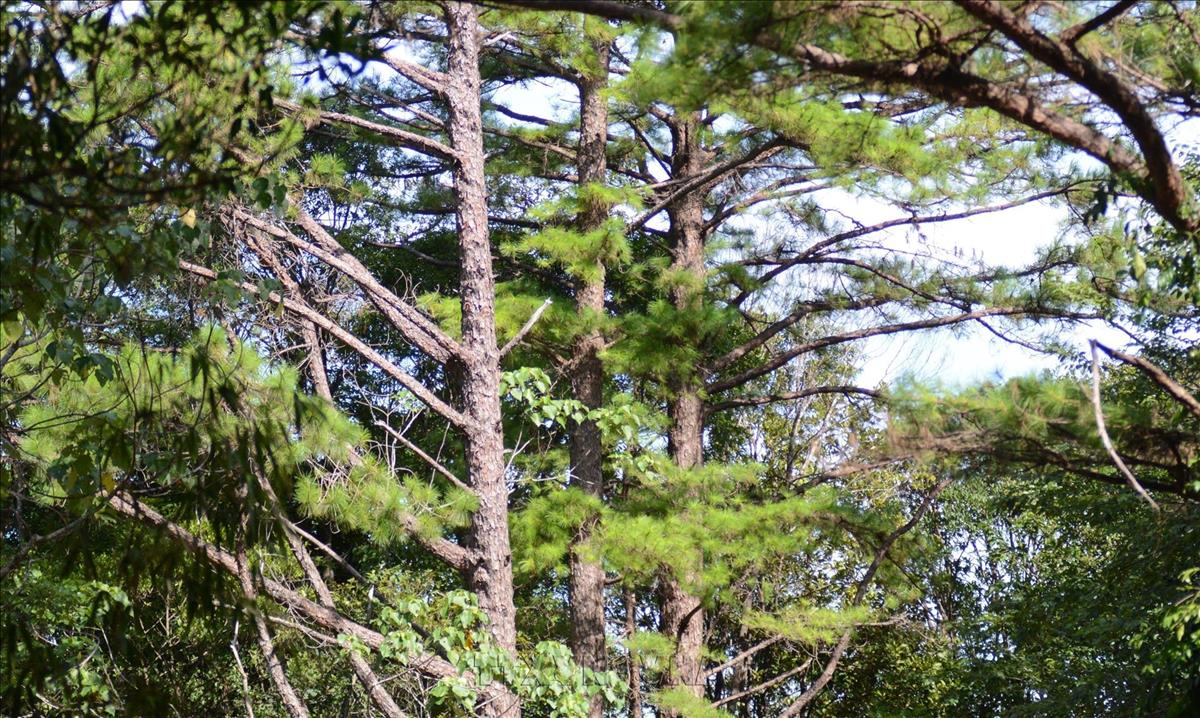
Century-old pine trees at Bach Ma National Park. Photo: VNA
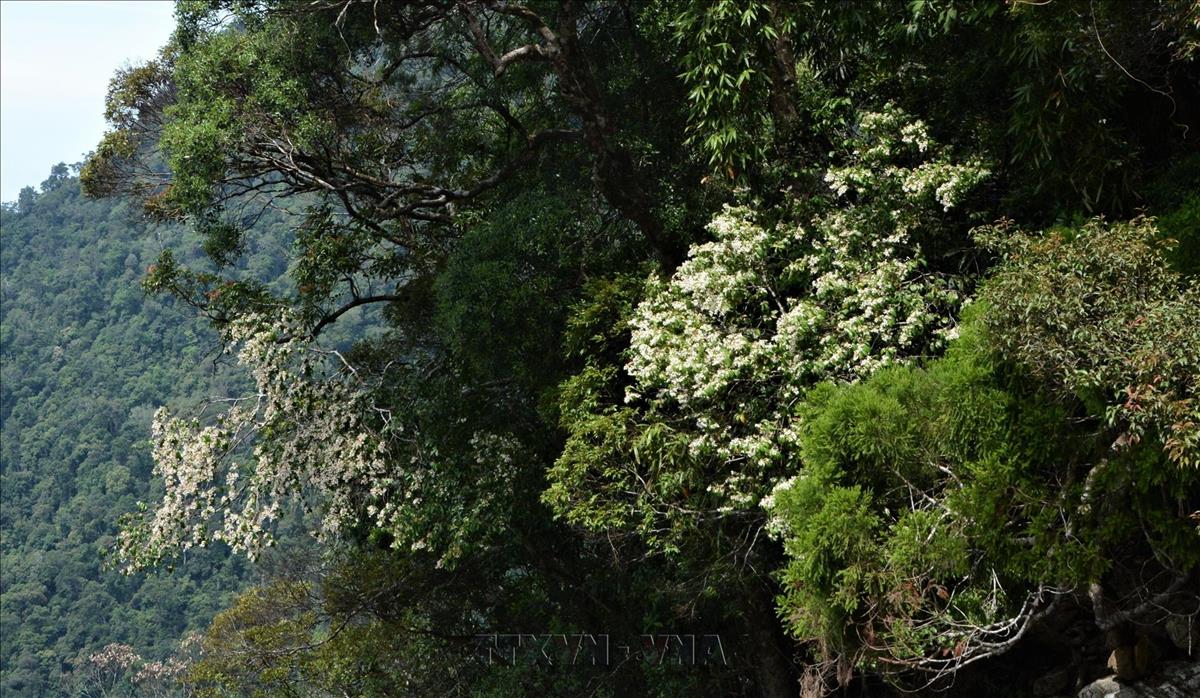
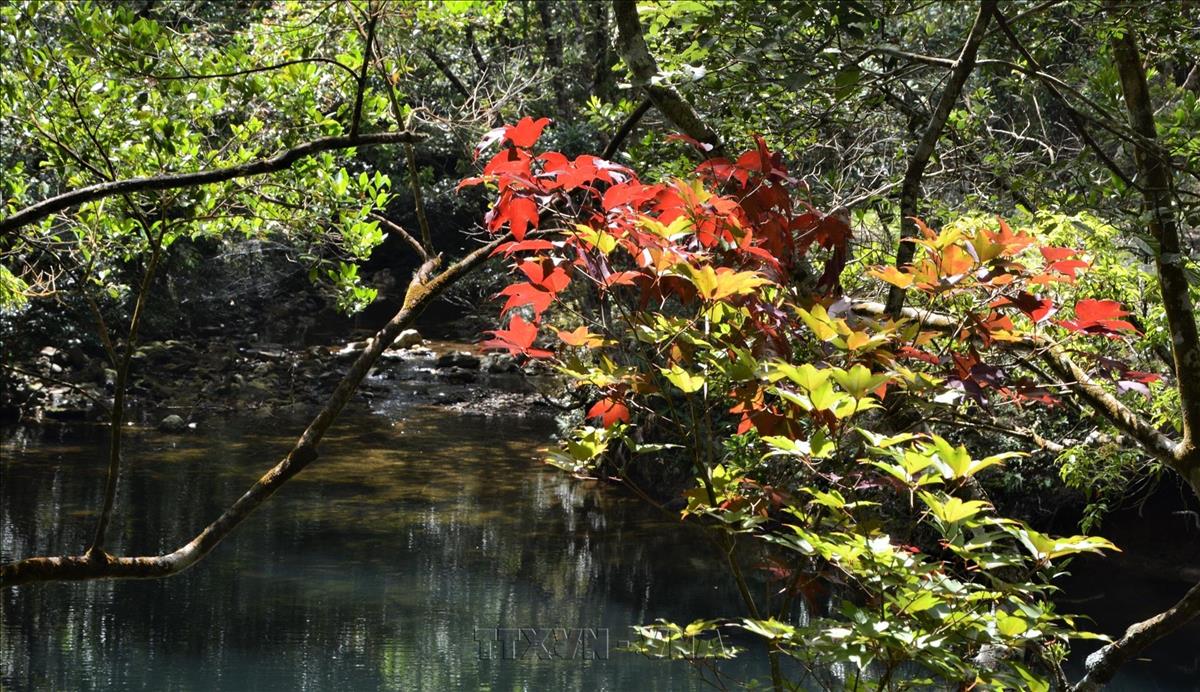
The rich ecosystems attract many renowned scientists, whose botanical, zoological and geographical surveys help establish Bach Ma as one of Indochina's important scientific sites. Photo: VNA
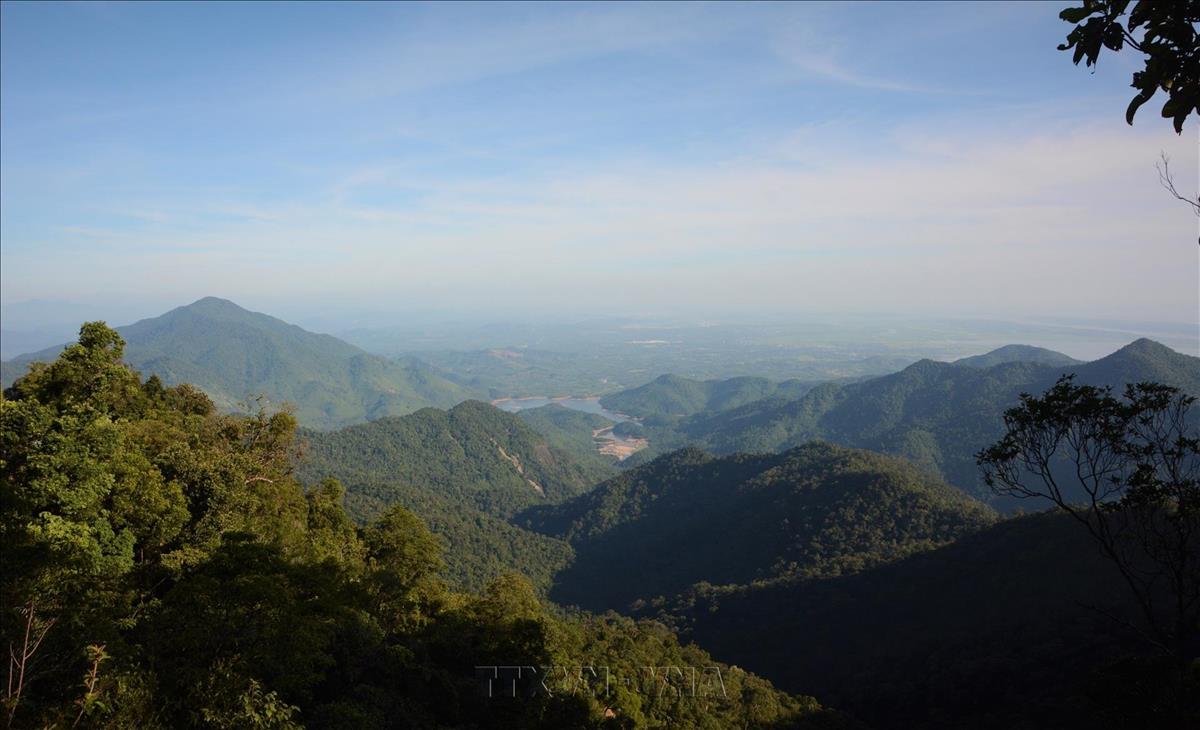
Located in Phu Loc commune of Hue city, where the Truong Son mountain range stretches closest to the East Sea, the Bach Ma National Park is renowned for its cool climate, spectacular landscapes and exceptional biodiversity. Photo: VNA
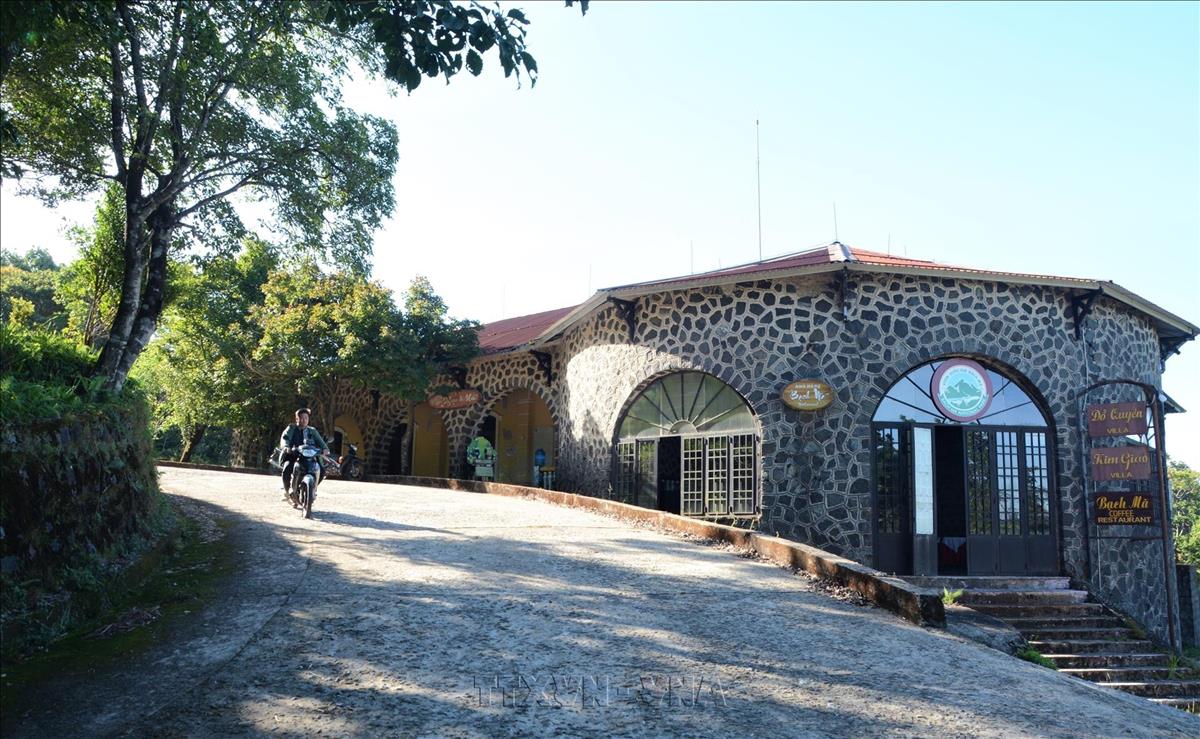
A restored French colonial villa serves as a restaurant for visitors at the Bach Ma National Park. Photo: VNA
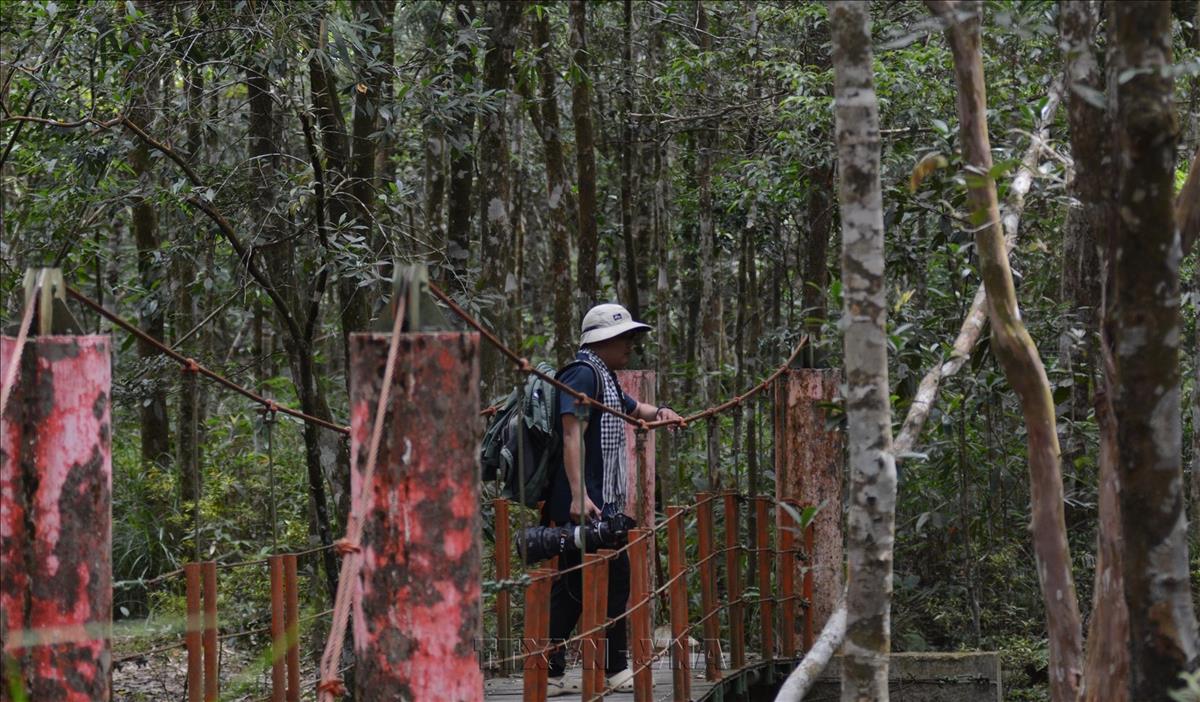
A tourist trek through the Bach Ma forest. Photo: VNA
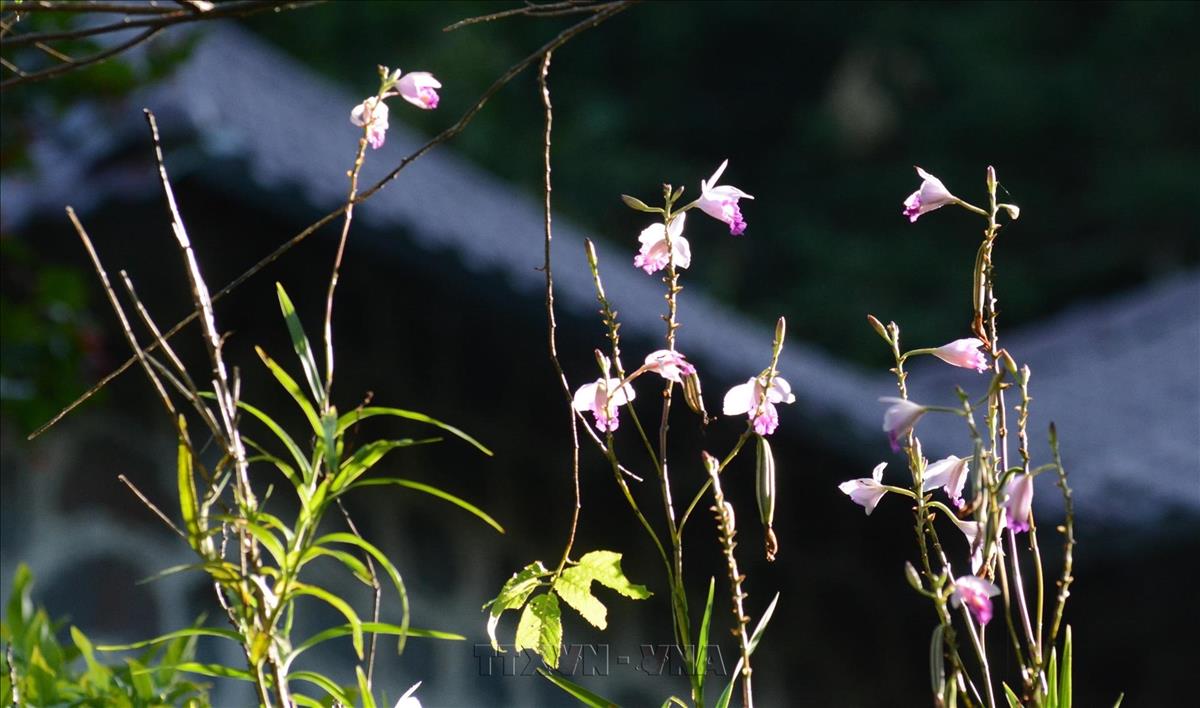
The park is equally rich in flora, with 2,421 plant and fungal species, accounting for nearly 17% of Vietnam's recorded plant species. Photo: VNA