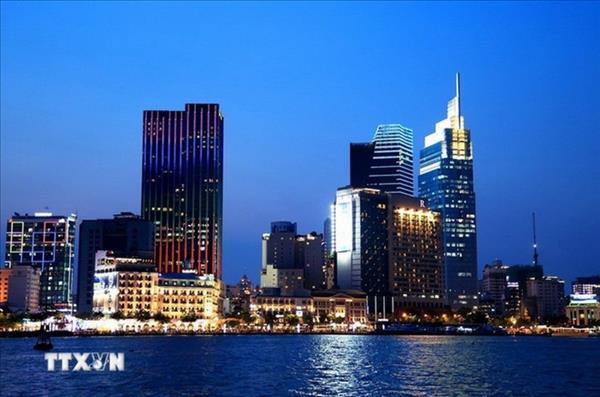

Political and social stability was maintained, social welfare strengthened, international integration deepened, and Vietnam emerged as an active and responsible member of the international community.
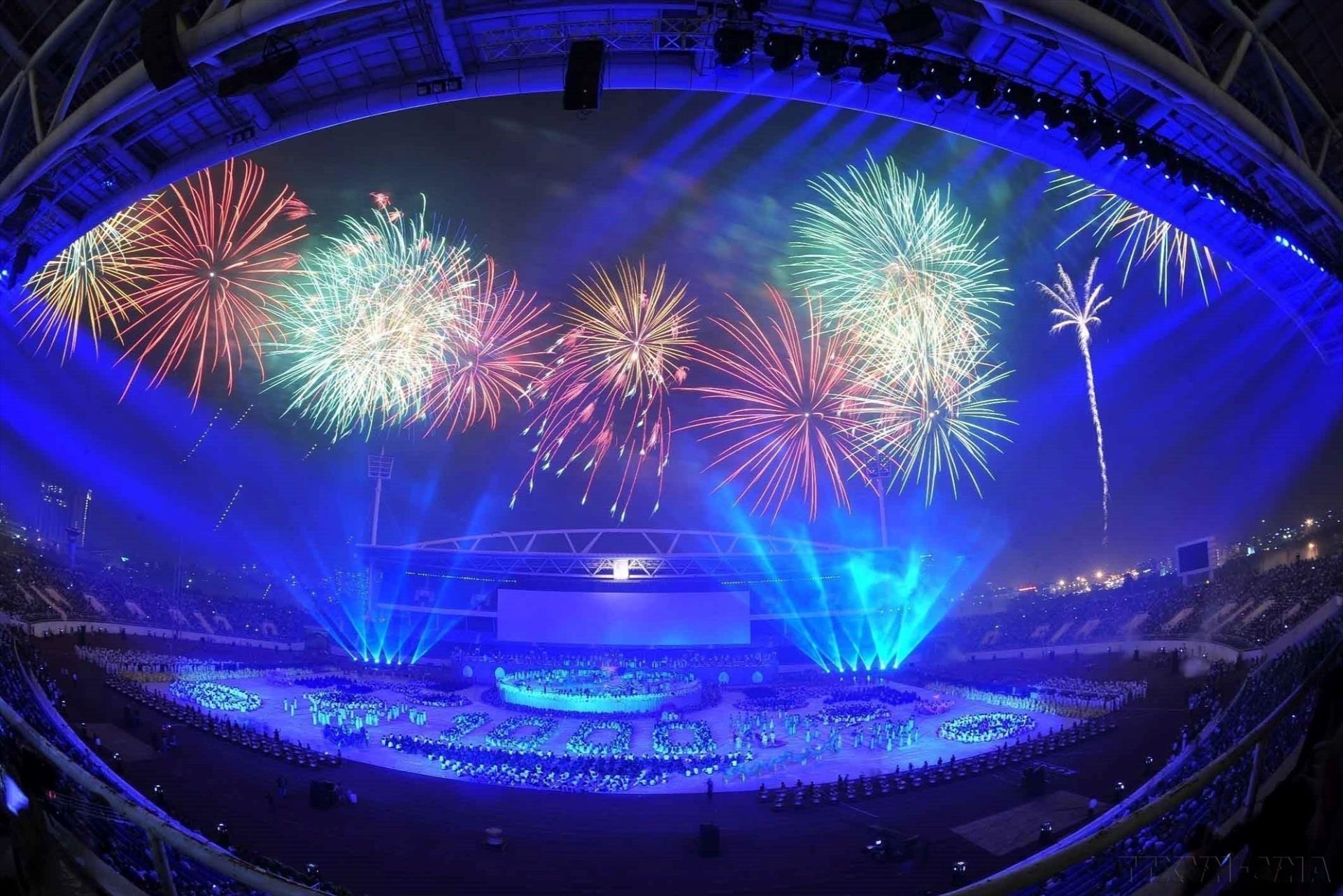
Spectacular fireworks display lights up My Dinh National Stadium to celebrate the 1,000th anniversary of Thang Long - Hanoi (October 10, 2010). Photo: VNA
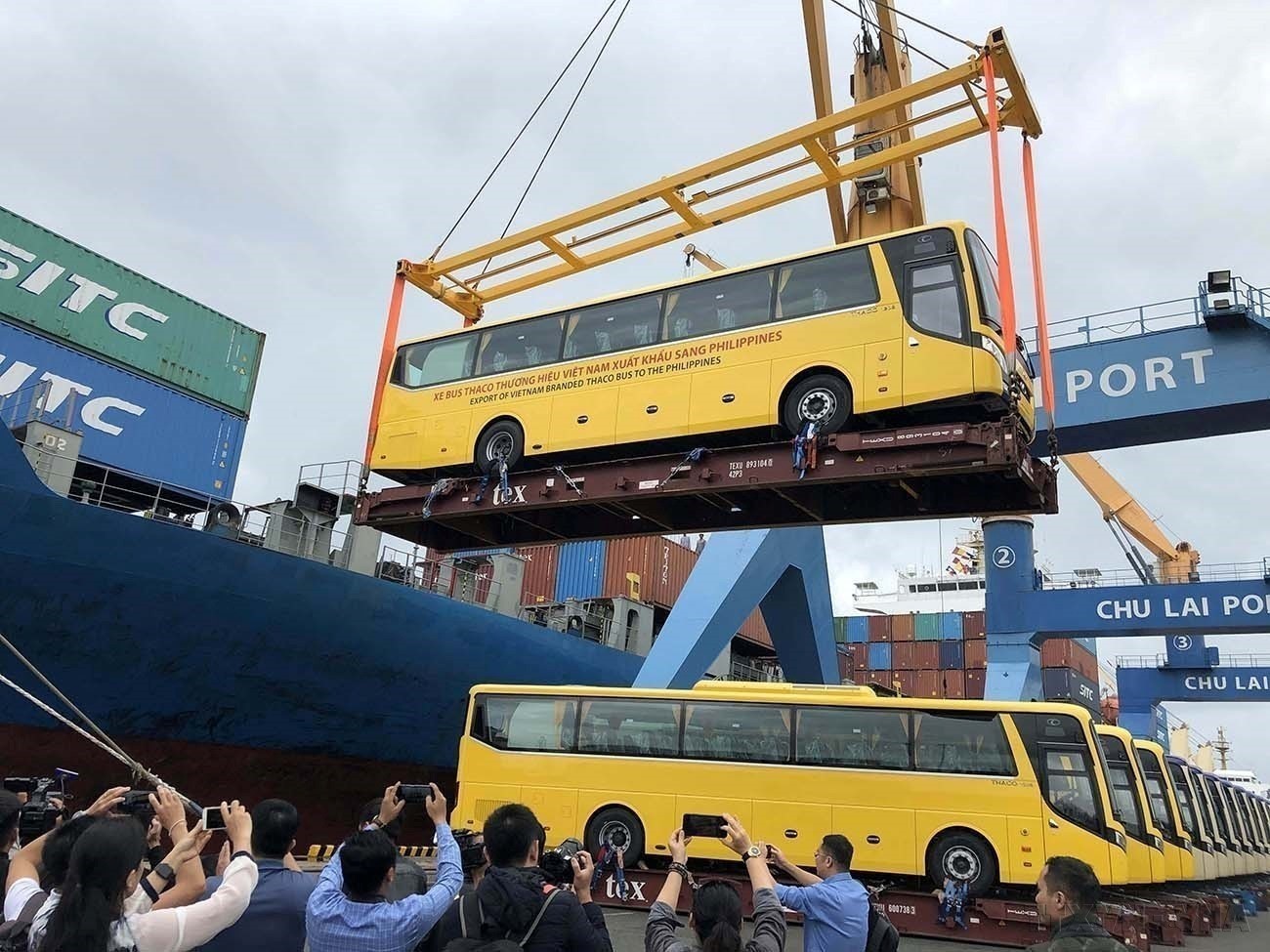
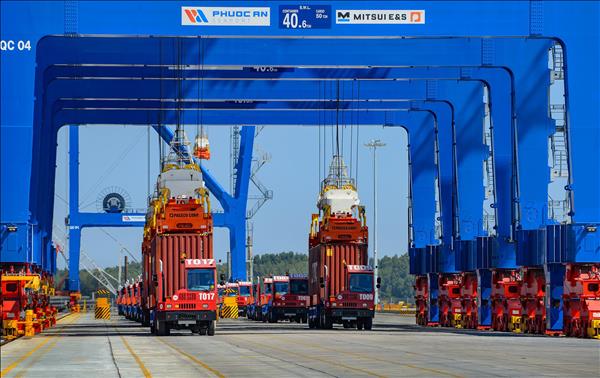
With solid economic growth, the socialist-oriented market economy gradually took shape and developed. In the photo: the handover ceremony of 15 Vietnamese-brand THACO buses exported to the Philippines at Chu Lai Port (Chu Lai Open Economic Zone established in 2003 in then Quang Nam province (now Da Nang city). Photo: VNA
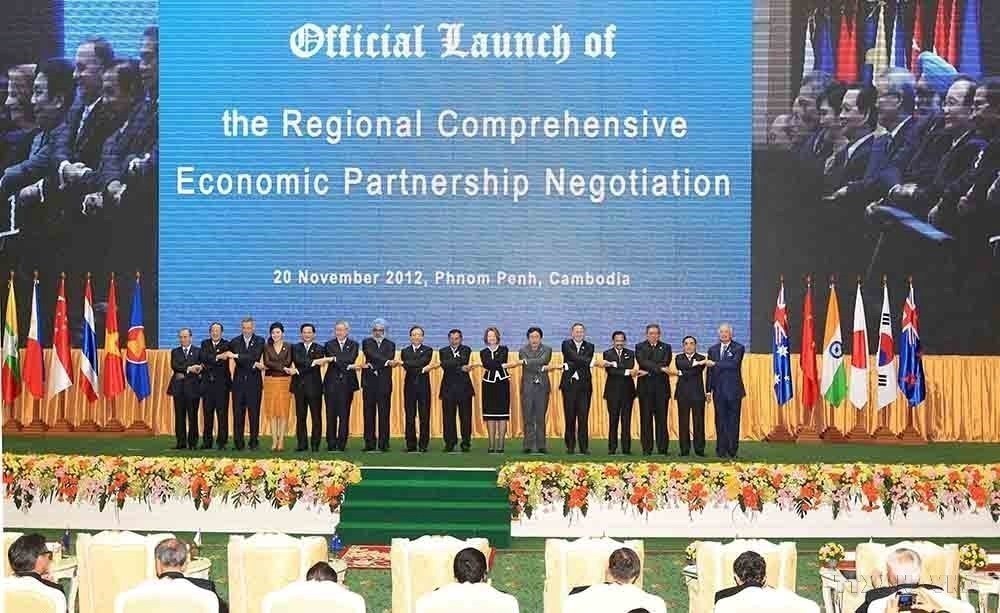
During the 2011-2015 period, Vietnam achieved ahead of schedule many Millennium Development Goals, particularly in poverty reduction. The poverty rate fell to below 4.5% in 2015 from 14.2% in 2010, while in poor districts it declined from 58.3% to 28%. Photo: VNA
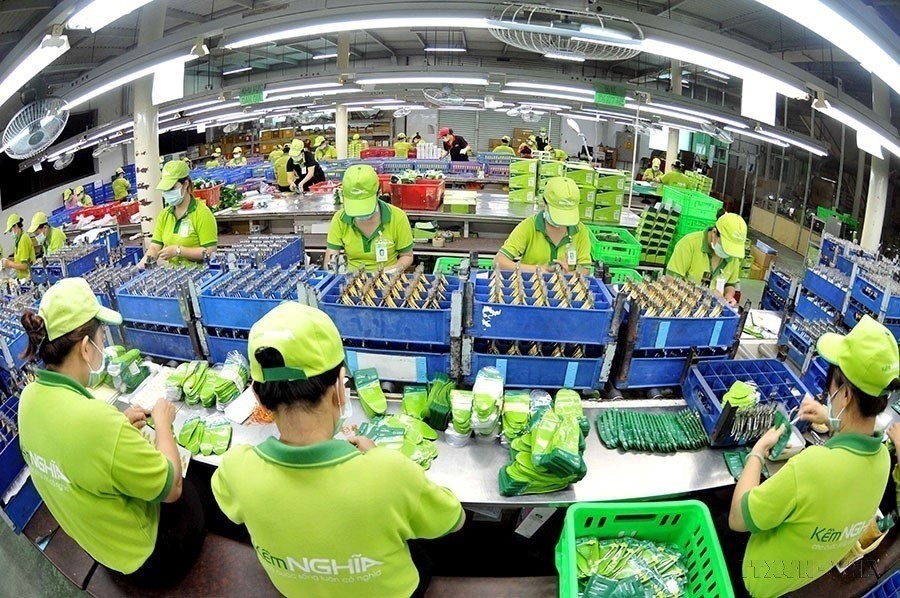
A pliers packaging line at the factory of Kem Nghia JSC., Tan Binh district, Ho Chi Minh City (2015). Photo: VNA
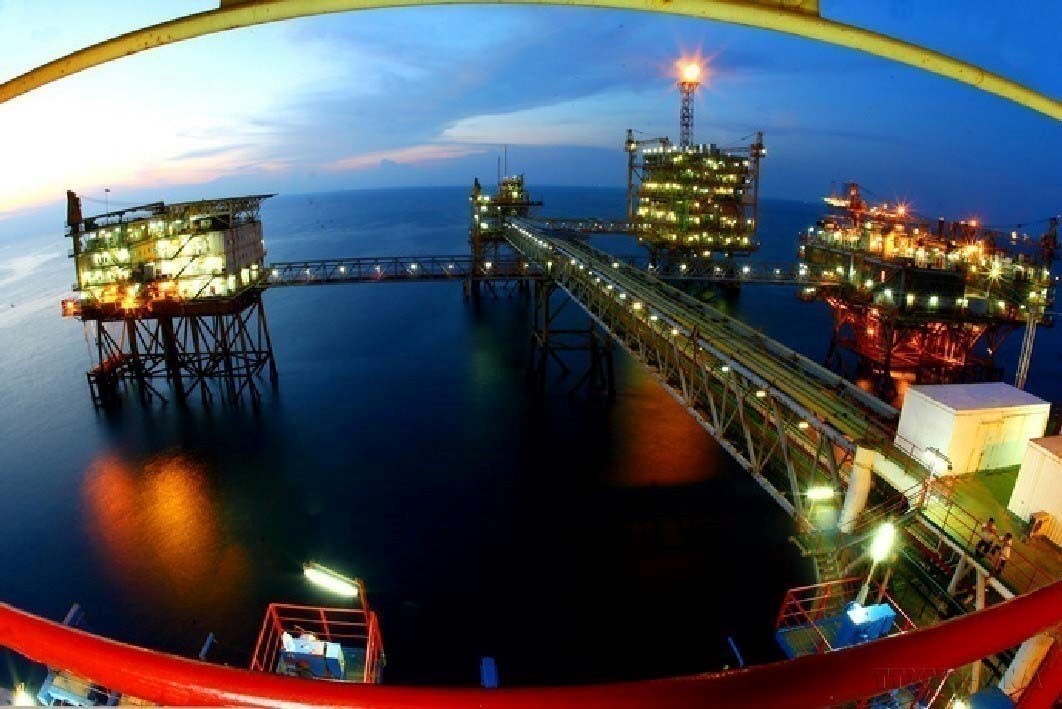
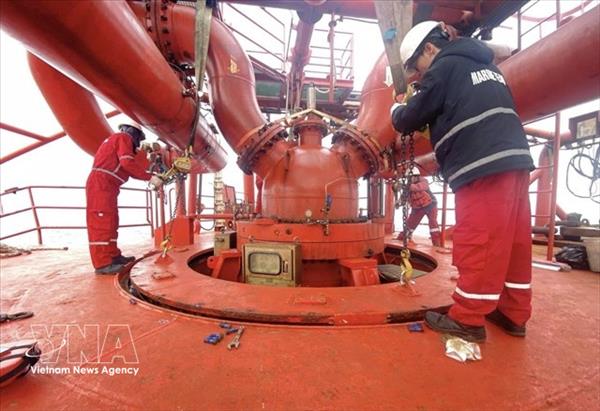
Oil and gas is a key economic sector, making significant contributions to the country's industrialisation and modernisation. Photo: VNA
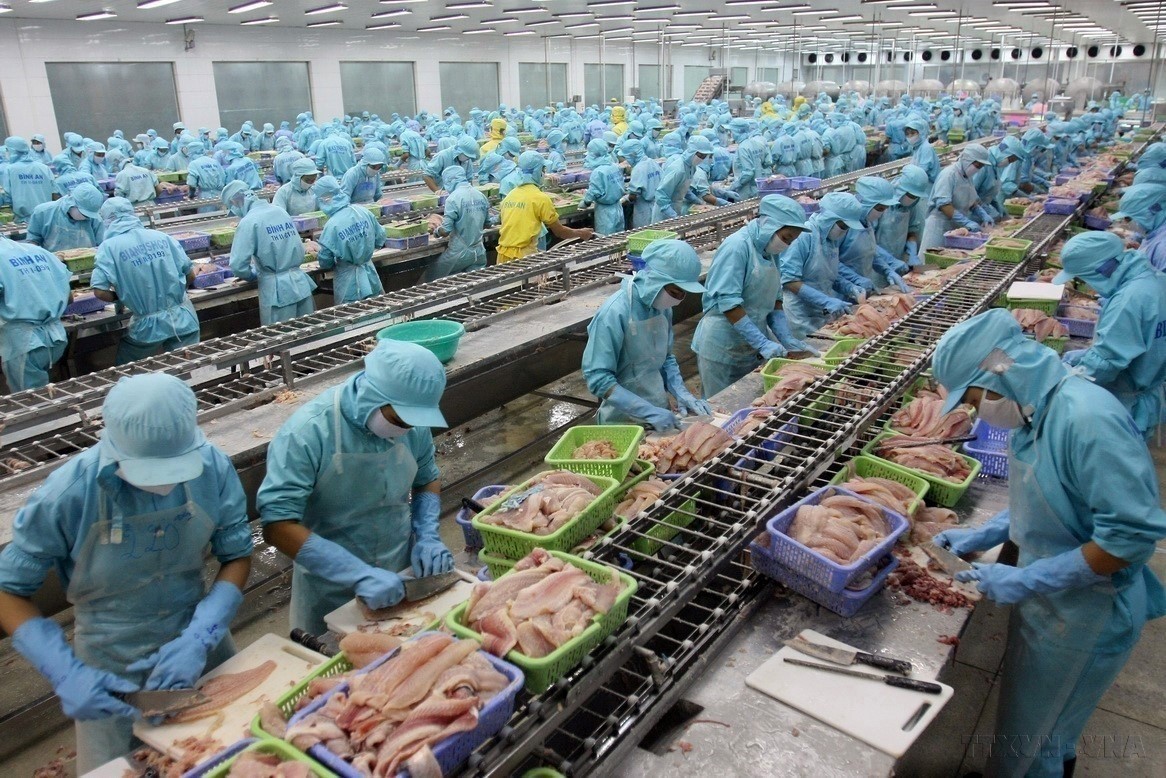
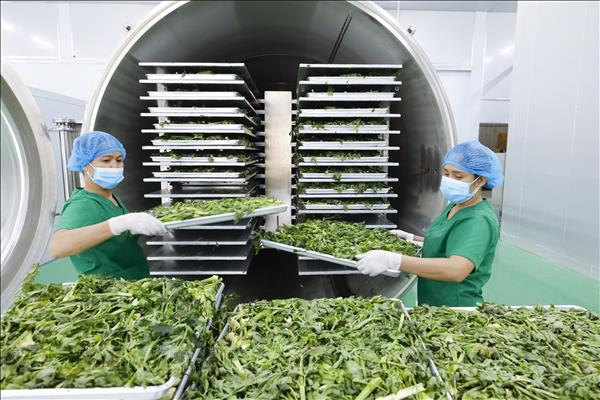
The agricultural sector developed with relative stability, while agricultural and rural industrialisation and modernisation recorded important progress. Exports of coffee, rubber, cashew nuts, pepper and aquatic products reached large volumes and ranked high globally. In the photo: aquatic products are among Vietnam's fastest-growing export items during the renovation period. Photo: VNA
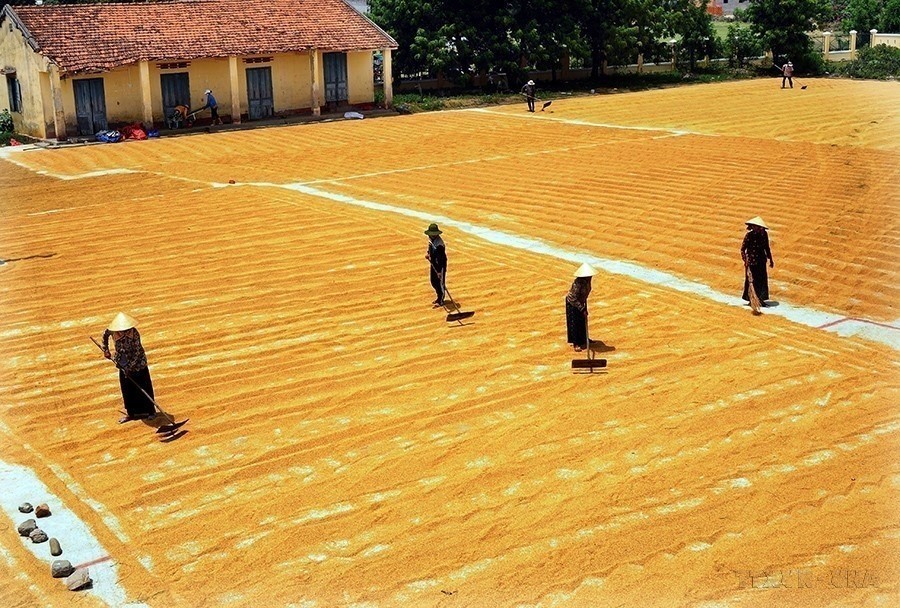
During the 2011-2015 period, Vietnam achieved ahead of schedule many Millennium Development Goals, particularly in poverty reduction. The poverty rate fell to below 4.5% in 2015 from 14.2% in 2010, while in poor districts it declined from 58.3% to 28%. Photo: VNA
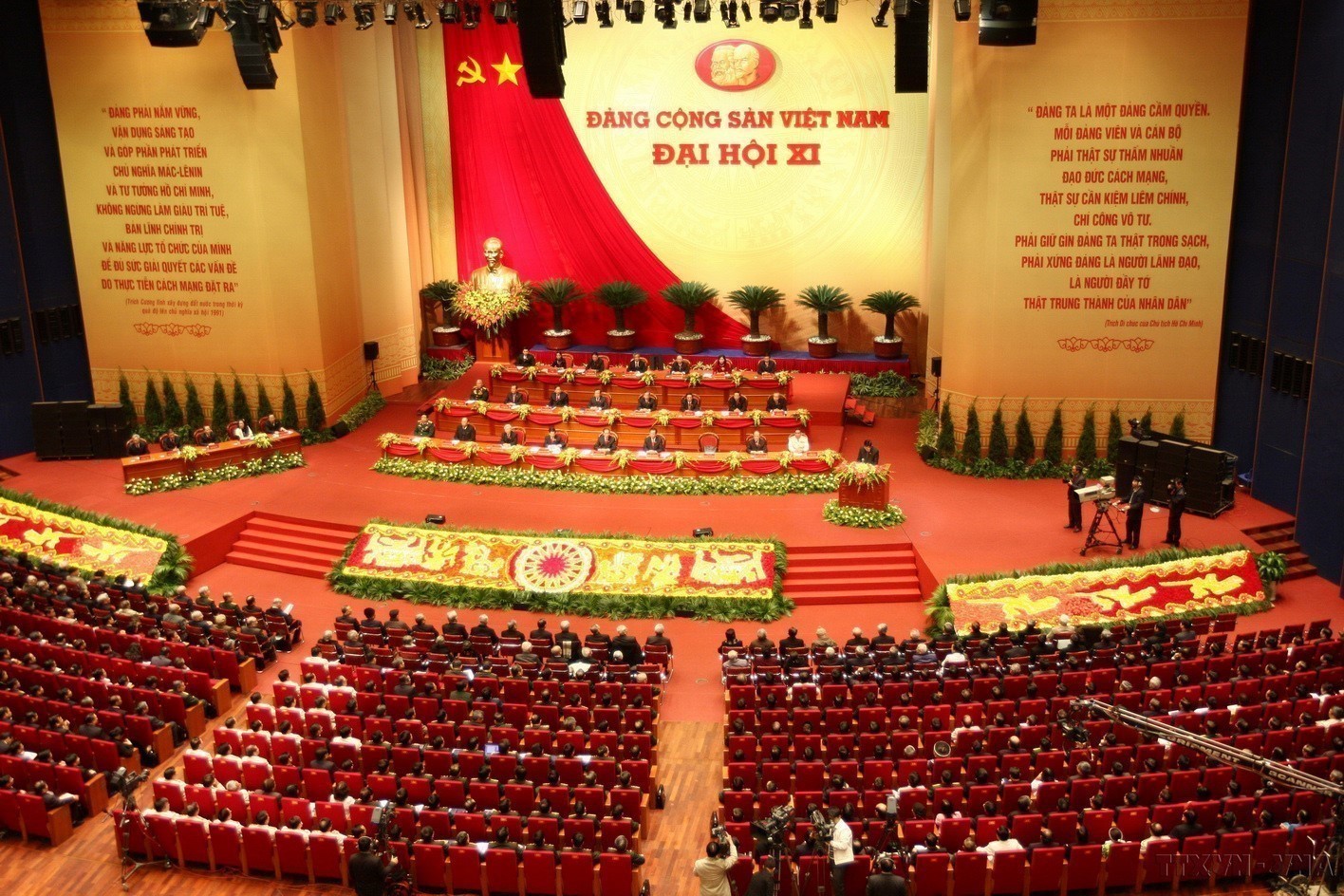
The 11th National Party Congress took place at a particularly significant time. After 25 years of comprehensive renovation, the country had successfully completed the initial stage of Doi Moi (reform), emerged from underdevelopment, improved living standards, strengthened national capacity, safeguarded independence, self-reliance and the socialist regime, and enhanced its position and prestige on the international stage. Photo: VNA
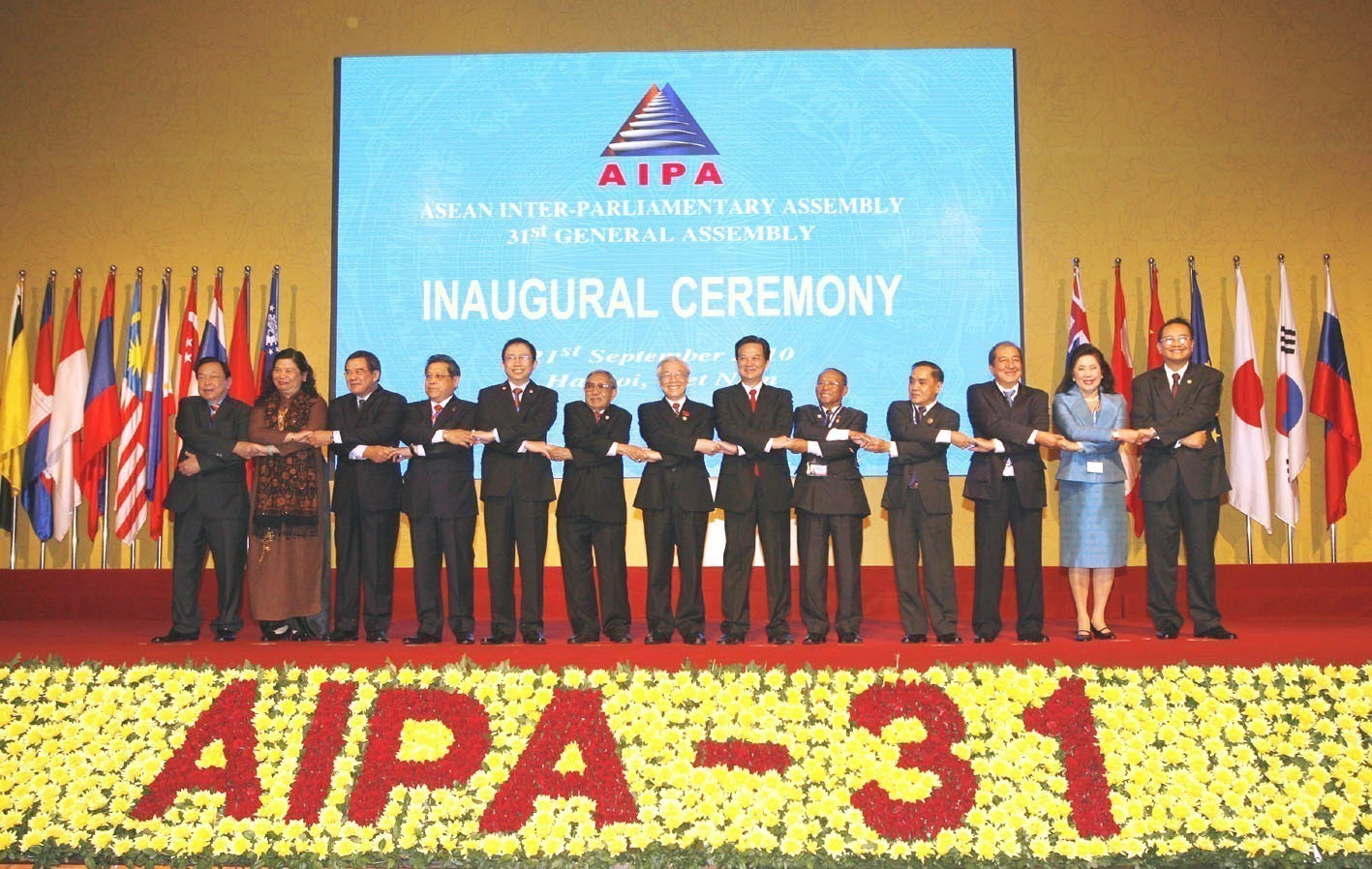
National Assembly Chairman and AIPA-31 Chairman Nguyen Phu Trong, and Prime Minister Nguyen Tan Dung, pose for a group photo with heads of delegations from the parliaments of member countries of the ASEAN r-Parliamentary Assembly (AIPA) at the opening ceremony of AIPA-31 in Hanoi, September 21, 2010. Photo: VNA