
Vietnam’s election of deputies to the 16th National Assembly (NA) and People’s Councils at all levels for the 2026–2031 tenure is an important event in the country’s ongoing process of intensive and substantive reforms, in which the NA plays a key role in promoting reform and development.
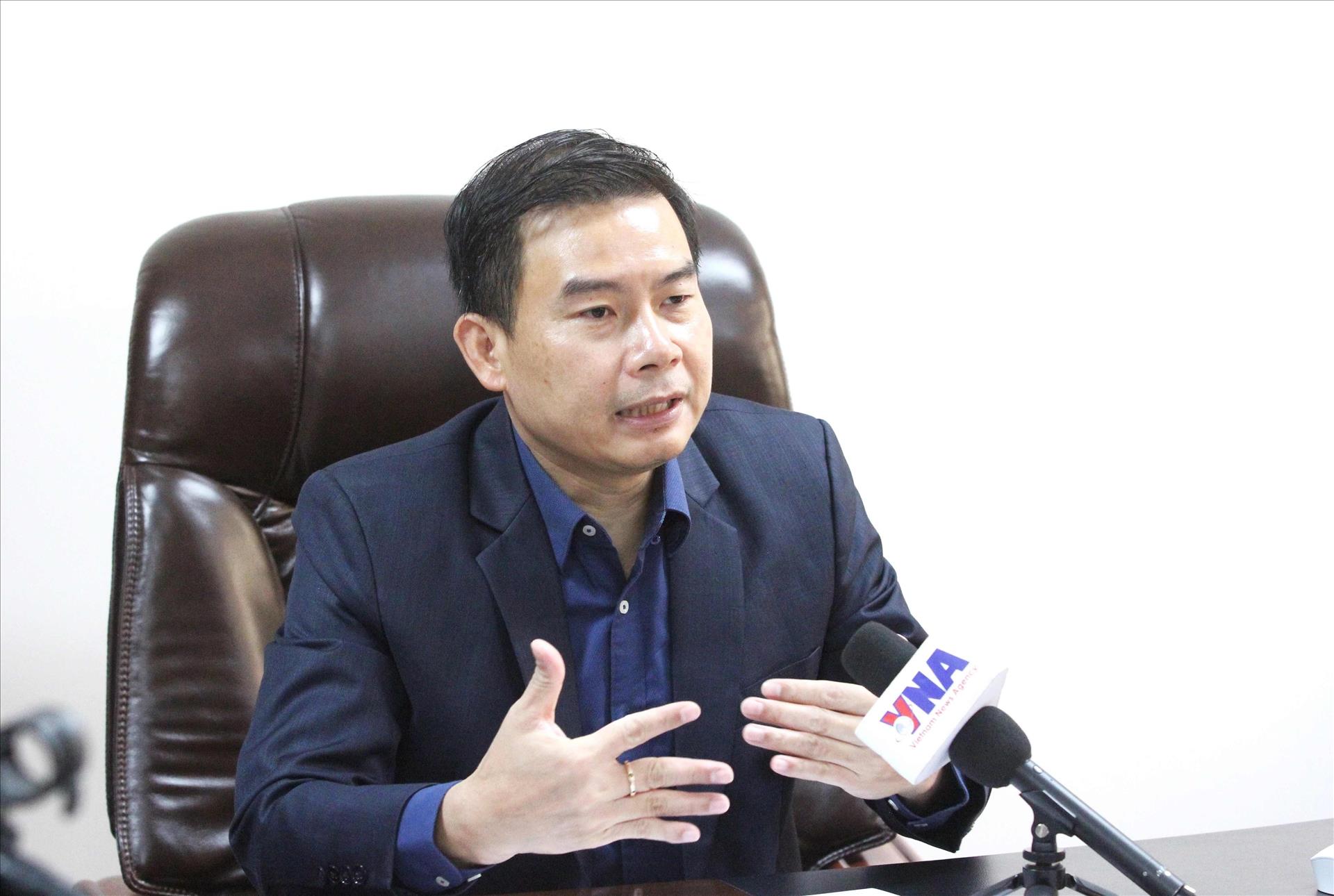
Dr. Chheang Vannarith, Deputy Secretary-General and Chairman of the Advisory Council of the Cambodian National Assembly, made the statement in an interview with the Vietnam News Agency's correspondents in Phnom Penh ahead of the event.
According to the Cambodian expert, the ultimate goal of reforms is to improve governance efficiency, reduce bureaucracy, optimise the use of resources, and accelerate decision-making processes. He said Vietnam’s ongoing efforts can be viewed as a form of innovation in public governance aimed at achieving greater effectiveness with fewer resources.
Measures to save budget and time while improving the efficiency of the administrative system are particularly important as the global situation becomes increasingly complex and unpredictable, he noted.
Dr. Vannarith stressed that the NA holds a particularly important position in the political system through its core functions of law-making, supervising the executive bodies, and representing the people.
In many countries, legislative bodies play a key role in promoting public administrative reforms, especially through drafting and adopting important laws, including those related to the state budget, he said.
Evaluating the performance of Vietnam’s NA in recent years, the Cambodian scholar noted significant improvements in the quality of its activities. In particular, question-and-answer sessions have become increasingly substantive, helping strengthen supervision of the executive bodies and contributing to limiting the abuse of power.
He underscored that the NA is responsible for monitoring and overseeing the implementation of laws to ensure transparency and efficiency, making it an essential institution in Vietnam’s reform and development process.
Regarding parliamentary cooperation between the two countries, Dr. Vannarith said Cambodia always considers Vietnam a close and important neighbour, with the two countries' legislative bodies maintaining strong and effective collaboration.
He highlighted that the new administrative building of the National Assembly of Cambodia, a gift from Vietnam, stands as a concrete symbol of the friendship and cooperation between the two legislatures.
According to the scholar, leaders of the two countries also frequently meet and exchange views on the sidelines of multilateral forums, contributing to strengthening mutual trust and close ties.
In the context of global uncertainties, parliamentary diplomacy is playing an increasingly important role in promoting mutual understanding, building trust, and supporting cooperation orientations between the two nations, he said.
Dr. Vannarith also noted that the legislative bodies can assist the governments in guiding and promoting bilateral relations between Vietnam and Cambodia, particularly through their role as representatives of the people.
Both countries’ development strategies place people at the centre, aiming at harmony and shared development, he said.
Highlighting the representative role of NA deputies, he expressed his expectation that lawmakers will continue conveying the aspirations and concerns of the people to the Government, including those living in border areas.
Through this role, the NAs can further contribute to strengthening the Vietnam–Cambodia relationship on the basis of putting people at the centre, he added./.