Under the decision, Vietnam’s strategic technology framework comprises 10 major technology groups covering key sectors critical to the country’s long-term development and competitiveness.
The strategic technology groups include digital technologies such as artificial intelligence, big data, digital twins, cloud computing, edge computing, the Internet of Things and blockchain; next-generation mobile network technologies; robotics and automation; advanced biotechnology and biomedicine; advanced energy and materials technologies; semiconductor chip technologies; cybersecurity and quantum technologies; marine, ocean and underground technologies; aerospace technologies; and high-speed and urban railway technologies.
The decision also sets out a list of 30 strategic technology products divided into two categories.
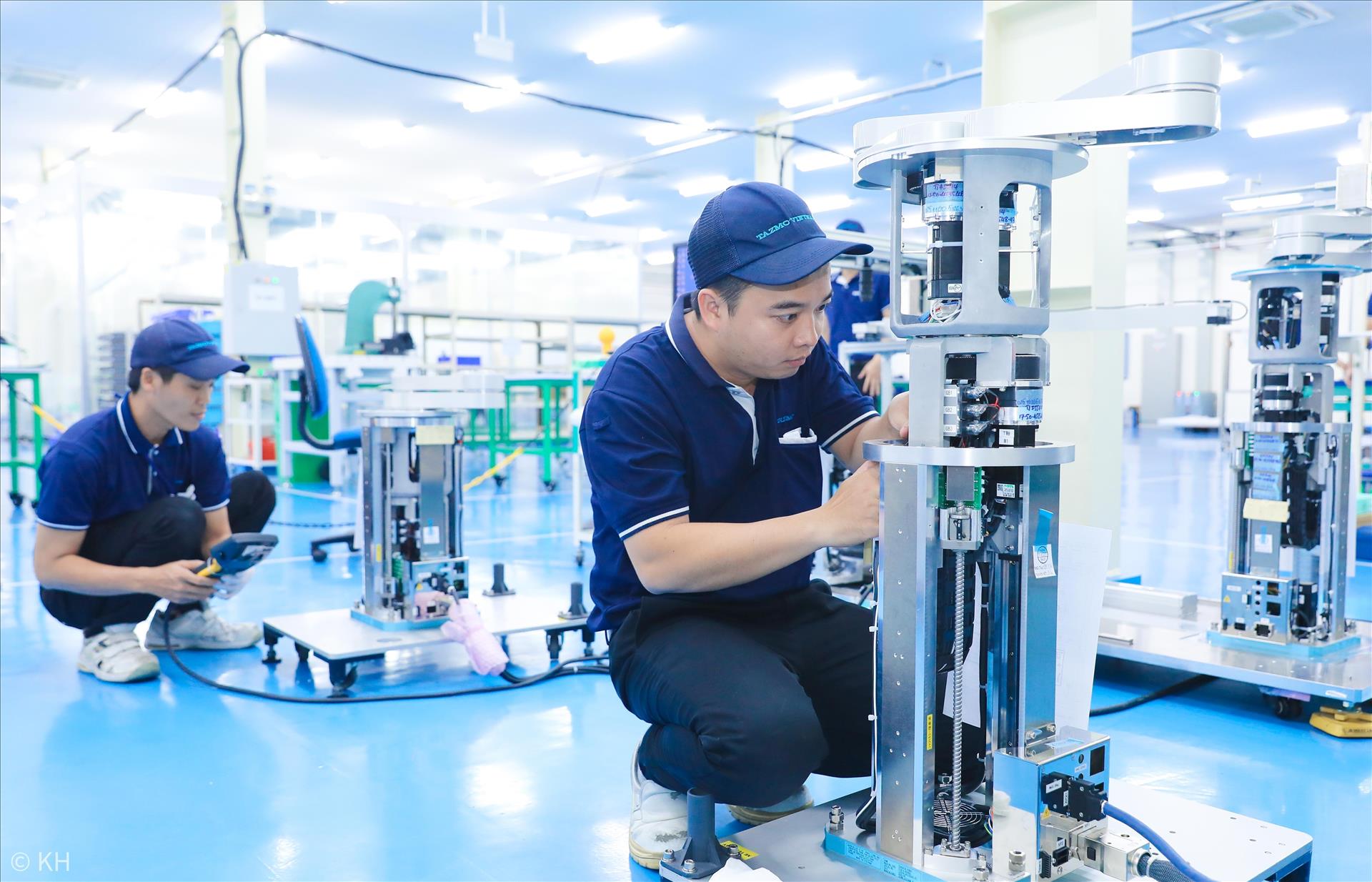
The first group consists of strategic technology products with established markets and strong potential to directly drive economic growth. These include Vietnamese large language models, virtual assistants and specialised AI systems; edge AI cameras; digital twin platforms; cloud computing platforms; blockchain infrastructure and traceability systems; 5G and 5G-Advanced equipment and systems; autonomous mobile and industrial robots; smart manufacturing solutions; and cybersecurity systems for critical infrastructure and national databases.
Other products in this group include next-generation human vaccines; cell therapies using stem and immune cells; 3D-printing-based personalised medical production systems; smart biosensor systems; advanced biological products for agriculture, livestock and aquaculture; biomass and agricultural by-product processing systems; next-generation crops and livestock developed through gene editing and biotechnology; advanced functional materials; energy storage systems and advanced batteries; green hydrogen and biofuel systems; high-voltage electrical equipment; carbon capture, utilisation and storage systems; and unmanned aerial vehicles (UAVs) alongside UAV monitoring and suppression systems.
The second group focuses on technologies expected to create new growth drivers, serve as foundational technologies for the future, and strengthen national autonomy in security and defence.
These products include specialised semiconductor chips; quantum communications, quantum computing and quantum sensing technologies; systems for deep processing of minerals, oil, gas and rare earths; deep-sea, underground and offshore energy exploration technologies; small modular nuclear reactors (SMRs); low-earth-orbit satellite constellations for Earth observation; high-speed railway construction works; and industrial platforms, vehicles and integrated systems for high-speed and urban railways.
According to the decision, the Ministry of Science and Technology will coordinate with relevant ministries and agencies to periodically review and assess the lists based on socio-economic development needs in each period, before submitting updates to the Prime Minister for approval.
The new decision will replace Decision No. 1131/QD-TTg dated June 12, 2025 on strategic technologies and strategic technology products./.