1. Apparatus streamlining completed 5 years ahead of schedule
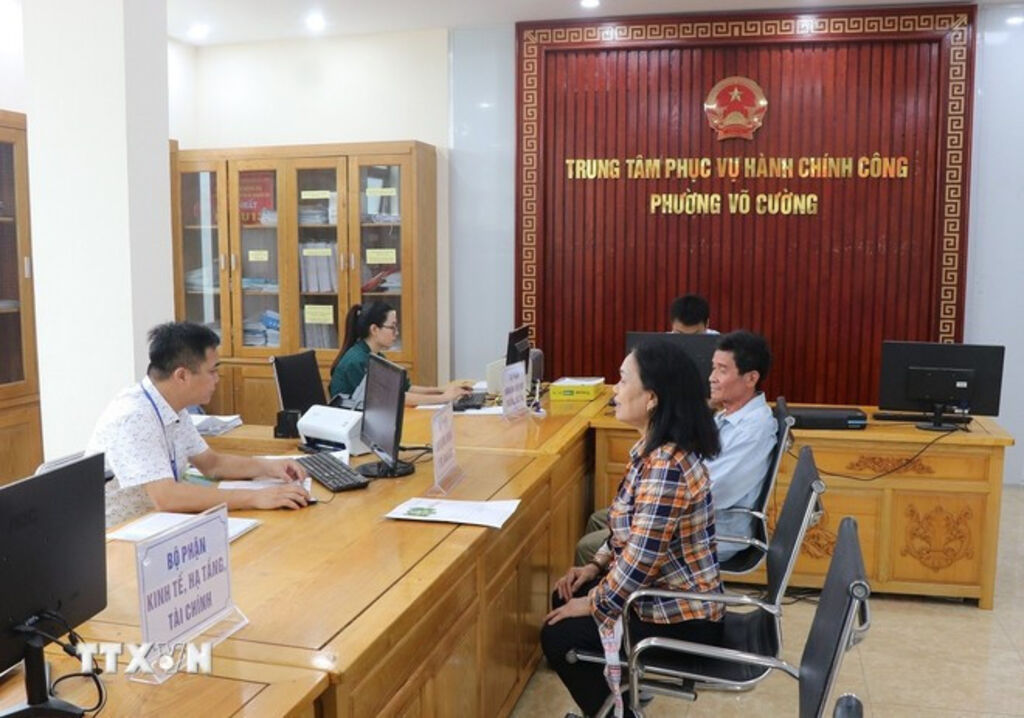
The streamlining of the organisational apparatus, carried out from central to local levels, has reduced 34.9% of units under central-level agencies; 100% of Party delegations and Party civil affairs committees; 46% of provincial-level administrative units; and 66.9% of commune-level administrative units. This means Vietnam has completed the targets on organisational streamlining set out in Resolution No. 18-NQ/TW (the 12th Party Central Committee) five years ahead of schedule. From July 1, Vietnam simultaneously began operating a two-tier local administration model in 34 provinces and cities, with no district level. This revolution of “rearranging administrative boundaries” opens up new development space, gradually transitioning from a management-oriented model to one that serves, facilitates development, and prioritises the people.
2. The Party defines strategic autonomy for the new era
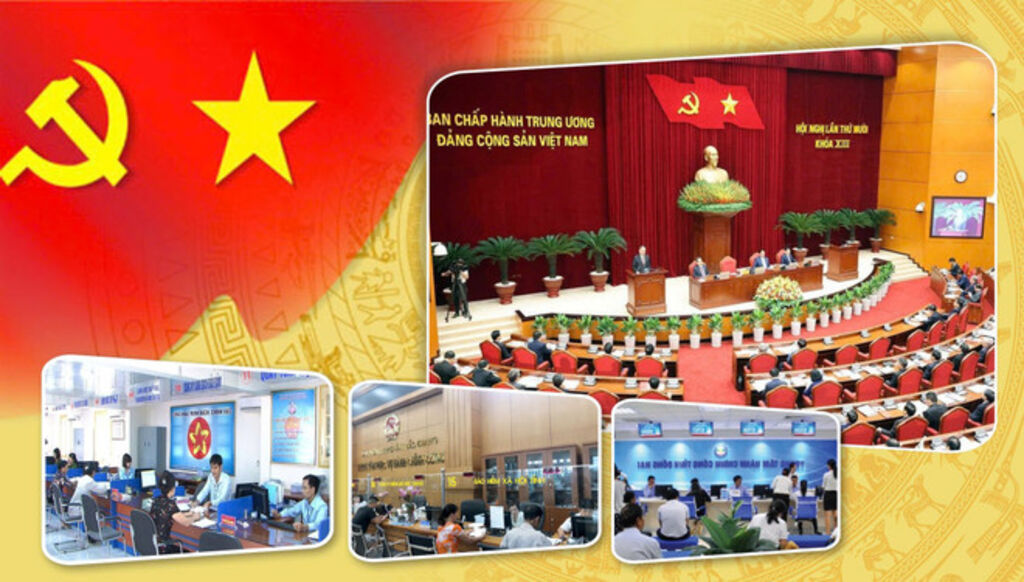
The draft Political Report to be submitted to the 14th National Party Congress emphasises the goal of achieving “strategic autonomy,” reflecting a strategic vision of proactively planning, leading and shaping national development in an increasingly volatile and unpredictable world. The draft Political Report, which for the first time integrates three major documents: The Political Report, the Report on Socio-economic Situation, and the Report on Party Building Review, together with other draft documents, has received nearly 14 million contributions through both direct feedback and online submissions via VNeID, following consultations within Party organisations and among Party members. Earlier, Party congresses at all levels for the 2025–2030 tenure were completed ahead of schedule. Notably, for the first time, all Secretaries of the Party Committees and Chairpersons of the People’s Committees of provinces and cities are non-local officials.
3. Fostering patriotism and the aspiration for national development
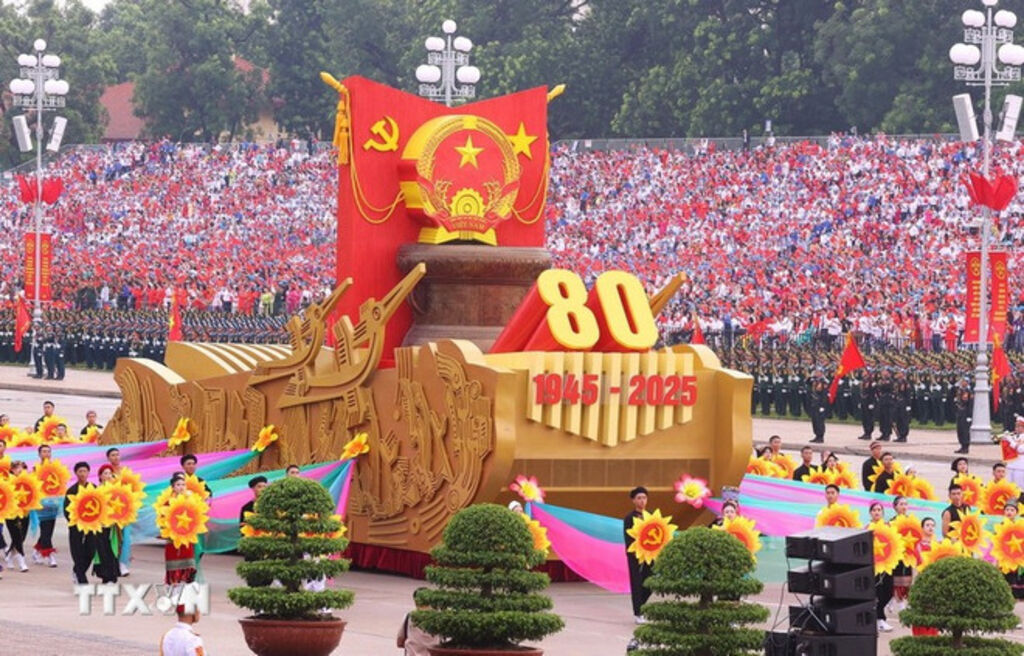
Grand military parades and marches marking the 80th anniversary of the August Revolution (August 19) and the National Day (September 2), and the 50th anniversary of the Liberation of the South and National Reunification (April 30) were solemnly held on a large scale, spreading a strong sense of national pride and inspiring the aspiration for national development. Alongside these commemorative events were a series of “national concerts” such as “To quoc trong tim” (The Fatherland in Our Hearts) and “Tu hao la nguoi Viet Nam” (Proud to be Vietnamese), as well as the film “Mua do” (Red Rain), which achieved a record box office revenue of over 700 billion VND (26.5 million USD) and won the Golden Lotus Award at the 2025 Vietnam Film Festival, thereby creating fresh momentum for implementing the Strategy for Developing Vietnam’s Cultural Industries by 2030, with a vision to 2045.
4. Severe, unprecedented and historically extreme natural disasters
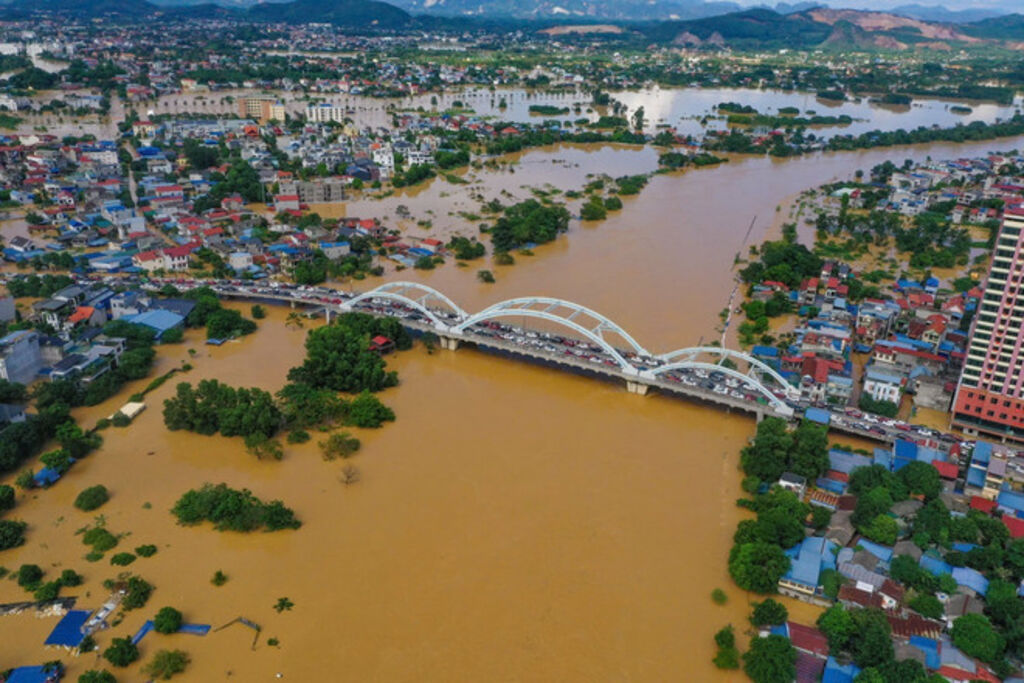
During the year, 21 storms and tropical depressions occurred, representing the highest number ever recorded, including five fast-moving and powerful storms accompanied by thunderstorms, tornadoes, flash floods and landslides, increasing the frequency of major floods. More than 400 people were reported dead or missing, while economic losses were estimated at nearly 100 trillion VND, equivalent to 0.7–0.8% of GDP. Notably, catastrophic flooding struck Thai Nguyen province; severe floods and landslides hit the south central and Central Highlands regions; rainfall at the summit of Bach Ma (Hue) reached 1,740 mm within 24 hours (October 27); and tidal surges in Ho Chi Minh City, Can Tho and Ca Mau all surpassed historical records.
5. Implementing strategic resolutions for rapid and sustainable national development
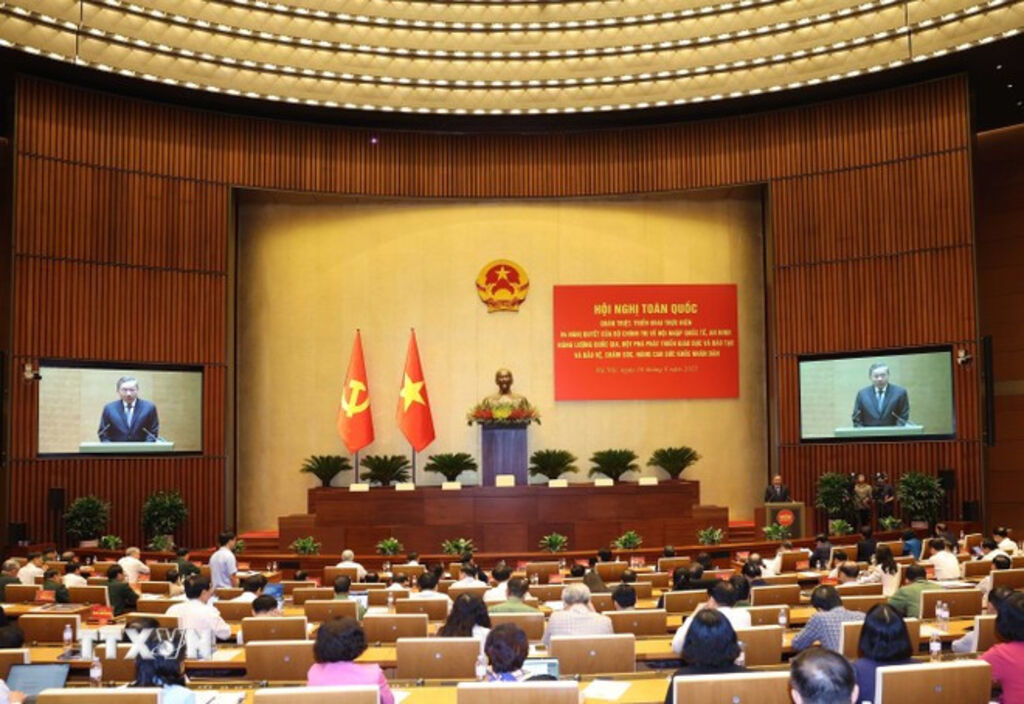
The Politburo has issued strategic resolutions across key sectors, identifying powerful drivers for national development with the people as the centre and main subjects; science and technology as the foremost breakthrough; the state sector as the leading force; and the private sector as a core pillar of the economy.
With consistency from the Party’s political will to the State’s legal framework and governance actions, the 15th National Assembly, at its 10th session, passed 51 laws and eight resolutions, accounting for nearly 30% of all laws and resolutions of the entire tenure. The Government has also issued numerous action programmes and guiding documents, creating a comprehensive legal corridor to promote rapid and sustainable national development.
6. Vietnam’s economic growth ranks among Asia’s fastest
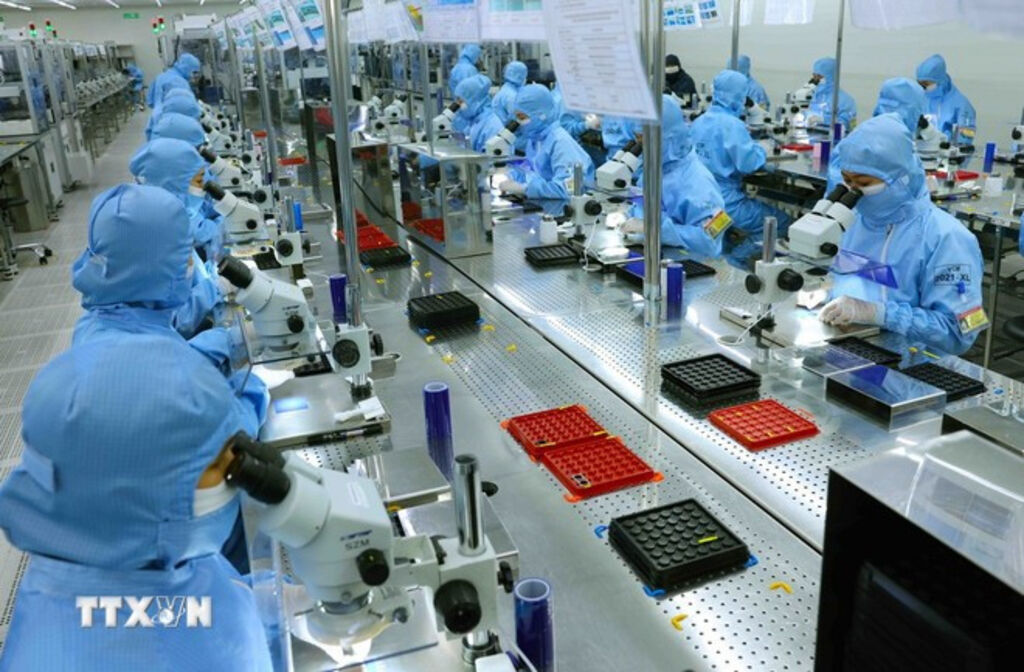
GDP growth in 2025 is forecast at around 8%, inflation kept under 4%, and disbursed foreign direct investment estimated at about 24 billion USD – the highest level in the past five years. These achievements reflect Vietnam’s remarkable efforts amid the economy facing “dual impacts” from the global tariff war, escalating geopolitical conflicts, severe natural disasters, and the restructuring of organisational apparatuses of ministries, sectors, and localities. The Government has worked to renew traditional growth drivers while promoting new ones such as the digital economy, green economy, and creative economy, thereby improving the economy's productivity, competitiveness, and resilience.
7. Hanoi Convention – the first global legal framework on combating cybercrime
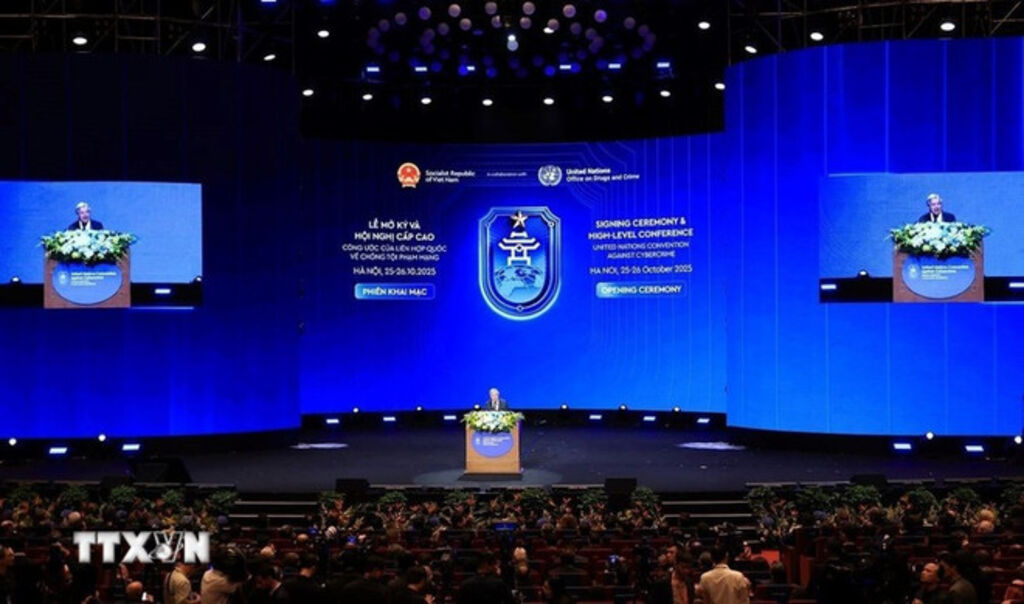
The Signing Ceremony and the High-Level Conference of the United Nations Convention against Cybercrime (Hanoi Convention) were held in Hanoi on October 25–26, with the participation of more than 2,500 delegates from many multilateral organisations and 119 countries and territories. This marked the first time a Vietnamese locality has been associated with a global multilateral treaty. At the signing ceremony, 72 countries signed the Hanoi Convention, creating an important prerequisite for the document to soon enter into force and laying the groundwork for common standards in the prevention, investigation, and handling of cybercrime – a cross-border field that is difficult to fully control via national-level legal regulations.
8. Nationwide elimination of makeshift housing completed ahead of schedule
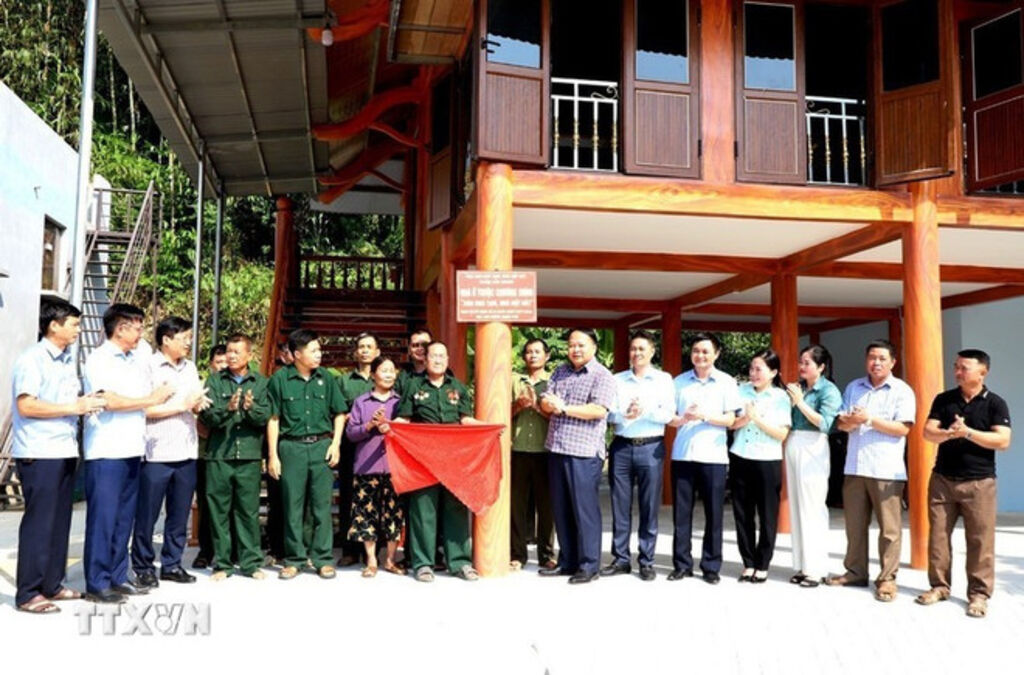
By the end of August, with 334,234 houses newly built or repaired and upgraded, the national emulation movement on eliminating makeshift and dilapidated houses achieved its target five years and four months ahead of schedule set in the Party Central Committee's Resolution No. 42-NQ/TW, dated November 24, 2023 , and four months ahead of the target set in the Prime Minister's Directive No. 42/CT-TTg, dated November 9, 2024. This is regarded as a “special national project” embodying the Party’s will and people’s hearts, as well as the spirit of solidarity and compassion among compatriots, and carrying profound humanitarian significance.
On November 30, immediately after the historic floods in the south-central region and the Central Highlands, the “Quang Trung Campaign” was launched to rebuild and repair houses for families affected by the natural disaster.
9. Completion of more than 3,500km of expressways
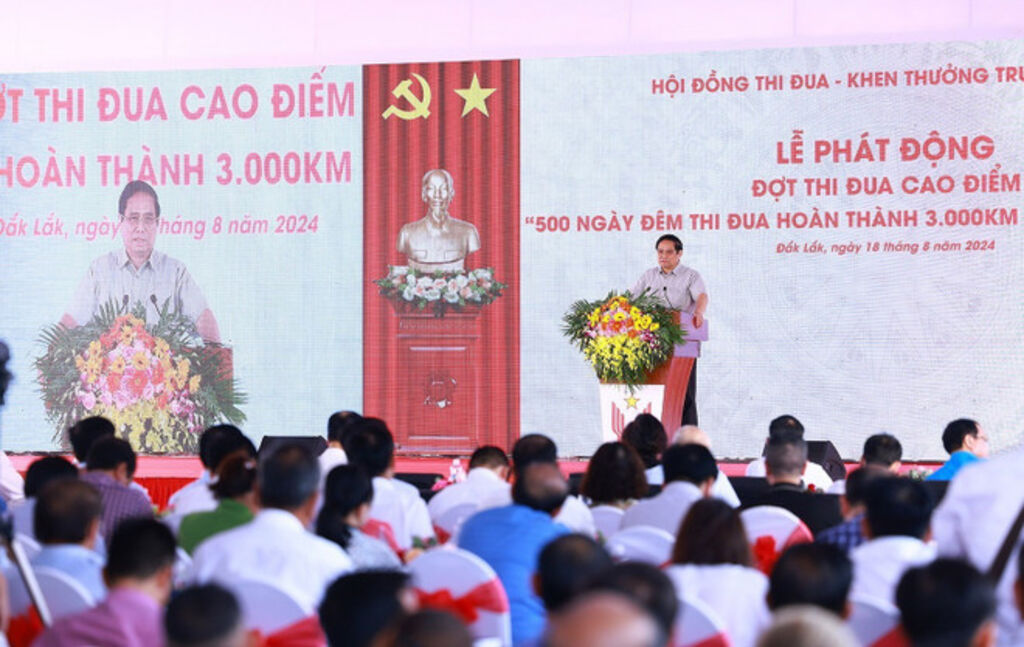
The final year of the 13th National Party Congress term marked the completion and technical opening of 3,513km of expressways – exceeding the target of putting at least 3,000km into use by the end of 2025 and creating a stepping stone for Vietnam to have 5,000km of expressways by 2030. Localities also completed 1,700km of coastal roads. These results stem from the strong direction of the central authorities, the active involvement of ministries, sectors, and localities, and the strong determination of contractors and workers following Prime Minister’s directive – “working through sun and rain without holidays.”
10. 100th anniversary of Vietnam’s Revolutionary Press
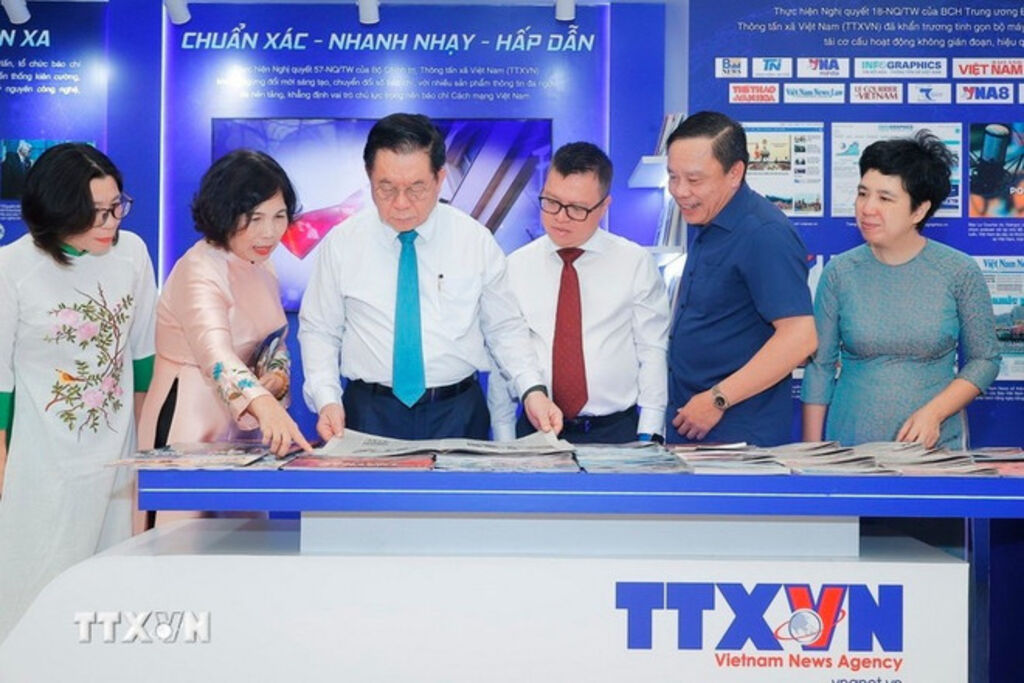
Marking a full century of the formation and development of Vietnam’s Revolutionary Press (1925–2025), generations of journalists have become a vanguard force on the ideological and cultural front, making significant contributions to the struggle for national independence and reunification, as well as to national construction and defence. Facing new tasks and requirements in the new period, Vietnam’s Revolutionary Press has swiftly adapted, strongly renewed its thinking, mastered technology, and created breakthroughs in journalistic practices, maintaining its role as a force that builds public trust and inspires aspirations for development.
The amended Press Law was adopted at the 10th session of the 15th National Assembly, opening up new development space for journalism in the digital era./.