Headliners
Strategic Vision of Resolution 57: Science and Technology Reshape Vietnam’s Fisheries Future
Vietnam’s seafood industry is closing the year on a high note, with export revenues projected to reach 11 billion US dollars, an extraordinary figure given the turbulence of global markets. Behind this momentum is Resolution No. 57, a policy blueprint that places science and technology at the center of agricultural transformation. In the fisheries sector, its impact is huge.
Vietnam’s seafood industry is closing the year on a high note, with export revenues projected to reach 11 billion US dollars, an extraordinary figure given the turbulence of global markets. Behind this momentum is Resolution No. 57, a policy blueprint that places science and technology at the center of agricultural transformation. In the fisheries sector, its impact is huge.
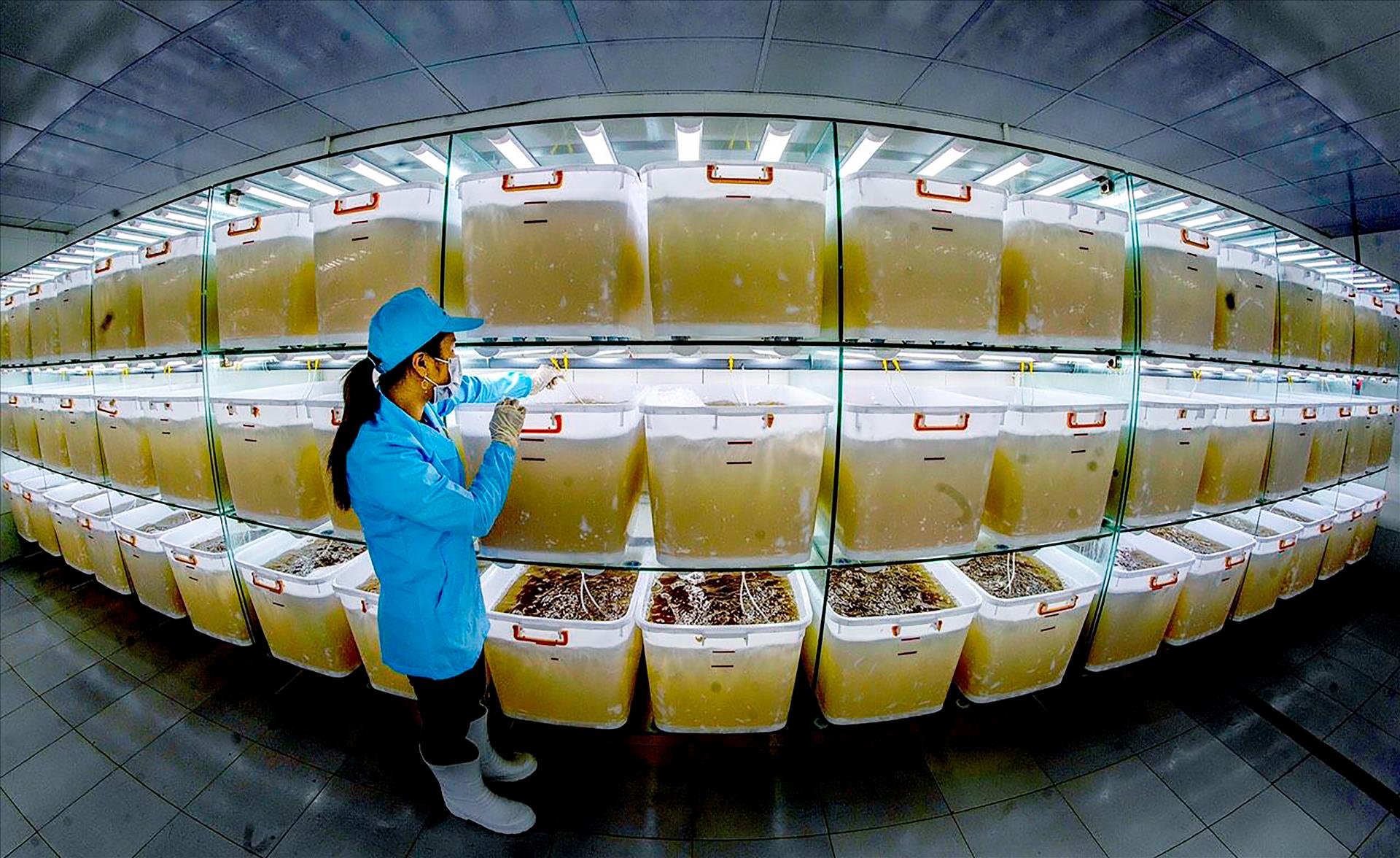
Over the past several years, the Ministry of Agriculture and Environment has recorded a series of technological advances that are steadily reshaping the way seafood is bred, raised, and processed. Fifty-six advanced technological processes have been deployed throughout the value chain, spanning hatchery management, grow-out operations, and cold-chain preservation. Twenty-three new fish and shrimp varieties have been developed with superior traits, faster growth, higher survival rates, and improved meat quality. Notably, disease-resistant white-leg shrimp have helped boost yields in several of the Mekong Delta’s most productive aquaculture zones. Pangasius farming, long a cornerstone of Vietnam’s aquaculture industry, has likewise achieved significant productivity improvements through the adoption of modernized production protocols.
“Investment in research and technology has enabled the fisheries sector to overcome the challenges that once appeared insurmountable,” said Nguyen Huu Ninh, Deputy Director of the Department of Science, Technology, and Environment. “We are now more proactive in brood-stock development, disease prevention, and enhancing product value after harvest.”
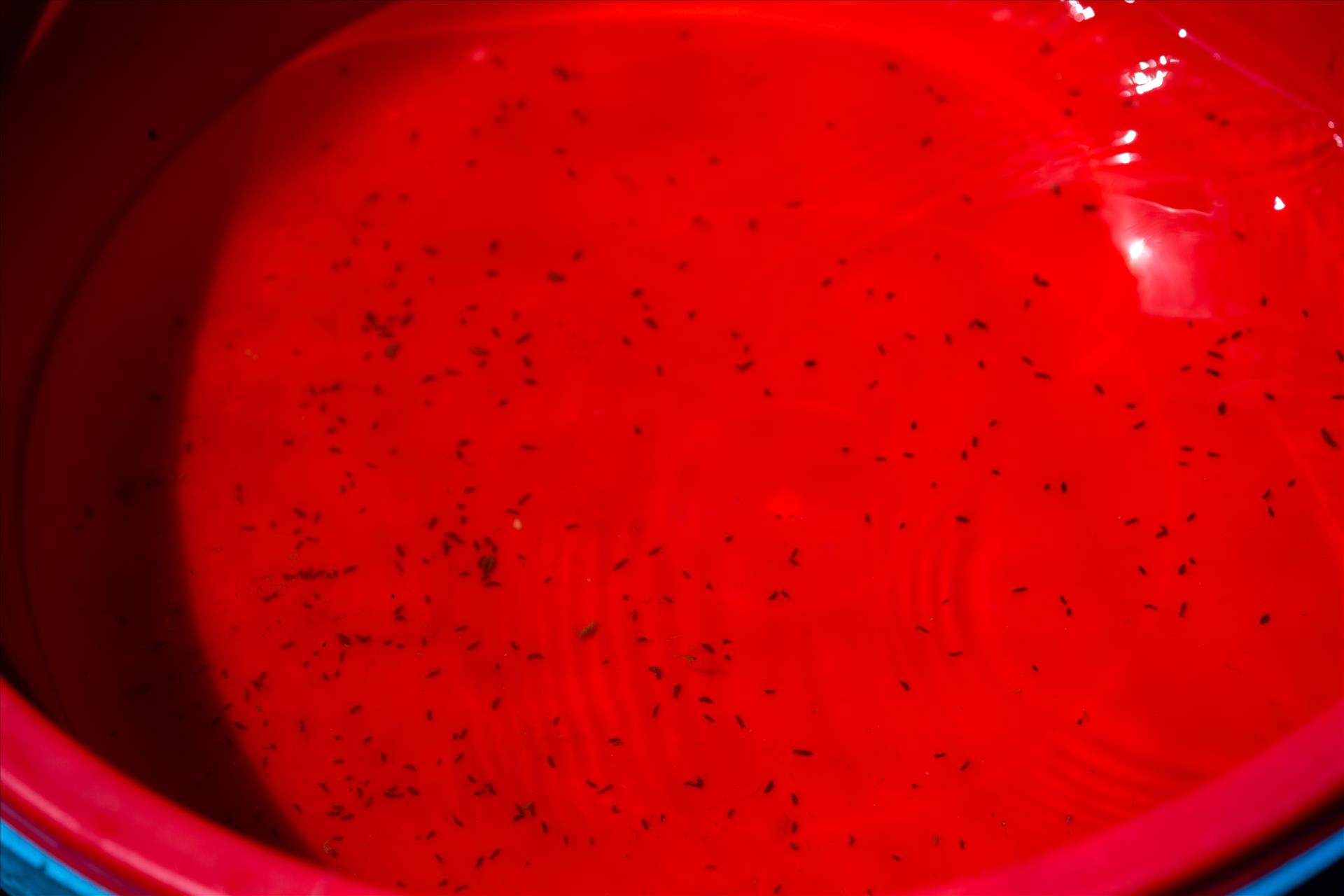
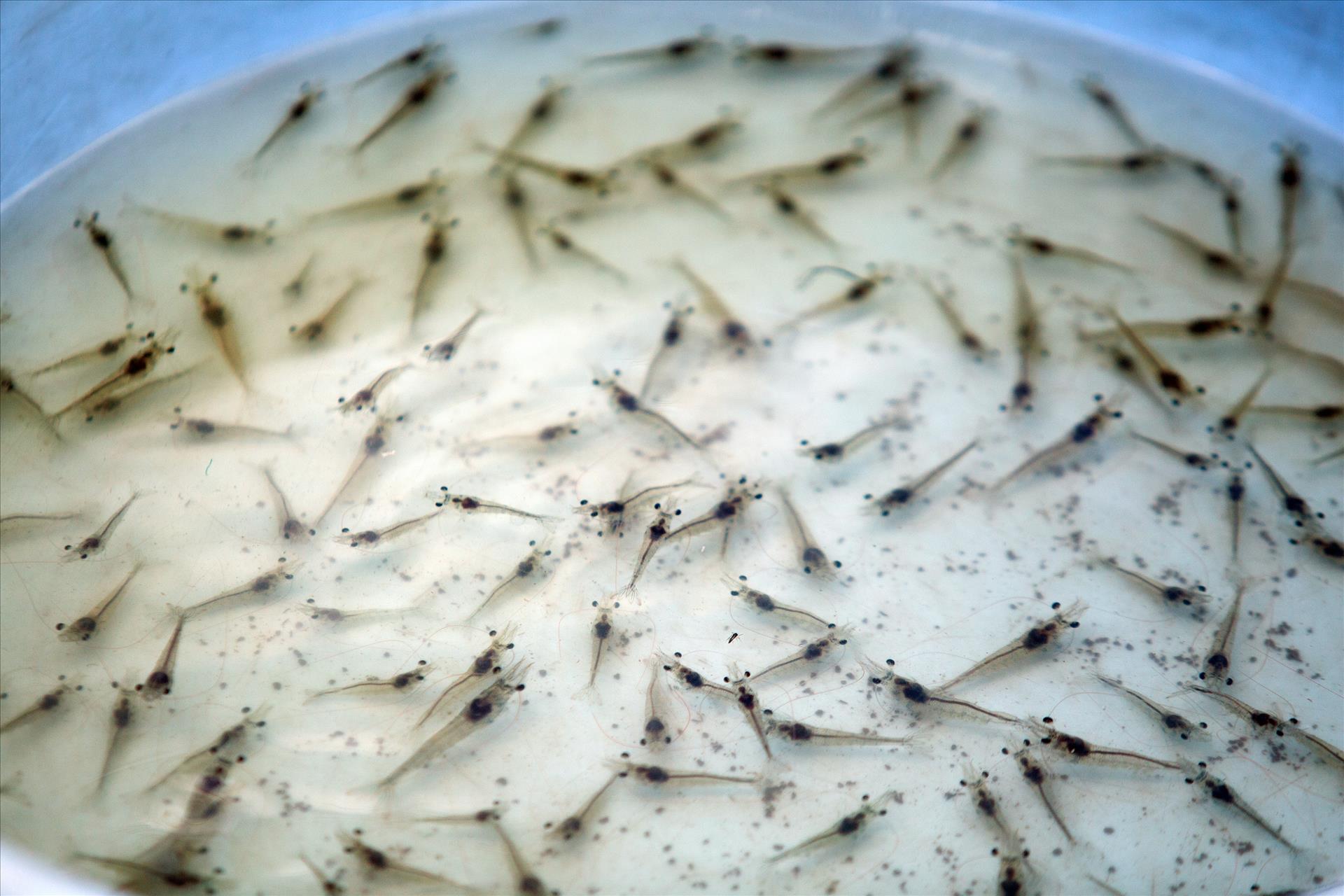
Tran Van Minh, a shrimp farmer in Ca Mau, shared a similar experience,“In the past, I was constantly worried about diseases like white spot and hepatopancreatic syndrome. Since switching to regular use of probiotics to treat the water and mix into the feed, my ponds have become cleaner and the shrimp noticeably stronger. Survival rates have improved, and the cost of medicines has dropped significantly, by about 20 to 30% compared to before. This year, my output increased nearly 15% from last year, and most importantly, I feel far more confident about the quality of what I produce.”
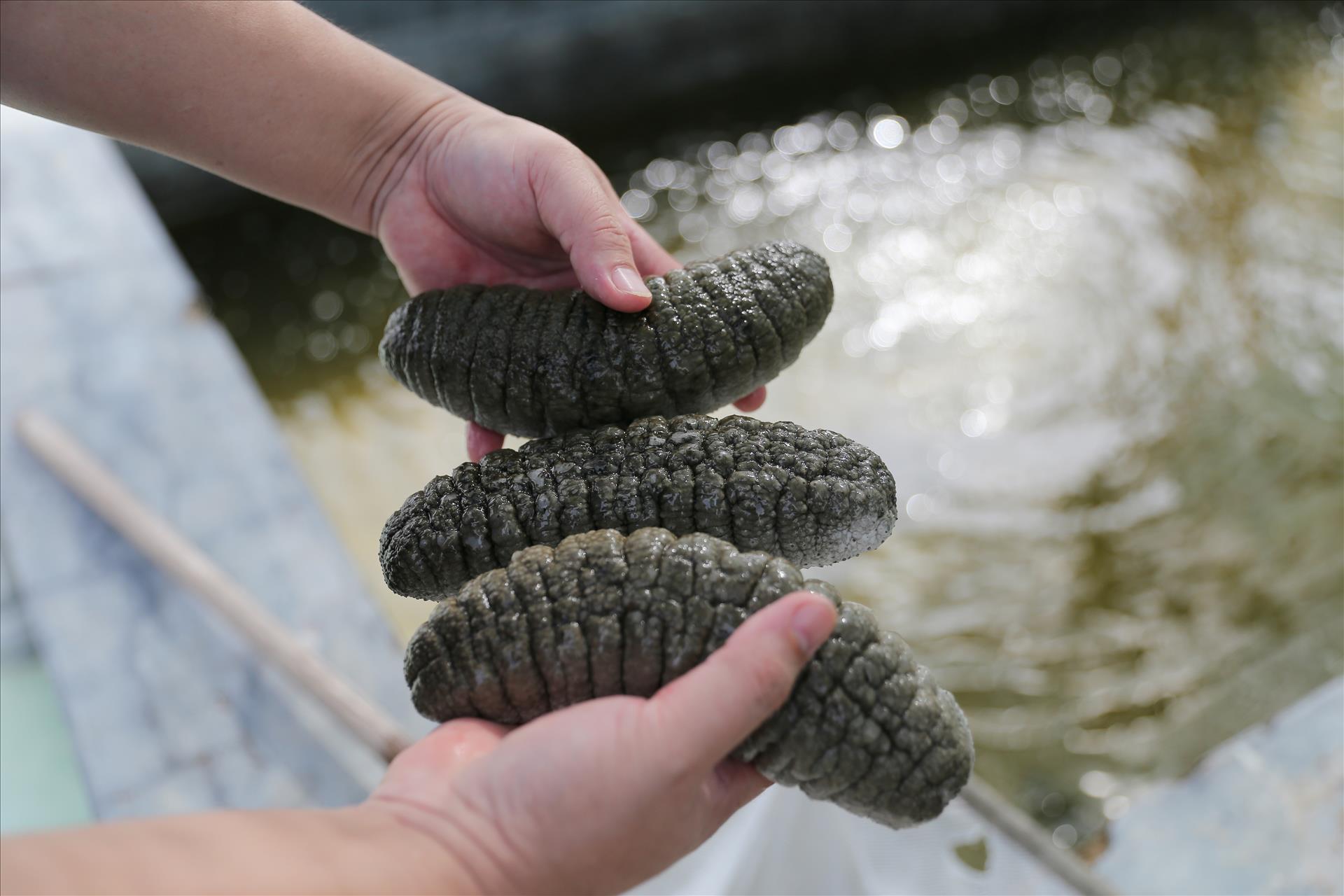
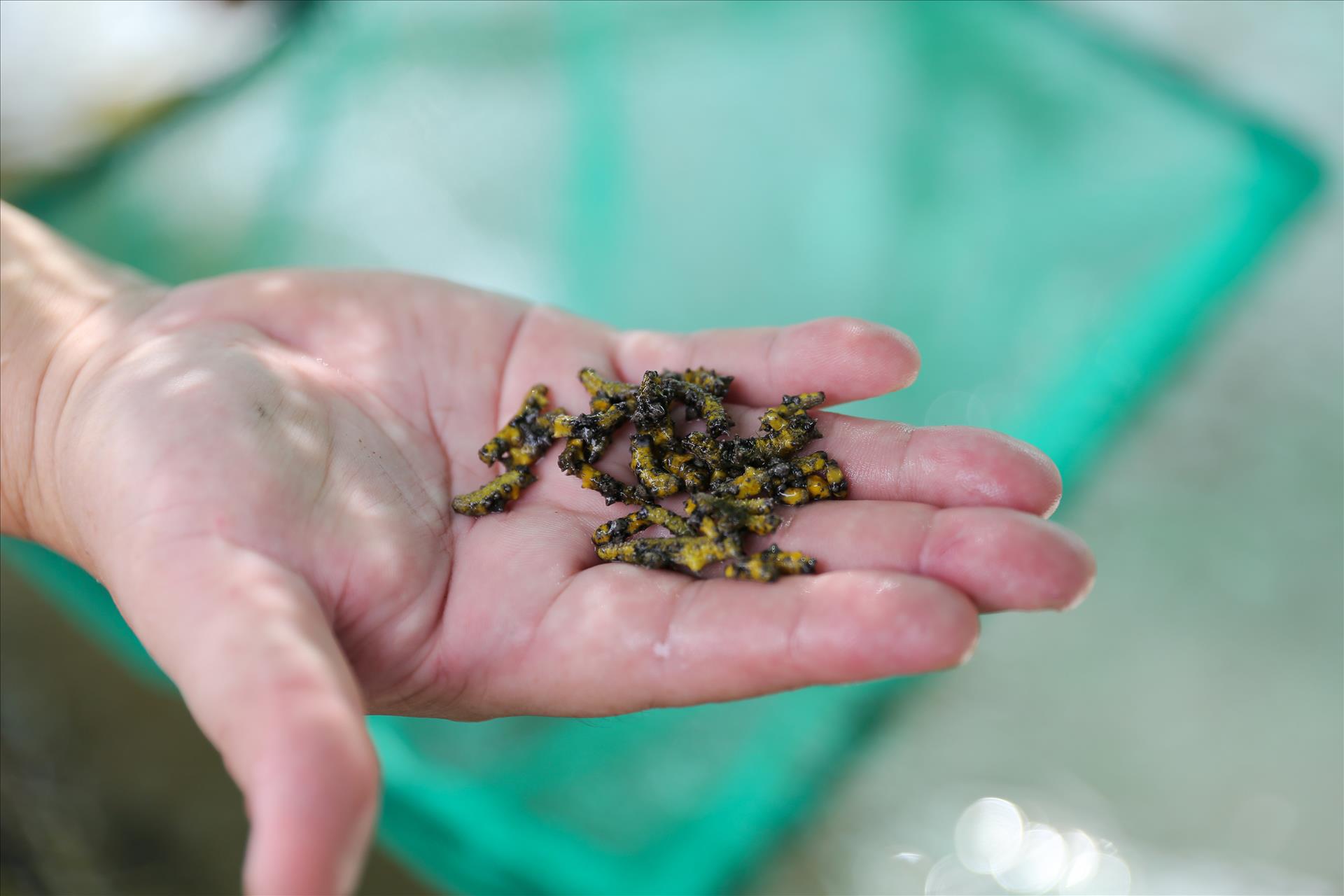

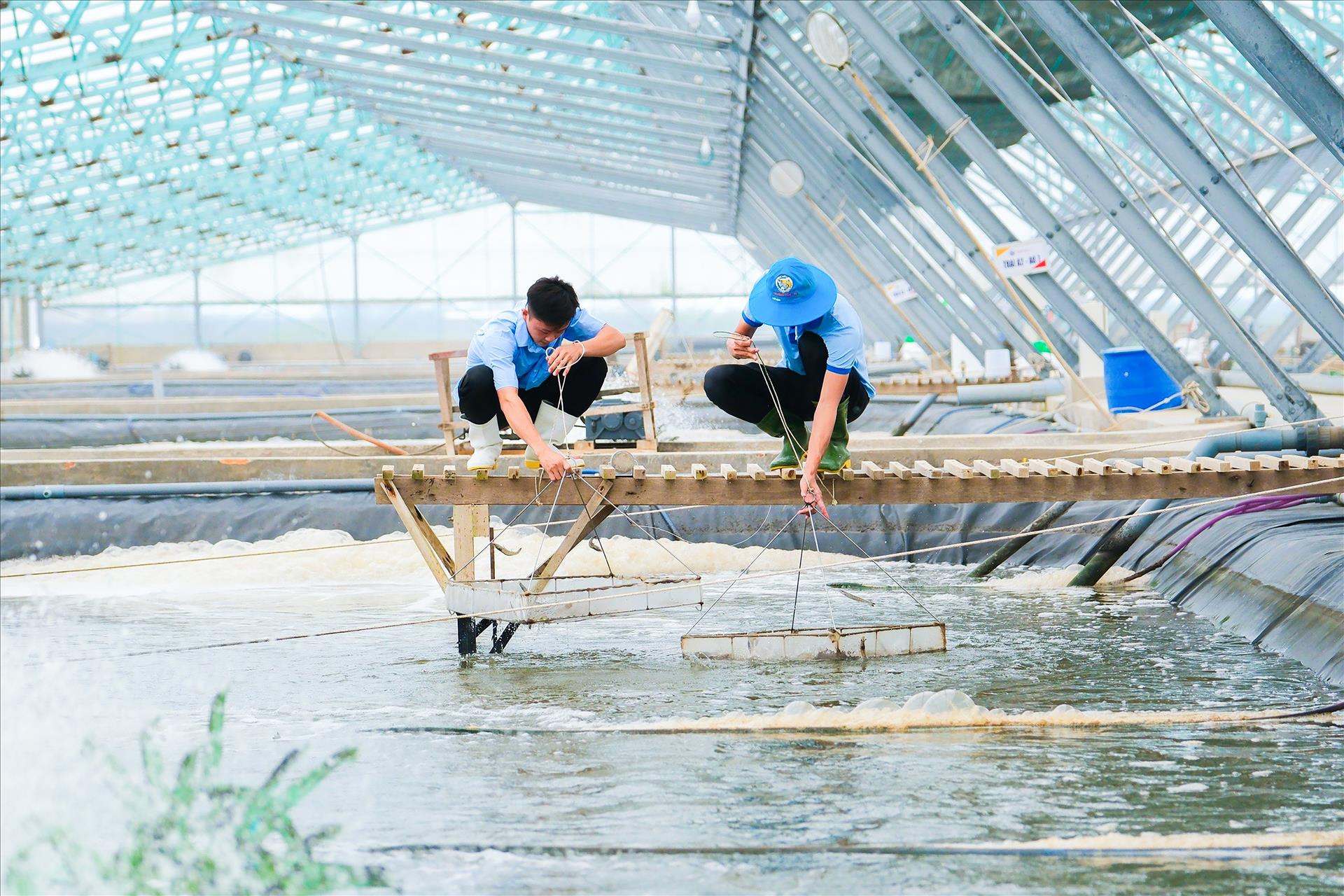
At the national level, science-driven improvements are accelerating. The Fisheries Department reports progress in selective breeding programs, aquafeed formulation, and farming system innovation for key species including shrimp, pangasius, tilapia, and lobster. Researchers have developed 35 new aquatic varieties and feed formulas for a variety of marine and freshwater species. Sixty-four technology processes have been certified for everything from disease management to brood-stock production, while 77 national standards now help regulate feed, brood-stock, and environmental treatment products.
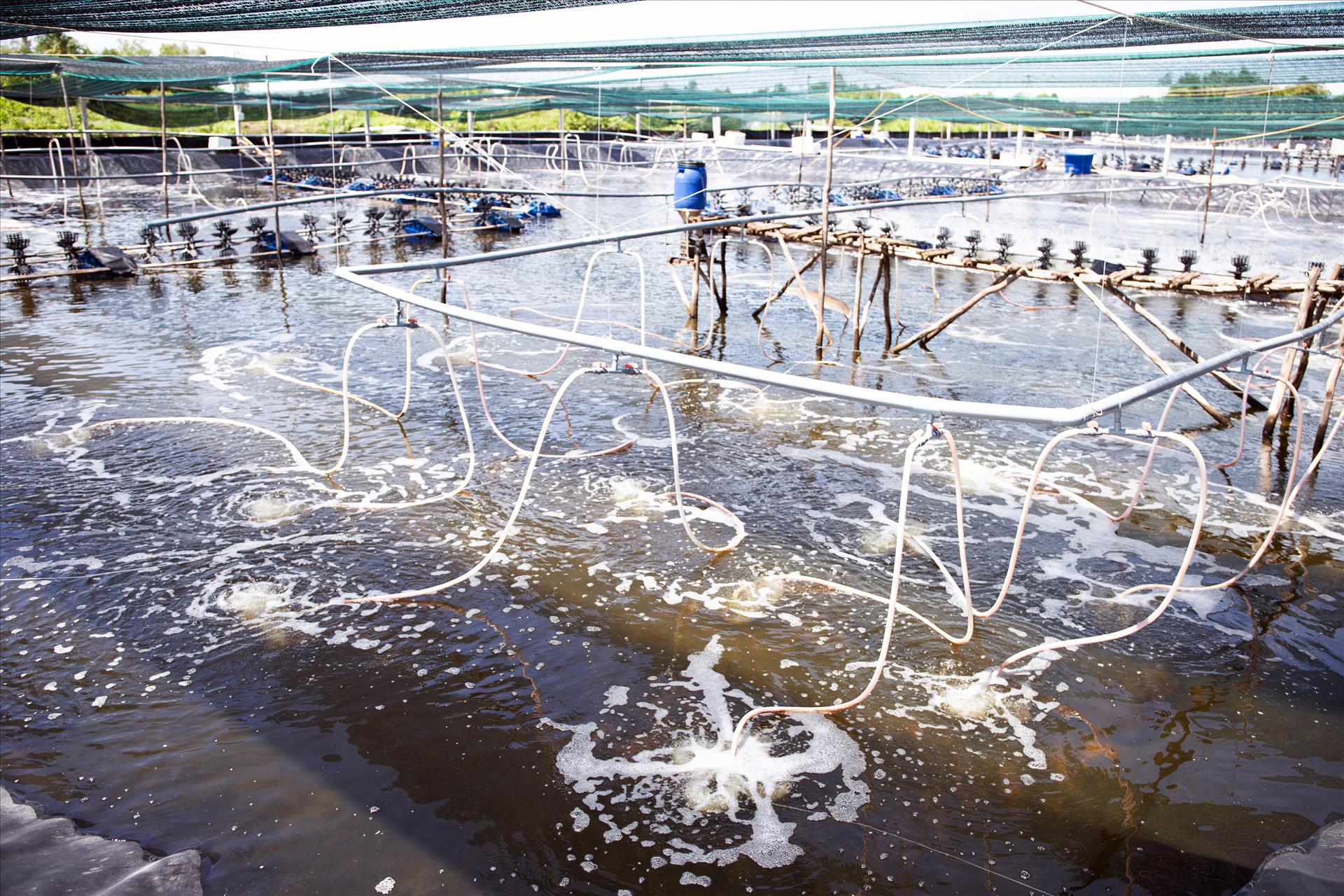
Digitalization is taking this transformation even further. IoT sensors monitor pond ecosystems around the clock, tracking pH, dissolved oxygen, salinity, and temperature. Artificial intelligence now interprets this data, warning farmers early about disease risks and recommending timely adjustments. AI-driven farm management platforms are being piloted across the Mekong Delta, helping predict Vibrio outbreaks and optimize feed use, cutting production costs by 10–15% and raising yields by up to 10%.


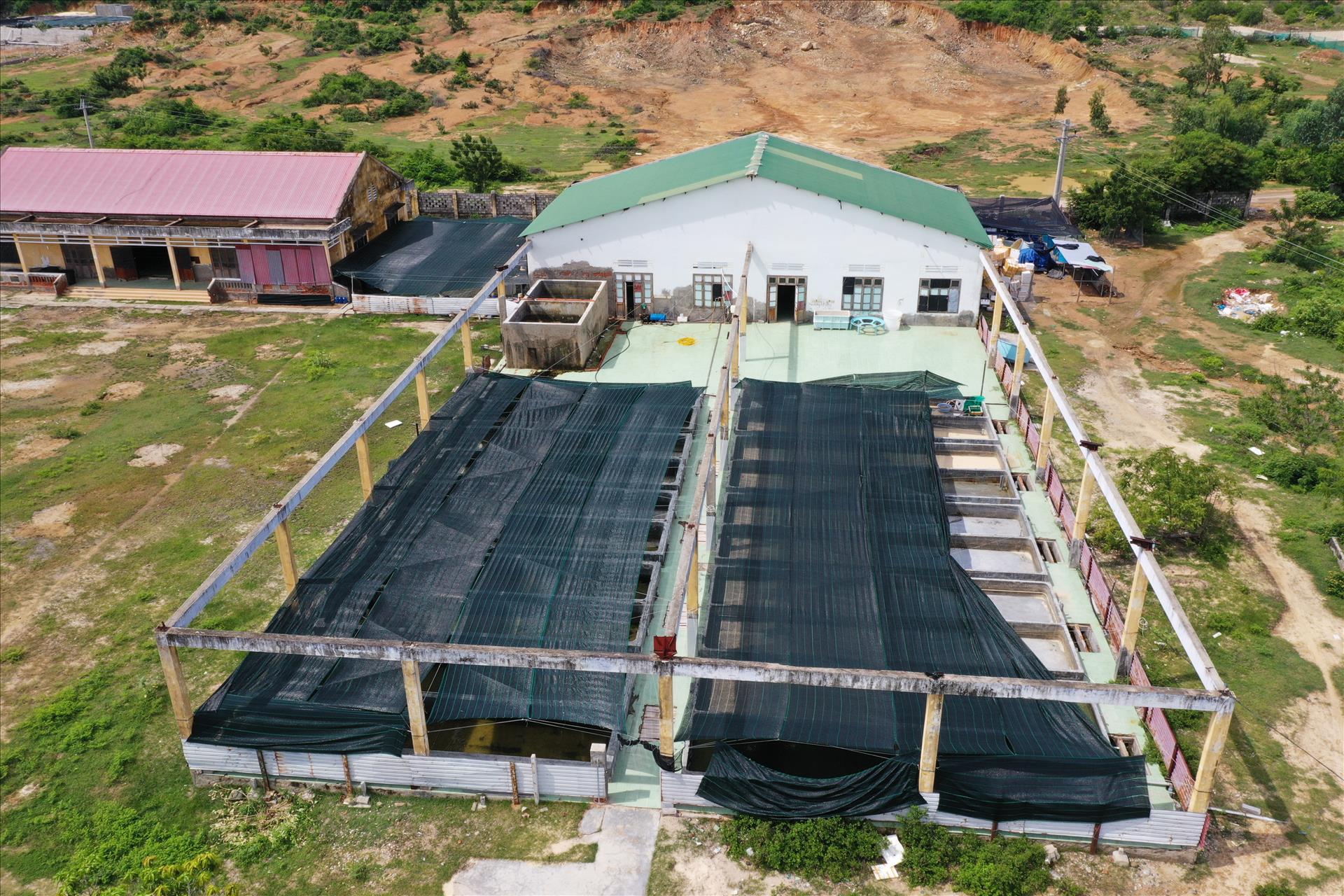
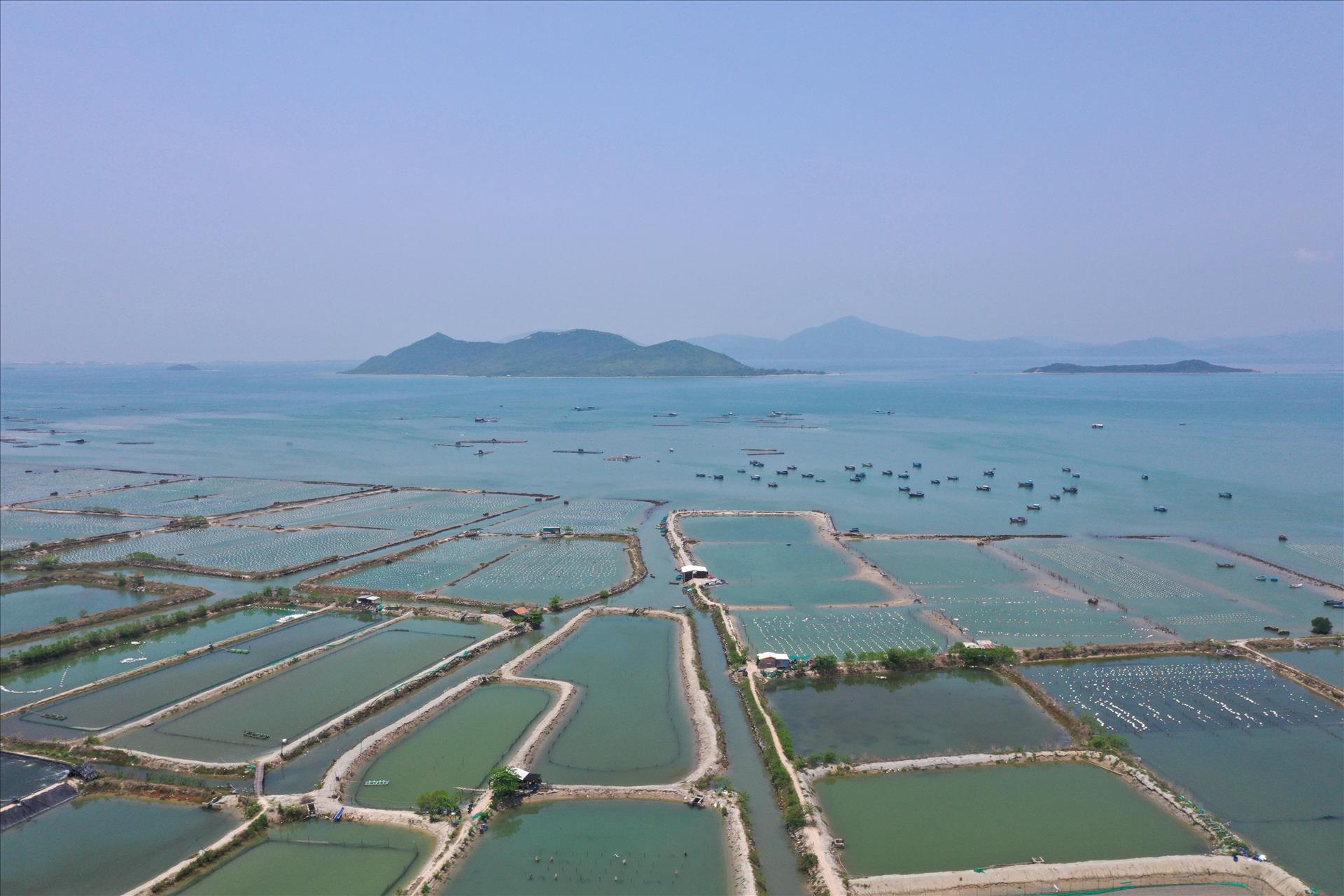
Aquaculture in Vietnam is concentrated largely in the Mekong Delta and in key coastal provinces, including Lam Dong, Ho Chi Minh City, Khanh Hoa, and Quang Ninh.
This technological wave is particularly evident in the Mekong Delta, where seafood production is accelerating as 2025 draws to a close. In Can Tho, where local authorities have designated fisheries as a core economic pillar, brackish-water shrimp has emerged as the leading export driver. The city is aiming for an output of 229,700 tons of shrimp next year and more than 1 billion US dollars in export revenues, underscoring the sector’s growing strategic importance.
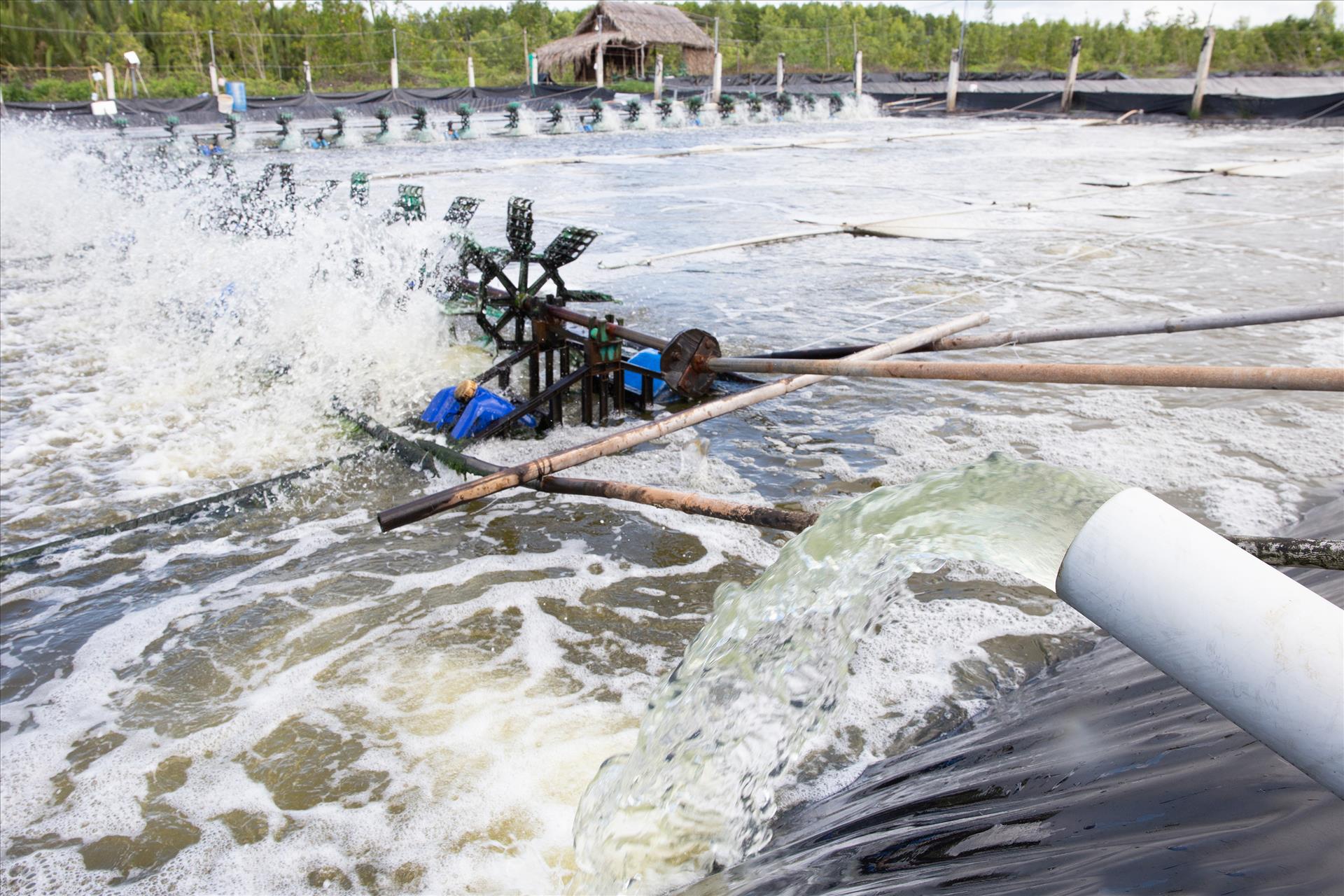
To meet these targets, Can Tho is rapidly expanding its portfolio of high-tech farming models, including multi-stage lined ponds, semi-biofloc systems, automated monitoring networks, and fully mechanized operations that cover pond preparation, feeding, environmental surveillance, and harvesting. By late 2024, nearly 8,700 hectares of shrimp ponds had been upgraded with high-tech lining materials, a year-on-year increase of 12%, signaling the city’s decisive shift toward more efficient and resilient production systems.


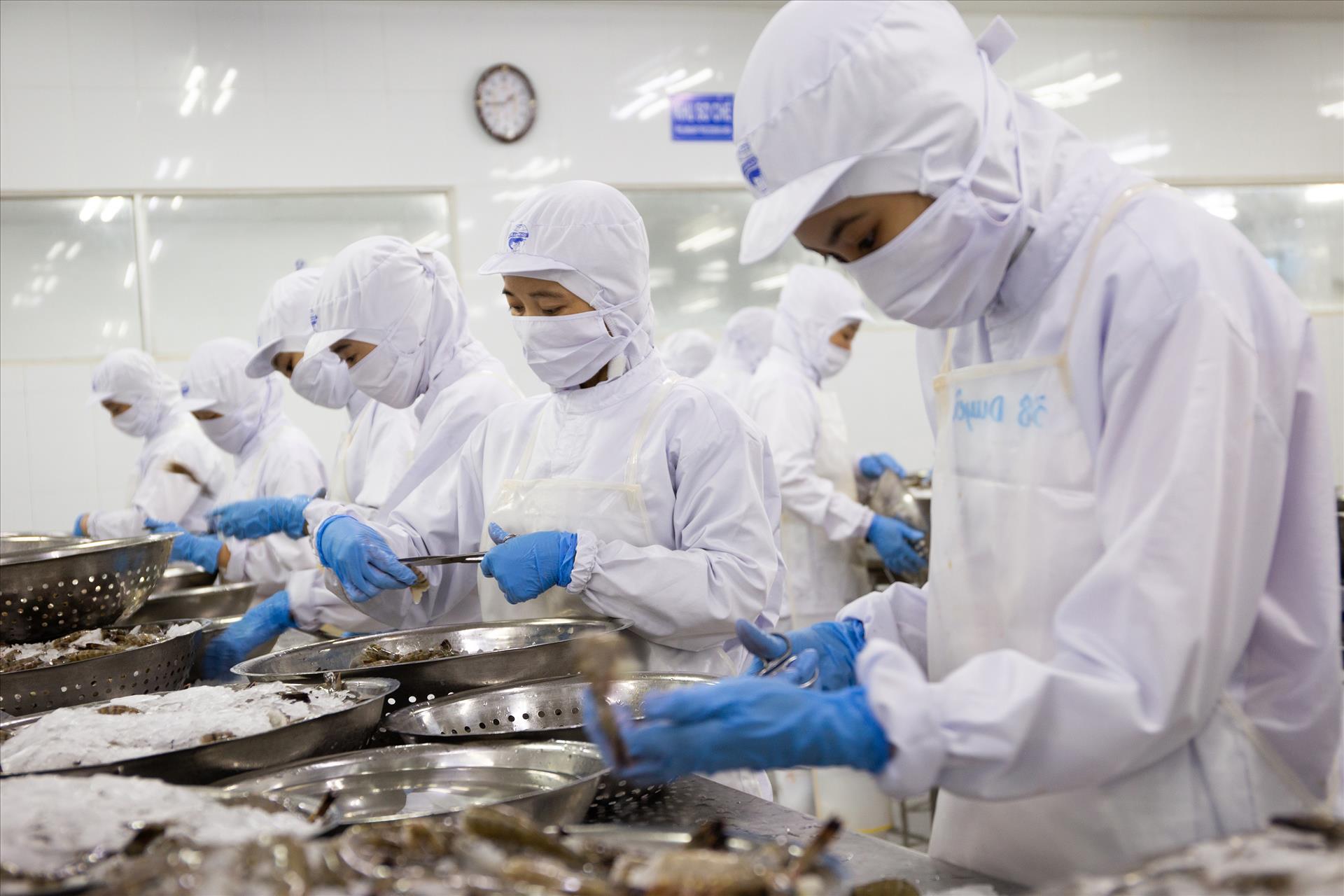

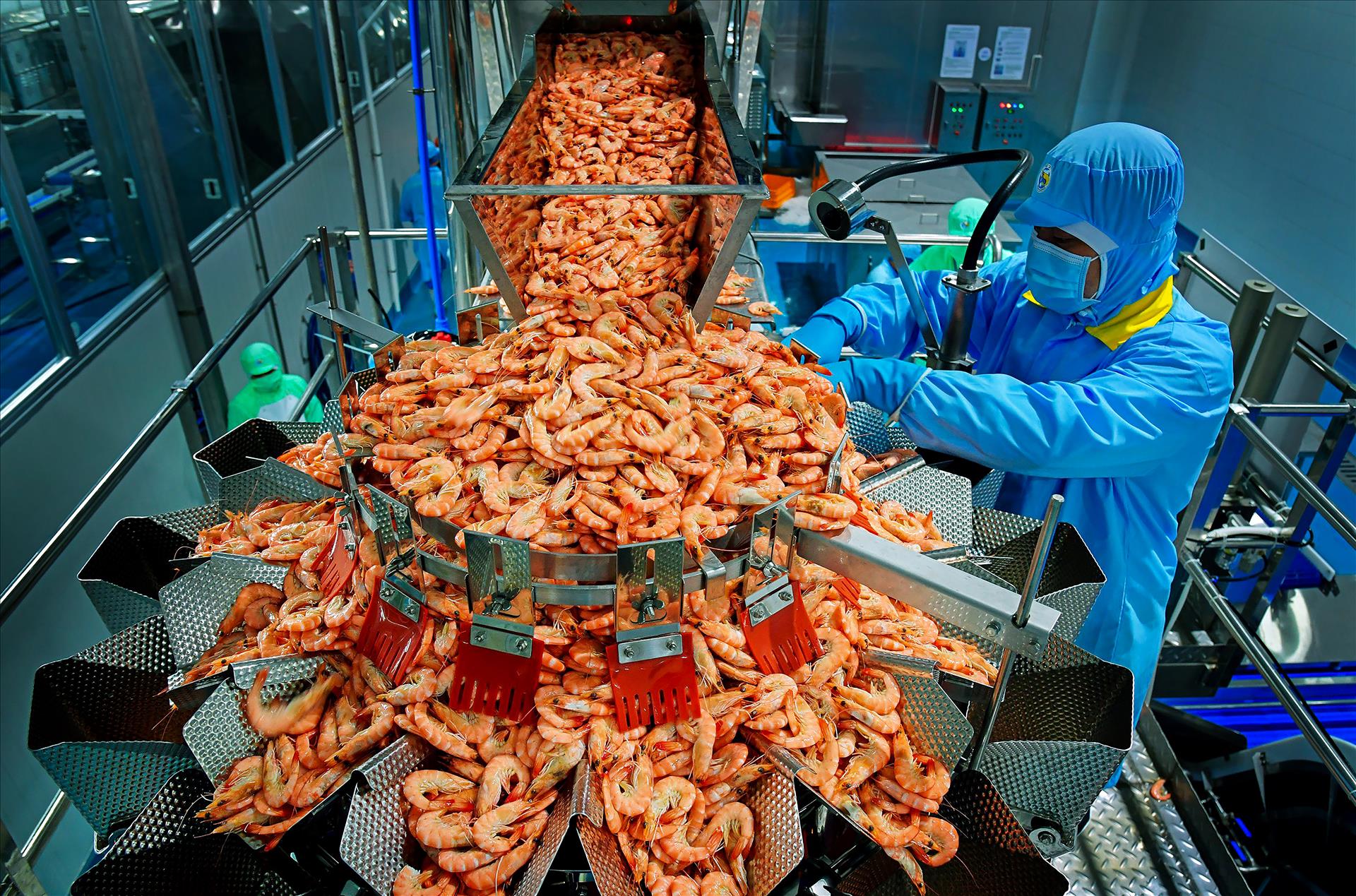
Processing plants are also modernizing. Individual Quick Freezing (IQF) and Modified Atmosphere Packaging (MAP) have become industry standards, preserving the natural flavor and nutritional integrity of Vietnam’s seafood while extending shelf life for distant markets.
“The achievements of the fisheries sector are inseparable from the application of science and technology. But we must continue to advance by accelerating technology transfers, expanding farmer training, and investing more deeply in research, particularly in new varieties, disease prevention, and deep processing,” Deputy Minister Phung Duc Tien emphasized at a recent conference.
As Vietnam positions itself more firmly on the global seafood map, the message is clear: Technology is no longer a supporting actor in the fisheries sector, it is the driving force. And with Resolution No.57 guiding long-term strategy, Vietnam appears poised to build a more sustainable, more competitive, and more resilient seafood economy for decades to come.

- Story: Trinh Bo
- Photo: VNP
- Translated by Nguyen Tuoi