
Preparations for the election of deputies to the 16th National Assembly (NA) and People’s Councils at all levels for the 2026–2031 tenure have been basically completed in accordance with schedule and legal regulations, officials said at a press conference held in Hanoi on March 12.
The event was chaired by NA Vice Chairwoman Nguyen Thi Thanh, who is also a member of the National Election Council (NEC).
Thanh said only 68 hours and 40 minutes left before the polling begins. The election follows the 14th National Party Congress and coincides with the 80th anniversary of Vietnam’s first general election.
She described the election as a particularly important political event enabling voters nationwide to exercise democratic rights by selecting qualified representatives who reflect the people’s will and aspirations, while contributing to strengthening the socialist rule-of-law State, national unity, and public trust.
Agencies across the political system have actively implemented preparations in a comprehensive, democratic, lawful, safe, and cost-effective manner. Communication activities have been widely carried out, helping to create a positive public atmosphere ahead of the polling day, she added.
Preparations largely finalised
Presenting a summary report, Ta Thi Yen, Vice Chairwoman of the NA’s Committee for Deputy Affairs and Standing Deputy Chief of the NEC’s Office, said preparations have been carried out synchronously and strictly nationwide, with many tasks completed ahead of statutory deadlines.
At the central level, the NEC organised two nationwide online conferences on election implementation, two training sessions on election software, and four working sessions to direct preparations. All 27 guiding documents assigned to relevant agencies have been issued.
The council and its subcommittees also released 31 resolutions, eight plans, and 46 guiding and explanatory documents to promptly address emerging issues, including early voting arrangements.
Inspections conducted across 34 provinces and cities showed strong coordination throughout the political system, with local authorities issuing 6,636 directives related to election preparations. Election bodies were established in full compliance with legal requirements regarding structure, composition, and timelines.
Nationwide, authorities have set up 34 provincial election committees, 3,320 commune-level election committees, 182 election boards for NA deputies, 724 boards for provincial People’s Councils, 22,401 boards for commune-level People’s Councils, and 72,191 polling teams.
Regarding personnel, Yen affirmed that candidate preparations were conducted carefully to ensure appropriate representation structures. A total of 864 candidates are running for 500 NA seats, averaging 1.73 candidates per seat, including four self-nominated candidates. Female candidates account for 45.37%, candidates under 40 years old make up 21.64%, ethnic minority candidates 21.76%, non-Party members 7.41%, and incumbent deputies seeking re-election 27.31%.
For provincial People’s Councils, 4,217 candidates are competing for 2,552 seats, while 120,873 candidates are contesting 72,611 commune-level People's Council seats, maintaining candidate-to-seat ratios in accordance with the law.
As of March 10, the country recorded 78,928,647 eligible voters who will cast ballots at 72,195 polling stations. Voter lists have been publicly posted since February 3 for verification and will continue to be updated until 24 hours before the polling begins.
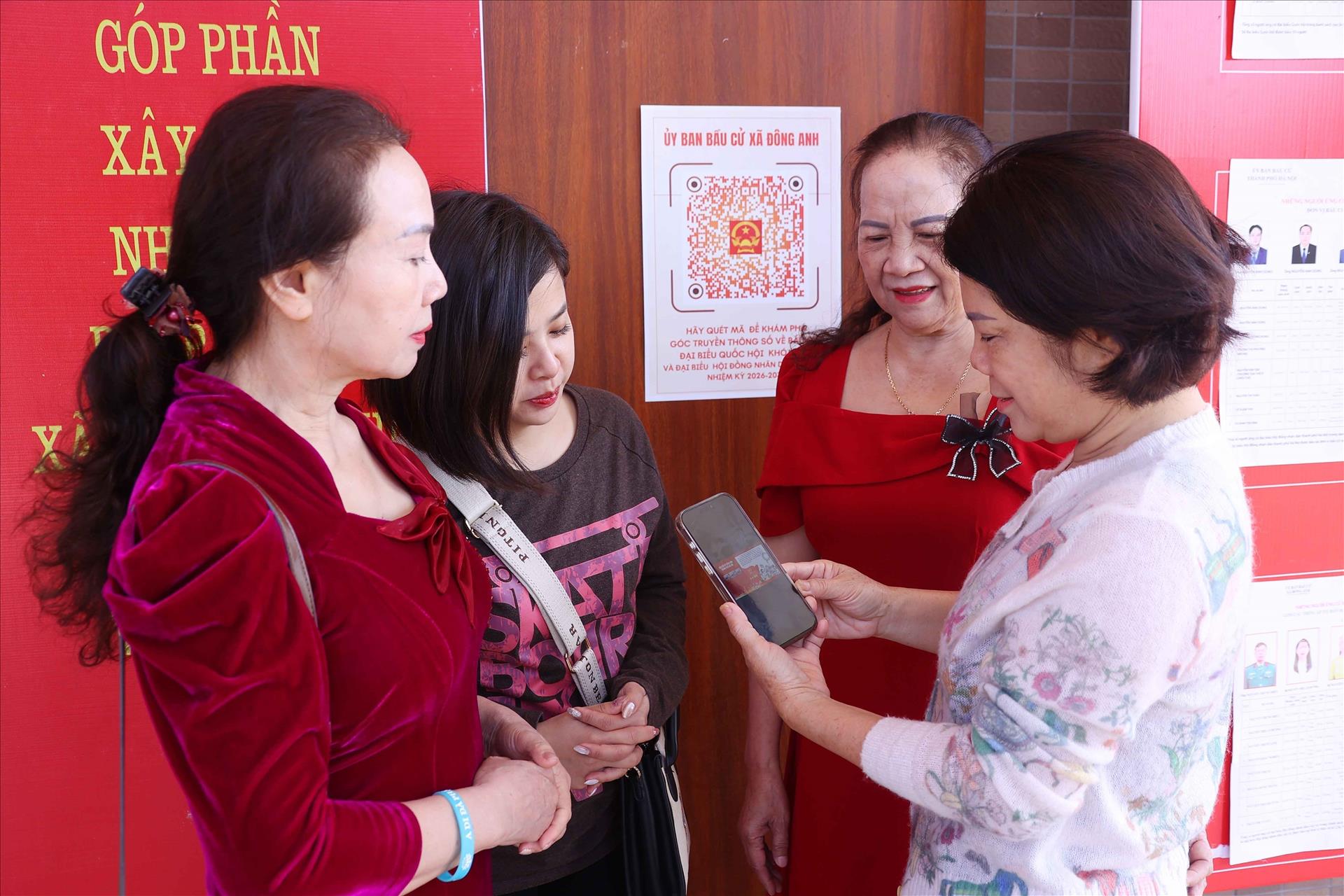
Following the announcement of official candidate lists, localities organised voter meetings for candidates to present their action programmes, while competent forces implemented nationwide plans to ensure security and public order during the election.
The NEC has approved early voting at 217 polling stations in 11 provinces and centrally run cities. As of March 12, early voting had taken place at 34 polling stations in four localities - An Giang, Khanh Hoa, and Ho Chi Minh City - in compliance with the legal regulations.
“Up to now, preparations for the March 15 election have been basically completed on schedule and in accordance with the law. With thorough preparations and strong public engagement, the polling day is expected to truly become a nationwide festival of all people conducted democratically, safely, lawfully, and successfully,” Yen stressed./.