
The Ho Chi Minh City Department of Health, in coordination with authorities of Dat Do and Bac Tan Uyen communes, launched a pilot model titled “Community-based continuous healthcare teams” on April 7.
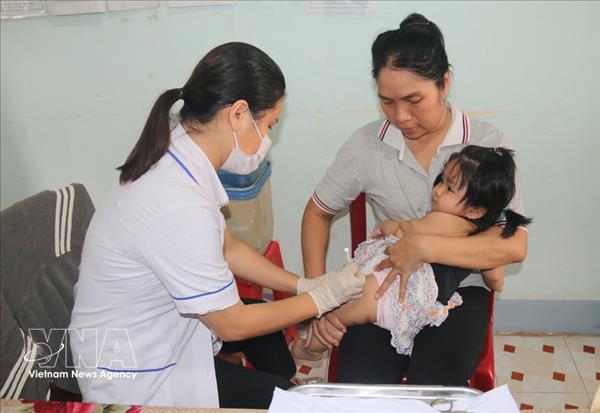
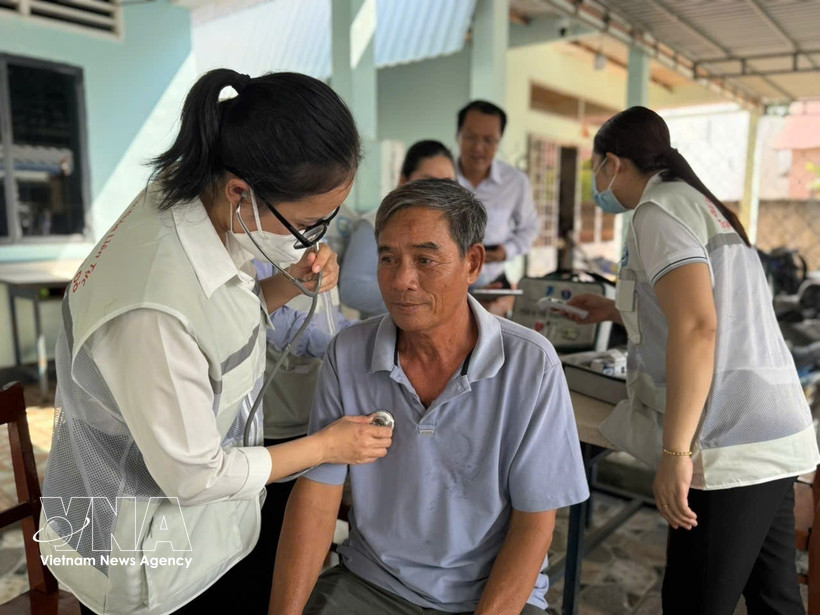
Built on the principles of family medicine, the model aims to provide continuous, proactive and comprehensive health management for residents. Healthcare teams will visit households directly, prioritising elderly people, patients with chronic diseases, persons with disabilities and vulnerable groups to conduct regular monitoring, consultation and healthcare services.
Speaking at the launch ceremony in Dat Do commune, Deputy Director of the Ho Chi Minh City Department of Health Tran Ngoc Trieu stressed that effective implementation requires close coordination among local authorities and healthcare workers and professional support from the health sector, forming a solid “three-pillar” foundation. Local administrations and mass organisations play a particularly important role in communication efforts, mobilising public participation and fostering community consensus.
He emphasised that the model must be implemented in a practical and effective manner, noting that public trust is built not on promises but on the daily dedication and professionalism demonstrated by healthcare workers.
According to Nguyen Hoang Ngoc Phuong, Vice Chairwoman of the Dat Do commune People’s Committee, rising healthcare demand makes innovation in grassroots healthcare operations inevitable. The model is expected to enhance disease prevention, ease pressure on higher-level hospitals, reduce costs for residents and strengthen public confidence in the grassroots healthcare system.
A key feature of the initiative is the shift from a passive approach of waiting for patients to visit medical facilities to proactively delivering healthcare services to communities.
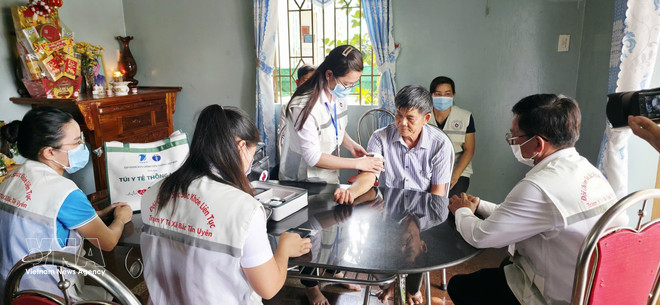
On this occasion, Dat Do commune established four continuous healthcare teams, each comprising 7–12 members, including doctors, nurses, pharmacists and community health collaborators. Assigned to specific residential areas, the teams began household visits immediately after the launch ceremony to collect health information and deliver initial care services.
Public communication activities are also being strengthened to help residents better understand the model’s significance and benefits, encouraging active cooperation with healthcare workers through various channels, including local broadcasting systems and community social media platforms.
The same day, Bac Tan Uyen commune also launched the pilot model, announcing the establishment of six community-based continuous healthcare teams. Each team consists of medical staff and health collaborators responsible for designated residential areas.
Nguyen Hung Son, Vice Chairman of the Bac Tan Uyen commune People’s Committee, affirmed that protecting and improving public health remains a central and long-term priority of the locality. Amid growing healthcare demands, particularly among elderly residents and those with chronic illnesses, the model plays an important role in bringing healthcare services closer to people.
He noted that the initiative not only improves primary healthcare effectiveness but also marks a transition from passive to proactive healthcare delivery at the grassroots level. Teams will visit households to monitor health conditions, provide preventive consultations, support chronic disease management and detect health risks early.
The teams are tasked with managing household health records, conducting home-based examinations and consultations, and promptly addressing emerging health issues, serving as a core force in delivering proactive, continuous and comprehensive healthcare services within communities./.