
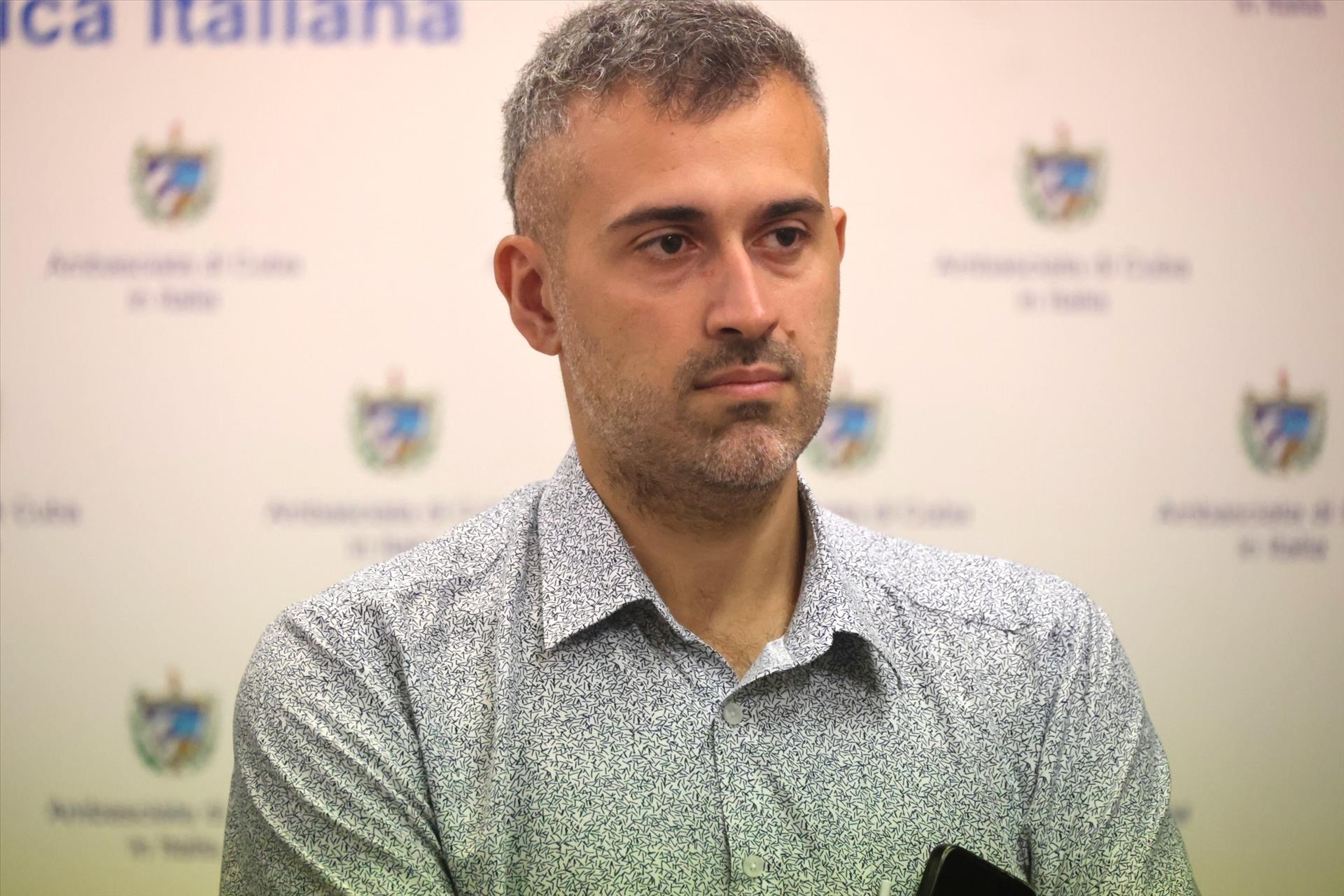
The election of deputies to the 16th National Assembly (NA) and People’s Councils at all levels for the 2026–2031 tenure is a major political event, complementing the 14th National Party Congress in ushering Vietnam into a new era of rise, prosperity and civilisation, said Giulio Chinappi, Asia Regional Director of Italian publishing house Anteo Edizioni and an expert on Vietnam.
Chinappi noted that the outgoing 2021-2026 term of the 15th NA and local People’s Councils delivered substantial results despite severe headwinds, including the COVID-19 pandemic, natural disasters and a volatile global environment. Elected bodies and their members, he said, played a critical role in preserving socio-political stability, fostering national unity, and supporting national economic recovery and development.
He said the decision to bring forward the election schedule, paired with the shift to a two-tier local administration model and broader administrative streamlining, carries a clear strategic significance. It is meant to swiftly put in place the institutional, organisational and workforce conditions needed to follow the 14th National Party Congress’s Resolution and advance Vietnam’s long-term development goals for 2030 and 2045 in a coherent and timely manner.
From both a political and administrative standpoint, the reforms are designed to deliver more responsive, people-centred governance capable of faster decision-making and stronger enforcement. Eliminating redundant administrative layers clarifies accountability, streamlines processes and boosts the accountability of local authorities, ultimately cutting bureaucratic costs and speeding up public service delivery, Chinappi said.
An earlier vote also allows newly elected bodies more time to prepare professionally for the 2026-2031 term, matching the country’s new development stage which demands NA and People’s Council deputies with strong political and moral qualities, professional competence, proven execution ability and a genuine commitment to public service. They must therefore serve as exemplary figures of integrity, responsibility and dedication to national interests and citizens’ well-being, he said.
In an era defined by digital transformation, modernisation and the state’s coordinating role, Chinappi argued that a results-oriented, measurable and transparent governance culture is indispensable. NA deputies and People's Council members at every level will therefore be capable of championing effective governance, with simplified procedures, clearly assigned responsibilities and a constant focus on meeting the public needs.
Looking ahead, Chinappi expressed confidence that the incoming term will see Vietnam intensify inter-parliamentary engagement, reinforce its multilateral foreign policy and advance peaceful cooperation grounded in respect for international law as outlined in the United Nations Charter. He predicted that legislative diplomacy will emerge as a more tangible driver of national development, marked by proactive involvement in global and regional parliamentary mechanisms to build trust, foster dialogue and forge consensus on shared priorities, including sustainable growth, green transition, technological innovation, crisis resilience and responses to non-traditional security threats.
Parliamentary diplomacy should more directly address Vietnam’s socio-economic priorities, thereby helping shape reliable legal frameworks for trade, investment, sci-tech cooperation, while protecting Vietnamese citizens and overseas Vietnamese communities, he added./.