
Making news
Home affairs sector asked to boost digital transformation to better serve citizens, businesses
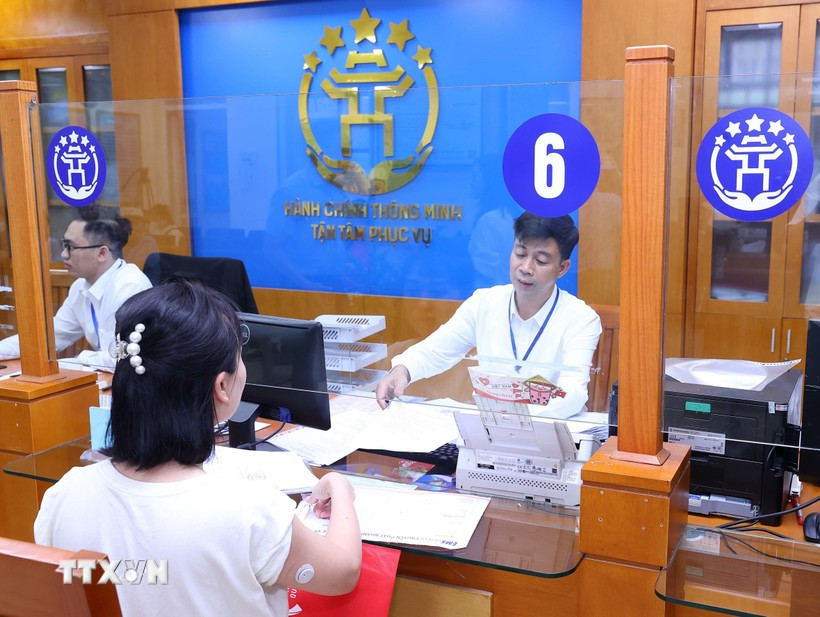
Deputy Prime Minister Nguyen Chi Dung has signed Decision No. 350/QD-TTg approving a scheme on comprehensive digital transformation in the home affairs sector in service of citizens and businesses through 2030, with a vision to 2045.
The scheme aims to implement comprehensive and synchronised digital transformation across all areas of state management under the sector, from central to local levels, placing citizens and businesses at the centre of service delivery. It seeks to build a professional, modern and transparent public administration operating on the basis of data, with strong analytical, forecasting and adaptive capabilities. The sector is expected to become a model of digital transformation in public service delivery.
By 2030, the sector is to complete core digital infrastructure, data systems, digital platforms and shared applications. By 2035, a unified and interconnected digital administration and modern governance model is to be established, contributing to the development of digital government. By 2045, the sector is envisioned to operate entirely on smart digital platforms powered by advanced data and smart technologies.
By 2030, the scheme targets the full development of data infrastructure and digital platforms across the sector. All sectoral databases are to be deployed under a unified and concentrated model, ensuring connectivity and data sharing with the National Data Centre in accordance with the prescribed roadmap.
The national database on public officials, civil servants and public employees will be completed and put into operation, serving 100% of personnel management tasks. The national database on social security will also become operational, meeting at least 80% of policy implementation requirements of competent authorities.
The scheme also aims to ensure that 100% of interactions between citizens, businesses and the home affairs sector's administrative bodies, excluding classified matters, are conducted seamlessly in the digital environment, with timely, secure and convenient reception, processing and response to applications.
It targets over 95% of dossiers and documents within home affairs-related agencies to be processed entirely in electronic form, using government digital signatures. Core professional processes are to be restructured, standardised and digitised, with more than 95% conducted on digital platforms. Over 95% of management decisions are expected to be based on data analysis through decision-support systems, ensuring objectivity and efficiency. Besides, at least 70% of qualified data in the home affairs sector is set to be publicised in the form of open data to serve citizens, businesses, and society at large.
By 2035, most key indicators are expected to approach 100%, with stable, synchronised and sustainable operations supported by predictive capabilities. Administrative procedures and public services will be provided proactively and automatically based on digital data, eliminating repeated dossier submission. Virtual assistants and artificial intelligence will be applied to governance, demand forecasting, workforce planning and apparatus restructuring.
Looking to 2045, digital transformation in the sector is expected to contribute substantively to a comprehensive, sustainable, advanced and equitable social policy system, ensuring social security and welfare for all citizens. Governance and decision-making will be increasingly supported by data analytics and intelligent systems, with core processes highly automated and securely operated in the digital environment.
Digital transformation in the sector is expected to play the core role in institutional, apparatus and human resources improvement, helping realise Vietnam’s ambition to rank among the world’s top 30 countries in innovation, digital transformation, e-government, public administration and public service delivery./.