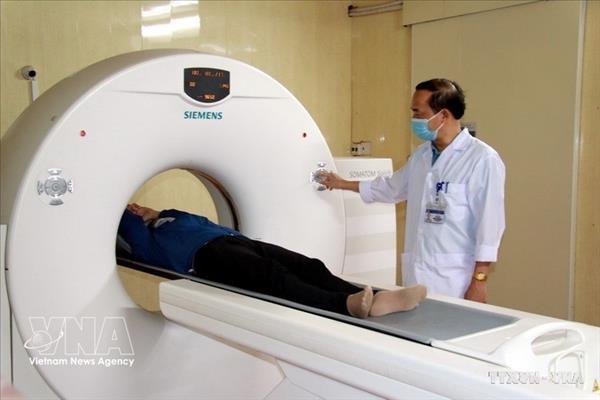
From 2026, all residents in Ho Chi Minh City will be provided with periodic health check-ups or screening at least once a year under a newly issued municipal plan for the 2026–2030 period.
The results will be recorded in electronic health records to support life-cycle health management and help reduce medical cost burdens.
Under the plan, the city aims that by 2030 all children under 24 months old will receive regular examinations, screening, monitoring and health management in line with regulations. All students at educational institutions will undergo at least one health check-up annually, while all employees in agencies, organisations, enterprises, industrial parks and export processing zones will receive periodic health examinations and occupational disease screening at least once a year.
People working in heavy, hazardous, or dangerous jobs, along with other priority groups defined by law, will have health check-ups at least twice a year. Others, such as freelancers, small business owners, farmers, fishermen, homemakers, people with disabilities, social welfare recipients, and out-of-school children under 18, will get annual check-ups or screenings. The city also aims for full coverage of regular exams and early detection of non-communicable diseases among seniors.
All individuals undergoing check-ups or screening will have their health profiles established and updated in the city’s electronic health database.
In the initial phase in 2026, priority will be given to children under 24 months old, students, out-of-school minors, contracted employees, probationary workers, apprentices, public officials, members of the armed forces, social protection beneficiaries and people aged 60 and above. From 2027 to 2030, the programme will be expanded to include students and residents without labour contracts or outside employer management, such as informal workers, small traders, farmers, fishermen and homemakers.
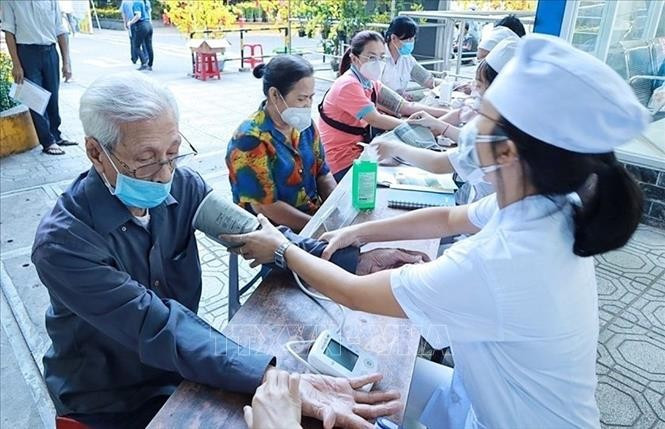
Regular check-ups and screenings will take place at healthcare facilities approved by the municipal Department of Health. If needed, mobile health services may be set up outside of medical centres, with the department’s approval, to make things more convenient for residents.
The municipal People’s Committee has tasked heads of departments, agencies and local administrations with directing the implementation of the plan within their jurisdictions and incorporating periodic health check-up targets into annual work programmes. Funding will be sourced from the state budget, the Health Insurance Fund, sponsorship and aid, and other lawful sources. Employers will be responsible for covering periodic health examination costs for their employees in accordance with labour and occupational safety regulations.
According to municipal authorities, synchronising periodic health check-ups and early disease screening will improve population health quality, reduce disease burden and medical expenses, and gradually build a modern and sustainable health management system in the city./.