
As global commerce increasingly pivots towards sustainability, stricter environmental, emissions and supply chain responsibility requirements are rapidly becoming key conditions for market access, green exports are no longer an option but are becoming the new “rules of the game” for businesses in the highly open Vietnam to participate more deeply in global value chains.
A major turning point is the European Union’s rollout of the Carbon Border Adjustment Mechanism (CBAM) on January 1, 2026, aimed at preventing “carbon leakage” amid the relocation of production to countries with less stringent environmental standards.
For developing economies, including Vietnam, CBAM signals the growing role of environmental standards as a new form of trade barrier. Authorities estimate that roughly 11 Vietnamese export sectors may face direct or indirect impacts. Aluminium, cement, steel and chemicals are expected to be directly affected, while electronics, textiles and garments, processed food, paper and plastics could feel the effects through supply chains.
The UK is also expected to introduce a similar mechanism from 2027, while other developed economies are exploring policies linking carbon emissions with sustainable trade practices. At the same time, new regulations such as the Corporate Sustainability Reporting Directive (CSRD) and supply chain due diligence requirements are compelling businesses to ensure transparency across the entire value chain, from emissions data and labour standards to raw material sourcing.
Tran Ngoc Quan, Trade Counsellor and head of the Vietnam Trade Office in Belgium and the EU, said the bloc will intensify border inspections in 2026, tighten food safety control and expand trade defence measures, particularly for the steel sector. These developments indicate that global trade competition is entering a new phase where sustainability standards increasingly determine market access.
In response, Vietnam is gradually recalibrating its overseas market development strategy to align export expansion with sustainable development goals. Do Quoc Hung, Acting Director General of the Foreign Markets Department under the Ministry of Industry and Trade, said market development should not only sustain export growth but also help unlock new growth spaces while strengthening the long-term sustainability of exports.
Alongside consolidating traditional markets such as the US, the EU, China and Japan, Vietnam is stepping up efforts to explore emerging markets in the Middle East, South Asia, Africa and Latin America. While these regions offer strong growth potential, businesses must thoroughly grasp business practices, logistics systems and payment risks to avoid potential setbacks.
Nguyen Hoang Thuy, Vietnam’s Trade Counsellor in Sweden covering the Nordic region, noted that green transition has become a central pillar of the EU’s development strategy. Requirements related to traceability, circular economy and emissions reduction are compelling enterprises to green their entire production chains, from raw material inputs to finished products.
Despite clear policy direction, a significant gap remains between strategic goals and businesses’ implementation capacity. Many enterprises still treat green exports as a product-level issue, while in practice it requires comprehensive transformation across the entire value chain, from raw material sourcing and production technology to processing and logistics.
Another challenge lies in businesses’ hesitation to invest in sustainability due to high upfront costs and long payback periods. Experts warn this view is incomplete, as even certified exports to developed markets such as Europe and Japan are subject to strict independent inspections, particularly regarding chemical residues. Non-compliance could harm not only individual firms but also the reputation of entire industries.
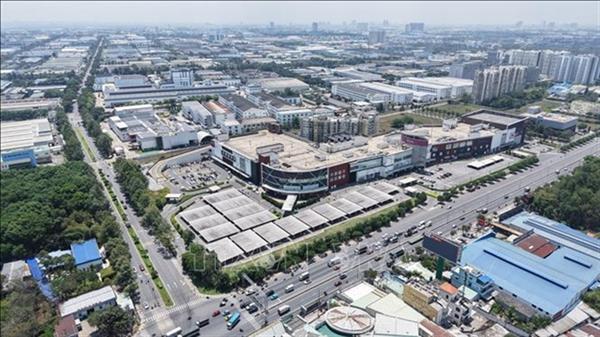
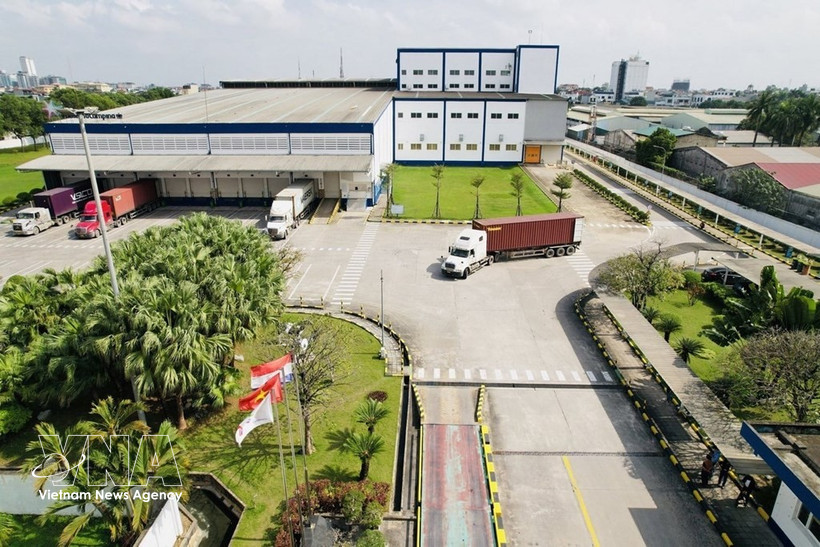
Hung suggested that establishing green production clusters or Green Export Zones would help create manufacturing ecosystems capable of meeting environmental, emissions and labour standards simultaneously. A proposed framework for joint “inter-regional standards” with the EU and the UK could further enable Vietnamese enterprises to integrate compliance requirements at the product design stage, a shift that would allow businesses to proactively integrate standards into production rather than scrambling to meet them afterwards./.