
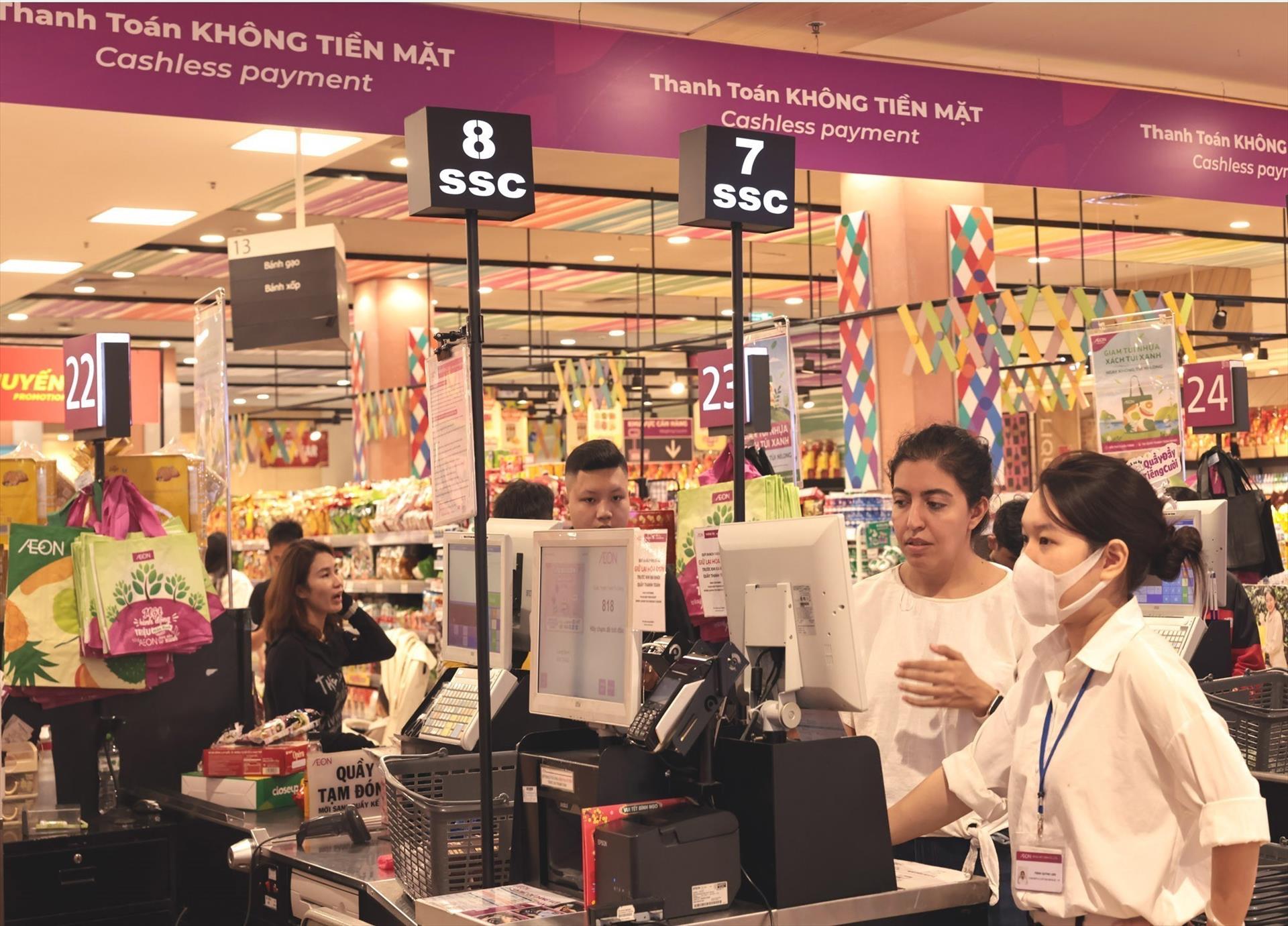
The Law on E-Commerce, passed by the National Assembly in December 2025 and effective July 1, 2026, is widely seen as a landmark regulatory shift. It imposes stricter standards on information transparency, product traceability, platform accountability, and seller verification, aiming to build a more trustworthy and mature digital marketplace.
Reflecting on 2025, Deputy Minister of Industry and Trade Nguyen Sinh Nhat Tan spotlighted the sector’s continued role as a pillar of digital economy. Market size was estimated at around 31 billion USD, up 25.5% year-on-year. E-commerce accounted for roughly 10% of nationwide retail sales and consumer services revenue, while driving nearly two-thirds of the digital economy’s total value. Vietnam also remained among the world’s top 10 fastest-growing e-commerce markets.
The legislature’s approval of the law has created a more unified and transparent legal framework suited to the sector’s next stage of development, Tan said. Intensified crackdowns on counterfeit products and enhanced consumer protection in the digital realm have gained traction, alongside more assistance for enterprises pursuing digital upgrades and cross-border e-commerce.
“These achievements delivered a meaningful boost to the broader industry and trade sector's performance in 2025, when Vietnam’s total export-import turnover hit a record high of about 920 billion USD”, Tan observed.
At the local level, the northern province of Son La, renowned for its fruit and agricultural staples like plum, mango, longan, passion fruit, coffee and tea, has long contended with market instability tied to heavy reliance on intermediaries.
Dao Van Quang, Deputy Director of the provincial Investment, Trade and Tourism Promotion Centre, said the province has embraced digital trade promotion as an inevitable trend and rolled out various schemes to accelerate e-commerce in agricultural sales. Son La has listed 60 products on its e-commerce platform and Sanviet.vn, while 150 agricultural products, One Commune One Product (OCOP) items and local specialties are available on buudien.vn. The province has also hosted recurring “Son La Specialty Days” on platforms such as Sendo, Voso and the PostMart online fair, elevating brand visibility for local produce.
Beyond the domestic market, Son La has helped firms introduce and sell products on global platforms like Alibaba.com, Agrimp and EC21.com, while facilitating coffee shipments to the UK, Germany, Australia, and China.
Tran Thu Trang, Director of the Hang Vinh Nam Can shrimp cracker cooperative in the southernmost province of Ca Mau, reported that the cooperative has gradually brought its OCOP products, such as shrimp and crab crackers, onto e-commerce sites and social media over the past two years. As a result, it has reached a broader customer base far beyond the local market.
Opportunities, however, have come with mounting pressure, especially around pricing as authentic products with transparent ingredient declarations face direct rivalry from lower-cost alternatives on the same platforms.
The forthcoming law mandates full disclosure of product origins, ingredients, and quality standards by sellers, while banning deceptive advertising related to uses, quality, or certifications. Sellers will assume legal responsibility for misleading information, a regulation designed to eliminate exaggerated claims and foster genuine fair competition.
Experts liken Vietnam's current e-commerce landscape to a high-speed, data-powered trading highway where every order generates cascading value across industries, each livestream functions as an instant trust-driven sales engine, and every locality can convert its unique specialties into scalable digital products reachable nationwide.
To propel the digital economy forward, they said 2026 should be the year of foundational reforms, including standardised identification for sellers and marketers, real-time transparency in product details, enhanced logistics and financial infrastructure, and robust safeguards for authentic value creation. These steps, altogether, are considered critical to forging a fair, long-term competitive landscape that supports Vietnam's ongoing GDP growth trajectory./.