
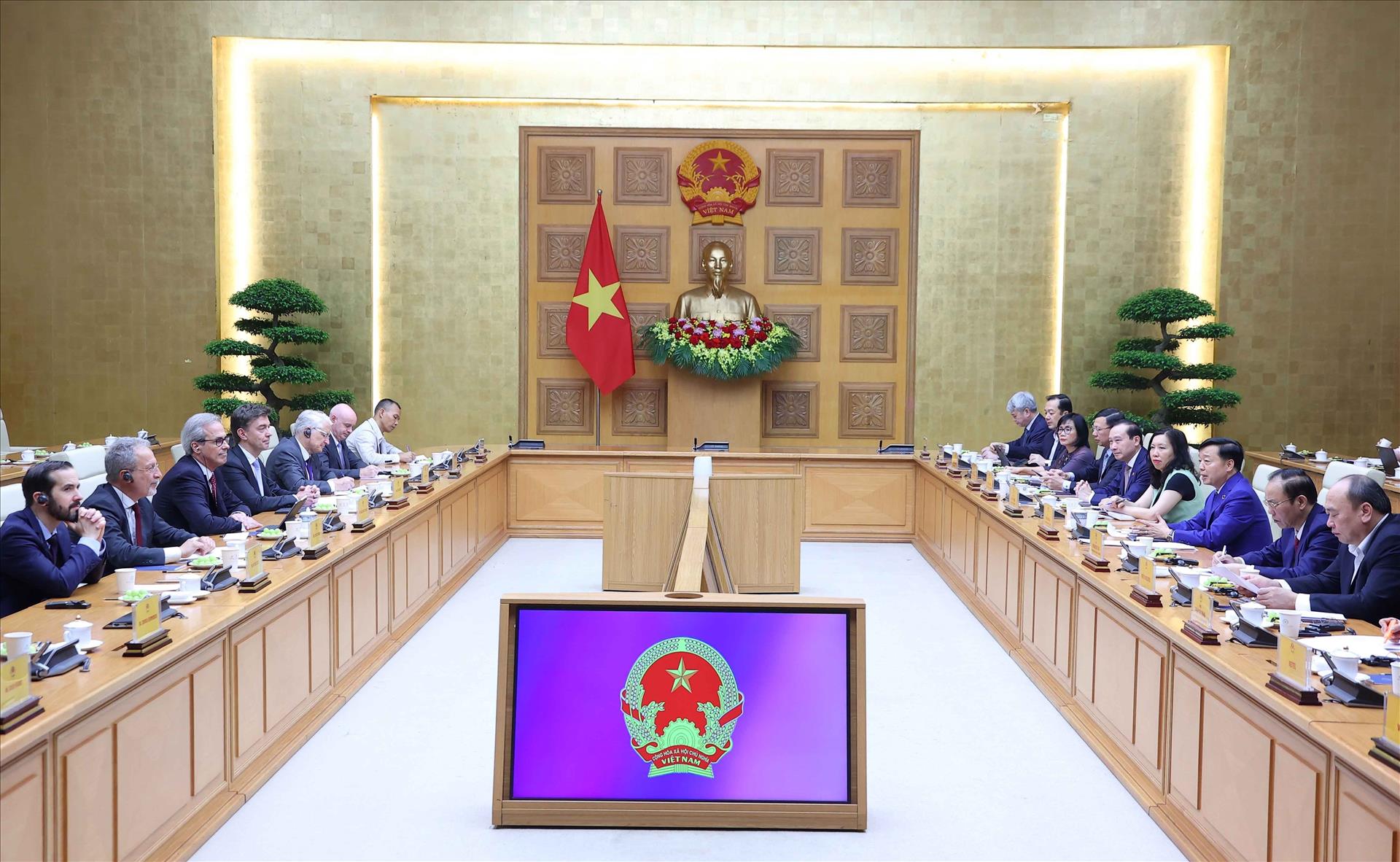
Addressing the meeting, Ha described the period since 2017, when the European Union (EU) and Vietnam first identified shortcomings related to IUU fishing, as a “notable journey,” with the EC's recommendations playing a key role in helping Vietnam perfect its policies, strengthen fisheries governance and promote sustainable marine development.
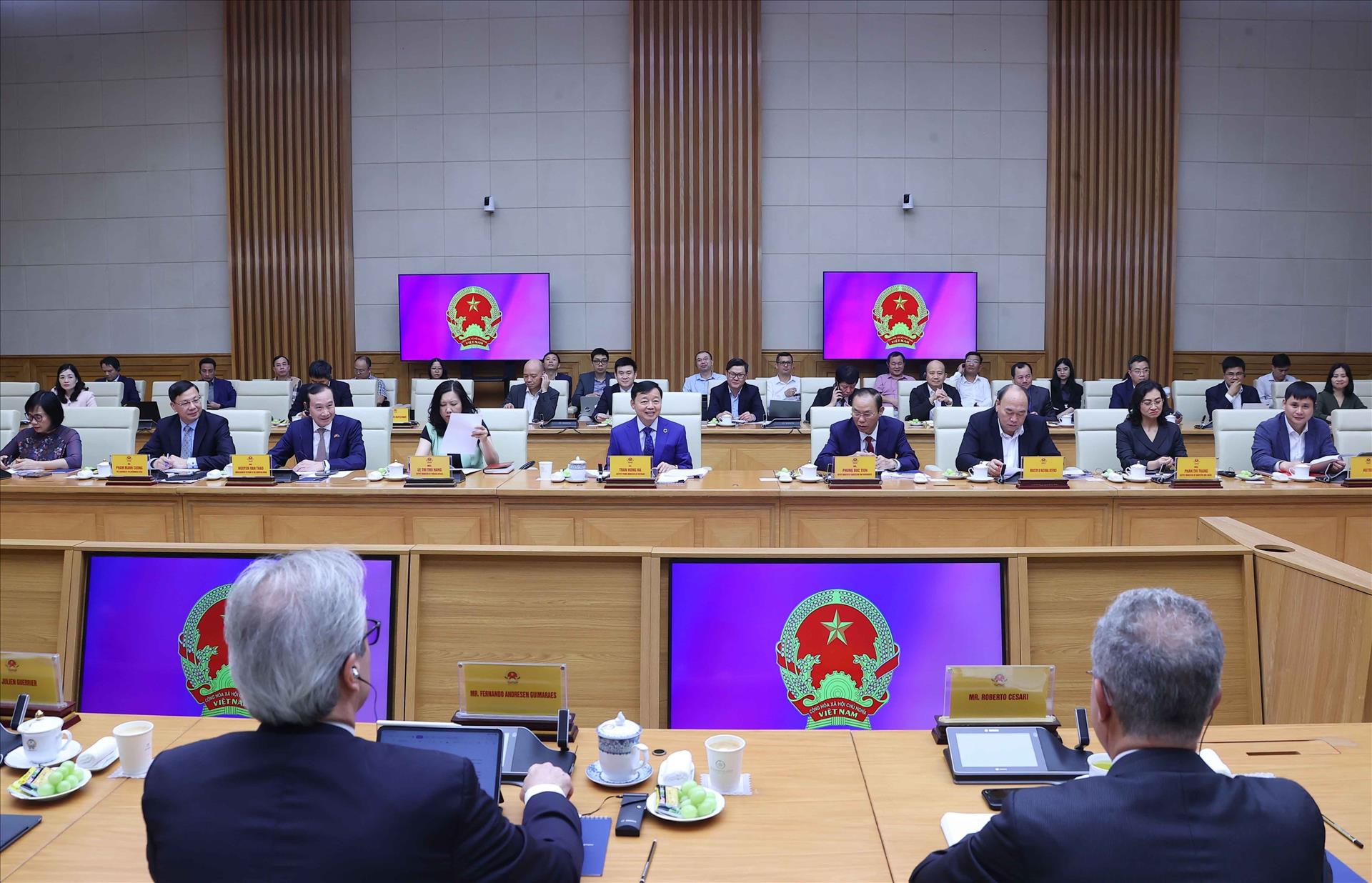
He stressed that Vietnam’s efforts go beyond the goal of lifting the EU’s “yellow card” warning, underscoring that combating IUU fishing is integral to safeguarding marine resources, ensuring long-term livelihoods for coastal communities, and fulfilling the country’s international responsibilities.
Vietnam has steadily aligned with international commitments, ratified relevant conventions, and strengthened its legal framework, including the Law on Fisheries and related regulations. At the same time, it has advanced its strategy for sustainable marine economic development, Ha said.
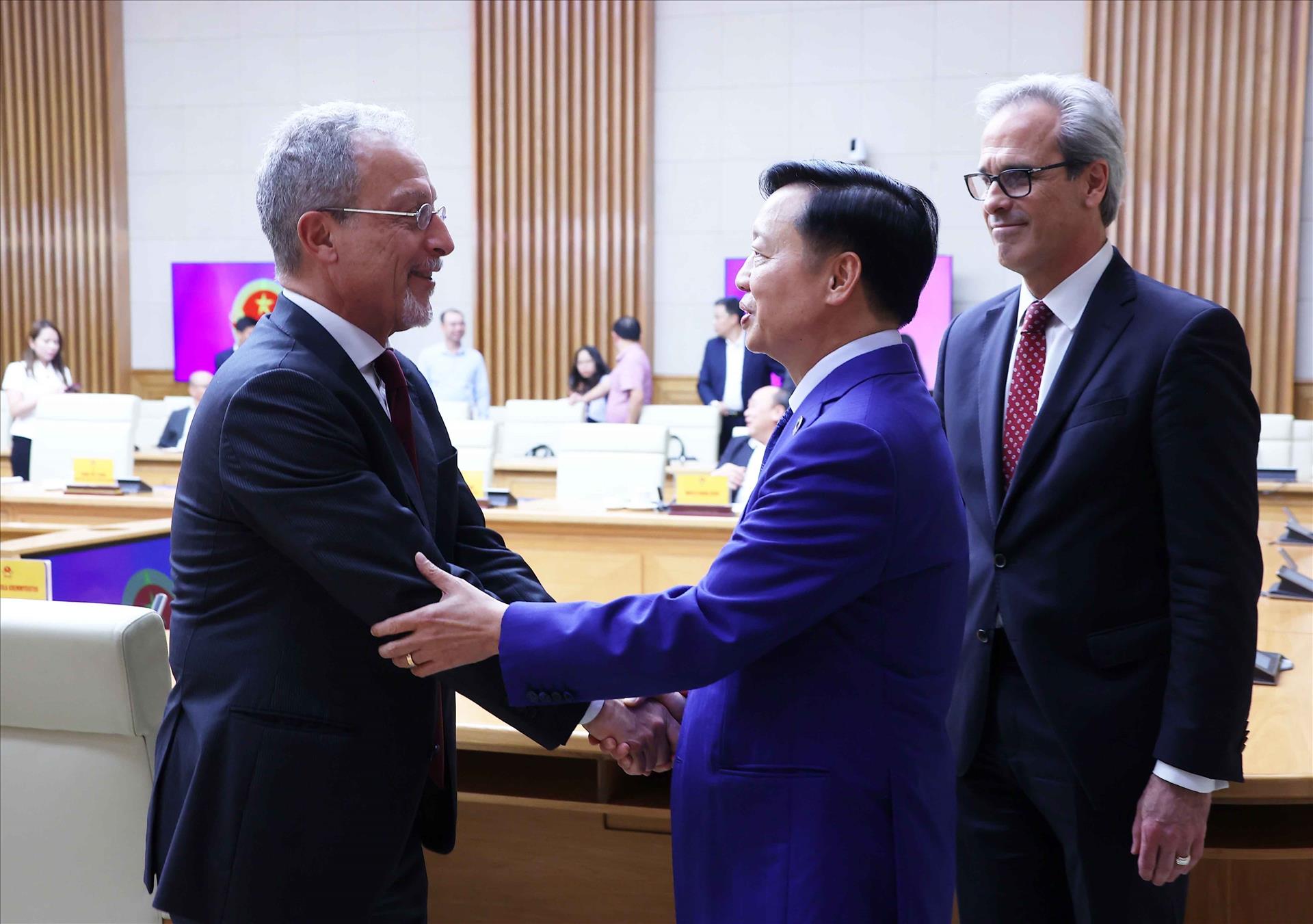
Highlighting broader ties, the Deputy PM noted that Vietnam–EU relations have developed steadily over the past 35 years, with robust growth in trade and investment. The EU remains a key partner across political, economic and diplomatic fields, particularly following the recent upgrade of bilateral ties to a Comprehensive Strategic Partnership.
He called for continued candid, constructive feedback from the EC delegation to help Vietnam further improve its fisheries management and ensure sustainable use of marine resources.
For his part, the EC's Director for International Ocean Governance and Sustainable Fisheries Fernando Andresen Guimaraes acknowledged Vietnam’s remarkable progress over the past eight years, citing advances such as the national fisheries database (VNFishbase), electronic catch documentation and traceability (eCDT), and near-universal installation of vessel monitoring systems (VMS).
However, the EC delegation also highlighted areas requiring further attention, including ensuring transparency of seafood inputs for export processing and strengthening enforcement against vessels that disable or manipulate VMS systems. It recommended tougher administrative penalties alongside criminal measures to enhance deterrence. Guimaraes commended Vietnam’s extraordinary efforts over the past more than eight years, noting that completing the remaining tasks now lay in the country’s hands, and this presents an opportunity to build a sustainable fisheries management system that will bring long-term benefits to fishermen and coastal communities. He also affirmed that the EC stands ready to support Vietnam in concluding the process and lifting the “yellow card.”
Further discussing with the delegation, Ha noted that Vietnam is at a pivotal stage of development, entering a new phase with higher ambitions and striving toward standards already achieved in Europe, particularly in economic growth, digital transformation, green transition and the development of a sustainable marine economy. He stressed that Vietnam’s development trajectory is closely linked to both regional and global responsibilities, especially in areas such as climate change, ocean governance, plastic waste, biodiversity and fisheries resources.
Vietnam has maintained close cooperation with the EU and actively participated in a range of international commitments, including agreements on biodiversity and climate change, as well as initiatives such as the Just Energy Transition Partnership (JETP) and efforts to reduce emissions in agriculture and forestry. Vietnam continues to engage proactively with the EU, both as a partner and a learner, in advancing shared sustainability goals, he added. Regarding efforts to combat IUU fishing, the Deputy PM stressed that Vietnam has drawn extensively on the experience of the EU in improving its institutional framework, particularly reforms in legislation related to seas, oceans and fisheries management.
The country has undertaken sweeping legal reforms and affirmed strong political commitment, treating the fight against IUU fishing as a critical, vital task. Based on scientific assessments of fish stocks, authorities are tightening management to ensure catches do not exceed natural quotas.
To address outstanding issues in legislation, technology and enforcement capacity, Ha called on the EC to provide more specific recommendations covering both policy and implementation, especially on balancing administrative and criminal sanctions to ensure effective deterrence.
Administrative fines for fishing violations by vessels have already been significantly increased, alongside additional measures such as confiscation of vessels in cases of non-compliance, the official noted. New violations, including traceability fraud, false declarations and disruption of monitoring equipment, will be further reviewed and incorporated into regulatory frameworks.
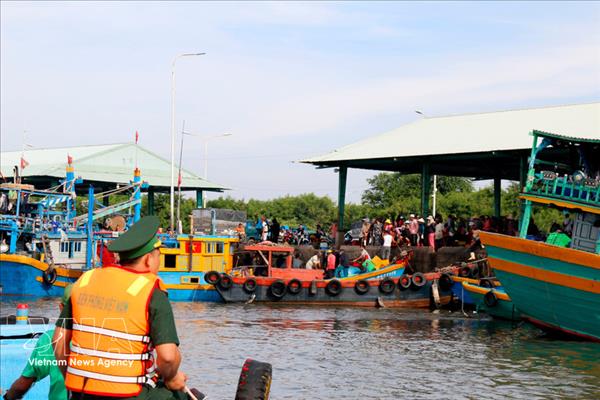
On technology, he said Vietnam has deployed a Vessel Monitoring System (VMS) and related databases, supplemented by technical solutions to ensure continuous tracking of fishing vessels even during satellite signal loss. The current system enables oversight of nearly all eligible vessels, while those failing to meet requirements are barred from fishing.
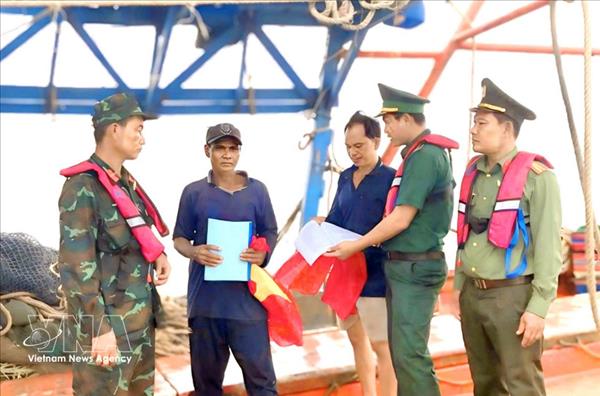
In enforcement, Vietnam mobilises all maritime forces in a coordinated manner, combining technological surveillance with efforts to raise fishermen’s awareness and compliance, stressed the Deputy PM. Vessels at risk of encroaching into foreign waters are promptly identified, warned and prevented from committing violations.
Vietnam is also reforming governance of the fisheries sector through stronger decentralisation to local authorities, especially at the grassroots level, supported by interconnected digital data systems. The government focuses on policymaking and data infrastructure, while local administrations handle direct management and enforcement.
For electronic seafood traceability, Vietnam emphasises that data must be “accurate, sufficient, clean and live”, regularly updated and interconnected with systems such as VMS and VNFishbase, with broader access for regulators, businesses and stakeholders to ensure comprehensive oversight.
On the management of imported seafood raw materials, he stated Vietnam highlighted the need to clarify responsibilities across international supply chains, particularly when product information is inaccurate, an area where further EC guidance is sought.
The Deputy PM noted that current shortcomings are being identified and addressed through the two approaches of imposing legal accountability for violations and refining policies where gaps exist.
Vietnam is committed to reviewing and amending relevant regulations in the near term, potentially using a mechanism of single document amending multiple regulations to accelerate improvements. Violations will be handled strictly, with results made public, Ha said.
He also informed the EC inspection delegation about ongoing revisions to marine and fisheries laws toward sustainable development, environmental protection, biodiversity conservation and ocean pollution reduction. The country targets expanding marine protected areas to 6% of its sea area by 2030, while promoting a transition toward high-tech marine aquaculture and alternative livelihoods.
The Deputy PM further called for stronger Vietnam-EU cooperation across agriculture, forestry and other sectors to harmonise high environmental and climate standards. It is also necessary to enhance technical collaboration, particularly in digital transformation and data management, and advance the sustainable blue economy. Expanded joint work in energy transition, especially offshore wind development under the Just Energy Transition Partnership (JETP), was also highlighted as key to mobilising international investment and resources.
Ha concluded that establishing regular exchange mechanisms would improve cooperation efficiency and strengthen coordination between the two sides in the times to come./.