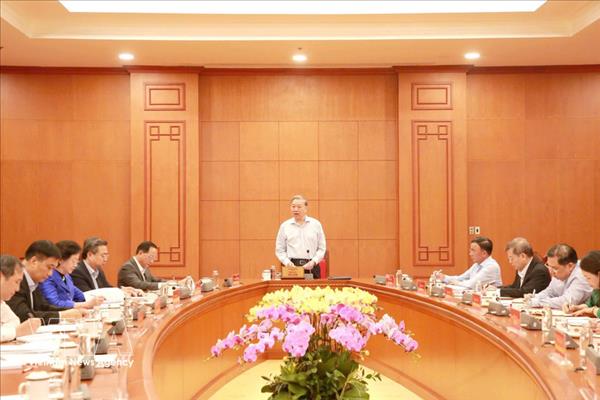

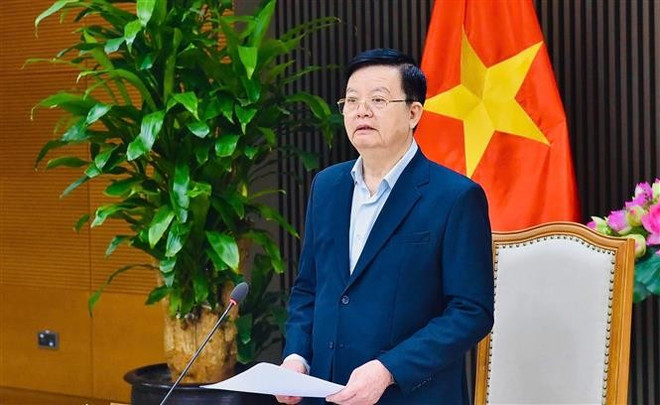
Deputy Prime Minister Mai Van Chinh on January 13 chaired a meeting of the State Steering Committee for Tourism, calling for new policies to remove institutional barriers hindering tourism development in 2026.
Reiterating the sector’s target of serving 25 million international visitors and 150 million domestic holidaymakers this year, Chinh highlighted the importance of a fundamental shift from a “recovery mindset” to one focused on growth, competitiveness and sustainability.
He assigned the Ministry of Culture, Sports and Tourism to concretise the Politburo’s Resolution No. 80-NQ/TW dated January 7, 2026, on cultural development, restructure the tourism sector, enhance quality and competitiveness, and review and adjust tourism system planning for the 2021–2030 period in line with the two-tier local administration model.
Chinh emphasised the need to focus on high-spending, long-stay international markets; promote innovation, digital and green transformation; and fundamentally renew tourism promotion efforts, with resources concentrated on premium segments and emerging potential markets.
The Deputy PM also called for stronger cultural diplomacy and the application of digital technologies and artificial intelligence (AI) to personalise promotional content for each target market, while guiding localities and businesses to develop high-end tourism products aligned with local strengths, such as green tourism, wellness tourism and golf tourism.
The Ministry of Public Security was requested to apply technology to streamline e-visa issuance and entry-exit procedures, while the Ministry of Foreign Affairs was asked to enhance international communication on Vietnam’s visa policies and propose regulatory revisions to facilitate overseas tourism promotion. The Ministry of Construction was urged to accelerate investment in strategic infrastructure, including international air routes, and ensure the timely completion of key transport projects.
At the meeting, Ho An Phong, Deputy Minister of Culture, Sports and Tourism and a standing member of the Steering Committee, reported that despite lingering global uncertainties following the COVID-19 pandemic, Vietnam’s tourism sector in 2025 emerged as a global bright spot.
The country continued to receive prestigious international awards, including being named the World’s Leading Heritage Destination for the sixth time and Asia’s Leading Destination for the seventh time, along with numerous awards for local destinations, travel businesses, aviation and tourism services at the 2025 World Travel Awards. Domestic tourism maintained steady growth, while promotion, marketing and product development were pursued in increasingly creative ways./.