Safeguarding and upholding heritage sites is not merely about keeping them in their original state, but also demands approaches that fit new contexts.
It is underscored in the Politburo’s Resolution 80-NQ/TW issued on January 7, 2026 regarding the development of Vietnamese culture, which calls for innovation in both content and methods of cultural dissemination in social life. Early launch of the “Heritage Passport” in several localities show how that requirement is starting to materialise.
The core question now is how to embed heritage visibly in everyday life. Most historical sites and museums still rely on traditional, disconnected displays that lack interactivity.
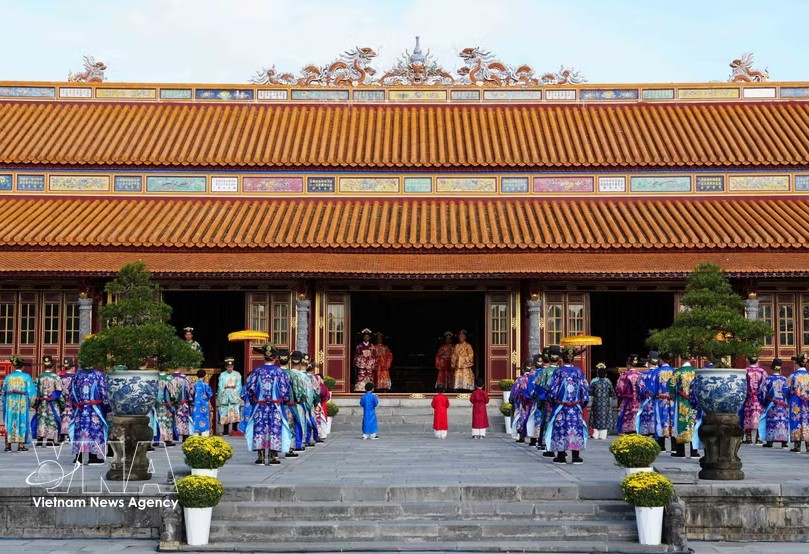
The central city of Hue is among the first to forge new paths. Its “Hue Tourism Passport” began as a destination brochure in 2018 and has since evolved into the “Hue City Passport” app, with a heritage-passport feature that strings monuments into a structured journey.
Tran Thi Hoai Tram, Director of the municipal Department of Tourism, said visitor numbers are strong but itineraries rarely cohere to encourage deeper exploration. Meanwhile, Hue’s dense heritage cluster, led by the Complex of Hue Monuments, is a natural advantage. The passport, she noted, aims to turn passive sightseeing into an interactive experience.
Through the app, visitors check in at heritage sites using GPS, collecting a digital stamp at each stop. Hitting a site threshold unlocks incentives or rewards. Every destination delivers concise information and storytelling, helping users grasp its historical and cultural value.
According to Hue tourism officials, market feedback has been largely positive and can be divided into three groups. Young and foreign tourists relish the sense of exploration and “collection” of experiences. Families see it as a useful interactive activity for children while also extending their stay. Traditional visitors, though initially hesitant, quickly adapt with a little guidance.
Building on that momentum, Hue launched a “Culinary Passport”, broadening the concept. Each dish is placed in its specific cultural setting, so participants don’t just eat but also understand its origins and meaning. This reflects a wider shift from tangible to intangible heritage, moving toward an interconnected cultural ecosystem.
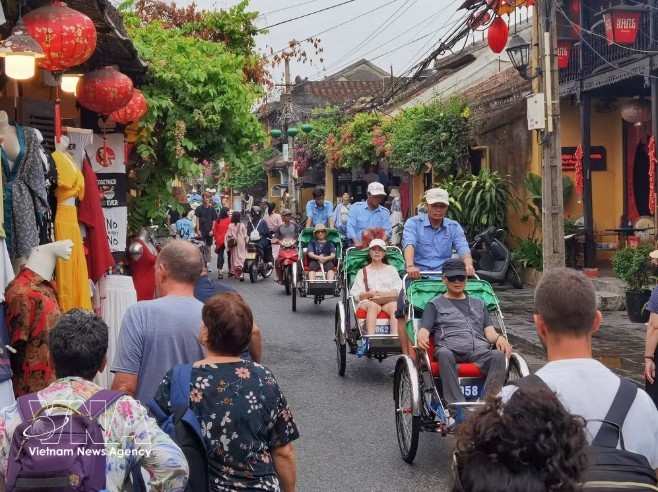
Da Nang, another central city, rolled out its own “Heritage Passport” in 2025 to refresh cultural engagement. Nguyen Thi Hong Tham, Director of the municipal Tourism Promotion Centre, said the product grew from the need to thread individual sites into themed routes while satisfying rising demand for personalisation. Integrated with digital platforms, the passport acts as both souvenir and guide, shaping deeper exploration paths.
From September - December 2025 alone, Da Nang issued more than 5,000 multilingual heritage passports, with a high share of users completing five to ten sites. Feedback spotlights the passport’s novelty, high interactivity, ease of use, and built-in incentives.
Tham said the passport drives a shift from passive to active tourism. Points and milestone completion turn a visit into a mission rather than a stroll. The element of “gamification” deepens visitor engagement with heritage.
The model also demonstrates the power of merging digital platforms with heritage content. Beyond improving access to information, digitisation creates behavioral data that supports more effective, sustainable heritage management, preservation and promotion. This follows the digital transformation push for culture outlined in the Resolution 80-NQ/TW./.