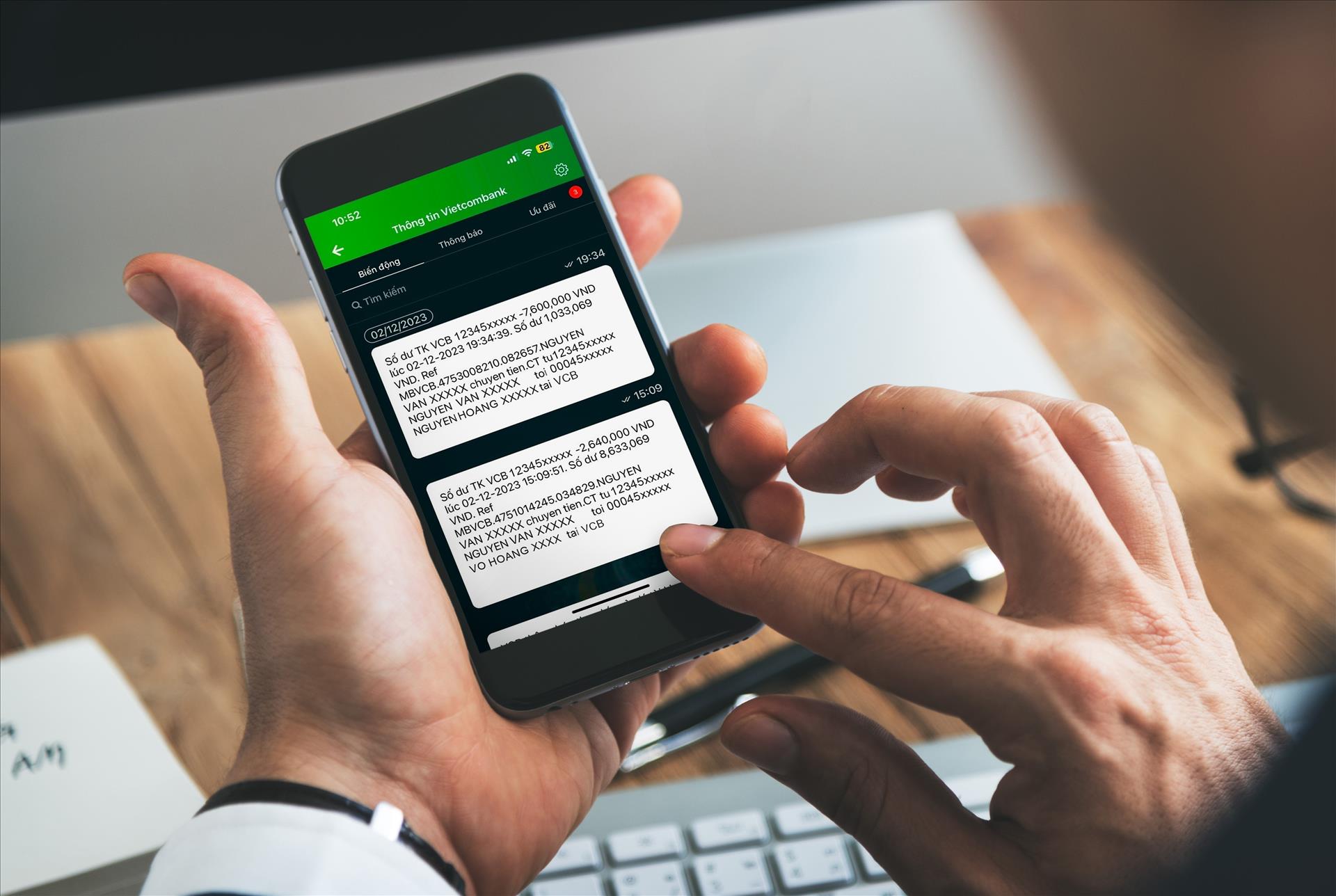
During the Lunar New Year (Tet) holiday, when payment demand surges, the banking sector is required to implement appropriate measures to ensure system security and uninterrupted transactions via banks’ digital channels.
Over 40 million transactions processed daily via Napas
In the days leading up to Tet, a sharp decline in cash withdrawals at ATMs across Hanoi has been observed. The long queues seen in previous years during the pre-Tet period have largely disappeared.
According to the State Bank of Vietnam (SBV), as of December 2025, more than 164 million bank cards had been in circulation, up 5.32% year on year. During 2021–2025, domestic card transactions grew by an average of 13.9% annually in volume and 12.08% in value.
By the end of 2025, the number of ATMs had fallen by 1.09% compared to 2024, while card acceptance points (POS) rose by 19.86%. In 2025, ATM transactions declined by 17.3% in volume and 6.02% in value, indicating a steady shift away from cash in daily life.
Nguyen Hoang Long, Deputy General Director of the National Payment Corporation of Vietnam (Napas), said that five to seven years ago, Tet was the peak season for cash withdrawals, with demand sometimes surging five to tenfold. This placed heavy operational and cost pressures on banks. Today, the main challenge during Tet is no longer cash availability but ensuring that cashless payment systems operate safely and smoothly amid high transaction volumes.
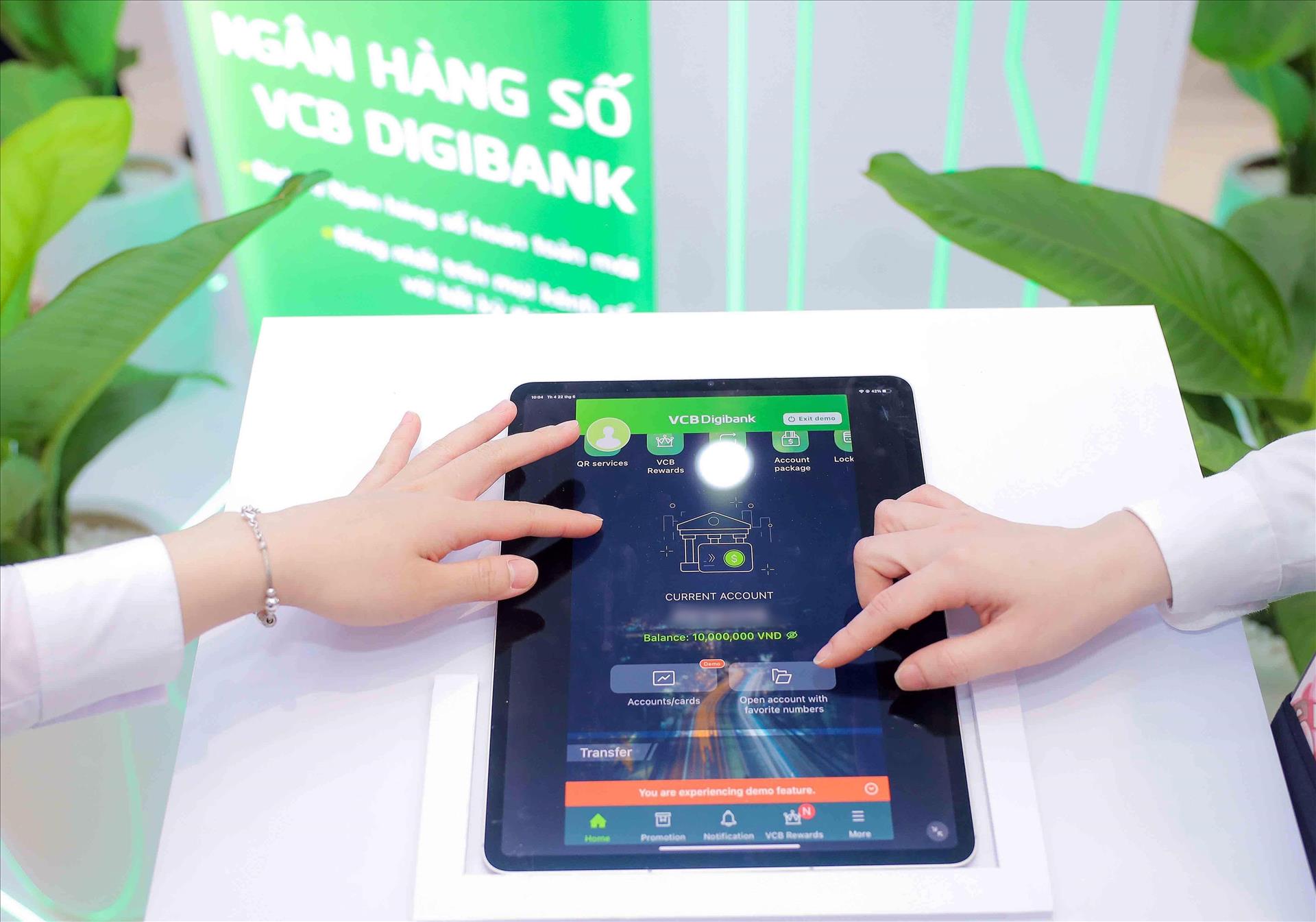
During Tet, transaction volumes rise by around 30% compared with normal days. This increase is significant but stable and predictable, and does not overload the system, Long noted.
Ensuring smooth and uninterrupted transactions
To ensure safe and uninterrupted payment services during the Lunar New Year 2026, the SBV issued Official Dispatch No. 11241/NHNN-TT, instructing banks, foreign bank branches, payment intermediaries and relevant units to implement coordinated measures. These include maintaining sufficient settlement balances, closely monitoring net debit and clearing limits, proactively forecasting payment demand, and deploying adequate resources to meet peak demand before and during Tet.
Banks and foreign bank branches were also required to develop locality-specific ATM operation plans, covering cash replenishment, staffing, maintenance and mobile ATM deployment. Close monitoring and rapid incident response are mandated to ensure timely customer support and uninterrupted cash withdrawal services.
Nguyen Quoc Huy, Deputy Director of SBV Region 1 Branch, said promoting cashless payments and civilised cash use is a shared responsibility of the banking system and society. SBV Region 1 has issued timely directives requiring credit institutions and payment intermediaries in Hanoi to ensure continuous, secure operation of internal payment systems and stable connectivity with national payment platforms.
Backup plans for system overloads
Associate Professor. Dr. Phung Thanh Quang from the National Economics University said digital payments have significantly saved time and effort for users, especially during Tet. However, he warned of rising online scams and impersonation fraud during peak holiday periods.
He stressed that banks should strengthen infrastructure capacity, prepare contingency plans for system overloads and network failures, enhance security through multi-factor authentication, and apply artificial intelligence and machine learning to detect abnormal transactions. He also called for stronger customer communication through SMS and banking apps, and the expansion of AI-based chatbots and 24/7 hotlines to ensure timely support.
To ensure secure and uninterrupted digital transactions, banks such as MB, Agribank, VietinBank, BIDV and Vietcombank have intensified customer warnings about fraud risks, provided guidance on personal data protection, deployed 24/7 support teams, and accelerated incident handling to maintain stable payment operations./.