
Making news
14th National Party Congress expected to continue affirming culture as pillar of Vietnam’s soft power
The 14th National Party Congress is expected to continue reaffirming the role of culture as the spiritual foundation of society, a driving force for sustainable development, and an important pillar of national soft power amid deep international integration.
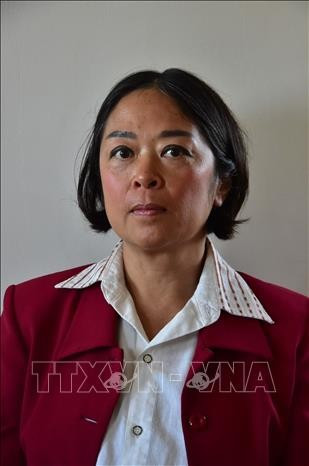
Talking to a Vietnam News Agency correspondent in Paris, Le Y Linh, a music researcher living and working in France, said culture should be placed on an equal footing with other sectors in the country’s development strategy. According to her, investment in culture should go beyond preservation and be closely linked with creativity, so that cultural values are not only safeguarded but also continue to evolve in contemporary life.
From the perspective of a music practitioner and heritage researcher, Linh expressed her hope that the 14th National Party Congress will set out systematic and long-term investment orientations for the cultural sector, particularly in supporting young composers as well as new research and creative projects. She noted that such support would help maintain traditions while creating favourable conditions for Vietnamese music to access and integrate more deeply into international musical life.
Sharing her experience in contributing to the preparation of dossiers for Vietnamese documentary heritage recognised under UNESCO’s Memory of the World Programme, Linh underscored the importance of long-term and systematic support. Only with persistent strategies, she said, can culture truly become a source of soft power, helping enhance the country’s standing and image on the international stage.
Amid increasingly vibrant international cultural exchanges, Linh suggested that Vietnam should pursue two parallel approaches: preserving cultural identity and opening up creative space. Cultural identity, she stressed, should not be confined to traditional frameworks but presented through modern and more accessible forms for international audiences.
Drawing from her experience in France, Linh said that music projects, exhibitions and educational initiatives have helped foster positive perceptions of Vietnamese culture. In particular, when traditional and contemporary music is combined with new performance formats, it can generate a stronger ripple effect and reach a wider audience.
Touching upon the role of overseas Vietnamese (OVs), Linh noted that the greatest effectiveness comes from concrete, stable and long-term cooperative projects rather than short-term or ad hoc activities. If the State can develop programmes that allow close accompaniment from research to implementation, OVs can contribute professional expertise, international networks and effective connections with domestic initiatives. In the field of music, such cooperation could expand to joint performances, new creative works and music education programmes, thereby promoting the capabilities of Vietnamese artists and bringing Vietnamese music to the world.
Linh is the daughter of late composer Hoang Van, one of the leading figures of Vietnamese music. Building on her family background and professional expertise, she has worked with family members and researchers to collect, systematise, restore and study the composer’s body of work. These sustained efforts played an important role in securing the collection’s inscription in UNESCO’s Memory of the World Programme.
Through her activities in France, Linh continues to promote music exchanges, research and cultural education, contributing to the dissemination of Vietnamese musical values among international audiences and highlighting culture as a resource for sustainable development and national soft power./.