The Strategic Vision of Resolution 57-NQ/TW for Vietnamese Agriculture
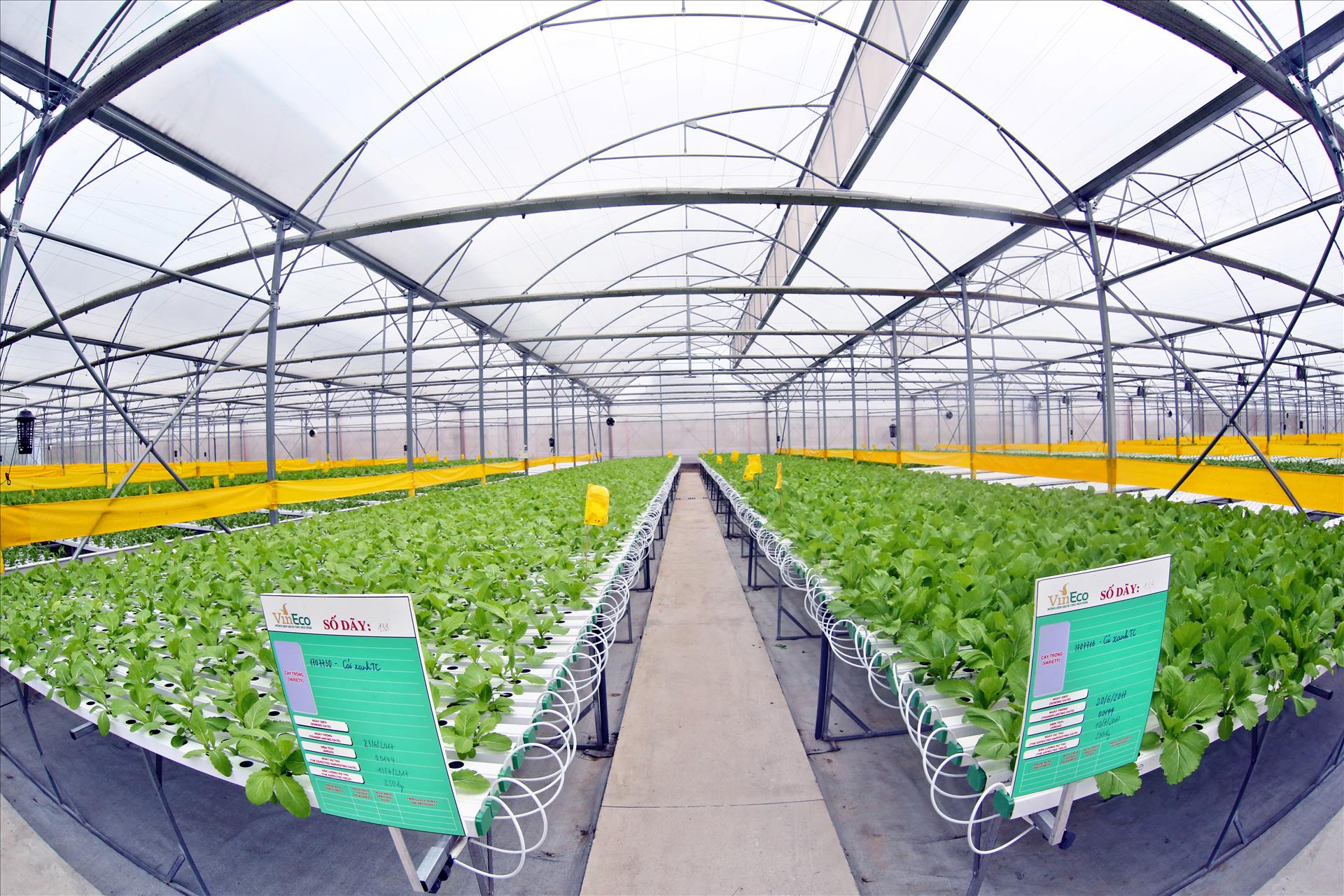
Resolution 57-NQ/TW is not merely a policy document; it is a rallying call and a compass guiding a new, strong, and sustainable development phase for the Vietnamese agriculture sector.
In the digital era, where science, technology, innovation, and digital transformation are becoming key factors shaping the nation's future, Vietnam has a golden opportunity to break through. Resolution No. 57-NQ/TW of the Politburo, issued on December 22, 2024, has laid out a strategic vision for the agricultural sector. In this context, agriculture, a crucial pillar of the economy, is expected to reap sweet rewards from this ground-breaking orientation, especially in the field of high-tech agriculture.
The Vietnamese agriculture sector has proven its role as a solid "pillar" over many decades, ensuring national food security and significantly contributing to exports. However, to truly become a "growth driver" in the future, agriculture needs strong transformations, moving beyond the traditional production mindset. High-tech agriculture is the strategic path to achieve this goal. Resolution No. 57-NQ/TW opens the "door" for the agricultural sector to access, apply, and master advanced technologies, thereby enhancing productivity, quality, efficiency, and competitiveness.
The implementation of the tasks and solutions outlined in Resolution No. 57-NQ/TW brings positive and clear impacts to the development of high-tech agriculture. The Resolution emphasizes the importance of "raising awareness, making breakthroughs in mindset innovation, and demonstrating strong political determination". For agriculture, this means transitioning from "agricultural production" to "agricultural economics". From focusing solely on crops and livestock, the focus now shifts towards a complete value chain, encompassing research, production, processing, distribution, and smart agricultural services.
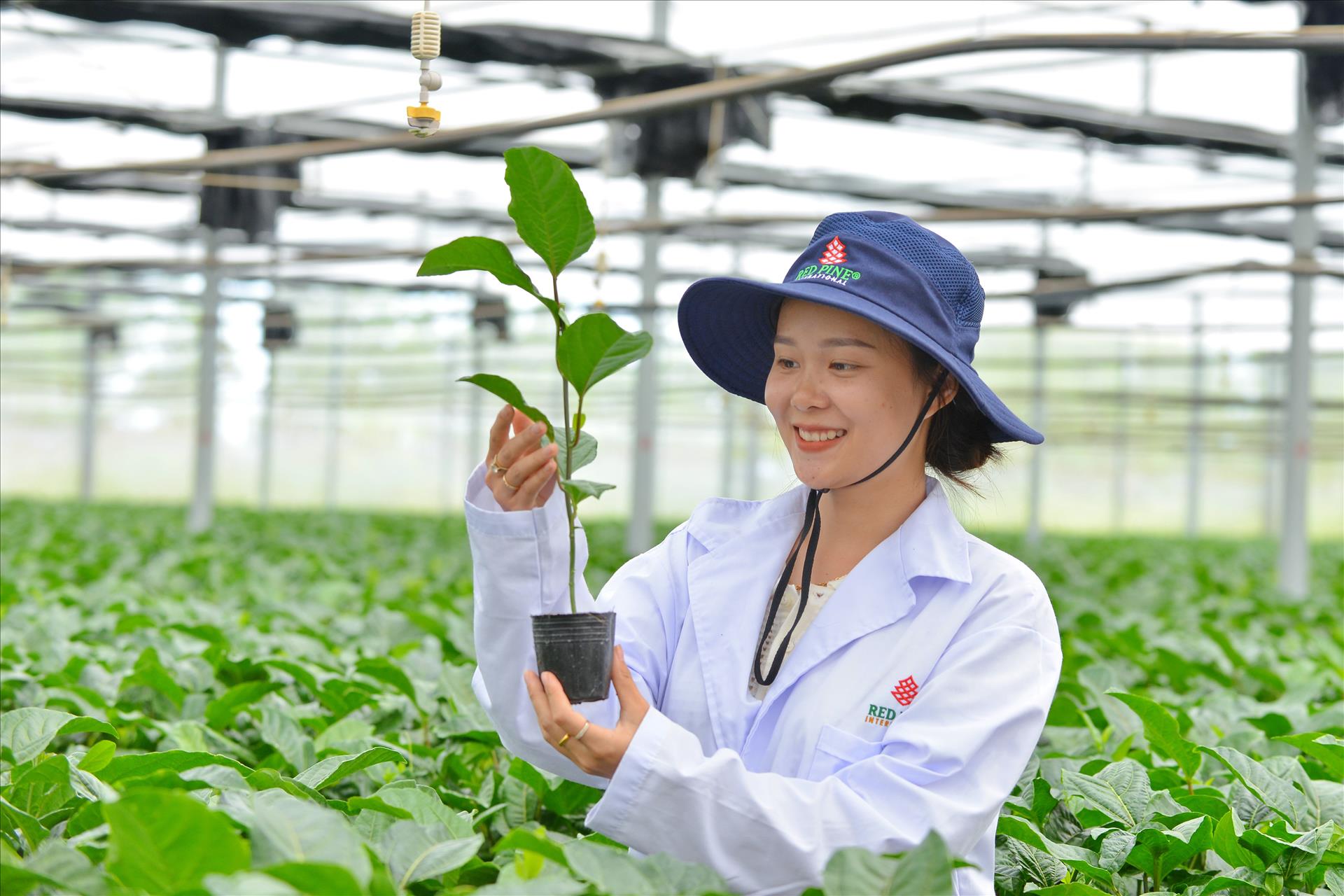
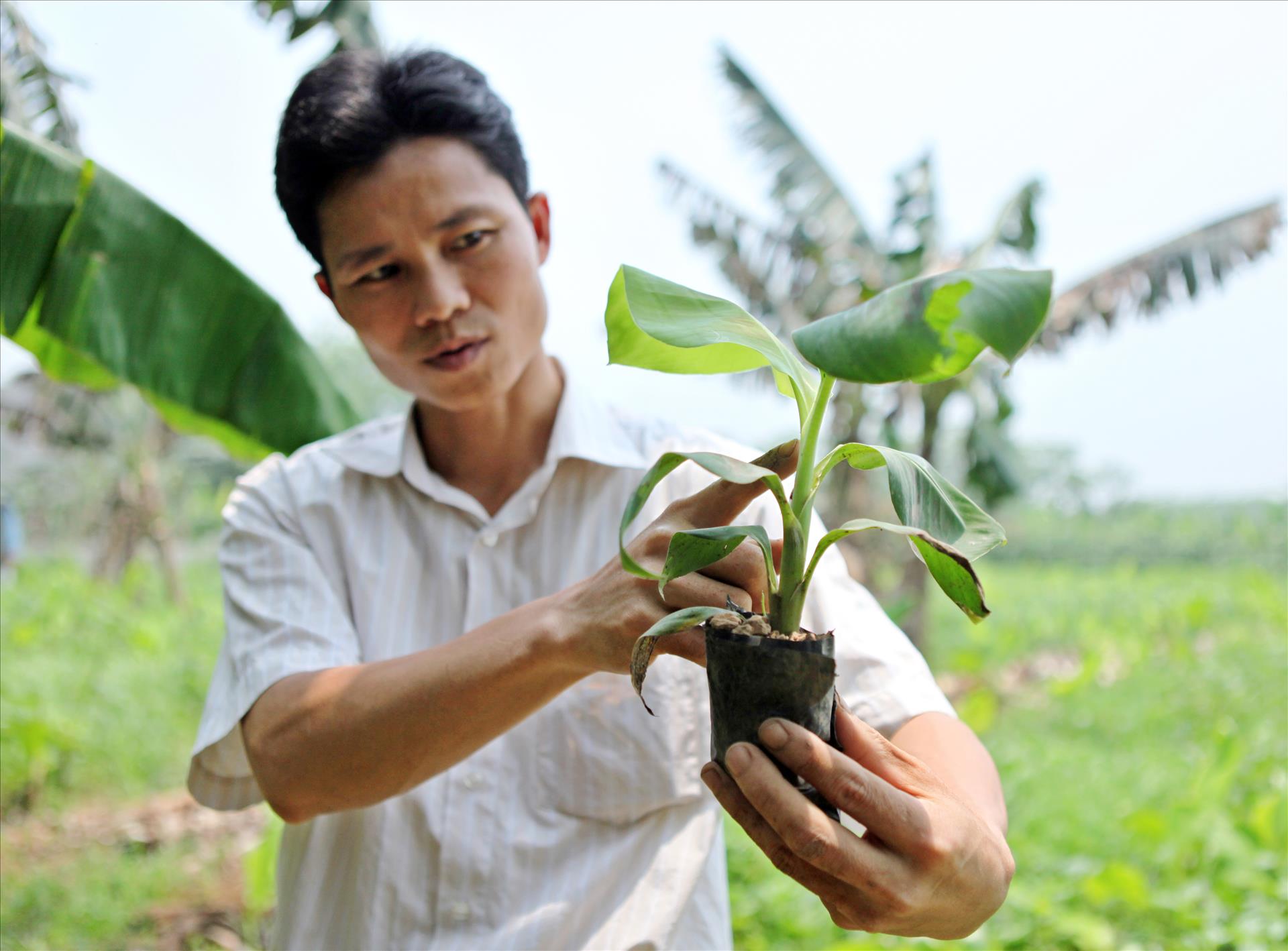
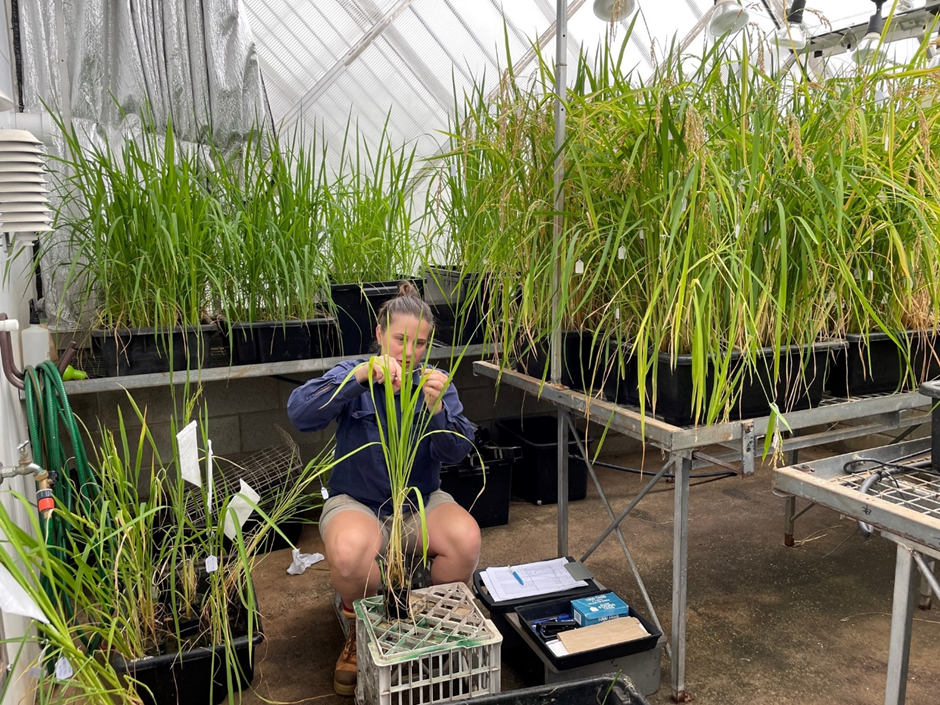
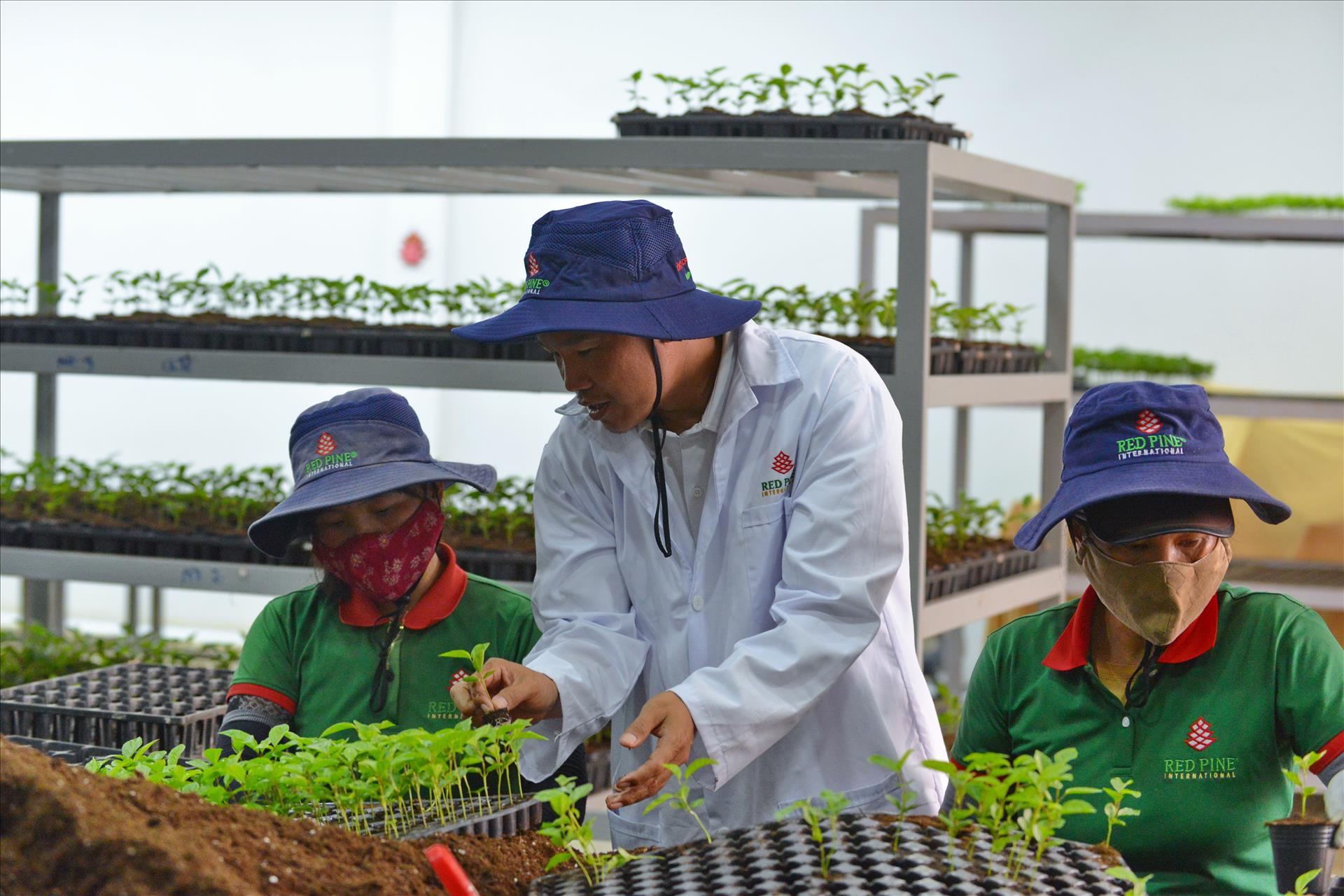
The resolution identifies "People and businesses as the center, the subjects, the resources, and the main driving force". This encourages farmers to actively apply technology, while businesses invest heavily in R&D and the production of clean, high-quality agricultural products.
The resolution encourages "an open approach, creative application, allowing for piloting of new issues arising from practice. Accepting risk and venture investment is crucial for high-tech agriculture, where new technology (AI, IoT, Big Data in agriculture) need time to be tested and proven effective.
The resolution also provides a solid foundation, creating an appealing environment for large corporations and enterprises to invest in high-tech agriculture, especially in the fields of biotechnology, materials technology, automation technology, AI, and Big Data in agriculture.
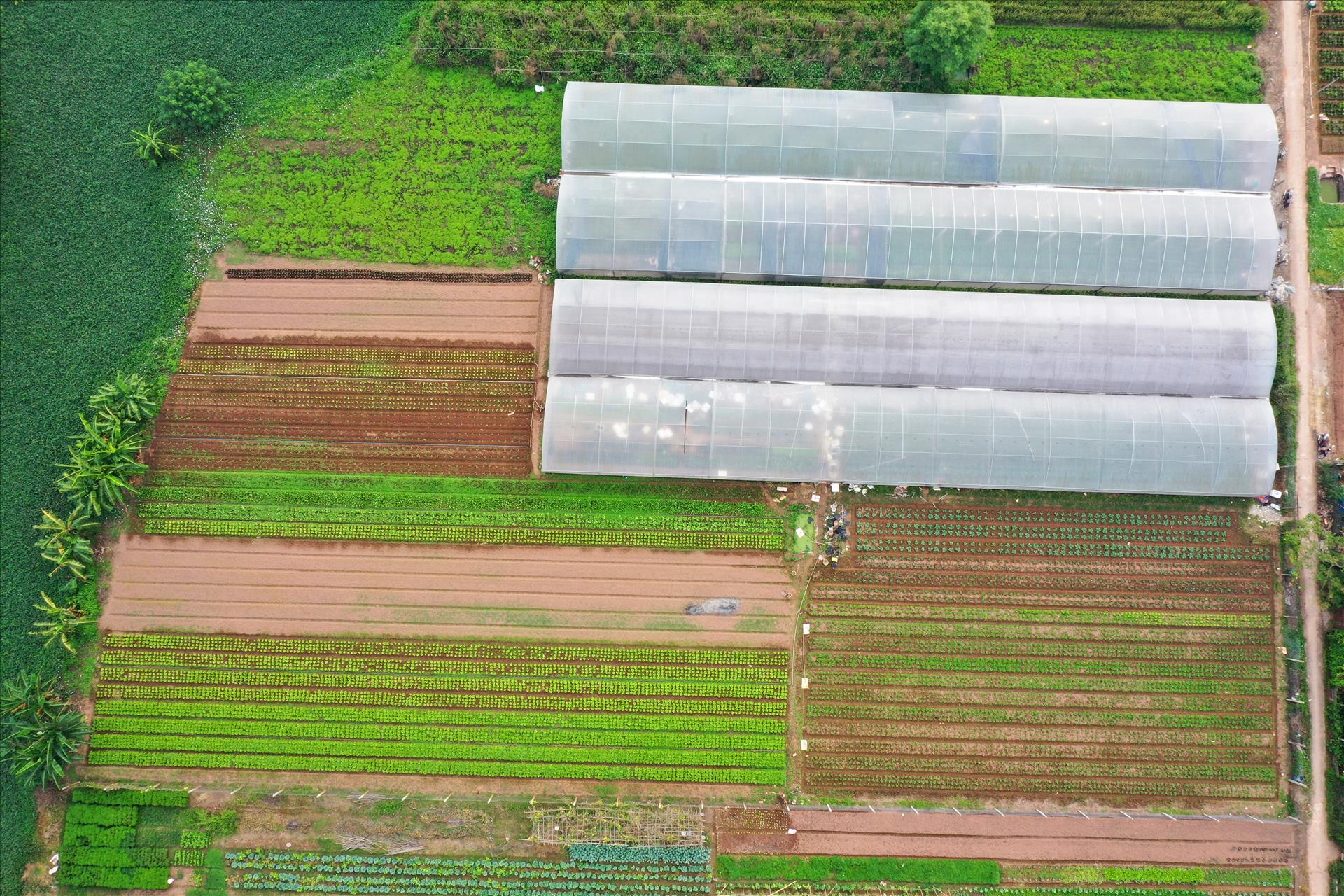
The resolution emphasizes a "developing infrastructure, especially digital and information technology infrastructure". The agriculture sector directly benefits from broadband Internet coverage extended to remote areas, supporting farmers' access to information, markets, and the development of digital agricultural platforms and data management systems for land, weather, and pests.
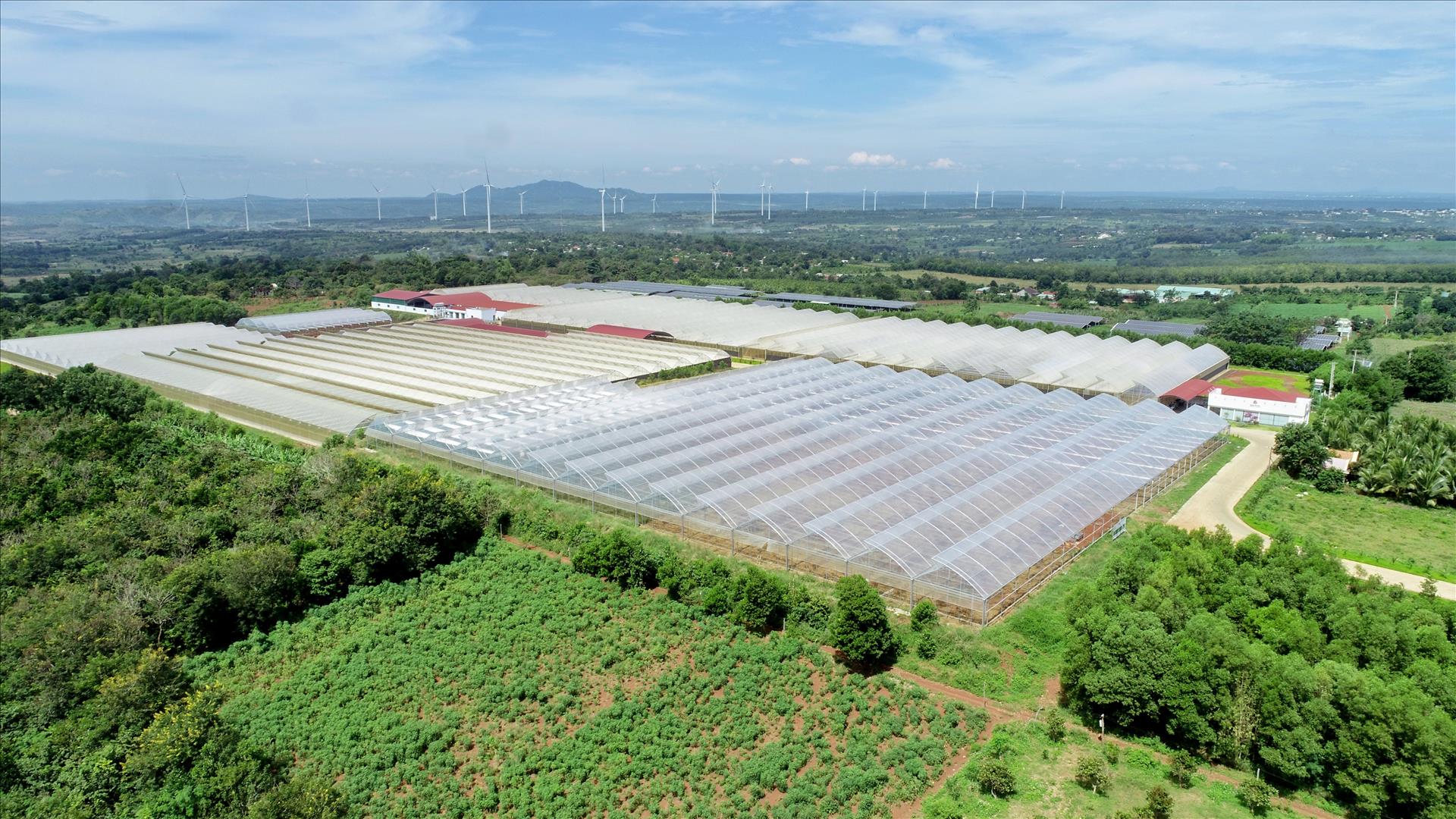
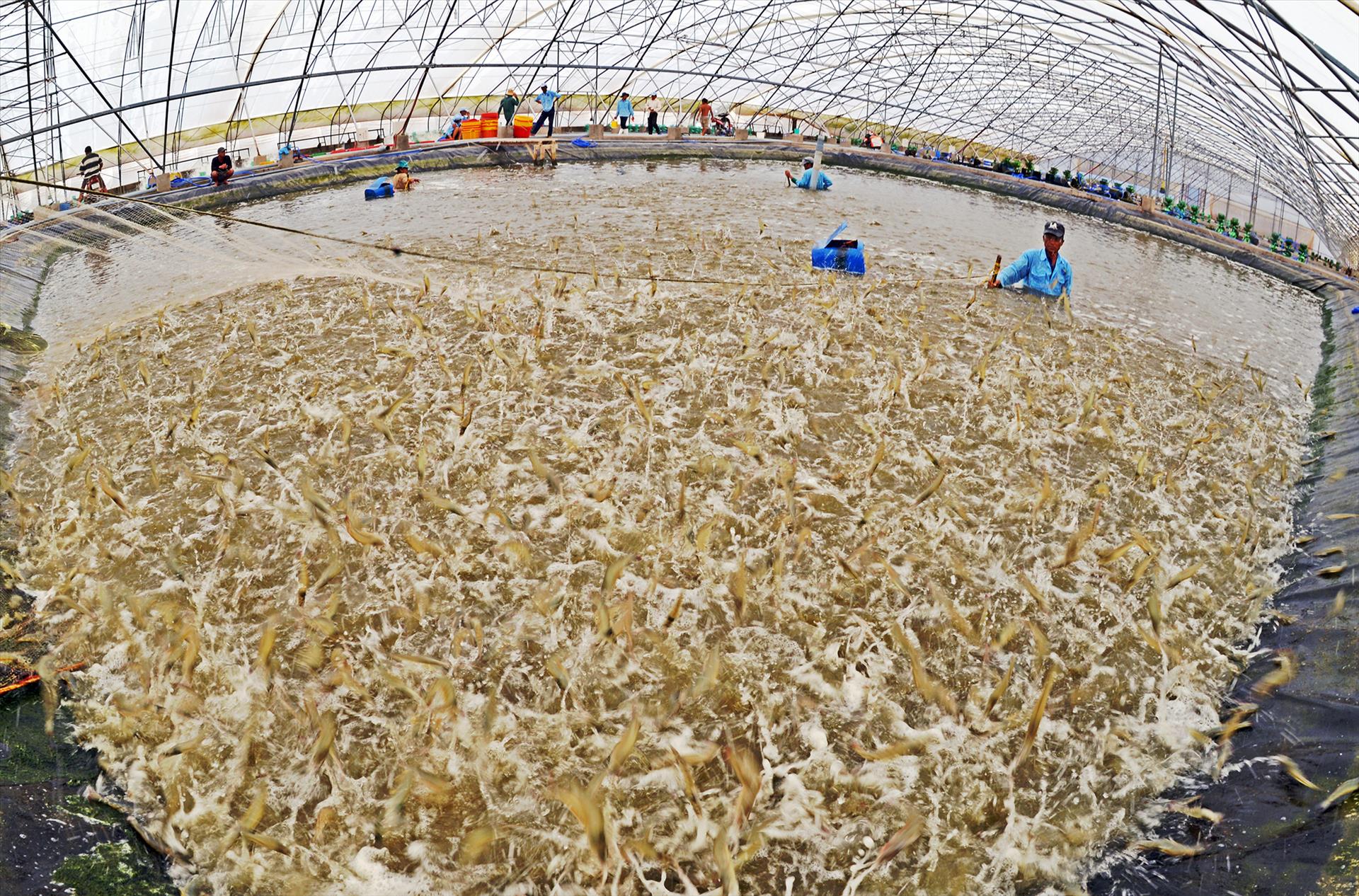
Furthermore, the physical infrastructure for high-tech agriculture includes smart greenhouses, automatic irrigation systems, modern agricultural processing plants, and research and testing centers for agricultural technology, which also serve as leverage for the development of high-tech agriculture.
The Vietnamese agriculture sector has been prioritizing the development and mastery of technology such as: Artificial Intelligence (AI) in pest and disease forecasting and optimizing cultivation; Internet of Things (IoT) for monitoring the cultivation environment and livestock; Big Data for analyzing market trends and supply chains; and Biotechnology for creating high-yield and disease-resistant crops and livestock.
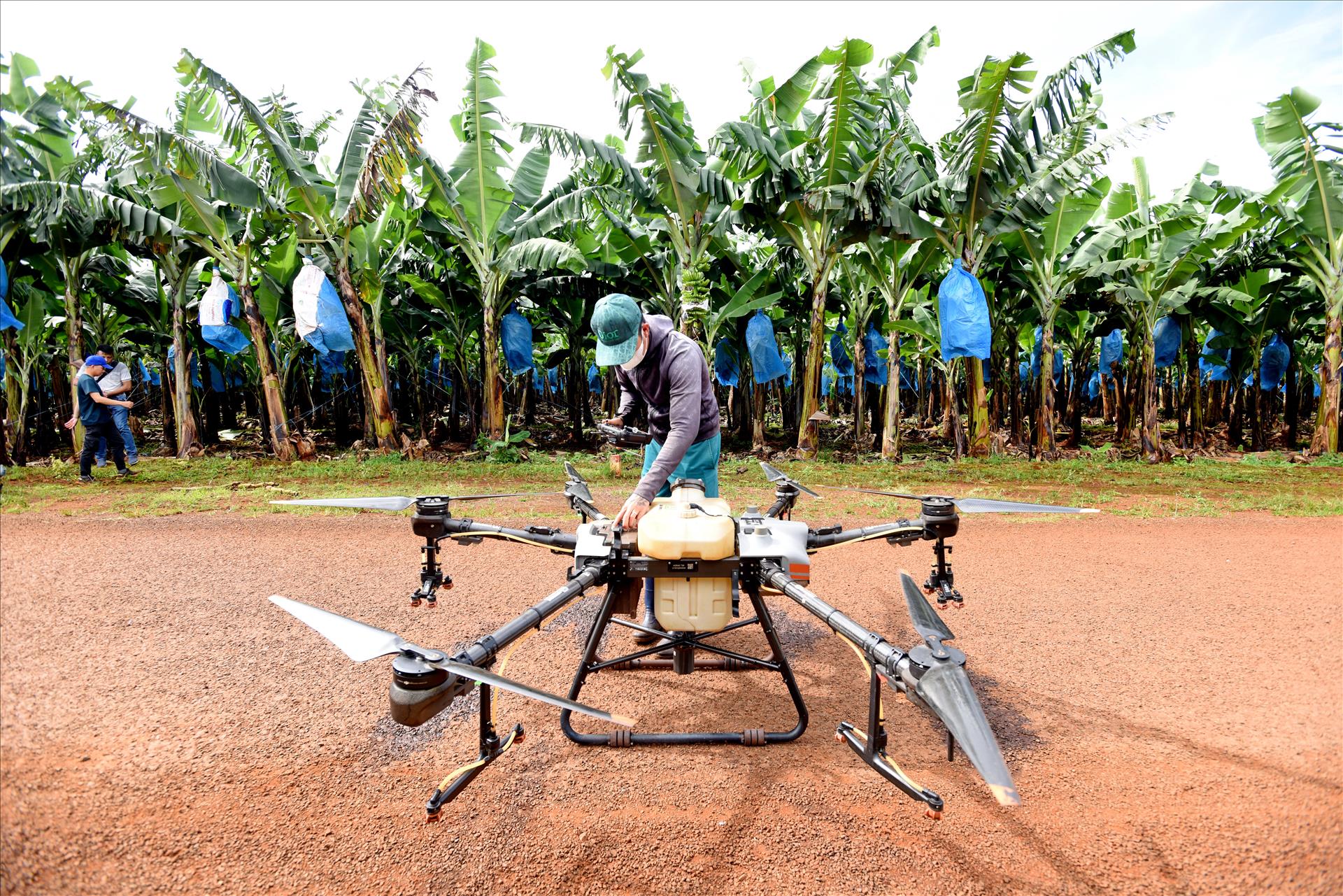
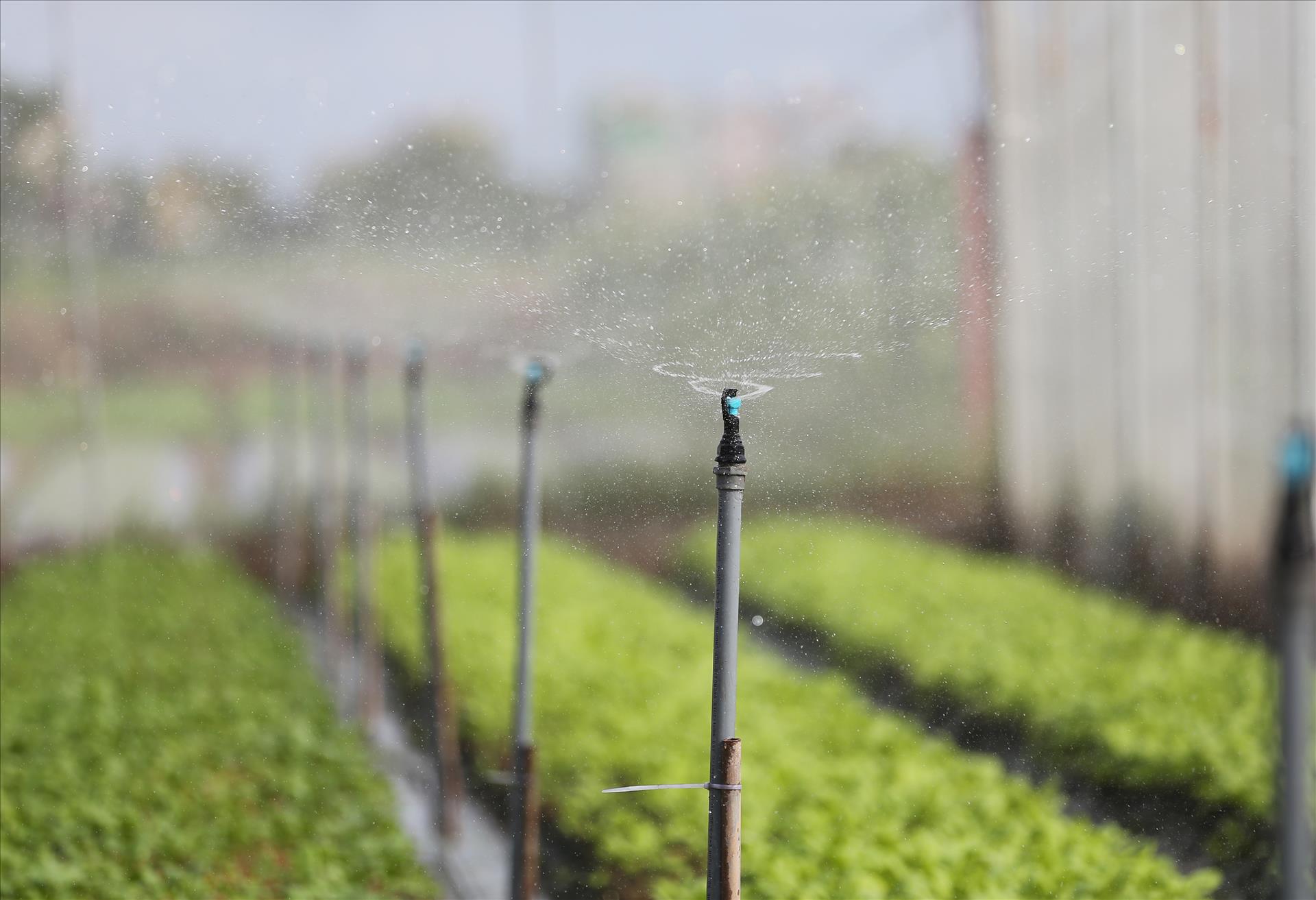
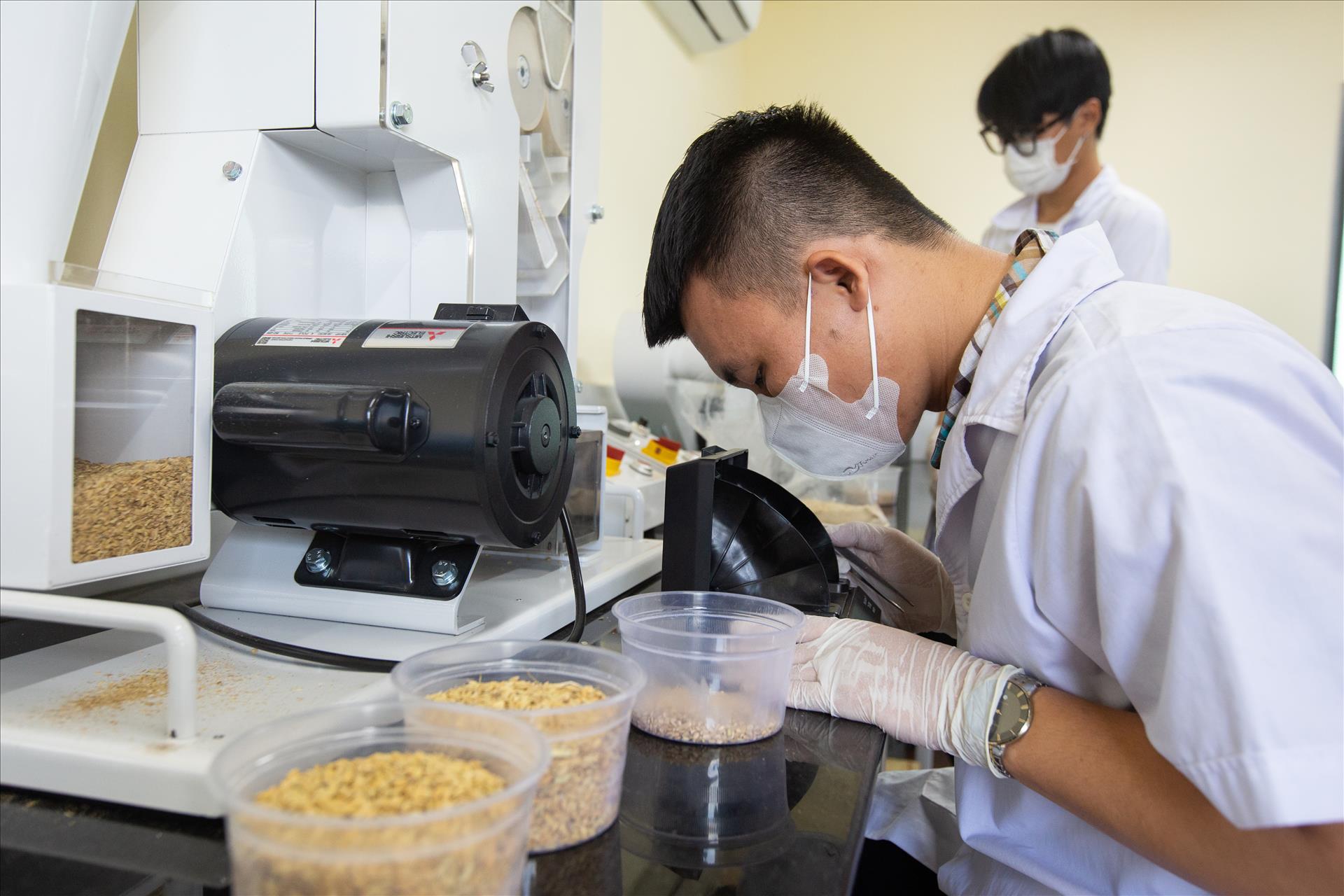
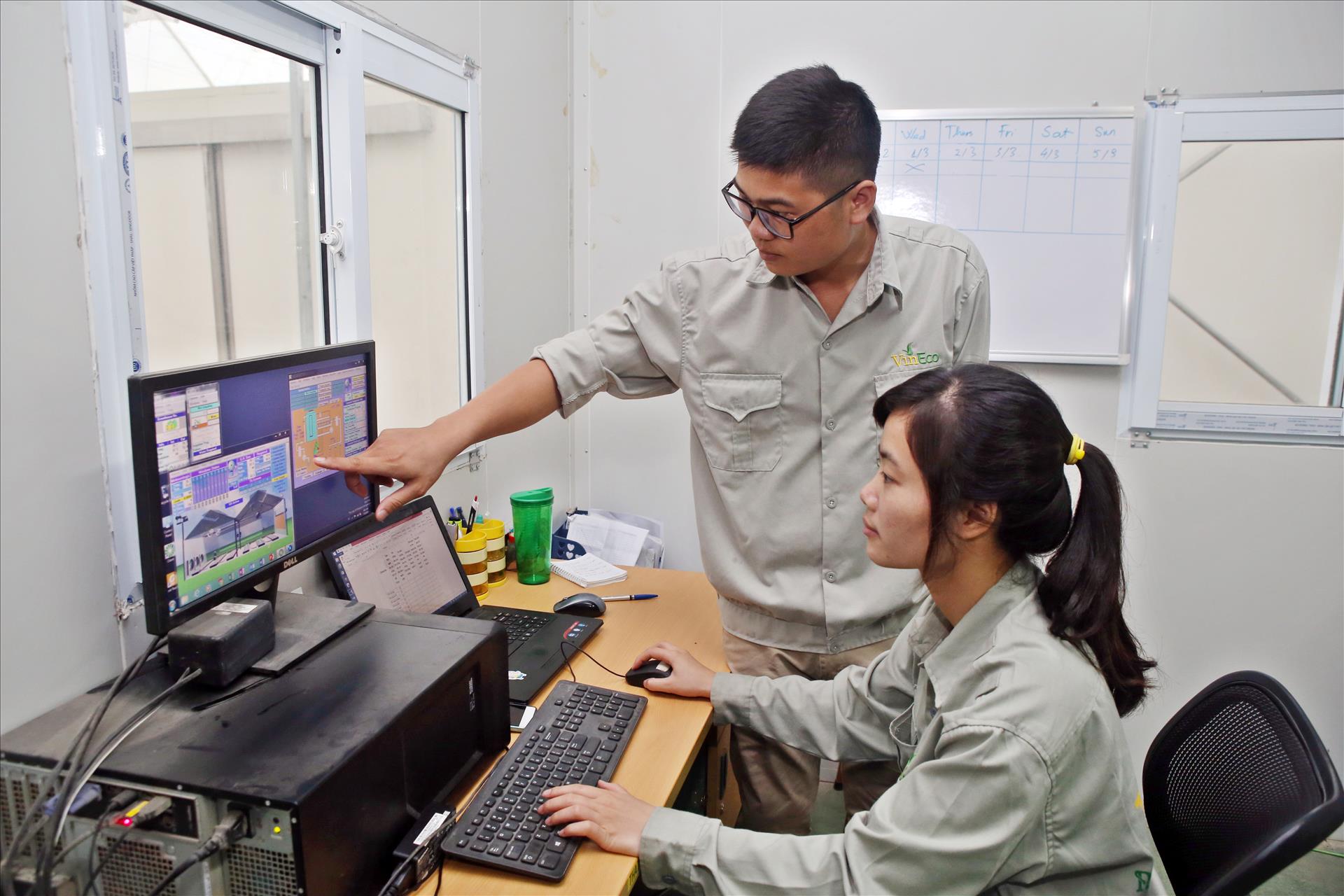
The resolution calls for "strongly promoting science, technology, innovation, and digital transformation activities within enterprises". Businesses act as the "locomotive," encouraging large agricultural enterprises to invest in R&D, adopt advanced technology, and establish clean, internationally standardized raw material zones.
The resolution directs "strengthening international cooperation in the development of science, technology, innovation, and digital transformation". For agriculture, this means receiving advanced technology, proactively learning, and transferring technology from nations with developed agriculture sectors (The Netherlands, Israel, Japan, the United States).
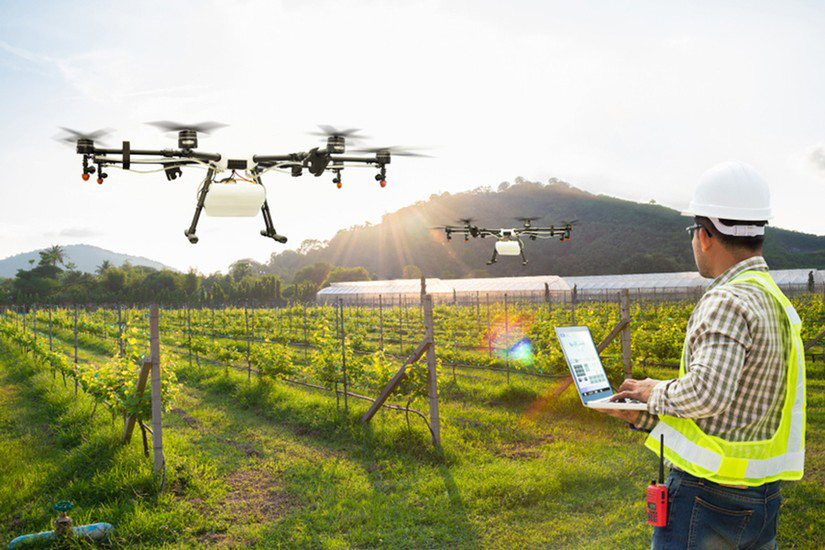
In addition, The Vietnamese agriculture sector needs to boost scientific research cooperation and participate in joint research projects on crop and livestock, climate change response solutions, and sustainable agriculture.
The resolution is not just a policy document; it is a rallying call and a compass guiding a new, strong, and sustainable development phase. For the agriculture sector, this is a historic opportunity to break through, apply modern science and technology, and move towards a smart, efficient, and high-value agriculture, contributing to the nation's aspiration to "soar”.
To gain a comprehensive view of Resolution No. 57-NQ/TW in the field of agriculture and rural areas, Vietnam Pictorial has launched a series of articles on the changing face of Vietnam's agriculture in the digital era.
A series on the Strategic Vision of Resolution No. 57-NQ/TW for Vietnamese Agriculture:
- The Strategic Vision of Resolution 57-NQ/TW for Vietnamese Agriculture
- The Strategic Vision of Resolution 57 for Vietnam's Agriculture: Private Enterprises – The Driving Force for Green Agriculture
- Strategic Vision of Resolution 57: Science and Technology Reshape Vietnam’s Fisheries Future
- The Strategic Vision of Resolution 57 for Vietnam’s Agriculture: Son La’s Breakthrough in Hi-Tech Agricultural Development
- Resolution No. 57’s Strategic Vision: Applying Science and Technology to Advance Desert-Adapted Agriculture in Vietnam
- Story: Thong Thien & Dang Huyen
- Photos: VNP & Files