The Strategic Vision of Resolution 57 for Vietnam’s Agriculture: Son La’s Breakthrough in Hi-Tech Agricultural Development
The year 2025 marks a powerful shift for Son La Province as it progresses toward becoming the "capital" of hi-tech agriculture in Vietnam's northwest region. From greenhouse models for vegetable farming and IoT applications in Moc Chau, to drip irrigation systems in fruit-growing areas in Mai Son and Song Ma, and vast, uniform tea hills in Moc Chau, science and technology are increasingly evident in every growing season and every field.
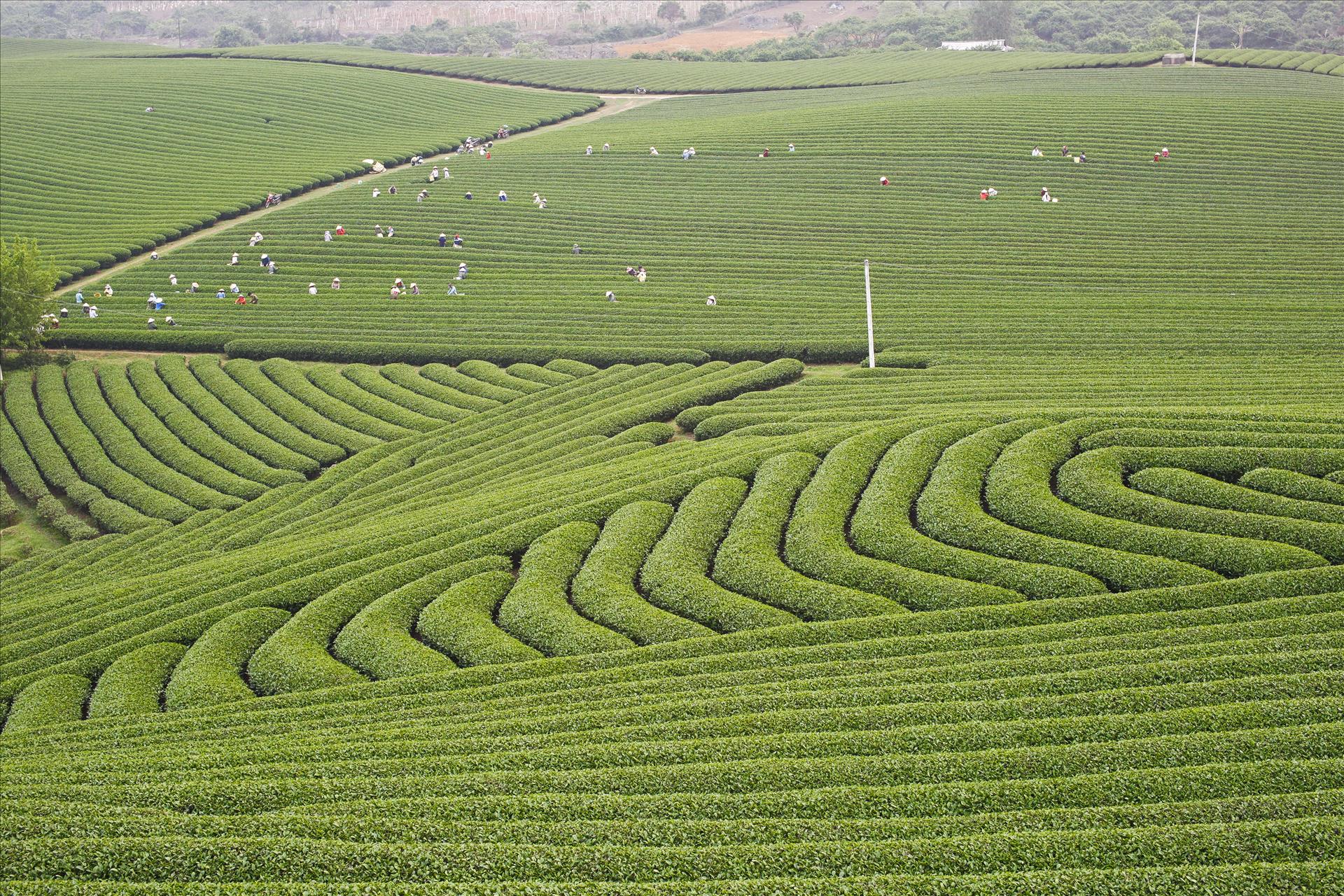
Guided by Resolution No. 08-NQ/TU (January 21, 2021) of the 15th Provincial Party Committee, and amplified by Resolution 57, Son La strives to become the Hi-Tech Agricultural Development Center of the northwest region by 2025. The province aims to establish one hi-tech agricultural zone and 20 hi-tech agricultural areas, with at least 8 areas meeting the criteria for formal recognition.
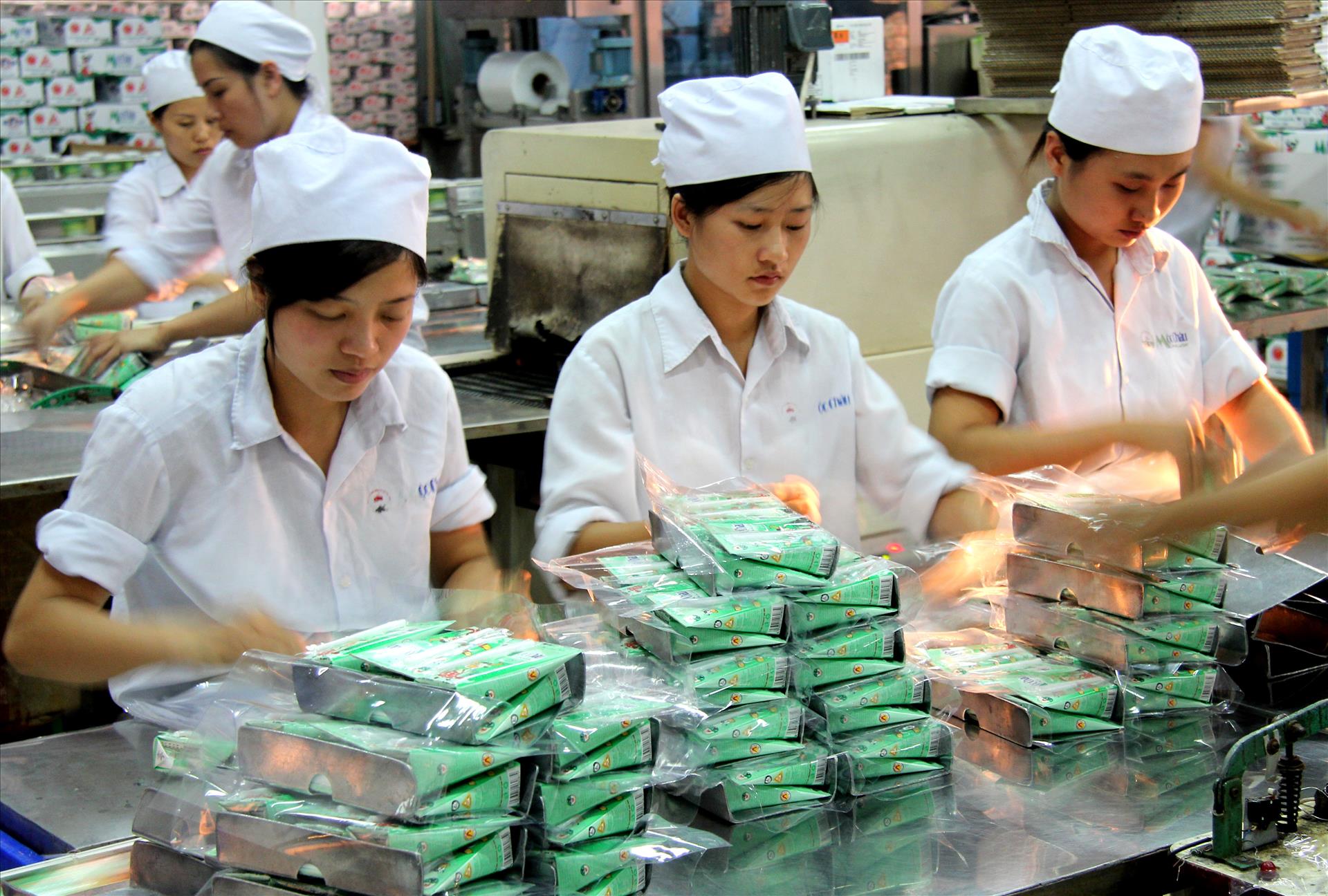
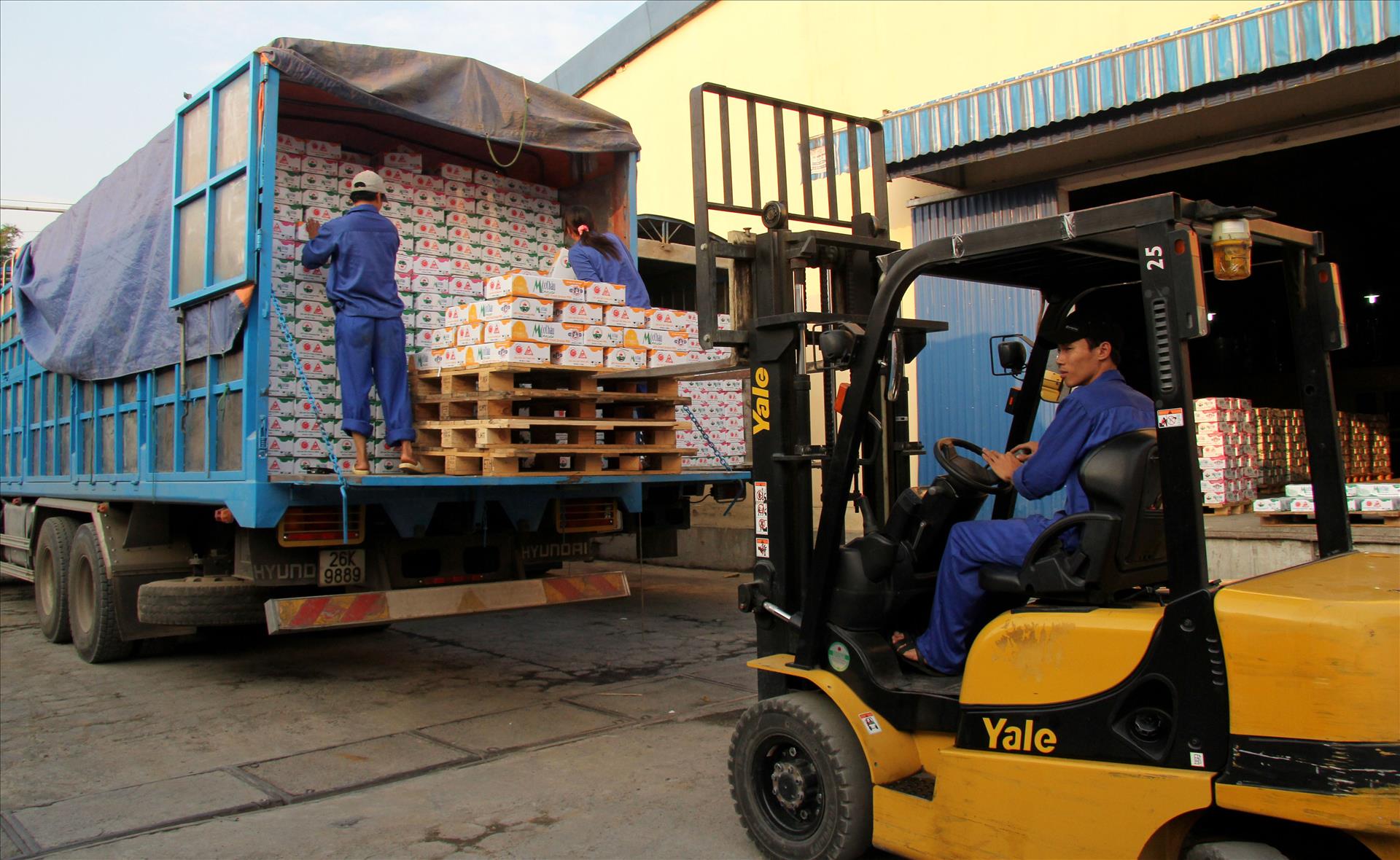
Son La currently hosts over 560 agricultural product processing facilities, including 17 large-scale processing plants. Companies such as Doveco, Nafoods, IC Food, Phúc Sinh, Mavin, and BHL are investing in modern technology lines, ensuring stable output for local produce. The province recently inaugurated the BHL Son La Modified Starch Factory, with a capacity of 90,000 tons/year, and broke ground on the Mavin Mai Son Agricultural Processing Complex, planned for 300,000 tons/year. These projects underscore Son La's progress in deep processing and elevating the value of its agricultural products.
According to the Department of Agriculture and Environment, Son La’s agriculture maintained an average growth rate of approximately 3.44% per year during the 2020–2025 period. The revenue per ha of cultivated land reached about 73 million dong (approximately 2,770.77 US dollars)/ha, surpassing the goal set by the 15th Provincial Party Congress.
By the end of 2025, Son La had established over 85,000 ha of various fruit trees, about 24,300 ha of coffee, over 43,500 ha of cassava, and tens of thousands of ha dedicated to tea, sugarcane, and macadamias. Crucially, the province maintains 218 planting areas and 8 packaging facility codes for export, alongside having 214 OCOP products (one of which achieved a 5-star national rating). This infrastructure is the key foundation allowing Son La's agricultural products to penetrate demanding markets such as the US, EU, Japan, and China.
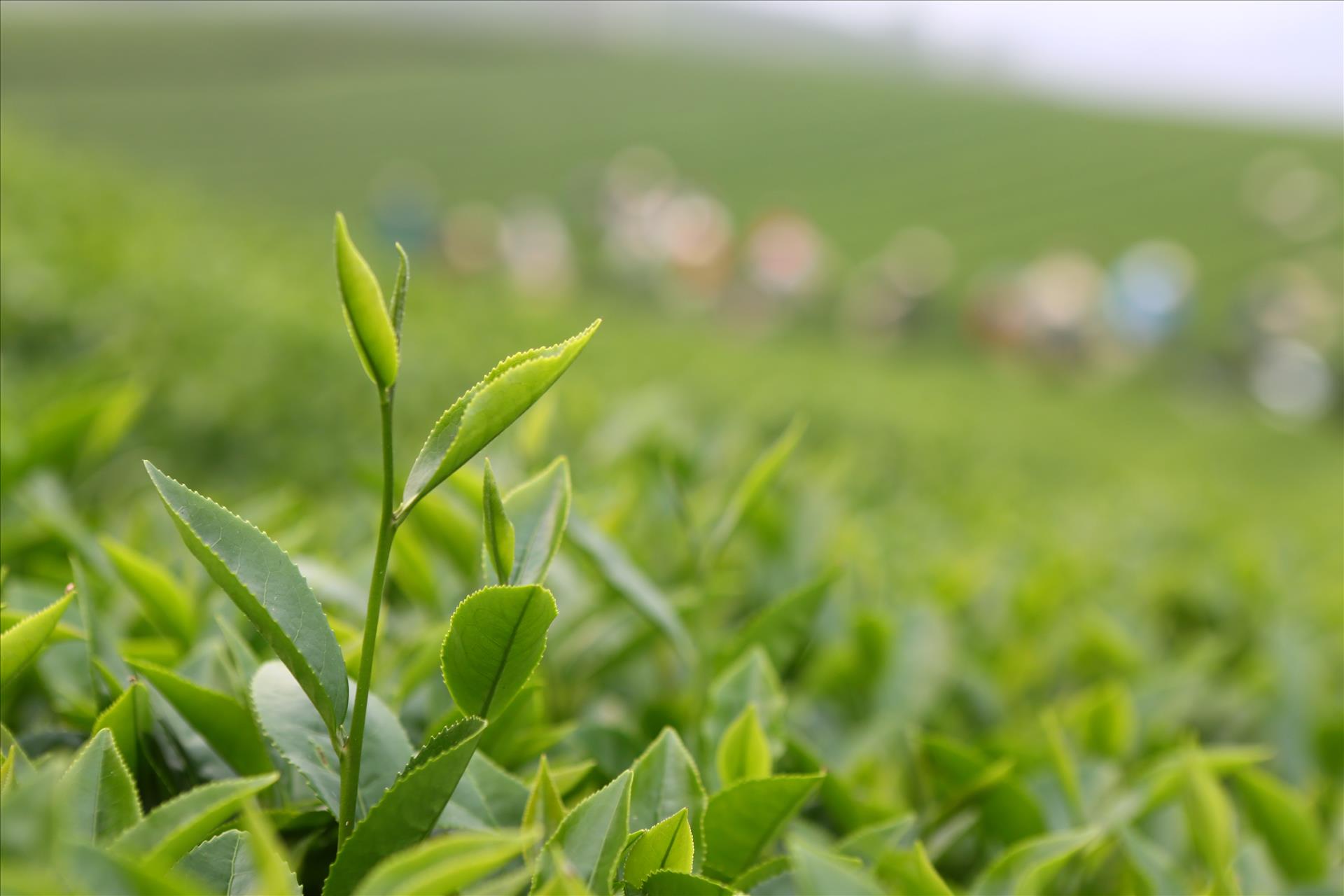
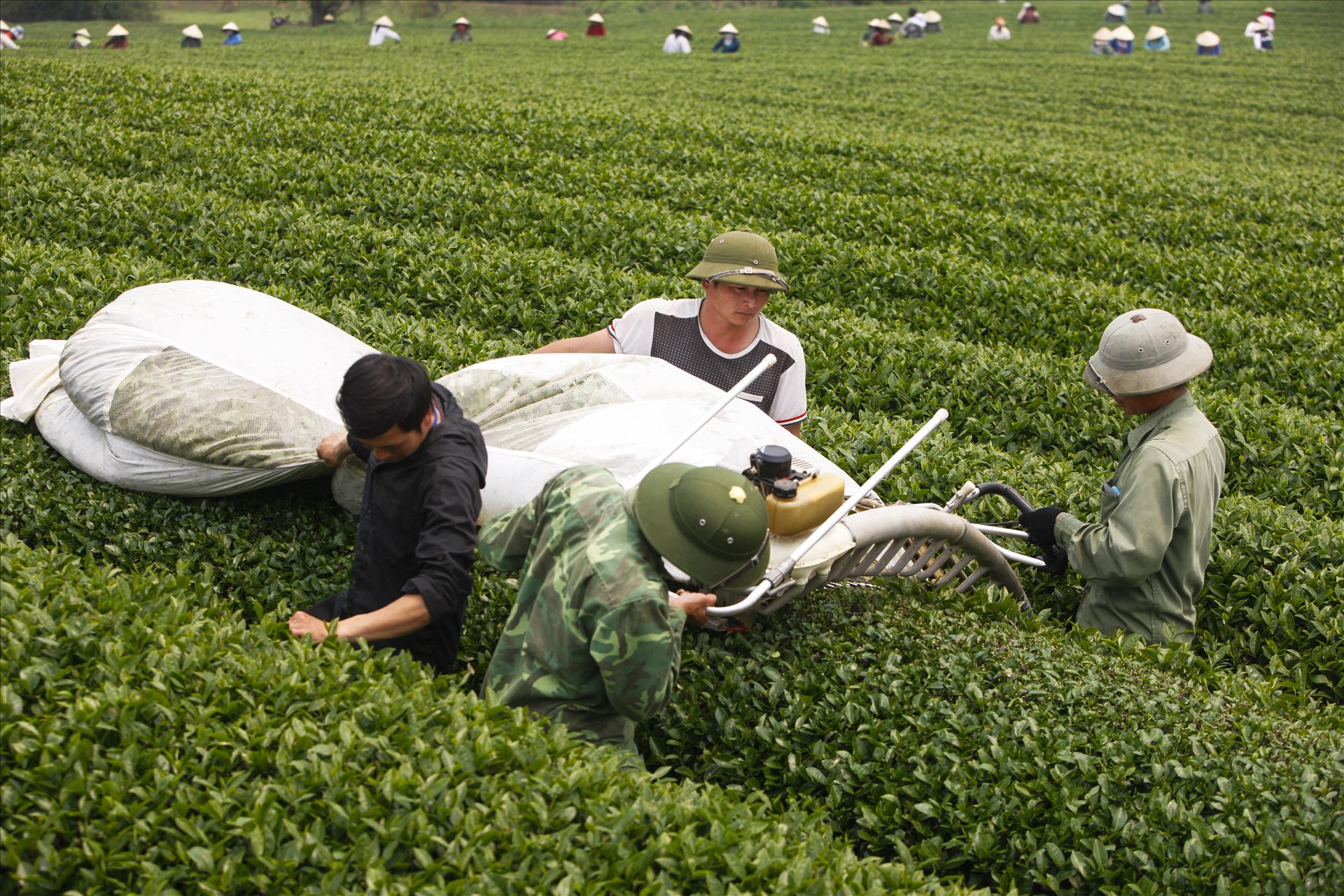
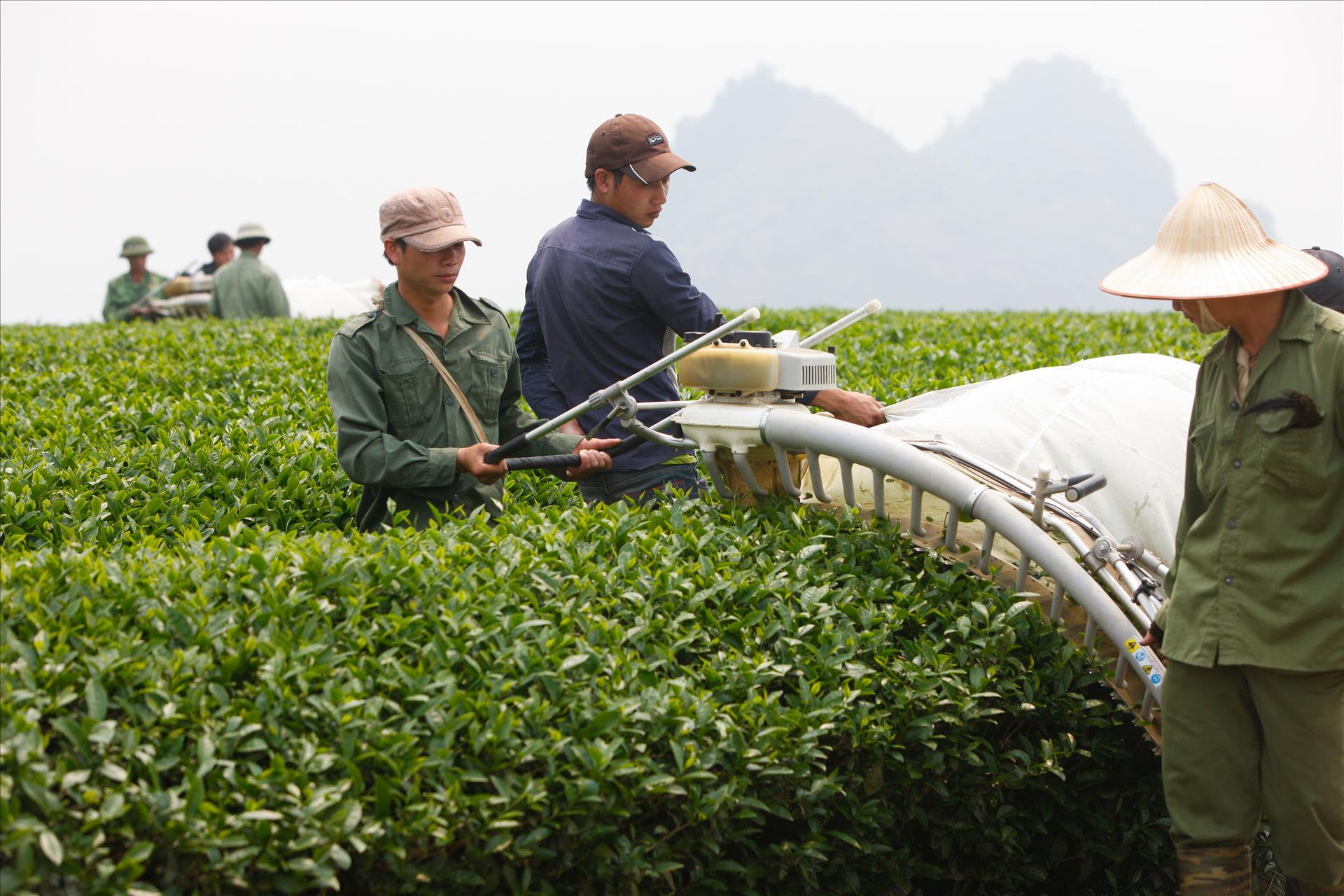
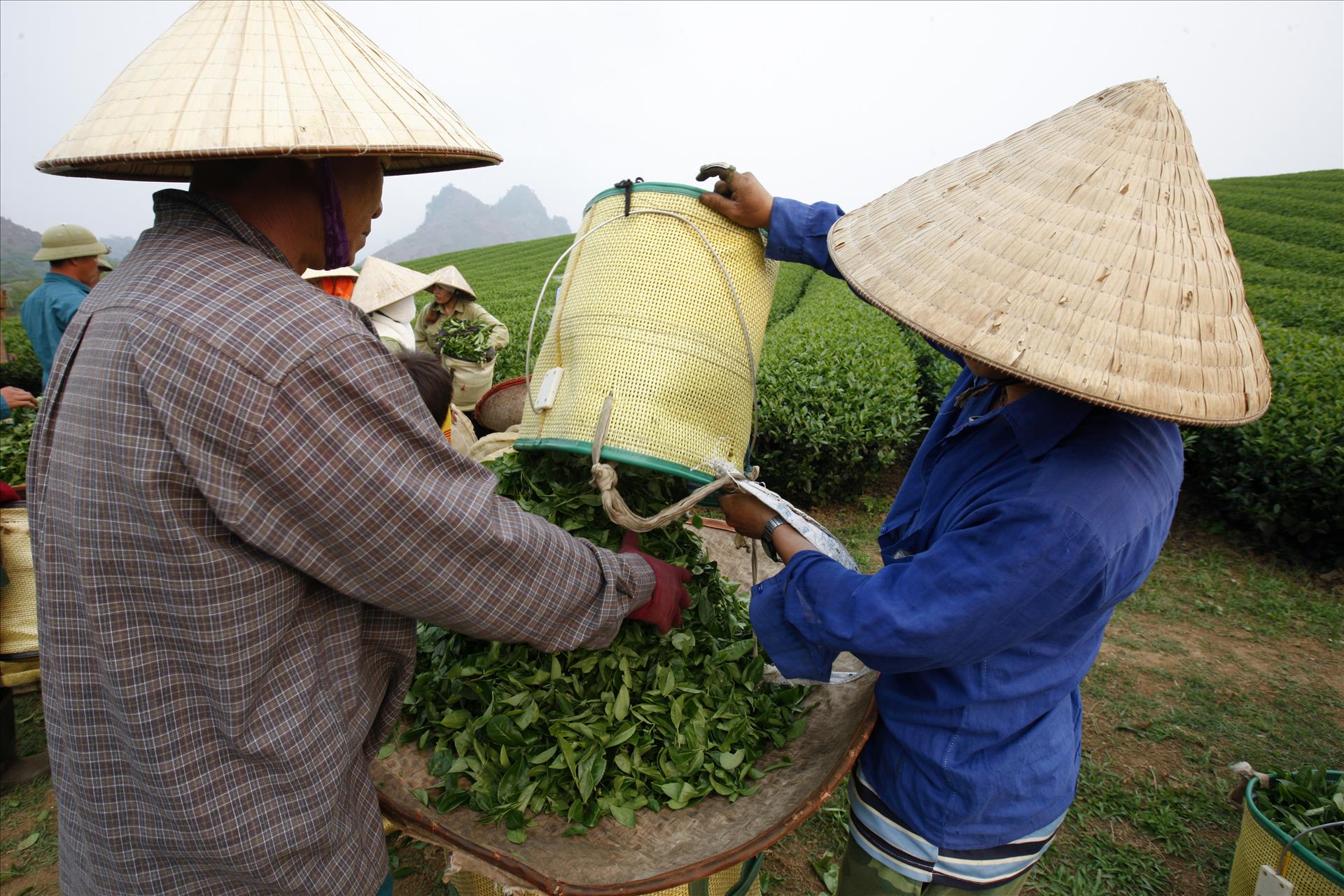
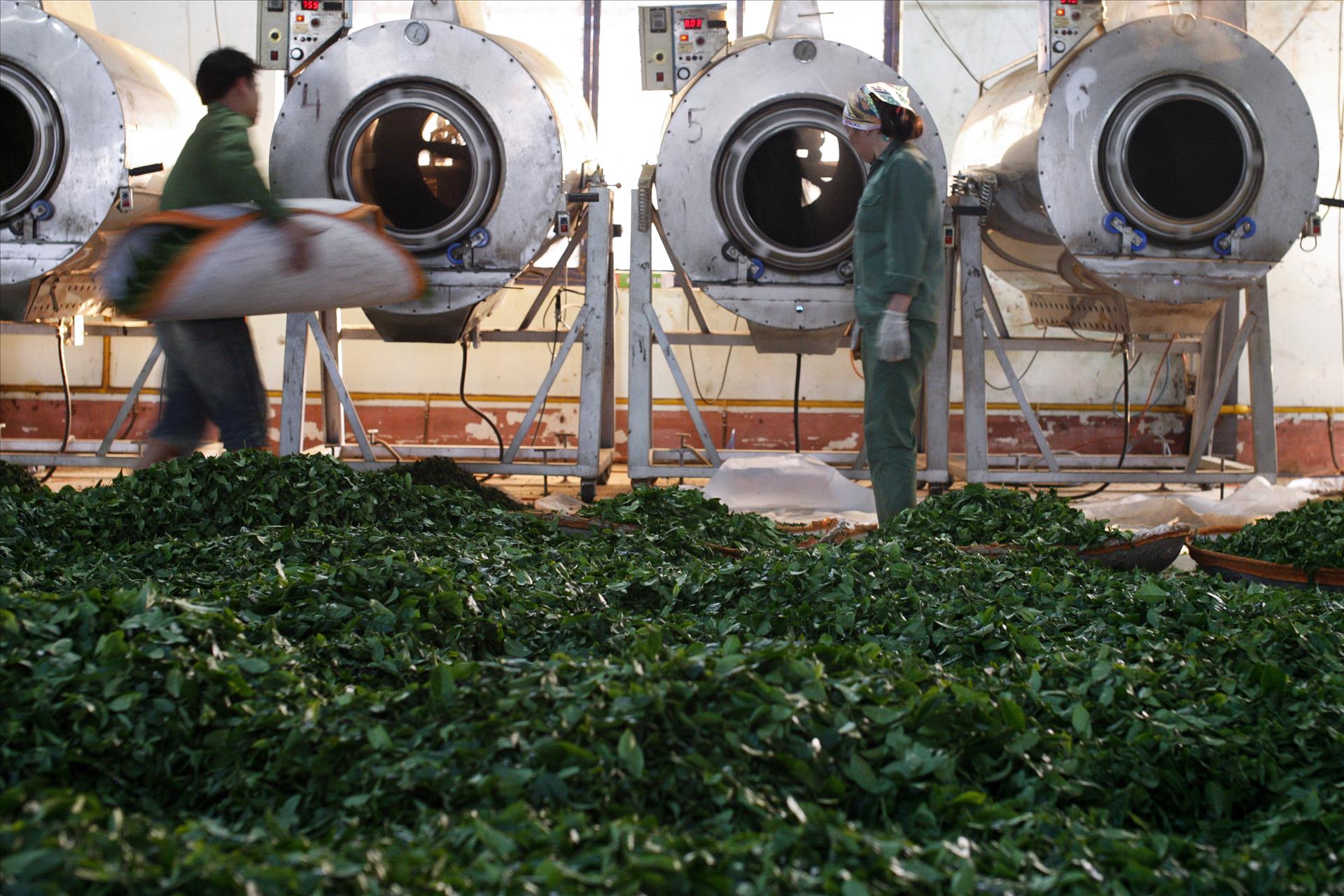
A special report noted that in 2025, Son La constructed over 115 ha of net houses and greenhouses, installed drip irrigation systems on approximately 3,200 ha, secured VietGAP certification for over 5,500 ha, and achieved organic certification for nearly 265 ha.
In animal husbandry, numerous closed-cage, automated farm models adhering to VietGAP standards have emerged, supplying tens of thousands of safe livestock and poultry to the market annually. The forestry sector applies GIS technology for forest management and monitoring, significantly supporting more effective forest fire prevention and control.
Mai Son Commune is the province’s key fruit-growing area, with over 11,000 ha and an estimated output exceeding 90,000 tons in 2025. Notably, the district has established the northwest region's only Ngoc Linh Ginseng cultivation model, which has yielded 3 four-star OCOP products and secured plant variety protection certificates.
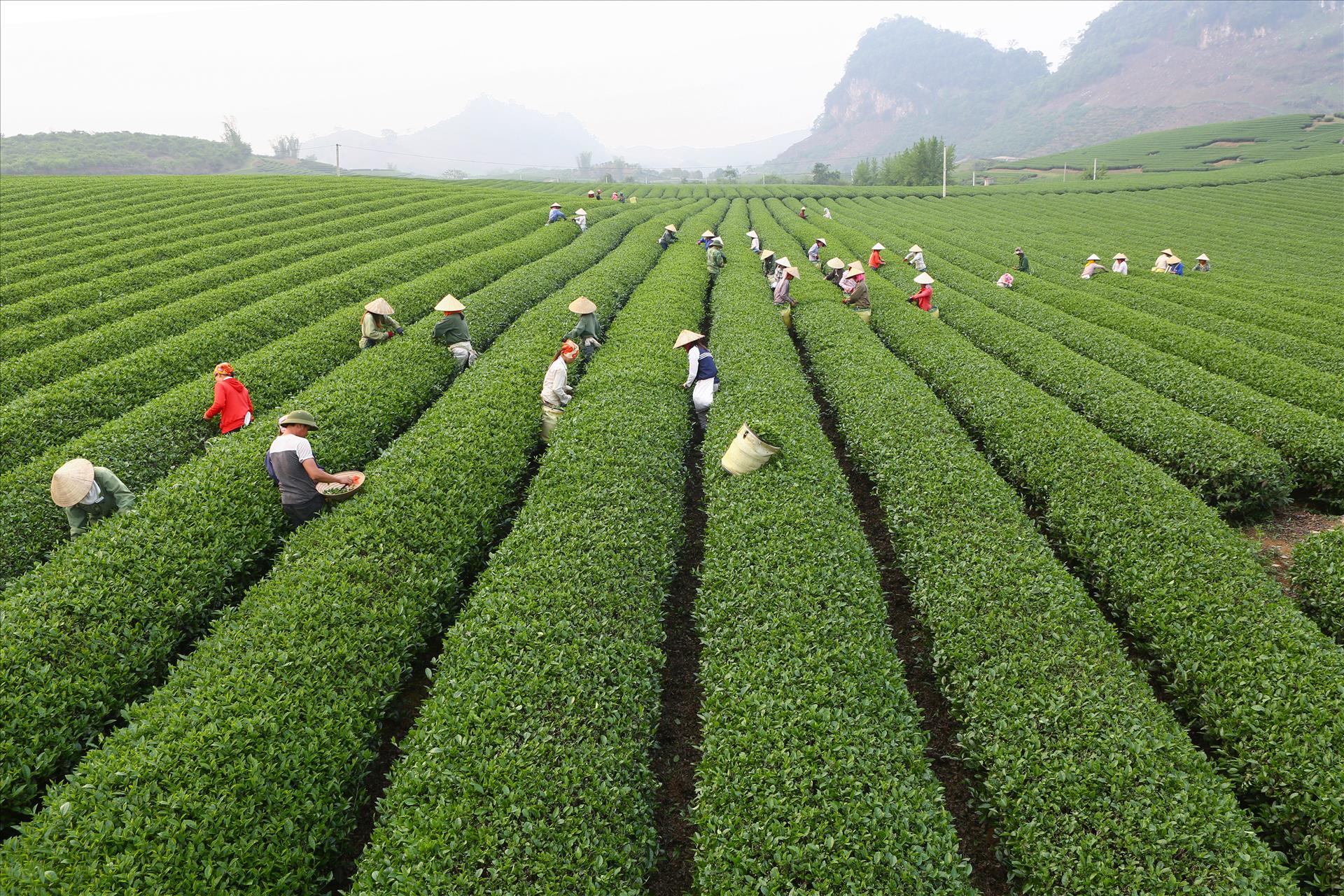
Today’s Son La farmers are no longer just "farming" but have become agricultural entrepreneurs who have mastered technology. Alongside this, the model of the "farmer billionaire" is increasingly common - from mango growers in Yen Chau and longan growers in Ma River, to coffee growers in Mai Son, dairy farmers in Moc Chau, and ca lang (Hemibagrus) fish farming in the Da River reservoir in Quynh Nhai. This dynamism is contributing to the prosperous new face of rural areas.
At Me Lech Cooperative, Director Nguyen Huu Tu reported that the cooperative manages about 100ha of Thai and local custard apples, with yields of 13–15 tons/ha. "We use active irrigation and VietGAP production, carefullydocumenting the entire growth process. The selling prices for local custard apples remain at 30,000–35,000 dong (approximately 1.14 to 1.33 US dollars)/kg, and Thai custard apples at 50,000–55,000 dong (approximately 1.9 to 2.09 US dollars)/kg. After deducting costs, the cooperative earns a profit of 400–600 million dong (approximately 15,182 to 22,773 US dollars)/ha/year. People now clearly see that applying technology and clear procedures brings much higher profits than spontaneous farming”.
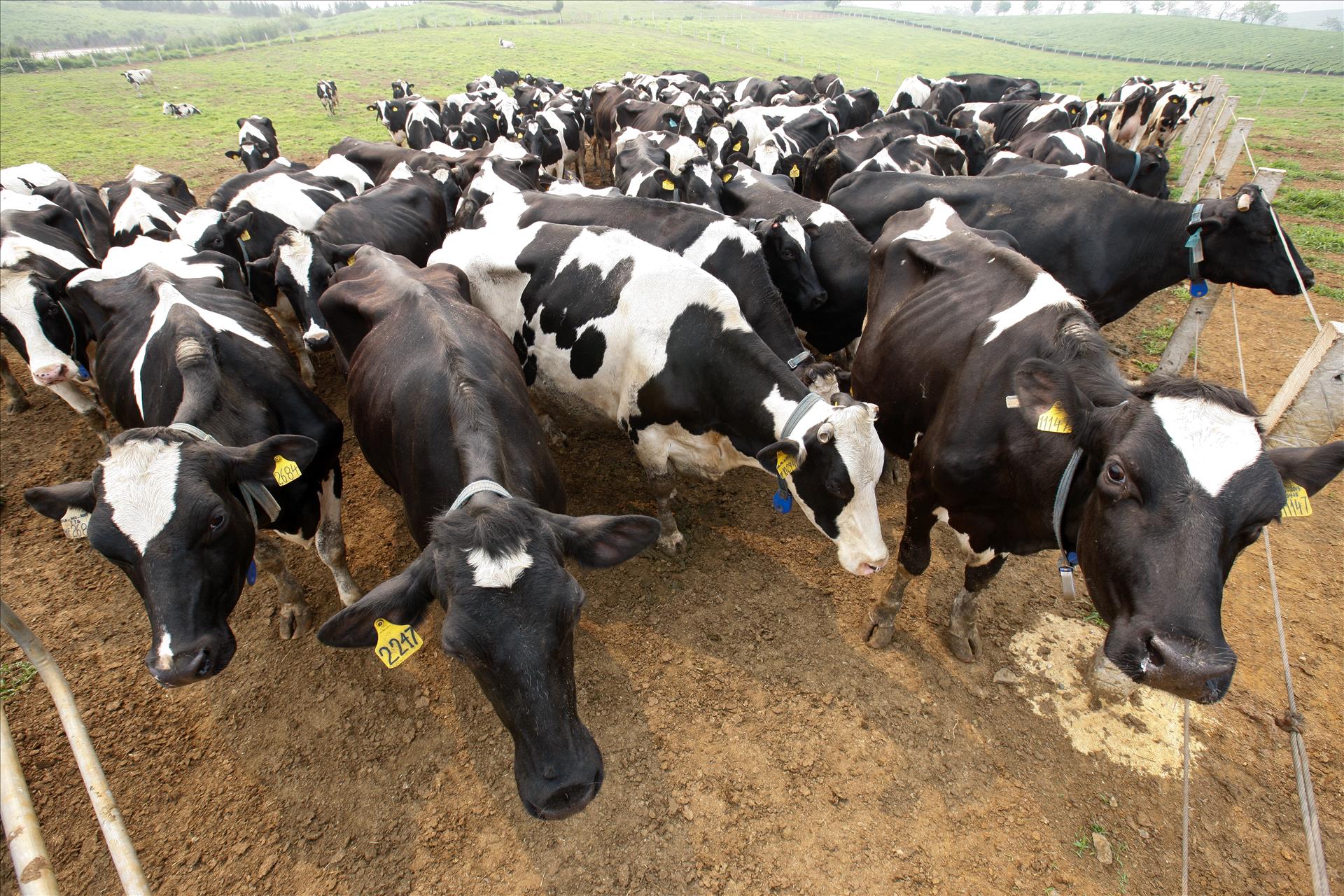
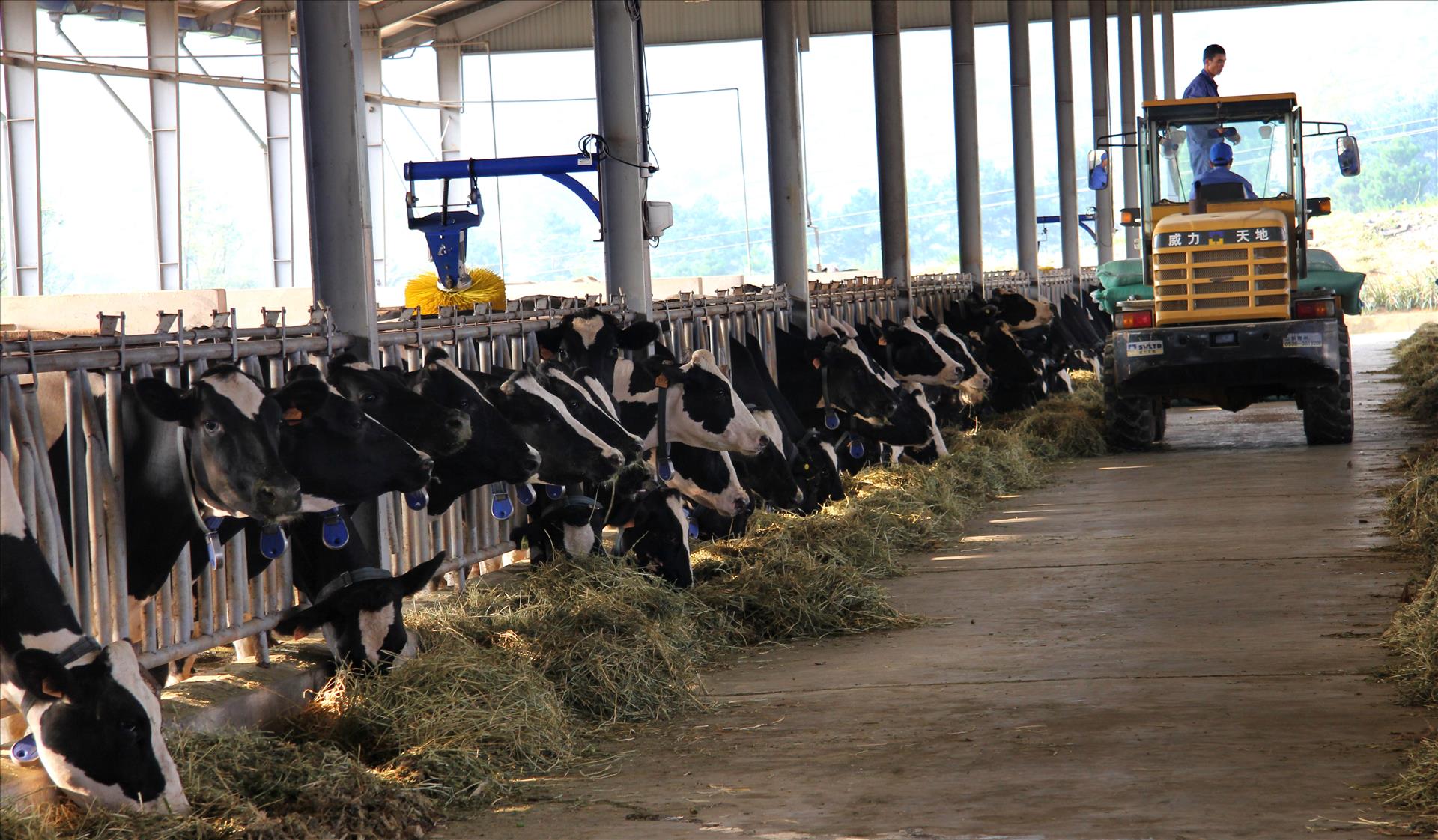
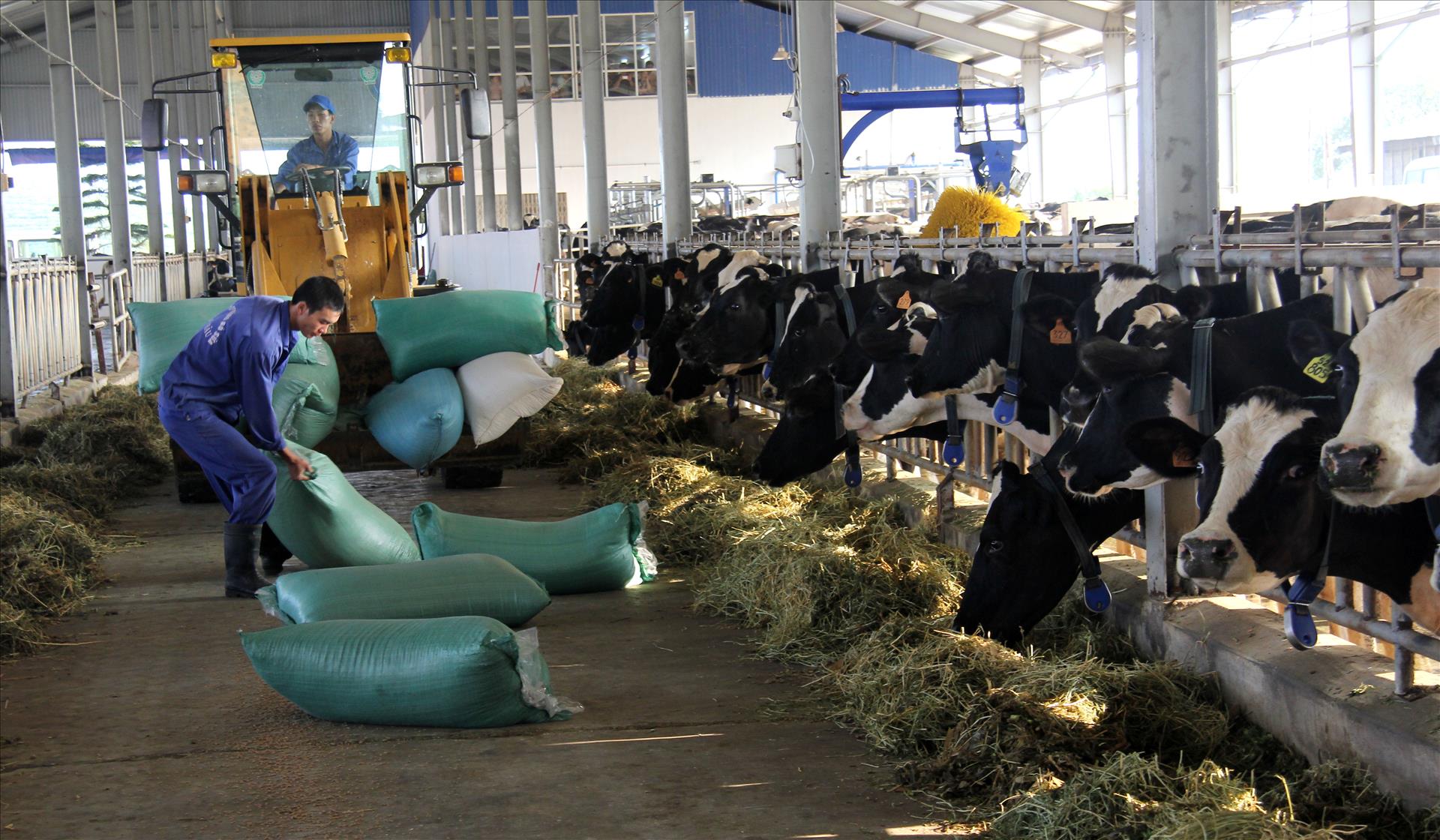
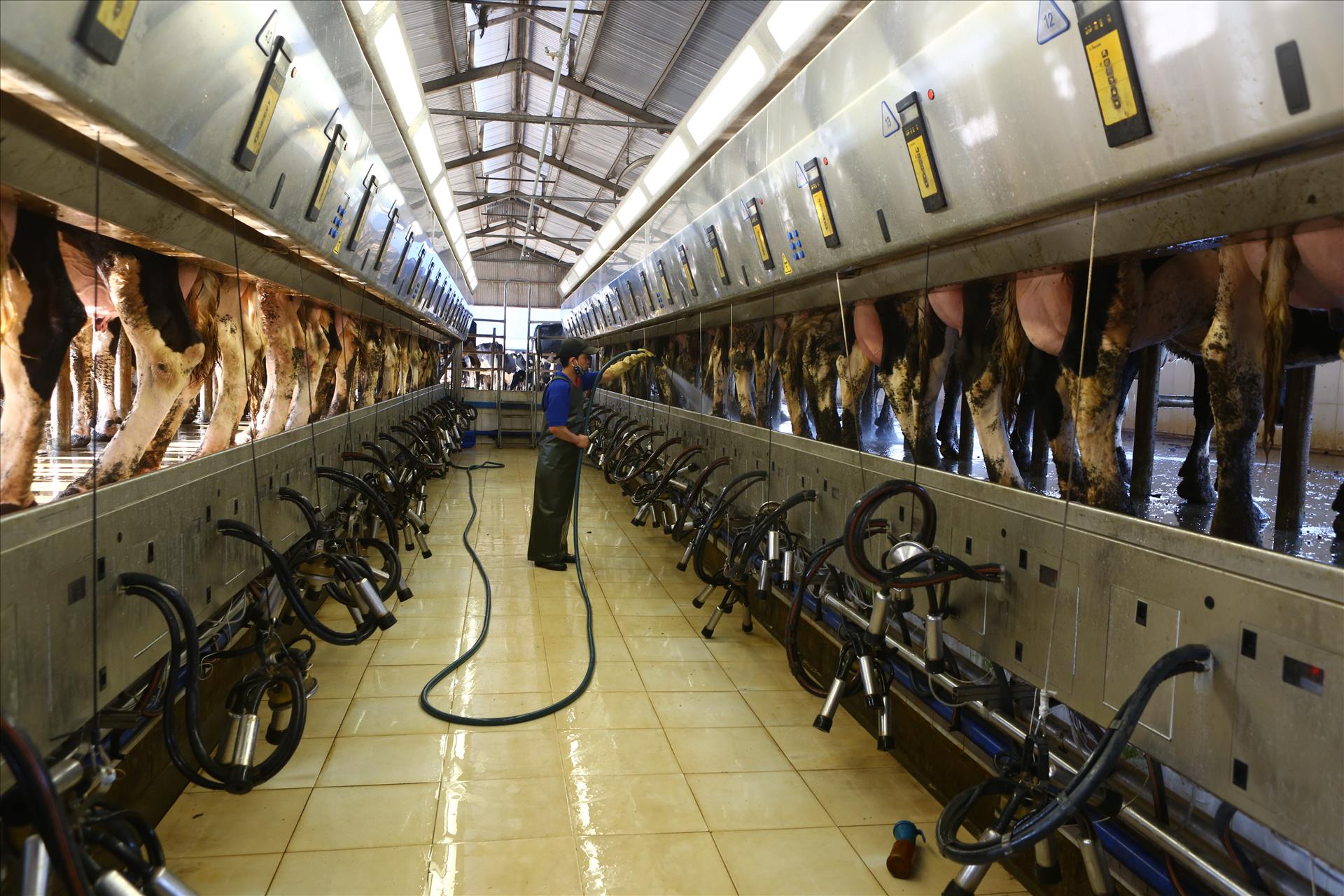
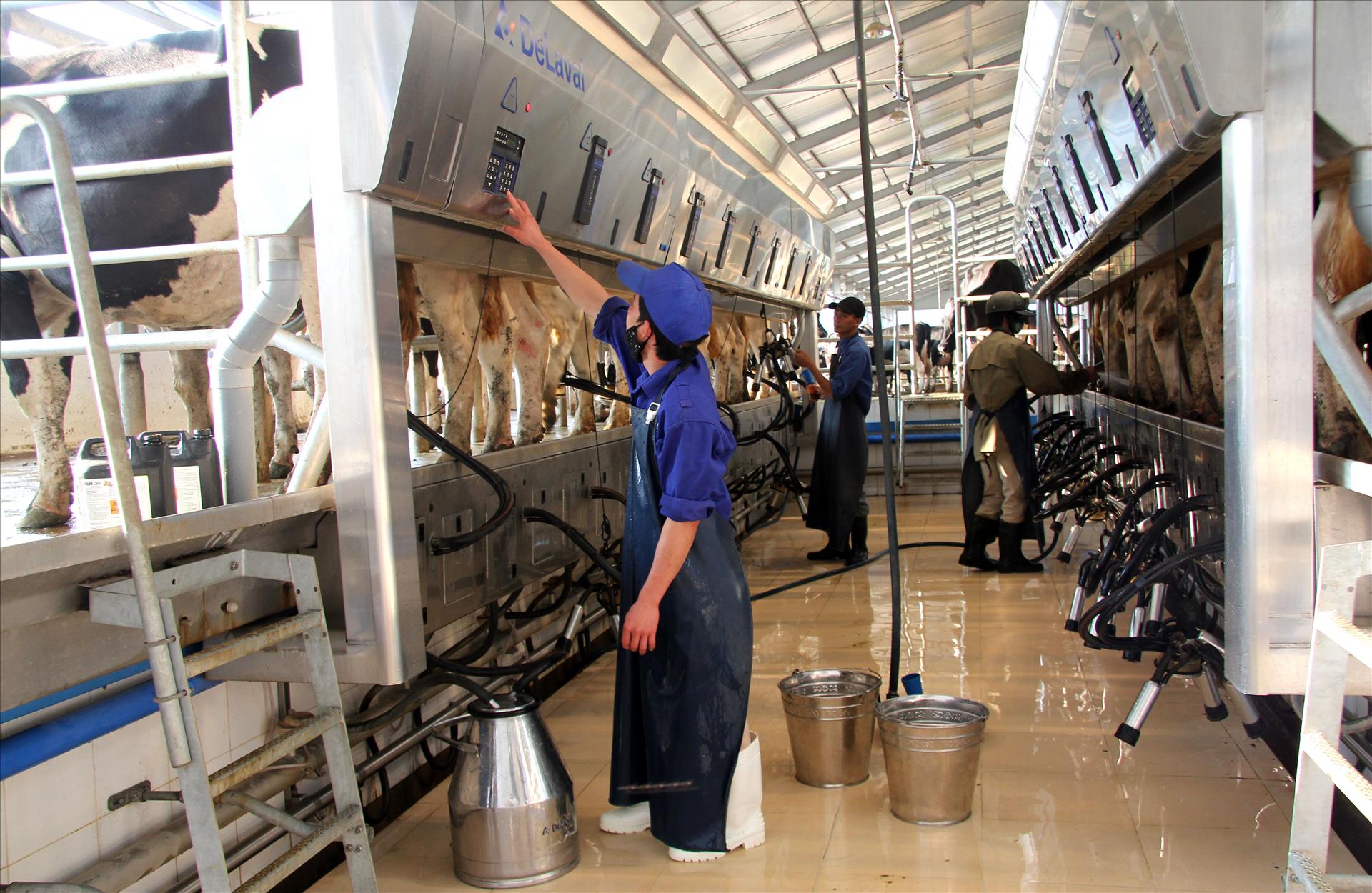
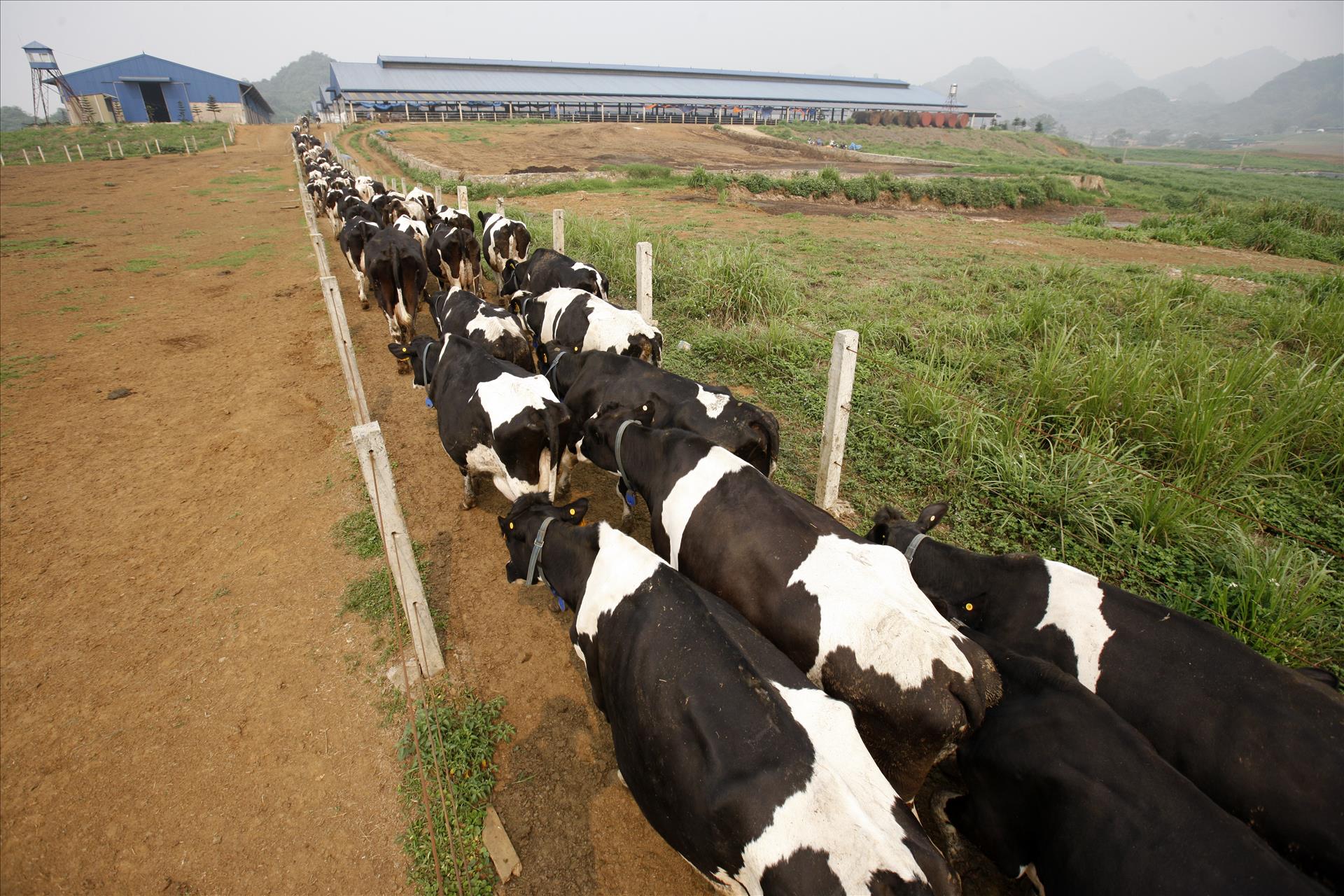
Moc Chau is an ideal location for hi-tech agriculture due to its climate and soil, leading the province in the application of greenhouses, net houses, water-saving irrigation, and industrial dairy farming. The district now has 550 facilities using water-saving irrigation on 613ha, with 23.2ha managed by IoT technology. Furthermore, over 101ha utilize greenhouse/net house production, 36 facilities apply VietGAP standards on 1,212ha, and the mechanization rate for dairy farming steps exceeds 90%.
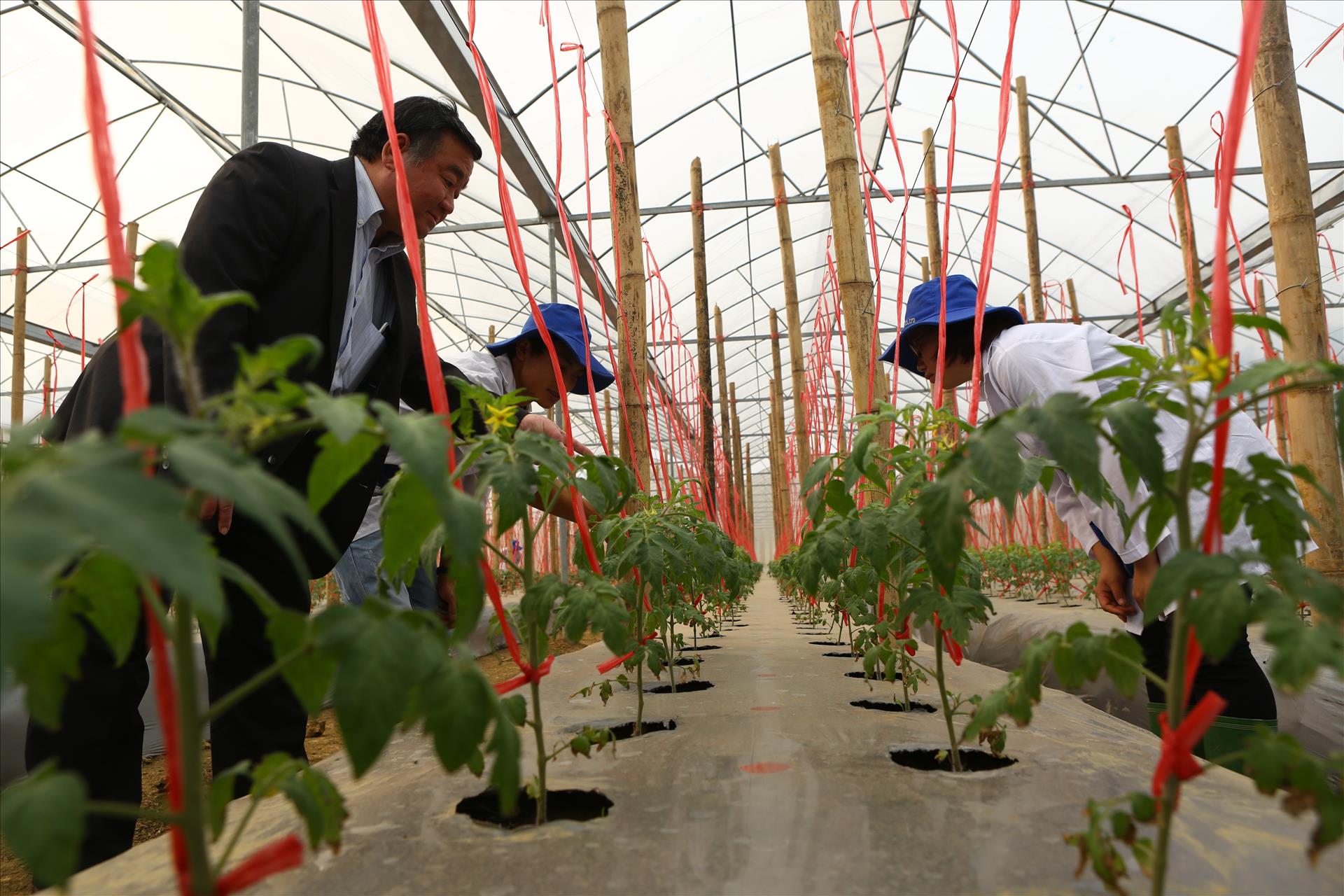
Do Thi Thuy, a farmer growing vegetables in a greenhouse in Moc Chau and participating in the FAO-supported "Smart Agriculture for the Future Generation" project, , "Previously, my family grew tomatoes and cucumbers outdoors. Yields were unstable, and income was only about 3–4 million dong (approximately 113.87 to 151.82 US dollars)/month. Since receiving greenhouse technology training, nutrition management, and biological pest control, my income has increased to 7–10 million dong (approximately 265.69 to 379.56 US dollars)/month. The produce is better-looking and cleaner, and buyers now come directly to the garden to place orders".
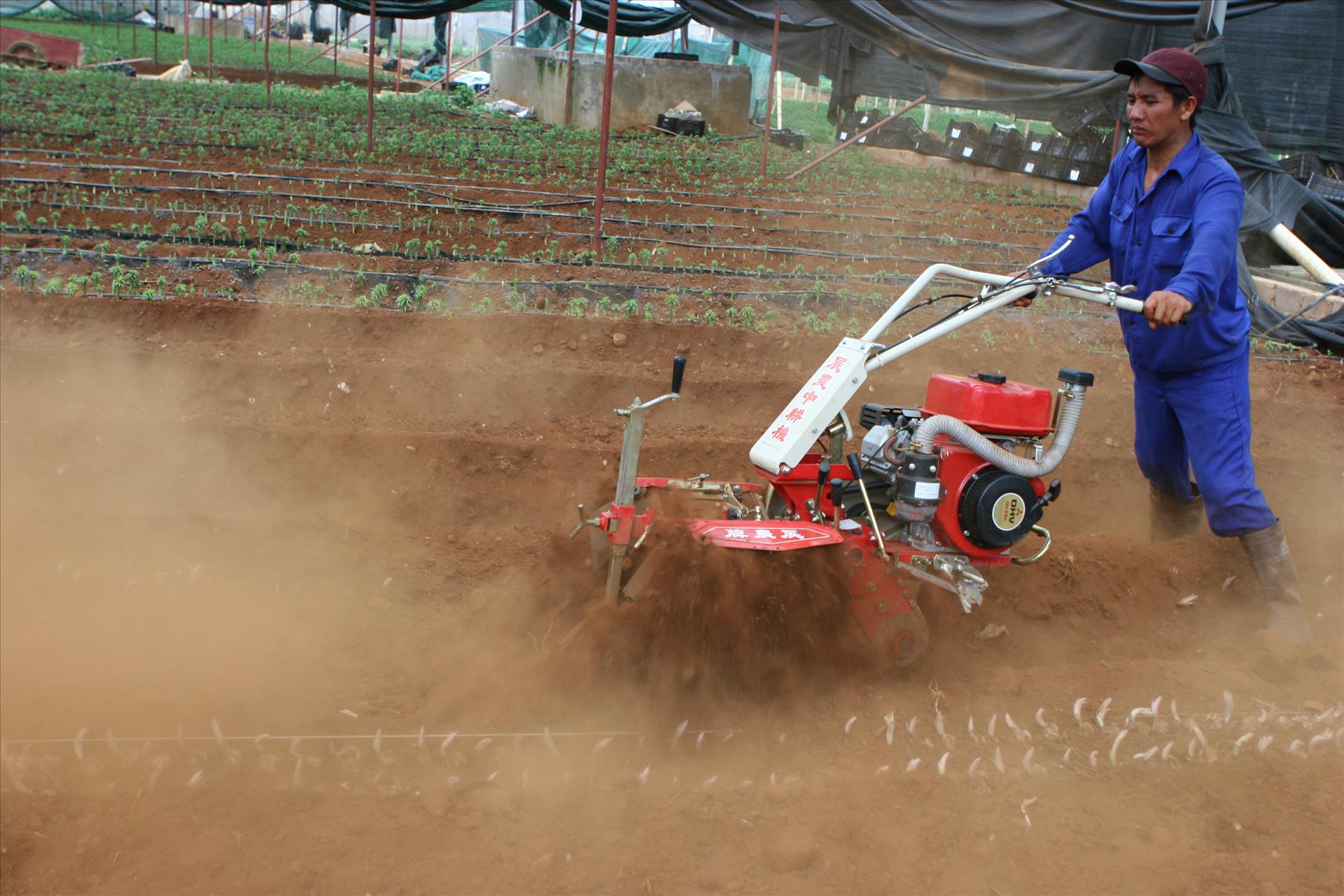
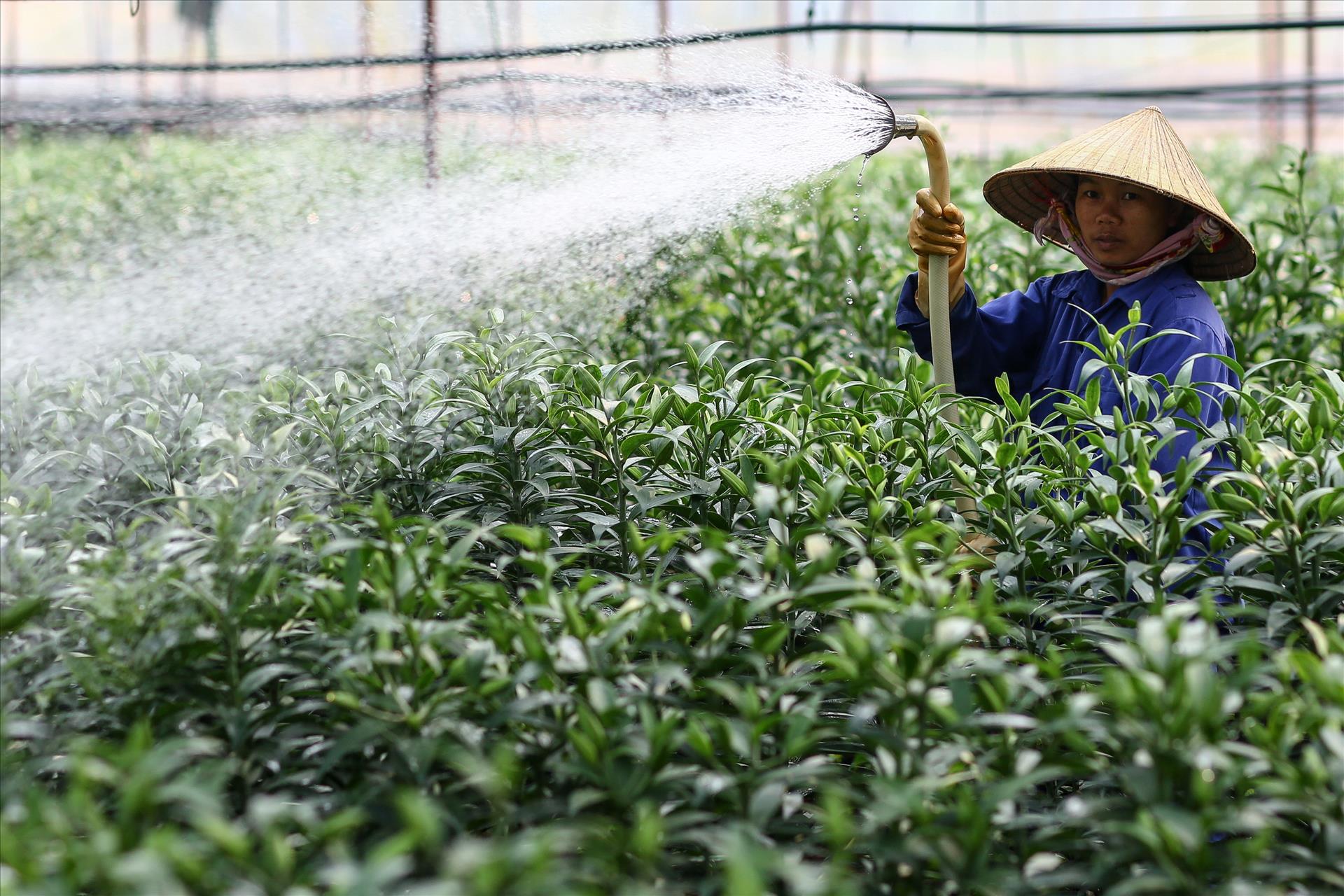
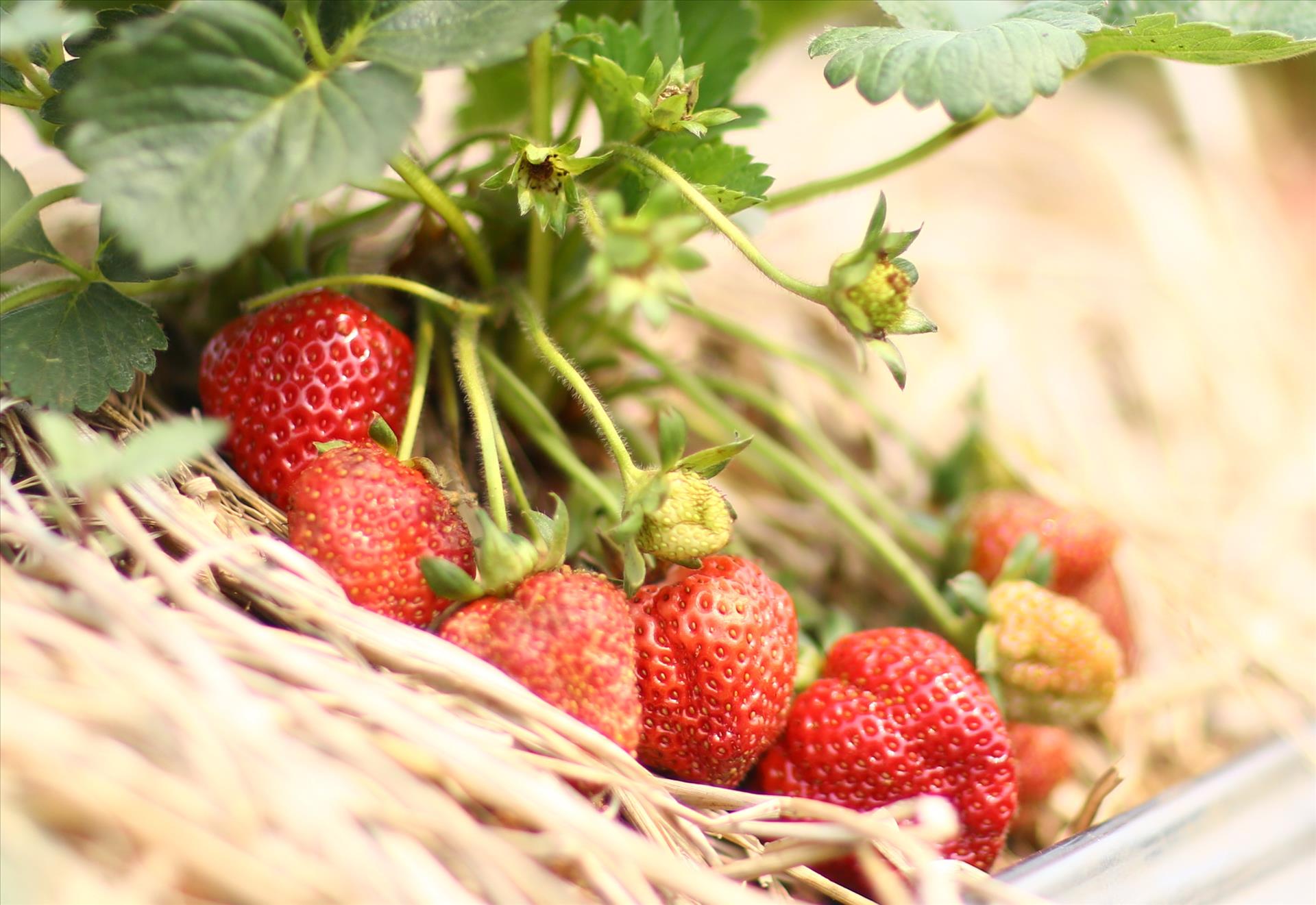
Looking ahead to the 2025–2030 period, Son La aims to continue restructuring its agriculture toward modernization, large-scale commercial specialization, linking production with preservation, processing, and market access. Key initiatives include boosting digital transformation in agriculture, including managing growing areas via software, traceability, and agricultural e-commerce. Establishing a National Center for Research and Application of Hi-Tech Agriculture in Moc Chau, while completing the existing hi-tech agricultural areas throughout the province, linking hi-tech agriculture with rural tourism and eco-tourism to create diverse livelihoods for the local population.
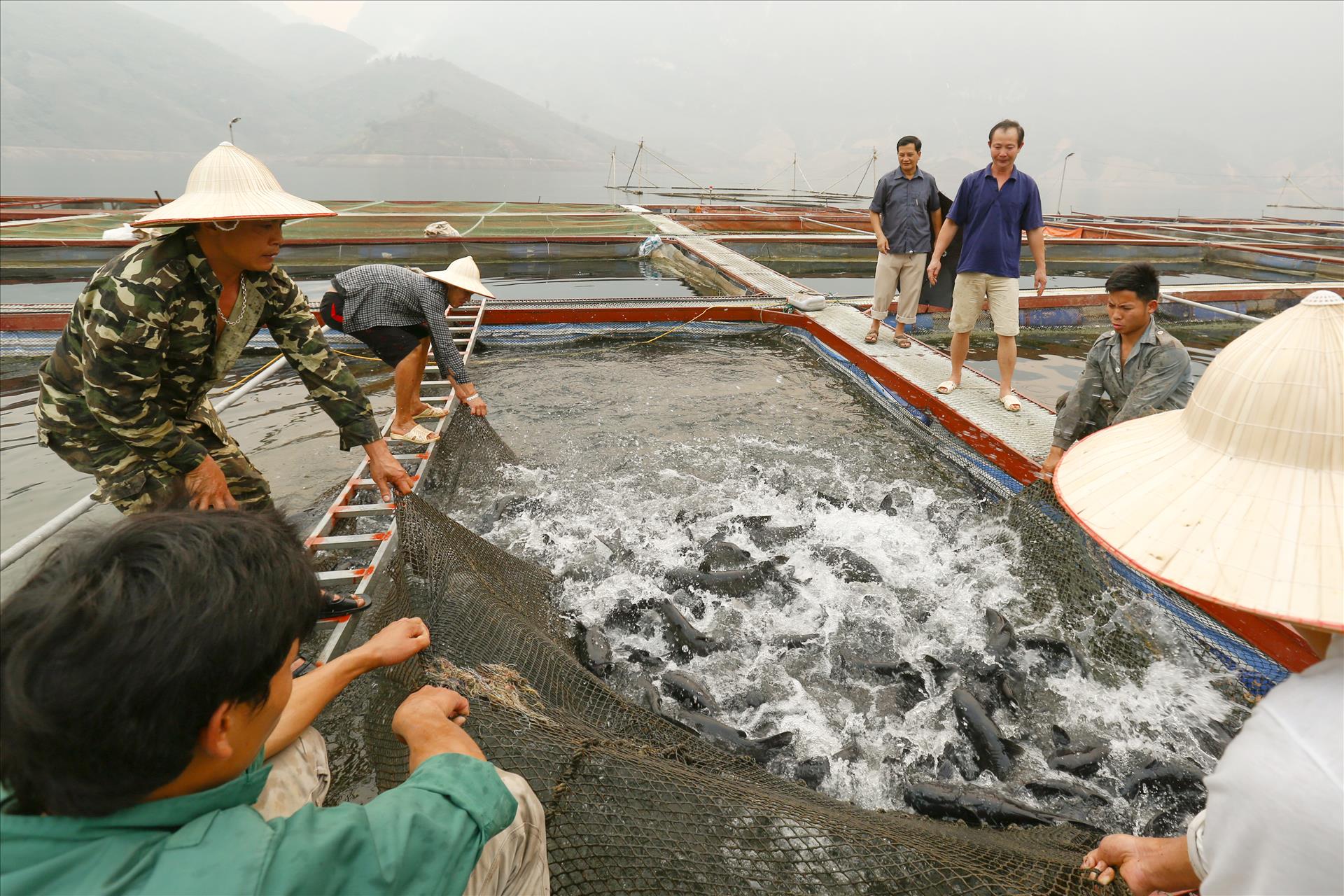
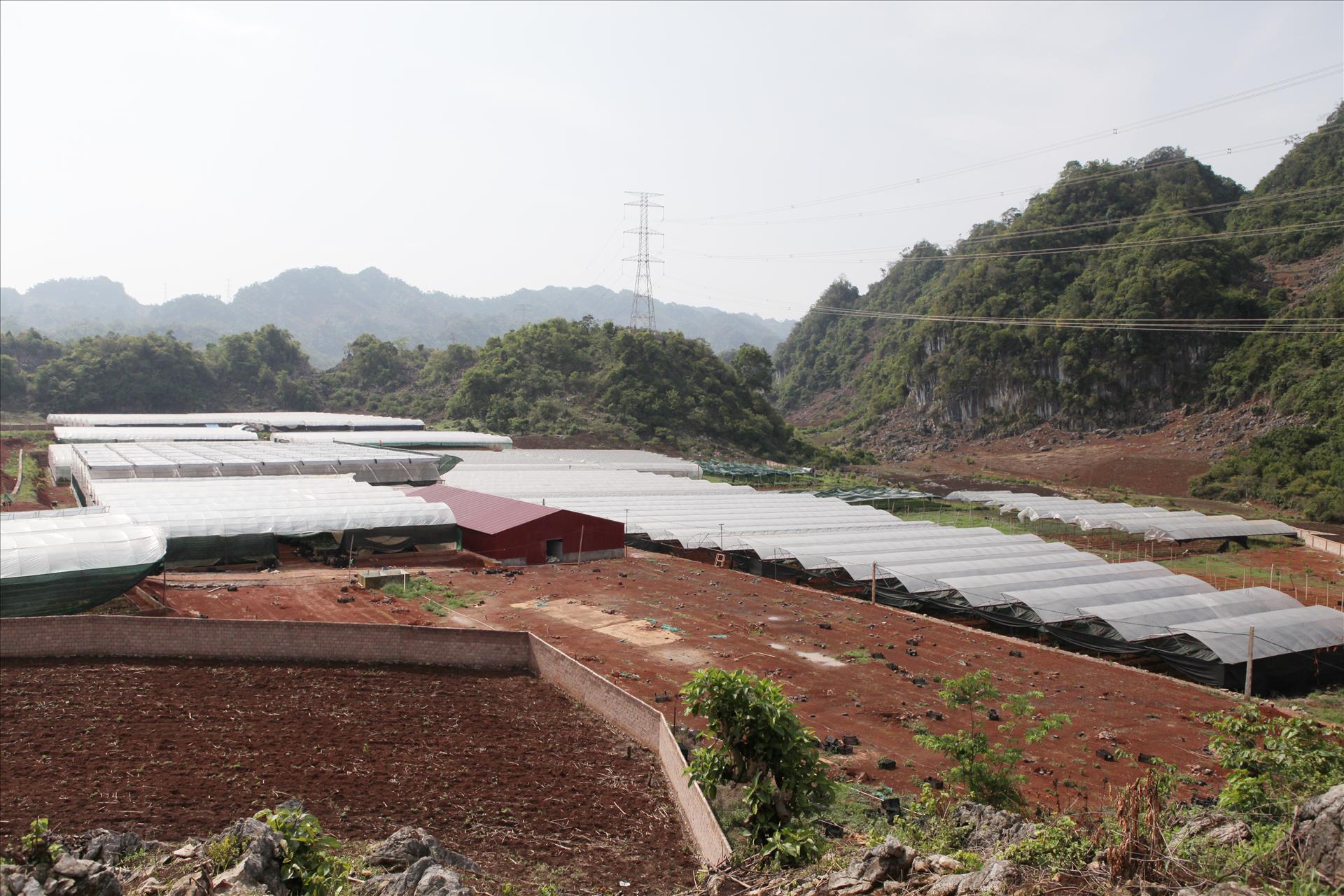
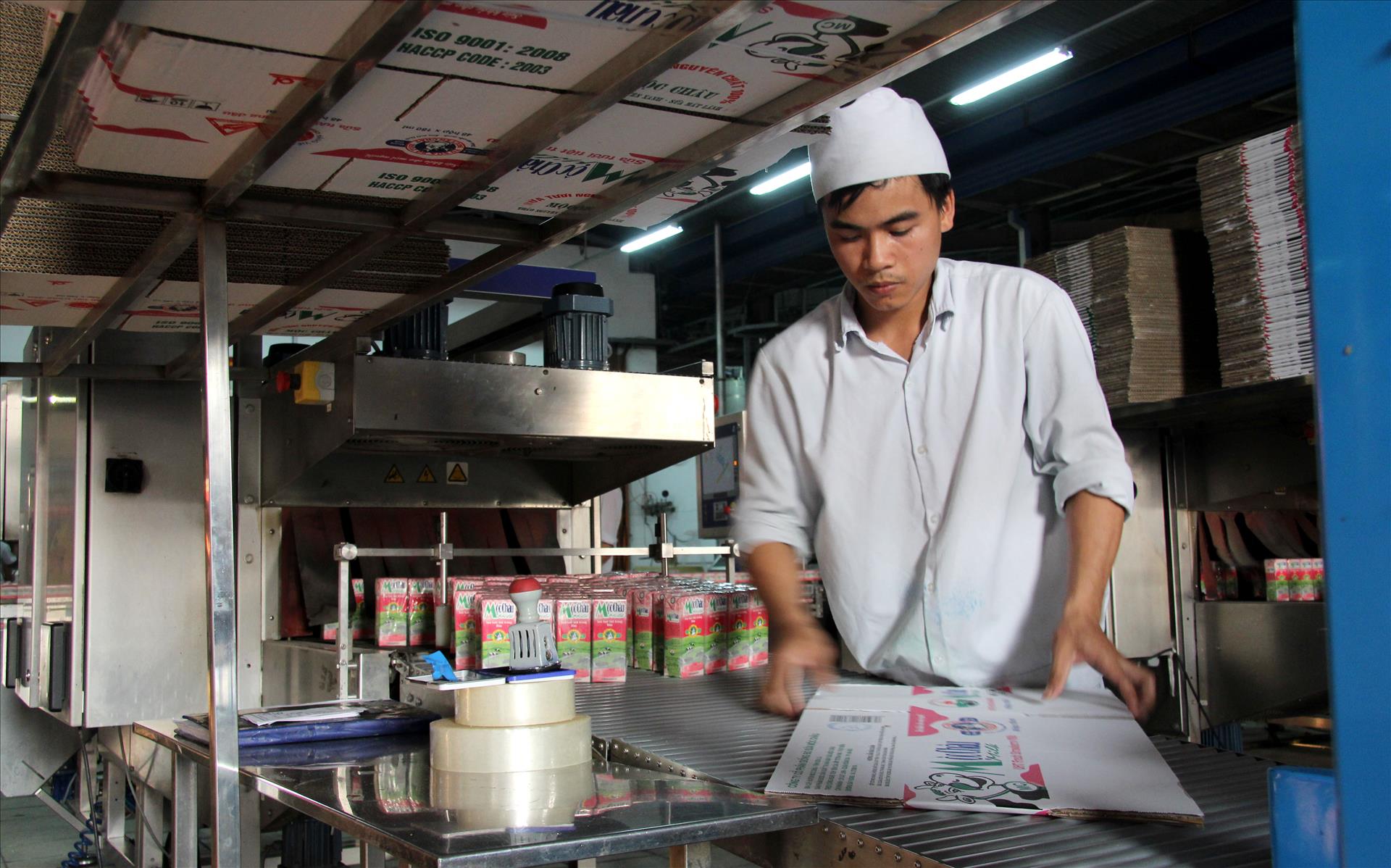
The development of hi-tech agriculture in Son La is more than just a story of new seeds, greenhouses, or drip irrigation systems,it is proof of a resilient mountainous province’s aspiration to rise, achieve sustainable poverty reduction, and build model new rural areas./.
- Story: Trinh Bo & Hong Hanh
- Photos: VNP