Technology Paves the Way for Vietnam’s Culture Industry
As Vietnam enters a new phase of development, technology is emerging as a key to unlocking the potential of its culture industry. No longer limited to preserving heritage, digital innovation has helped expand creative spaces, enable new forms of cultural expression, and strengthen the country’s soft power on the global stage.
From Soft Value to Growth Driver
In the context of globalization and digital transformation, the convergence of technology and culture in Vietnam has become a strategic direction. Once seen primarily as a spiritual domain, culture is now increasingly recognized as an industry capable of generating added value and boosting growth.
At the 2026 CICON Vietnam conference on “Sustainable Growth in the AI Era,” Dr. Mac Quoc Anh, Director of the Institute of Economics and Business Development and Vice Chairman of the Hanoi Association of Small and Medium Enterprises, said, “We are at a moment when art is no longer a luxury, but an integral part of the economy.” His remark reflects a broader shift, from “soft value” to a tangible resource where the culture industry is expected to become a new pillar of development.

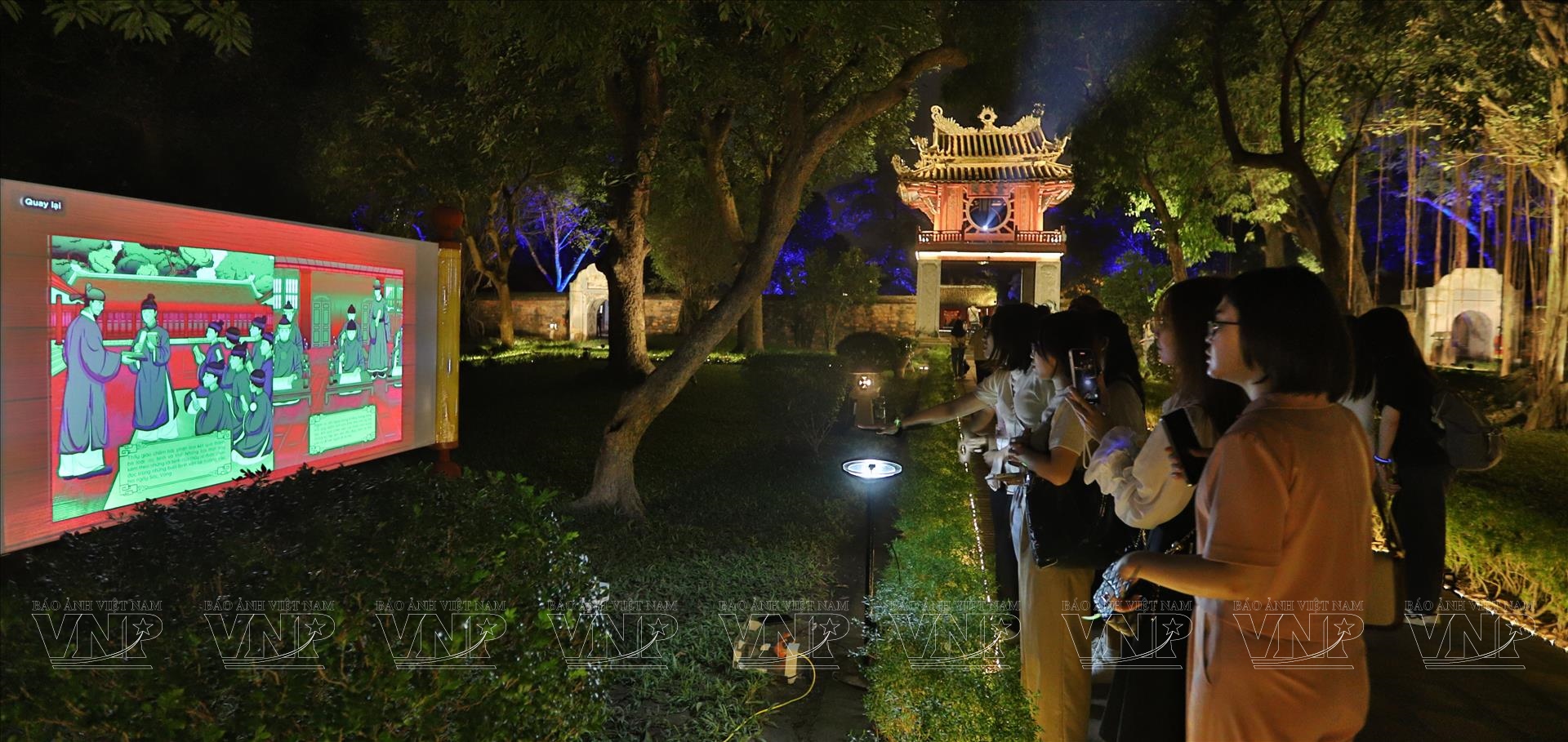
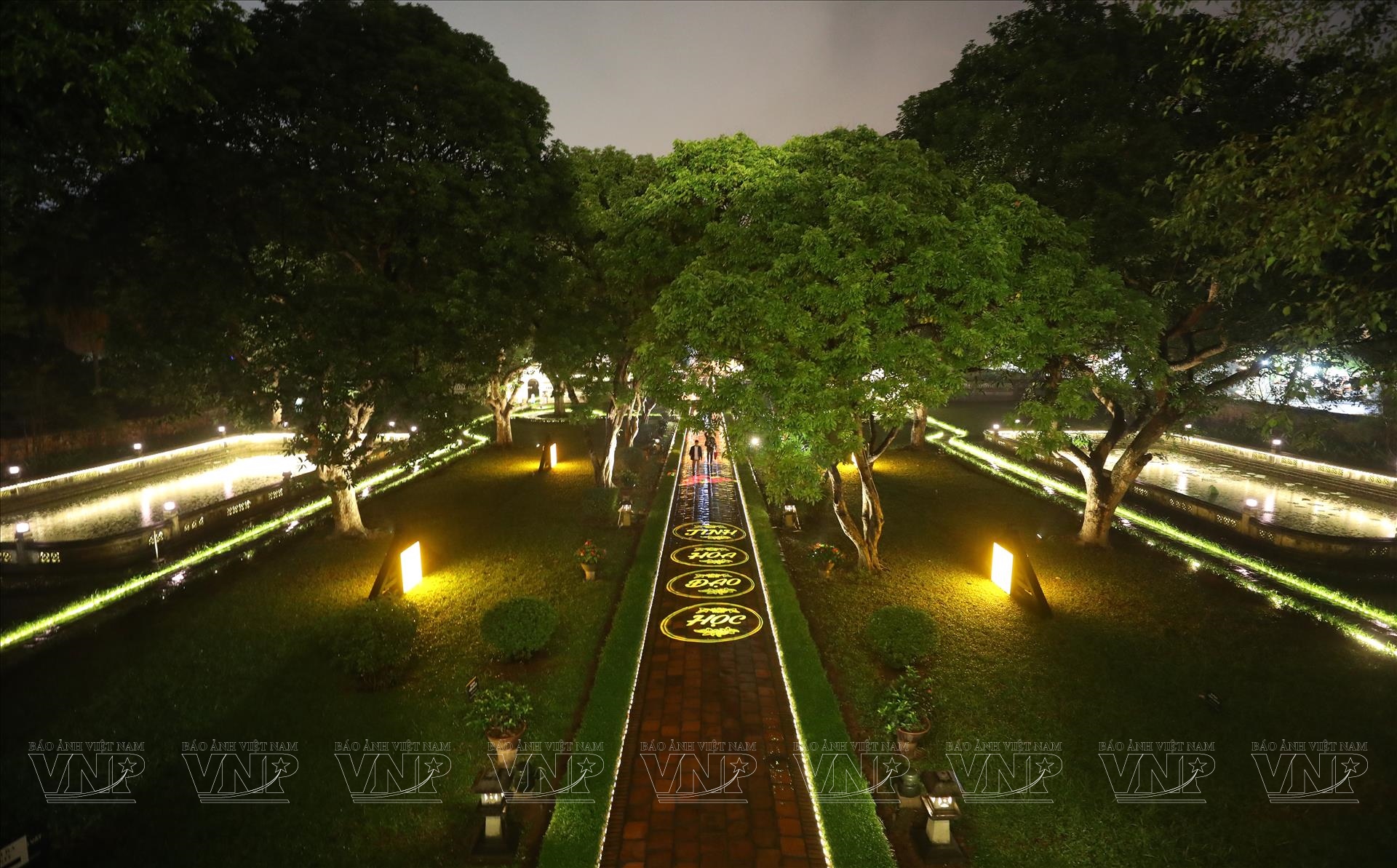
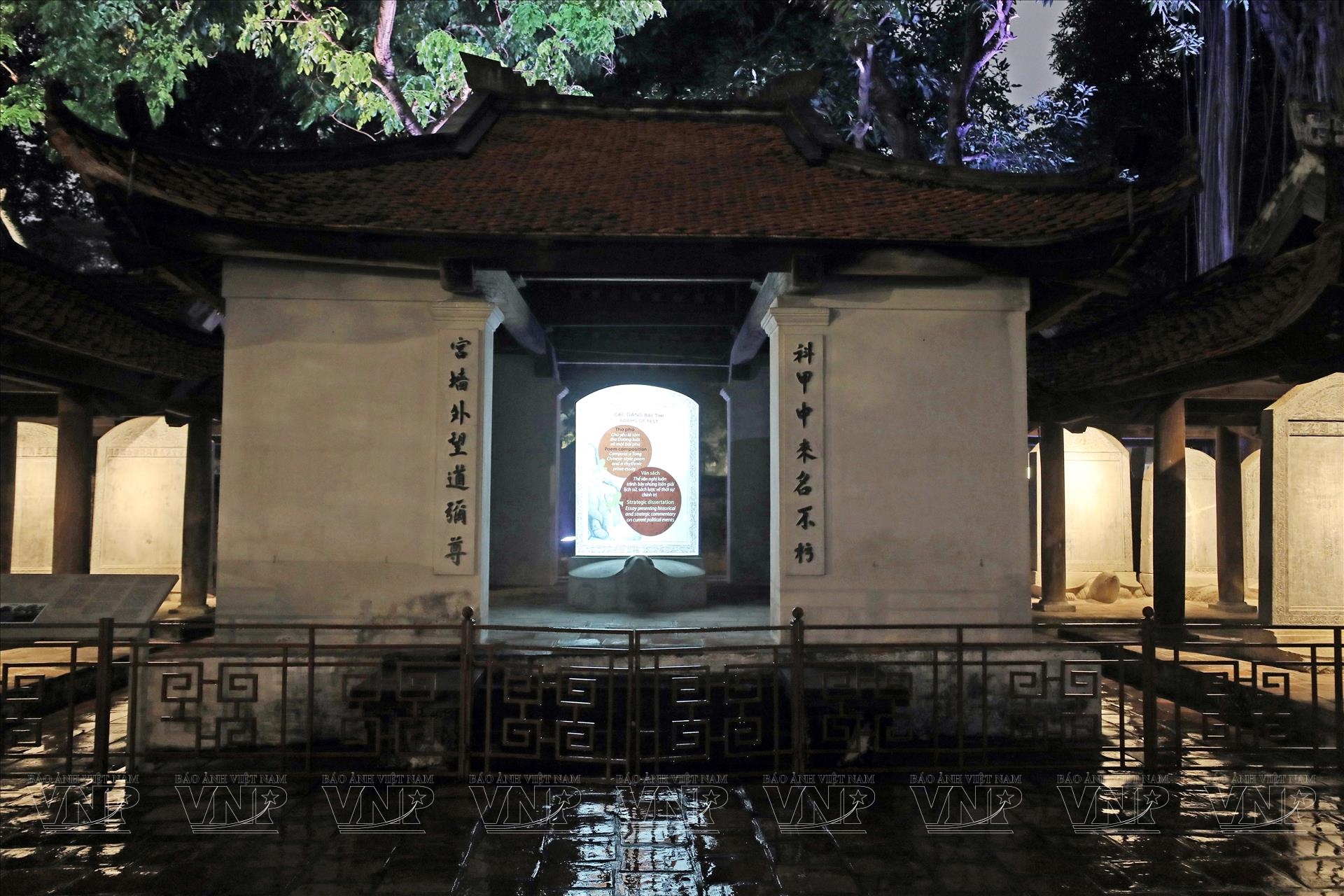
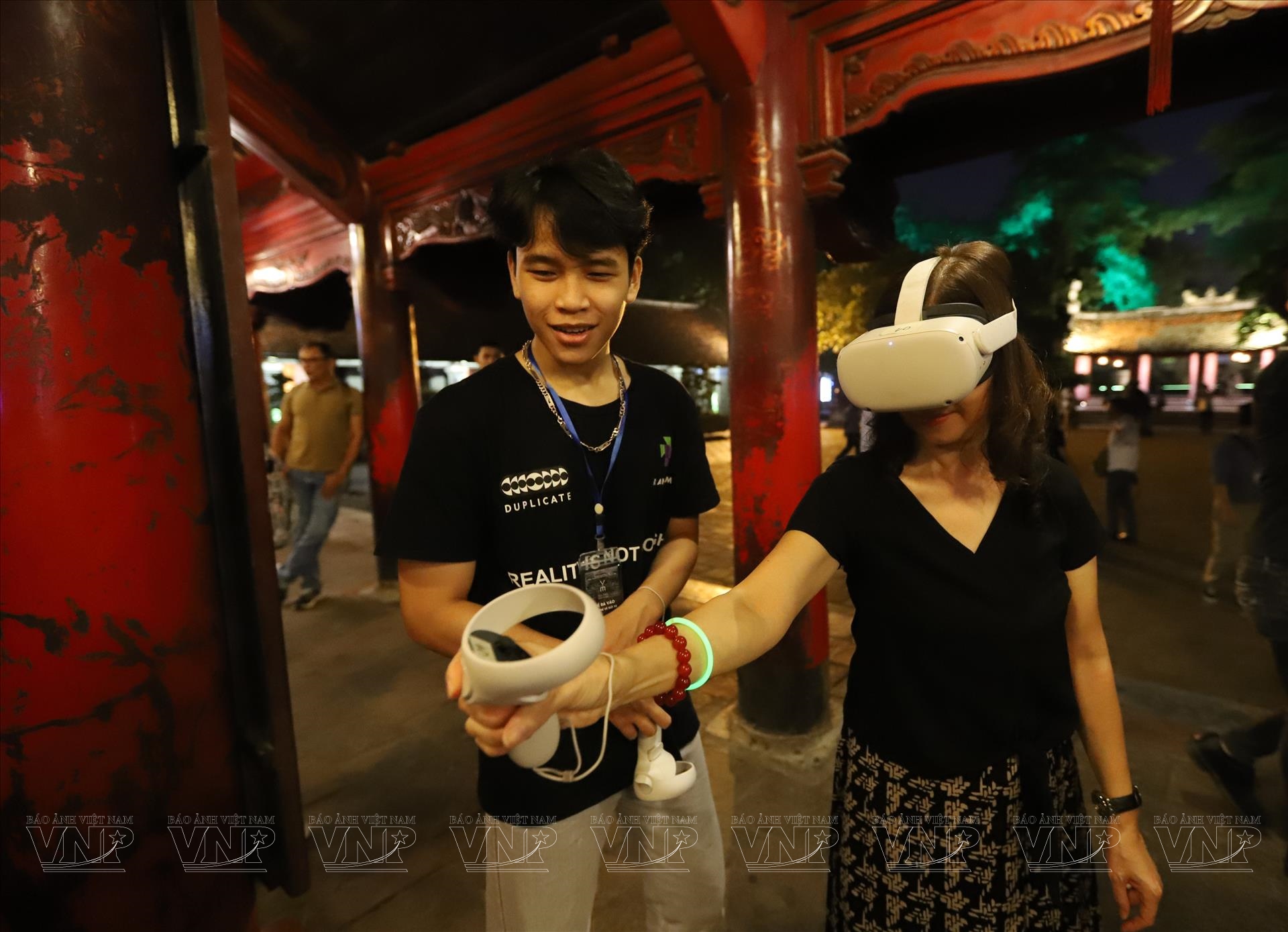
Night tours at heritage sites like the Temple of Literature are new cultural tourism products, where lighting, sound, and virtual elements create immersive experiences.
Looking back, Vietnamese fine arts flourished in the early 20th century with the founding of the Indochina College of Fine Arts, which trained many of the country’s leading artists. However, decades of war and a centrally planned economy slowed the development of the art market. It was not until the Doi moi (Renewal) in 1986 that the sector began to recover, paving the way for a dynamic and globally connected creative community.
Today, Vietnam has various advantages, including a long-standing cultural heritage, a young and creative workforce, and a rapidly growing middle class willing to invest in cultural products. National targets set the culture industry to contribute around 7% of GDP by 2030 and 9% by 2045, while maintaining an annual export growth of 7-9%.
The market is already showing positive signs. Between 2024 and 2025, the number of galleries, creative spaces, and auction houses in Hanoi and Ho Chi Minh City has increased significantly. Works by prominent artists such as Bui Xuan Phai, Le Pho, Nguyen Tu Nghiem, and Mai Trung Thu have fetched high prices at auctions as Vietnamese art has drawn increasing interest globally.
The film industry has also made notable progress. The movie Mai earned more than 500 billion dong (20 million US dollars) at the domestic box office and was screened in over 100 movie theaters in the US, Canada, and Europe. This demonstrates a growing international reach of Vietnamese cultural products.
Technology Activates Creative Ecosystem
Technology is playing a central role in this transformation. According to Dang Minh Ve, Deputy Director of the Hanoi Museum, digital innovation does not replace traditional values; instead, it makes cultural stories more engaging and accessible.
Rather than relying solely on conventional storage methods, technology such as 3D scanning, high-resolution imaging, and cloud-based archiving are creating accurate digital replicas of artifacts. This approach strengthens preservation while expanding access for both researchers and the public.
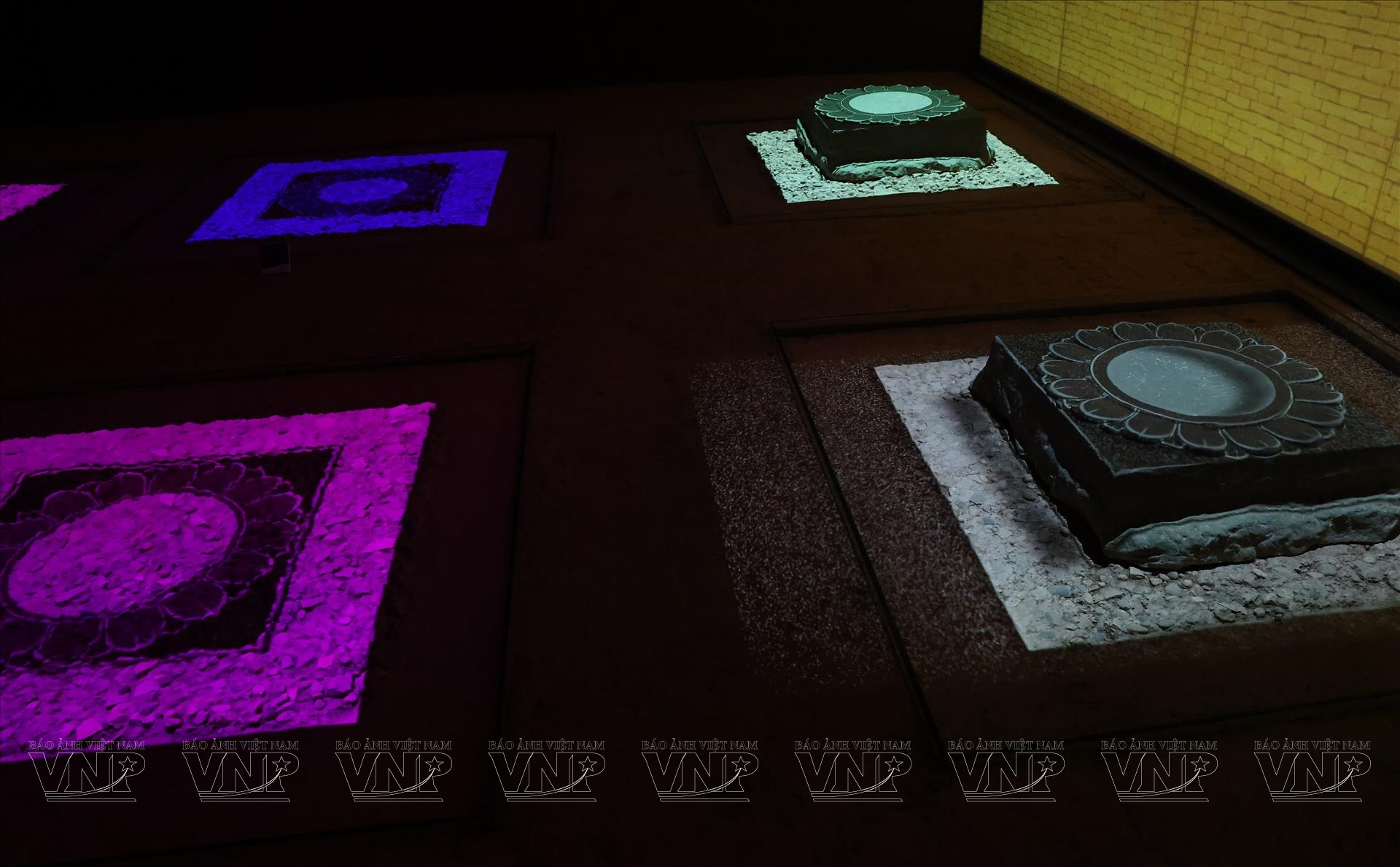
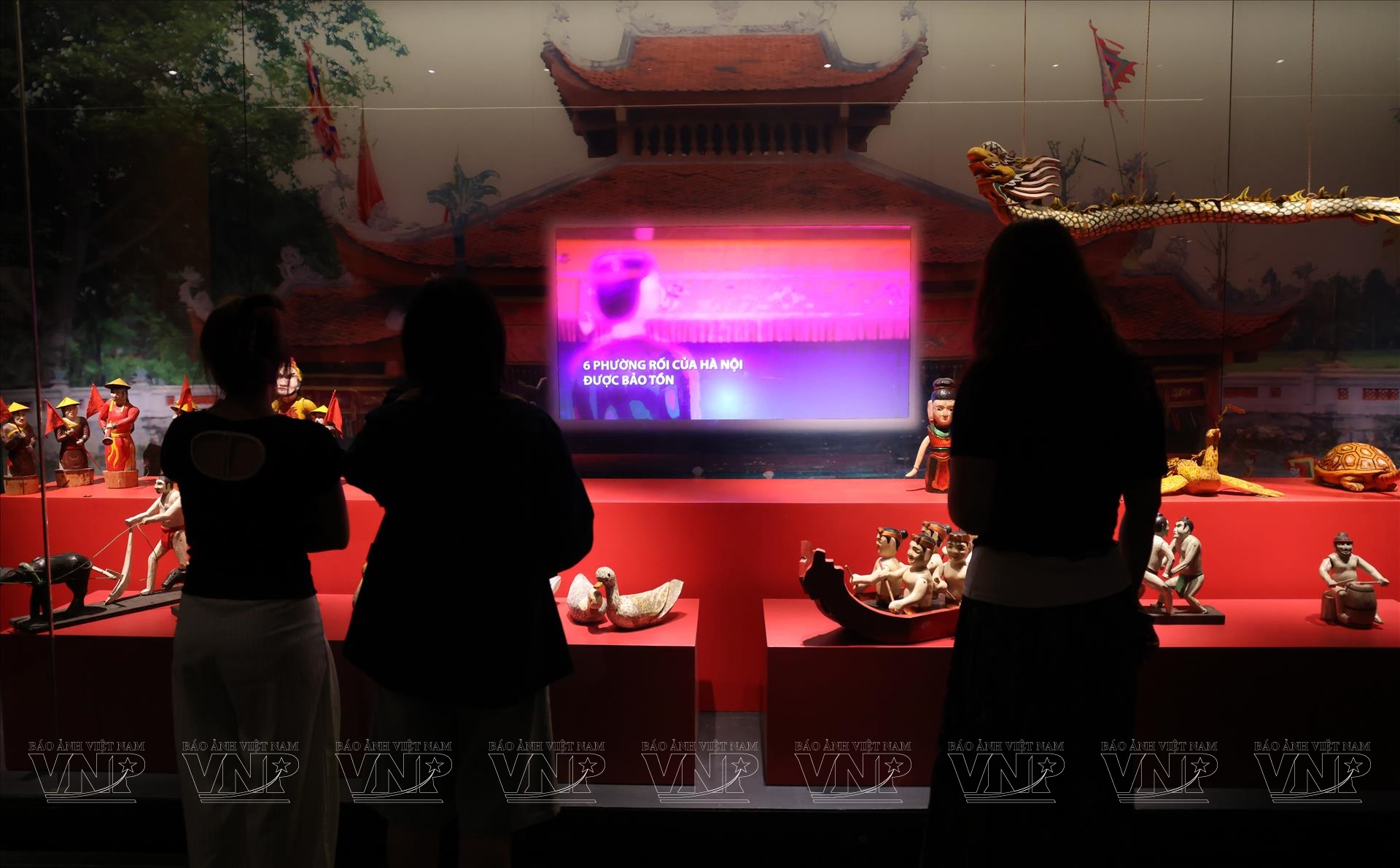
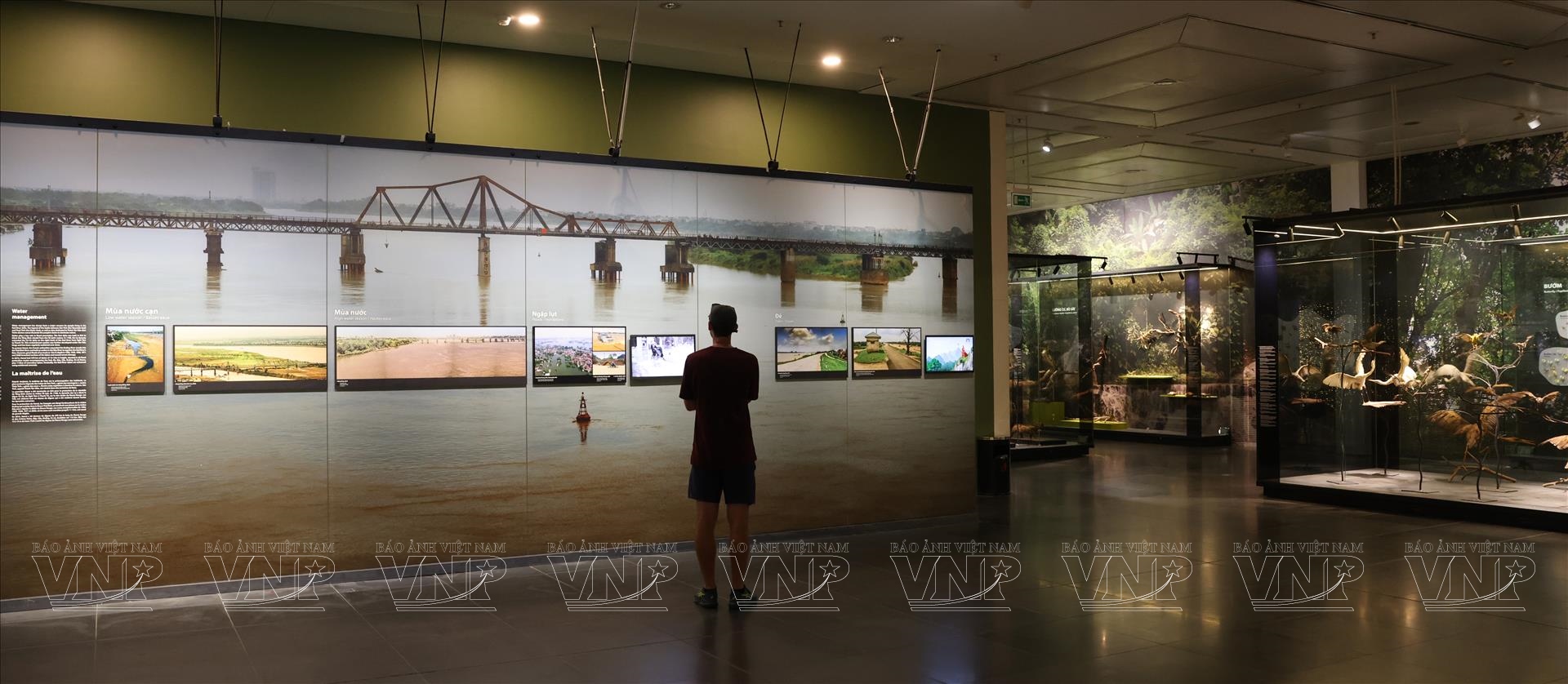
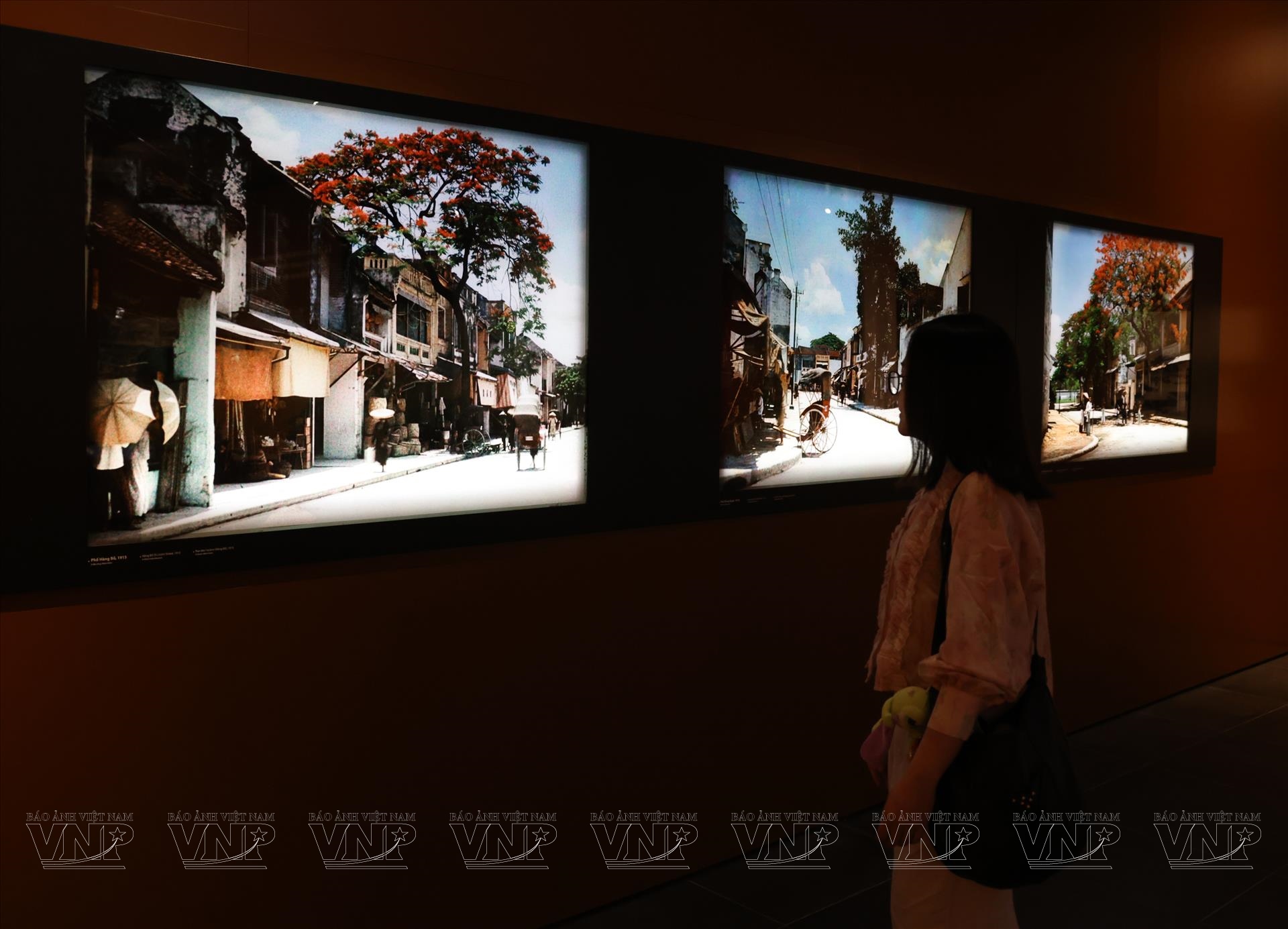
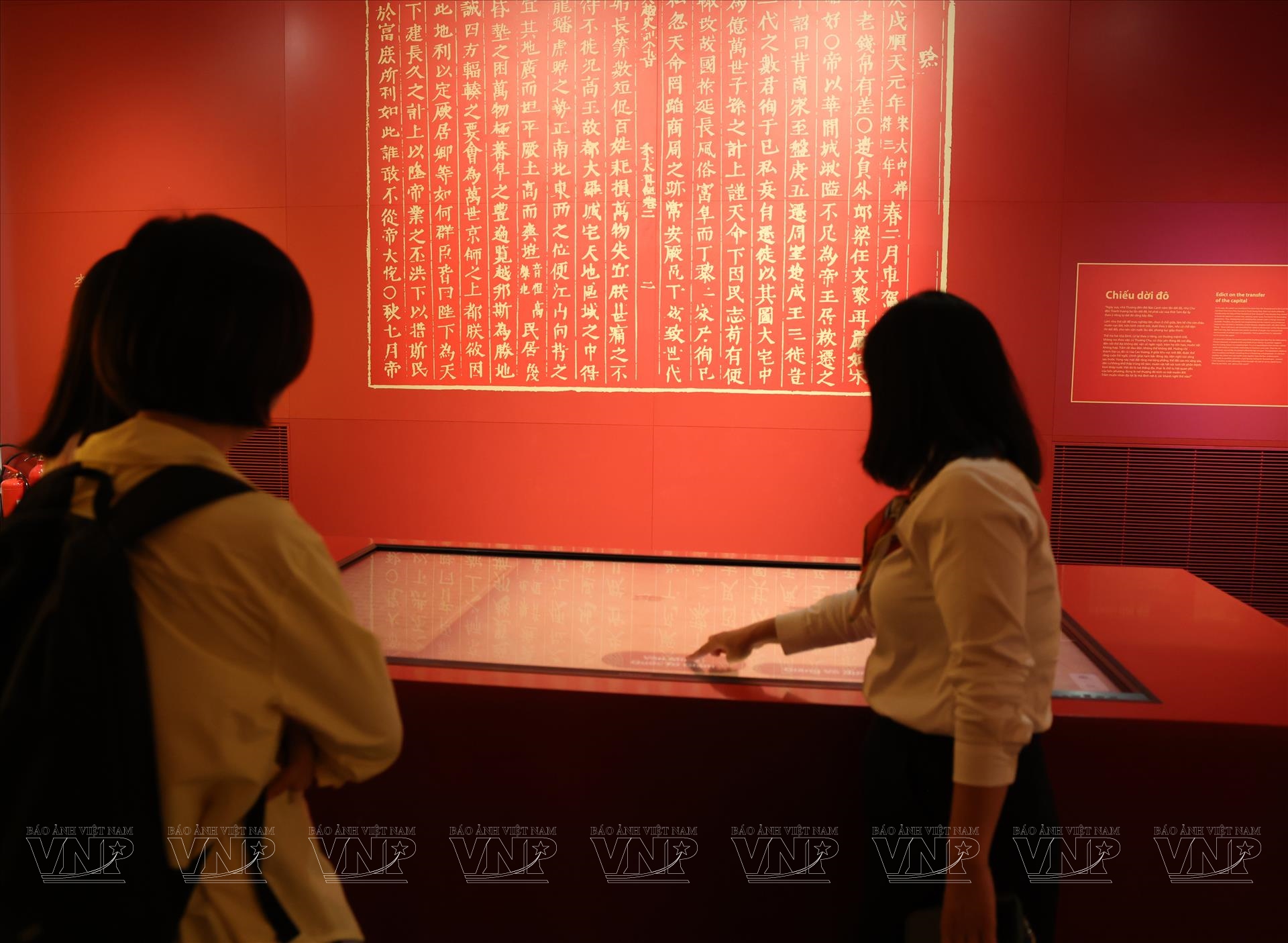
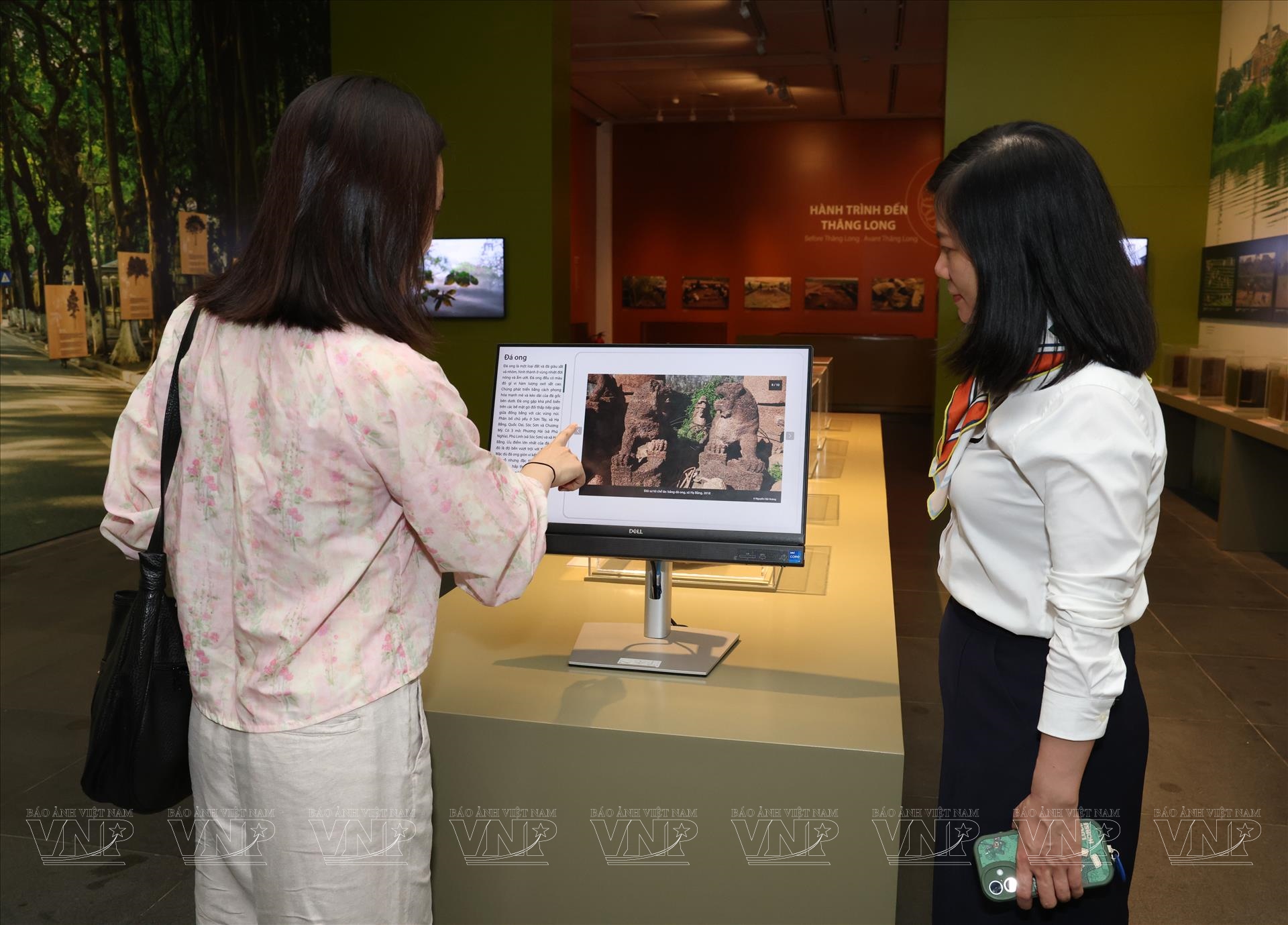
More importantly, technology is reshaping cultural experiences. At the Hanoi Museum, tools such as 3D mapping, interactive displays, and digitized data make exhibitions more vivid and intuitive. Meanwhile, night tours at heritage sites like the Temple of Literature are new cultural tourism products, where lighting, sound, and virtual elements create immersive experiences.
Le Xuan Kieu, Director of the Center for Cultural and Scientific Activities at the Temple of Literature, said that these night programs will continue to evolve, with technology at the core of reimagining how heritage stories are told to contemporary audiences.
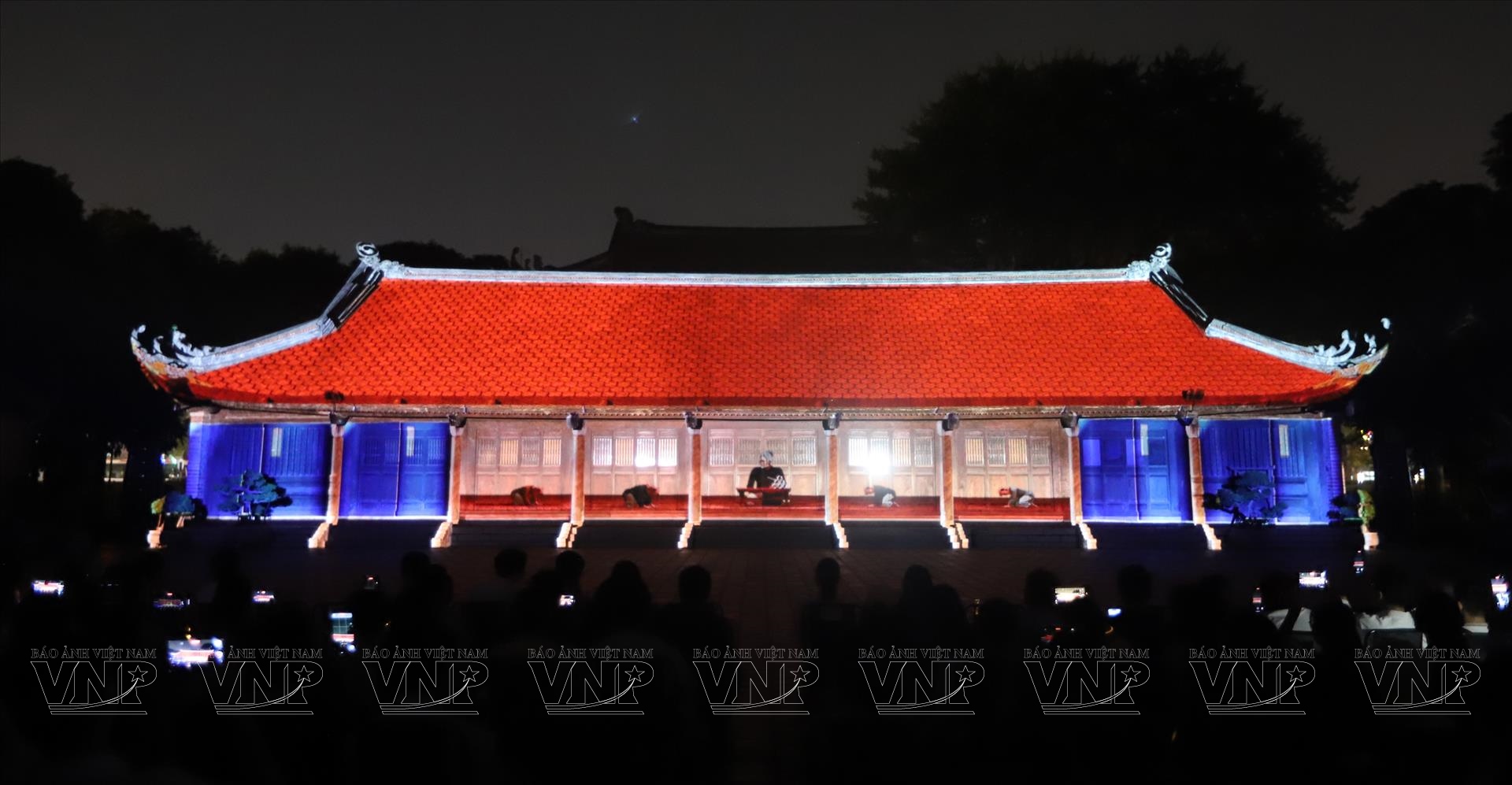
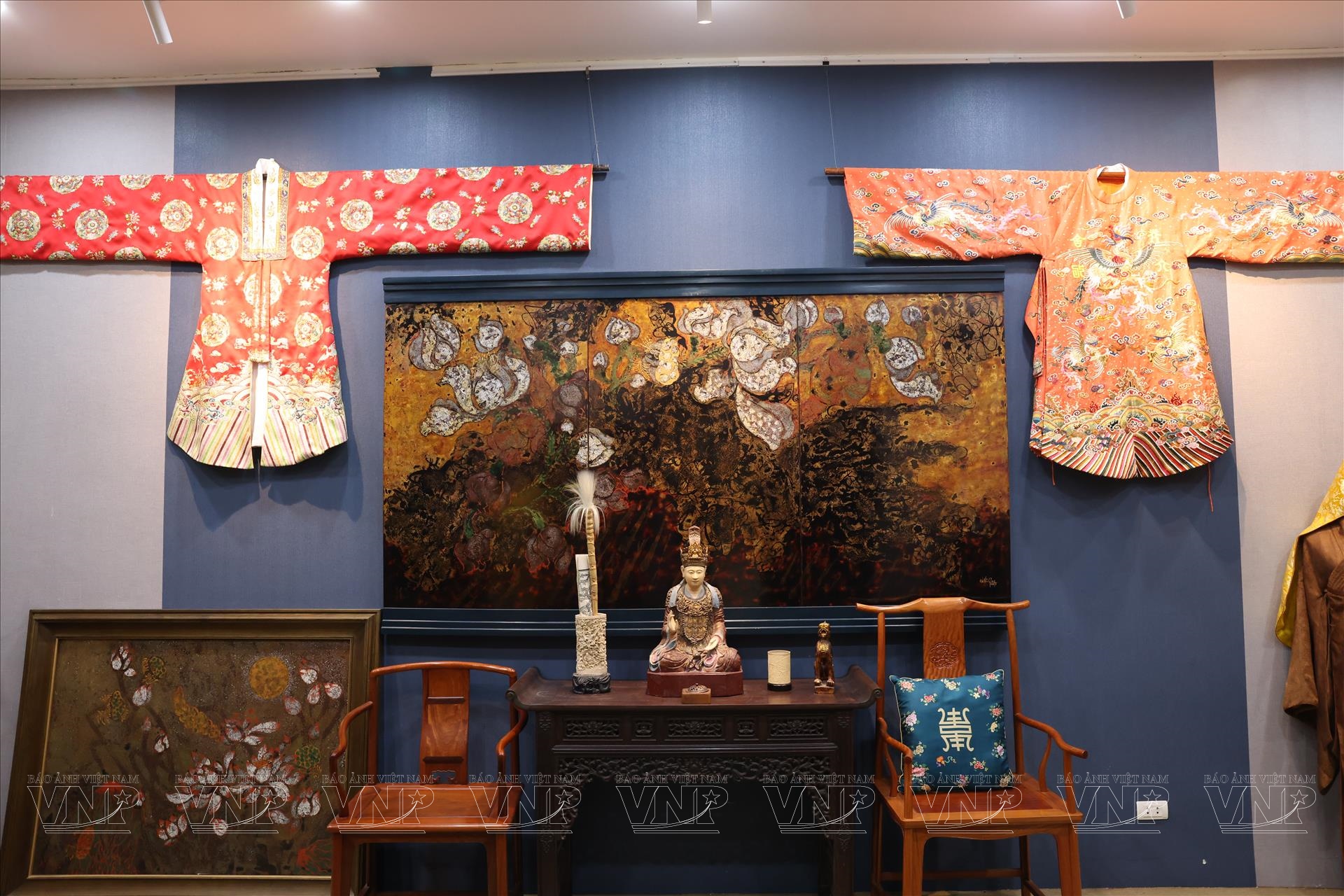
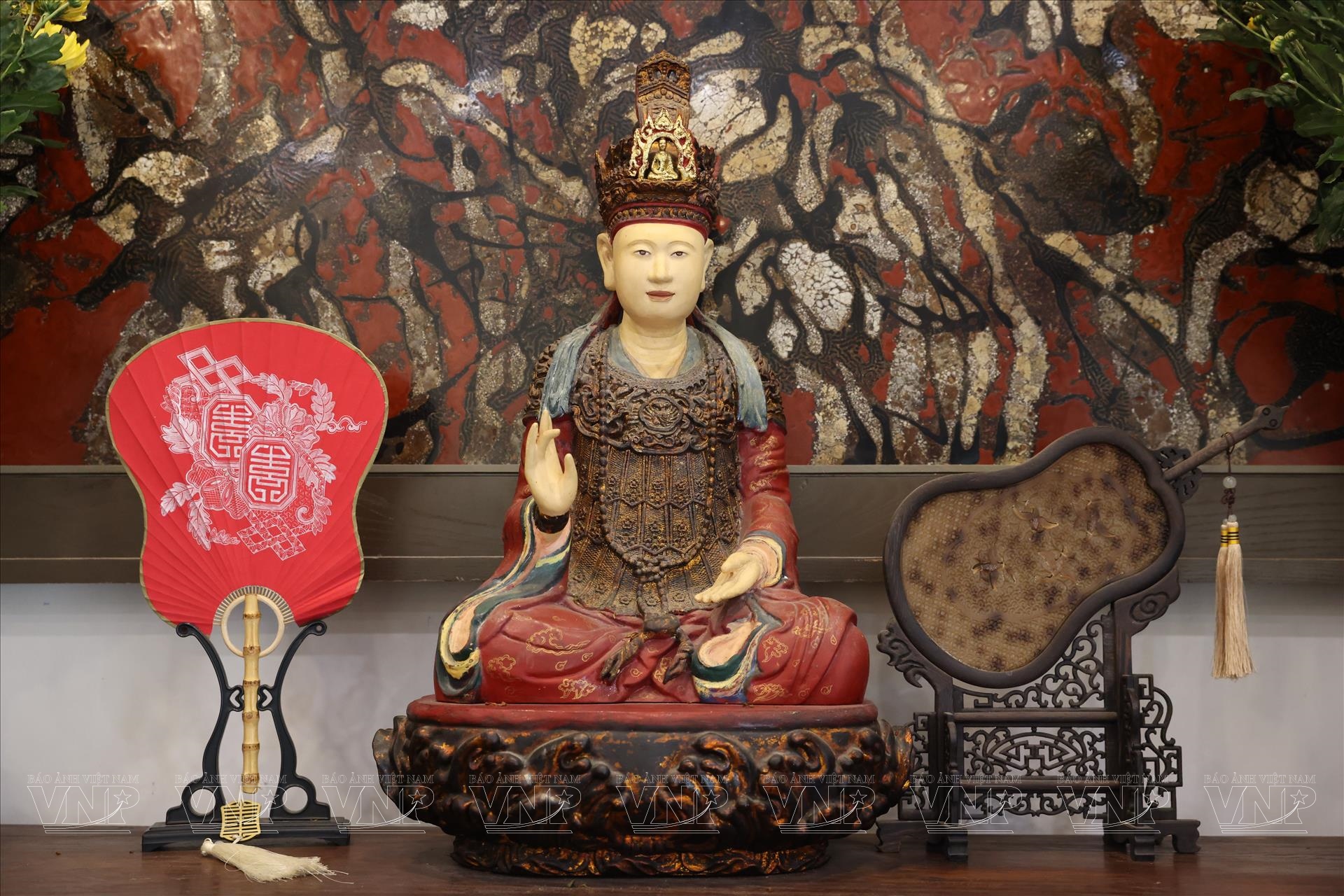
These models are attracting growing numbers of visitors, particularly international tourists, who can now view history in more interactive ways. At the same time, they expand the reach of Vietnamese culture to a wider global audience.
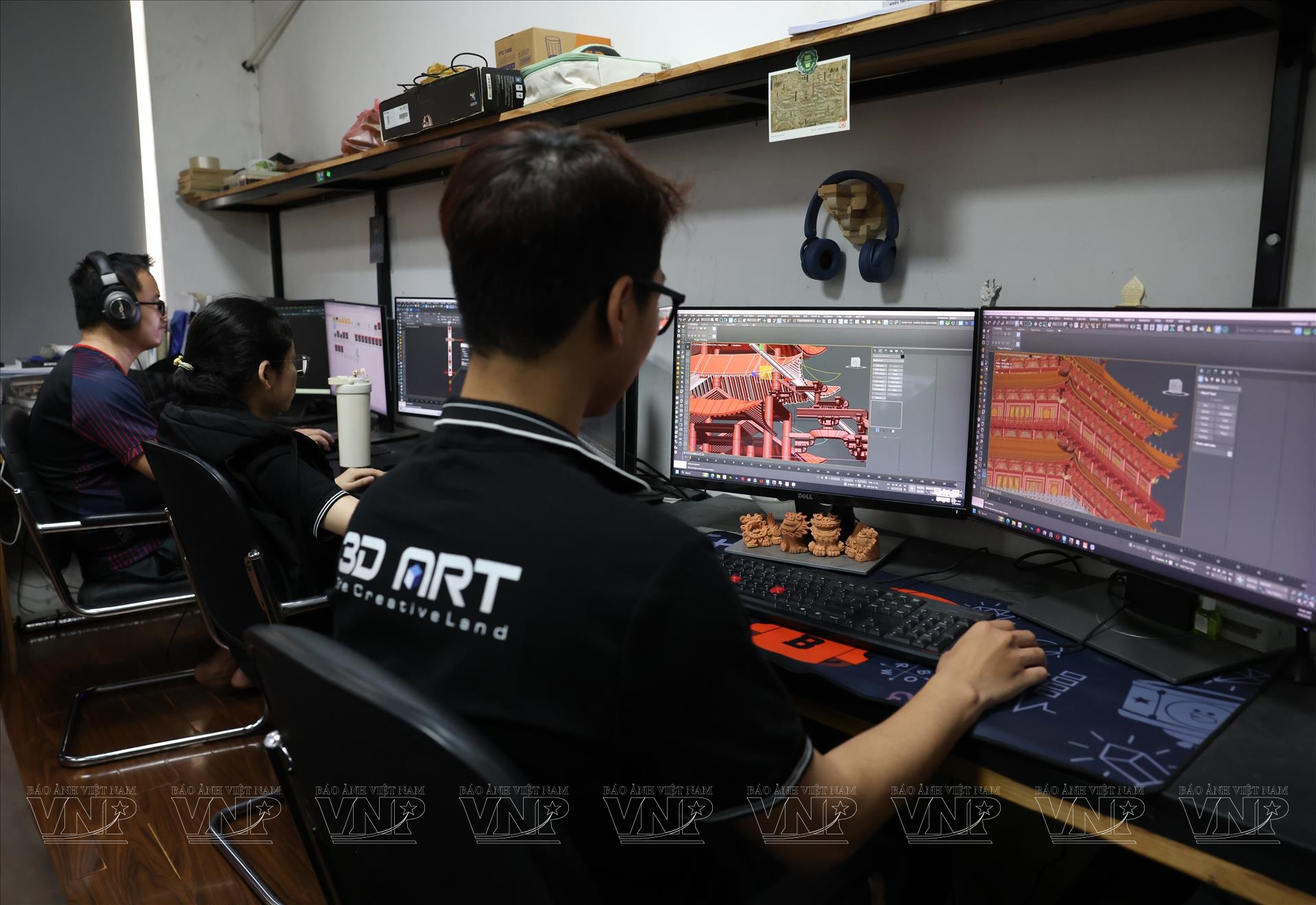
Businesses are also playing an important role. Vietnamese technology companies are using 3D applications to reconstruct historical places, from Hanoi’s Old Quarter to the Thang Long Imperial Citadel and other iconic sites. The development of standardized digital heritage databases not only supports preservation but also creates a foundation for content creation and cultural products in the digital environment.
In this new context, cultural heritage is no longer a record of the past, but a resource for the future as technology has become a bridge, connecting tradition with innovation and enabling Vietnamese culture to move beyond the limits of time and space. In doing so, Vietnam is opening new pathways for its culture industry, strengthening its soft power, and asserting a more confident presence on the global cultural map.
Story: Ngan Ha Photos: Cong Dat/VNP