Vietnam’s Private Sector - A Central Driver of the Country’s Development

Vietnam’s private sector is emerging as a central driver of the country’s development. As the institutional framework continues to open and digital transformation acts as a “new operating system,” Vietnamese enterprises are leveraging their internal strengths, shaping the future, and integrating more deeply into global value chains.
Driving Vietnamese Firms into Global Value Chains
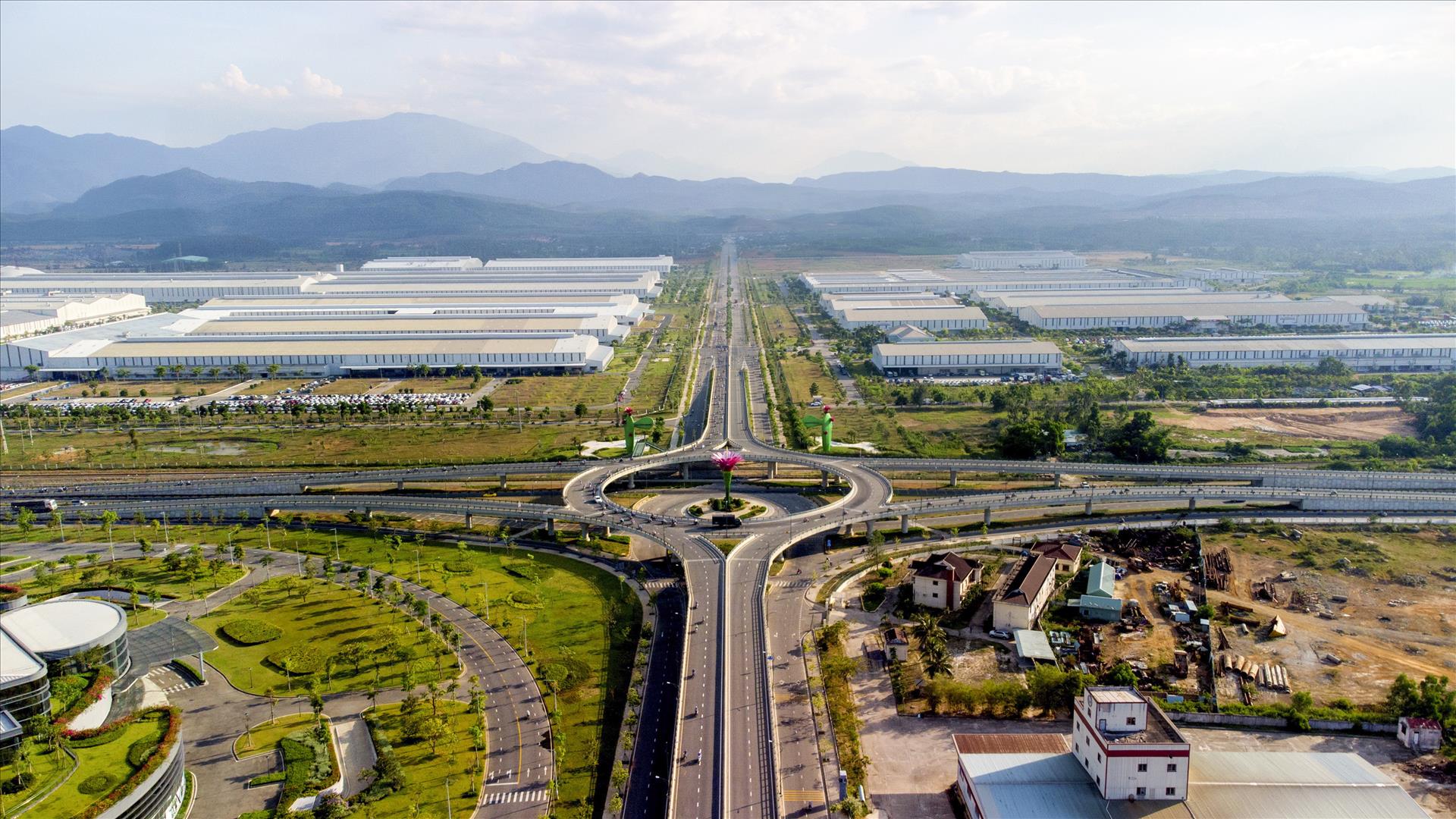
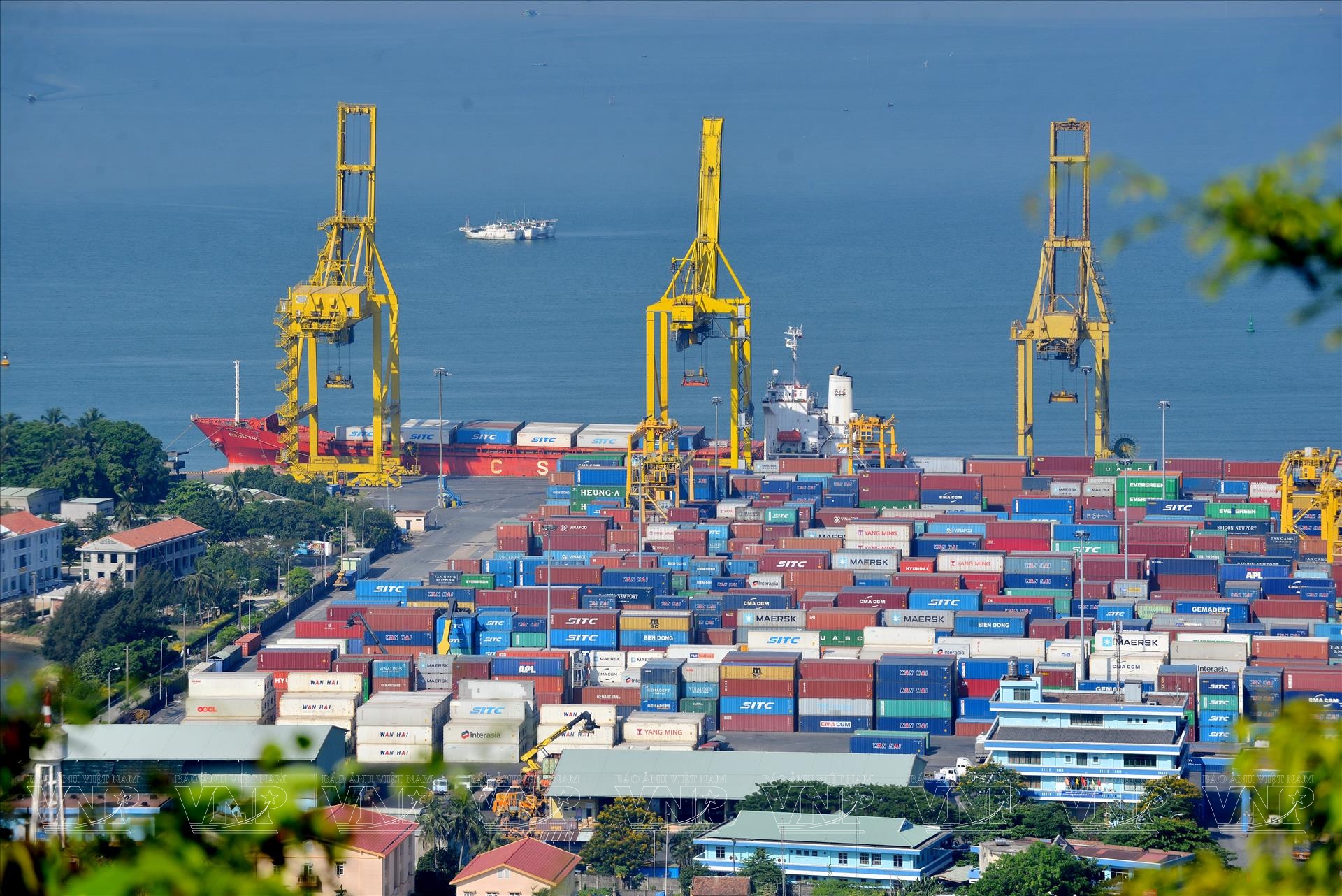
Along Vietnam’s once sun-scorched central coast, Chu Lai, now part of Da Nang, has emerged as a symbol of transformation. What was once a stretch of barren sand has evolved into a large-scale, multi-sector industrial ecosystem, where value chains are tightly integrated from manufacturing to logistics.
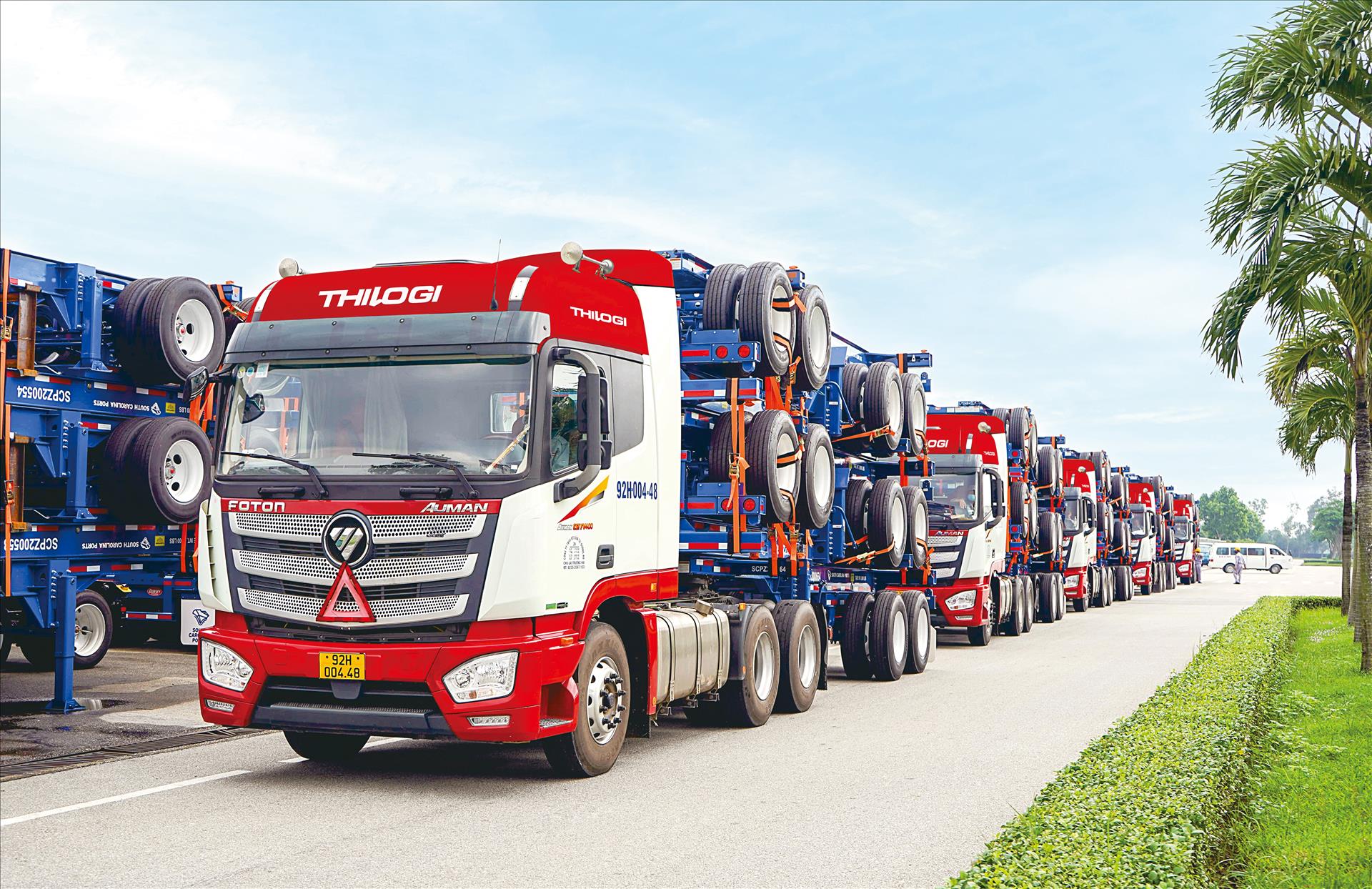
The story of THACO illustrates this transformation. From a former car assembler, it has grown into a diversified industrial group, steadily expanding into sectors once dominated by foreign-invested enterprises. Rather than pursuing short-term gains, the company has remained committed to a long-term, structured industrial strategy, gradually moving beyond traditional outsourcing.
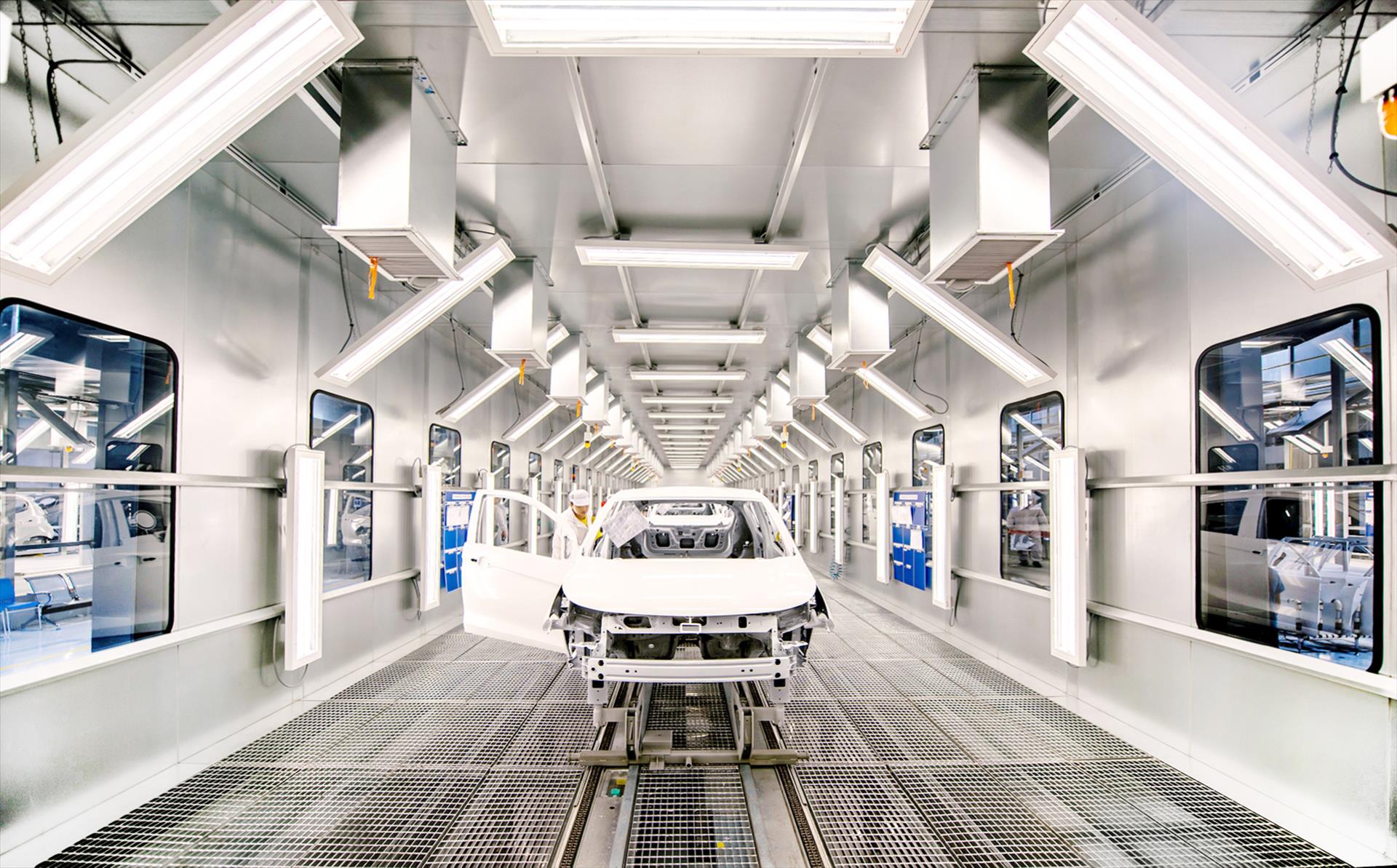
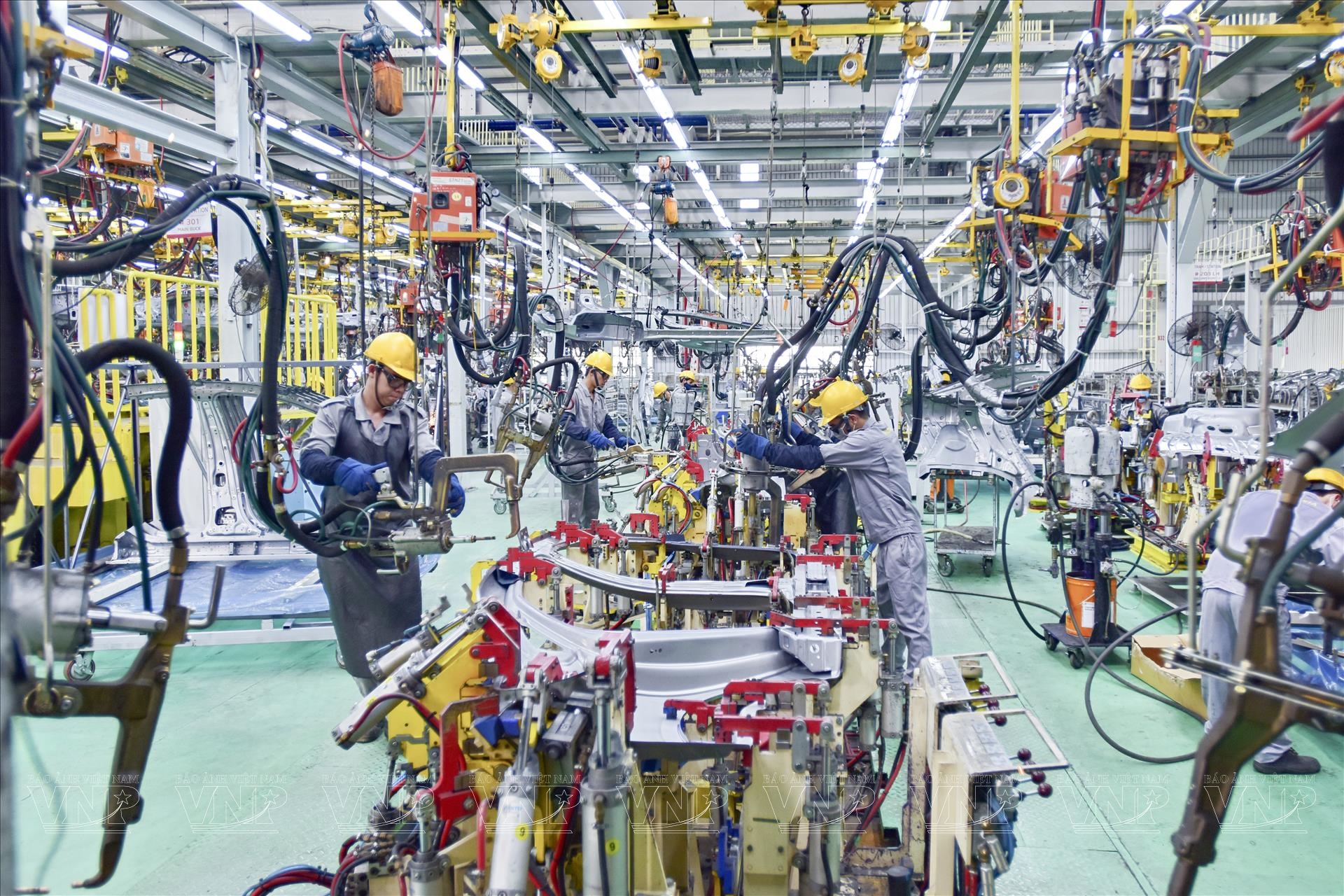
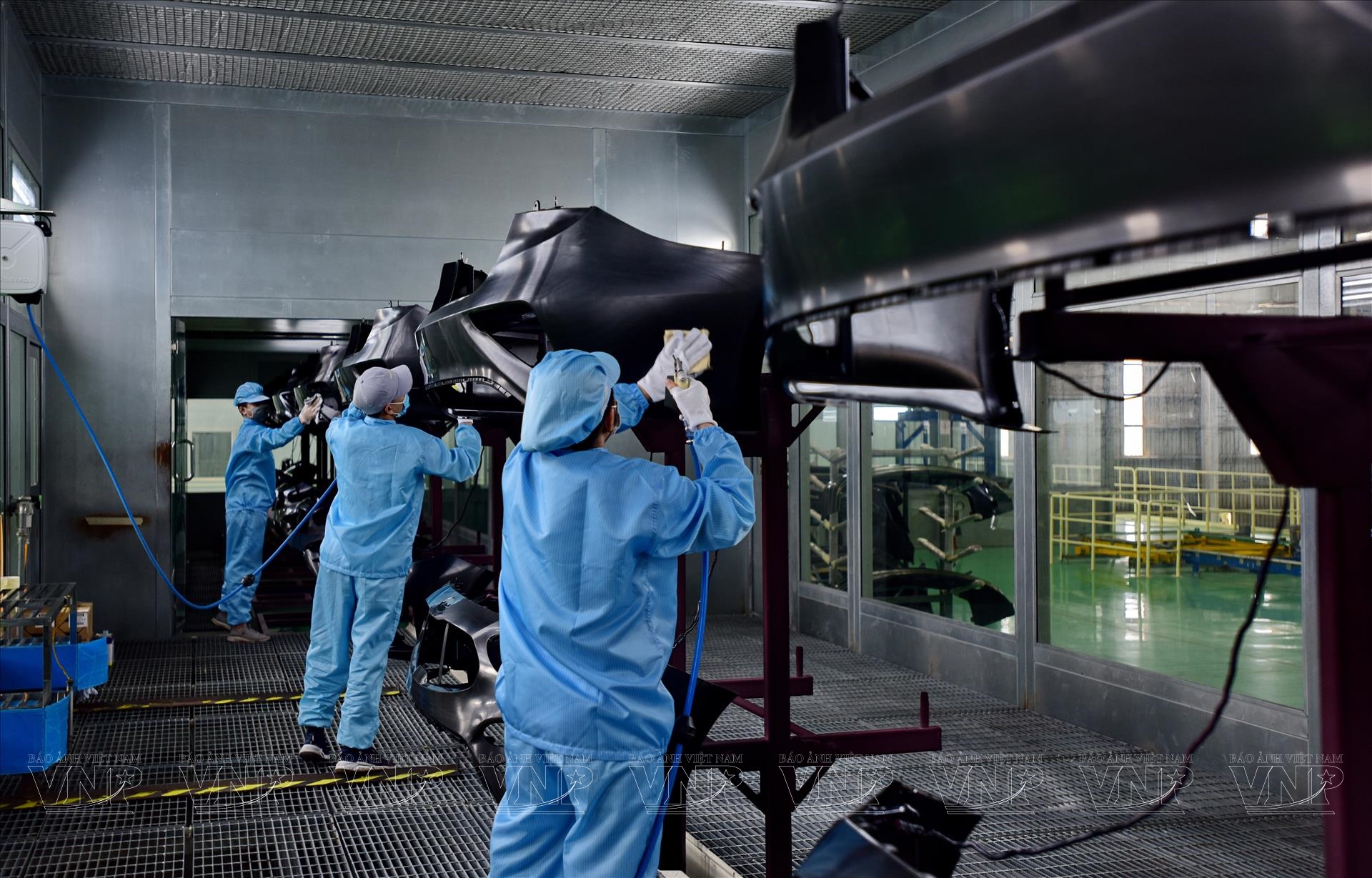
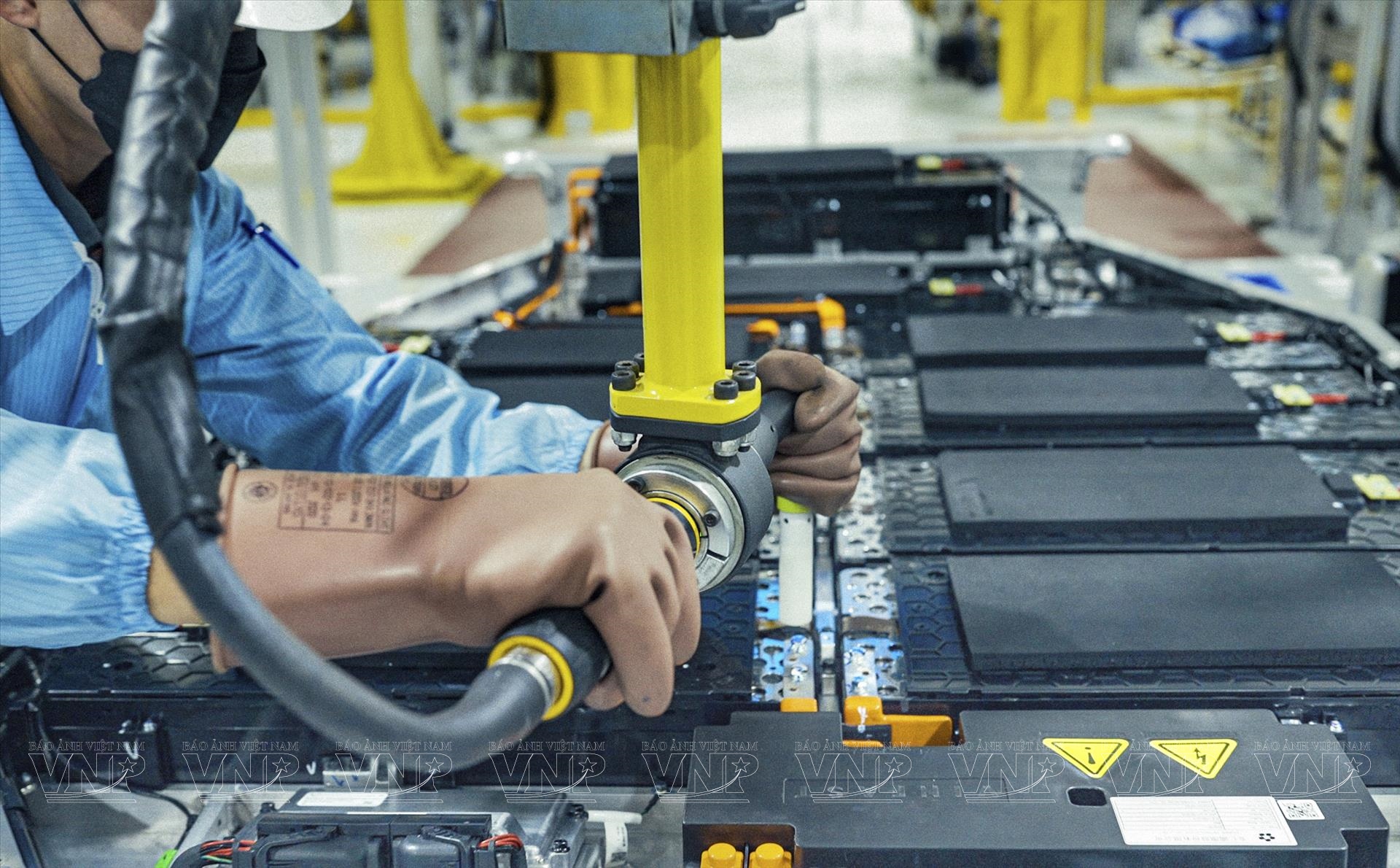
At the heart of this ecosystem is its research and development center in Chu Lai, which serves as the “brain” of operations, helping shorten time to market and ensure compatibility with global standards. Through sustained investment, THACO has built a large-scale ecosystem in mechanical engineering and supporting industries. Many of its products are now at localization rates of more than 40%, making them eligible for preferential tariffs within ASEAN.
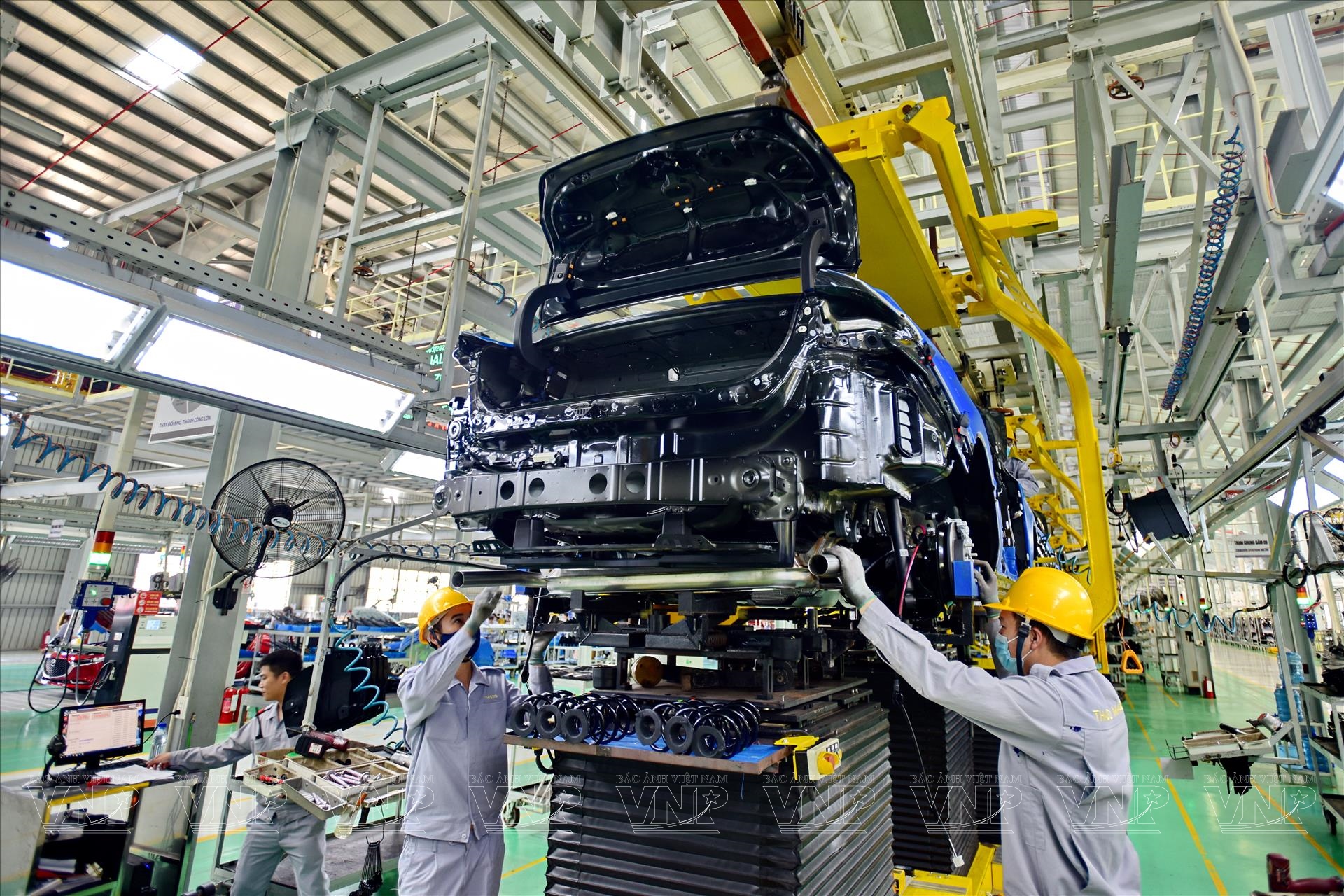
This foundation has enabled Vietnamese firms not only to compete domestically but also to enter demanding markets such as the US, Japan, and South Korea, marking a clear shift from contract manufacturing to production ownership.
Tran Ba Duong, chairman of THACO, said: “Industrial development is a difficult journey, but without it, Vietnam will remain a processing hub. We pursue it not only for profit, but to build an independent national industry”. His statement reflects both a business philosophy and the broader industrial aspirations of Vietnam’s private sector.
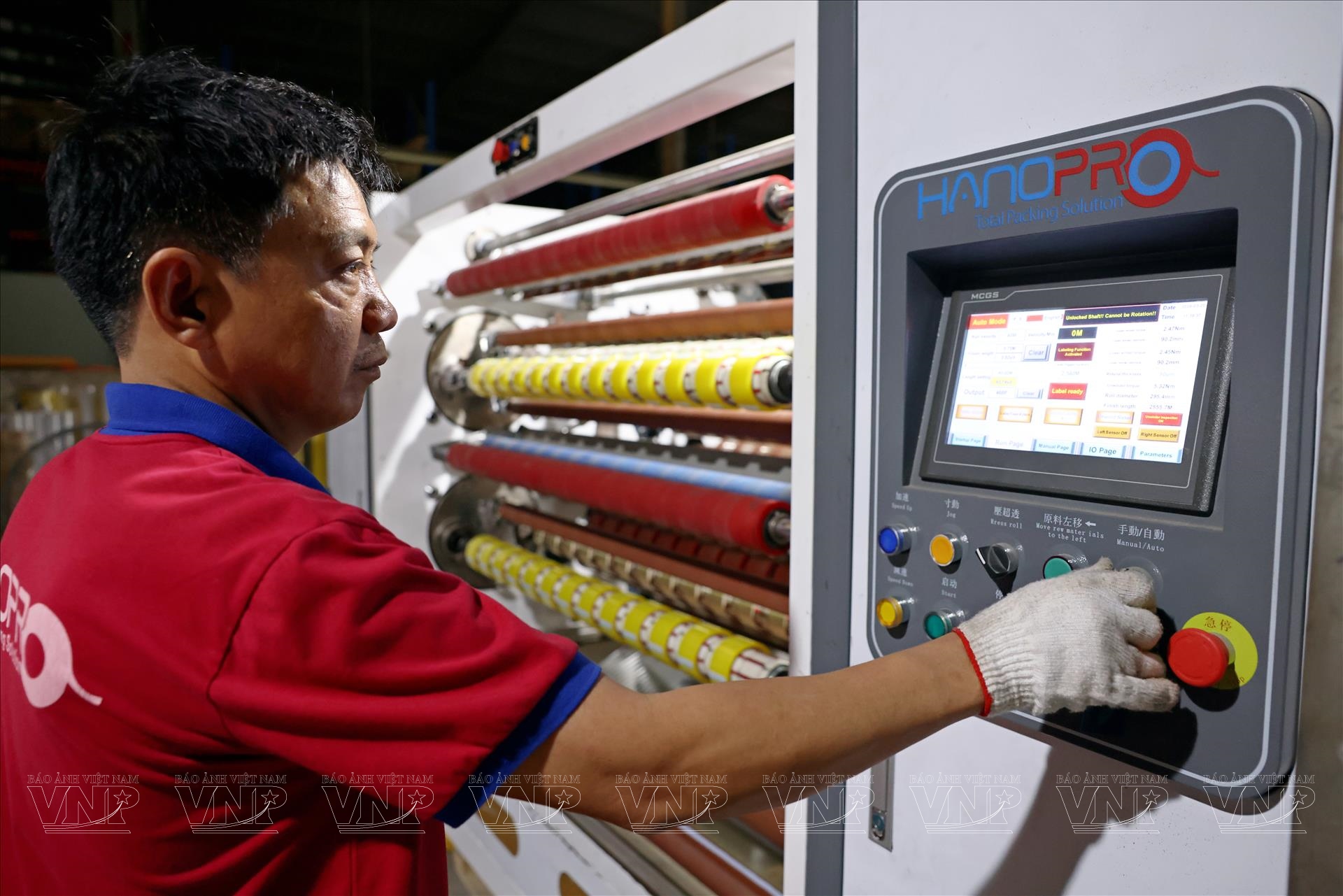
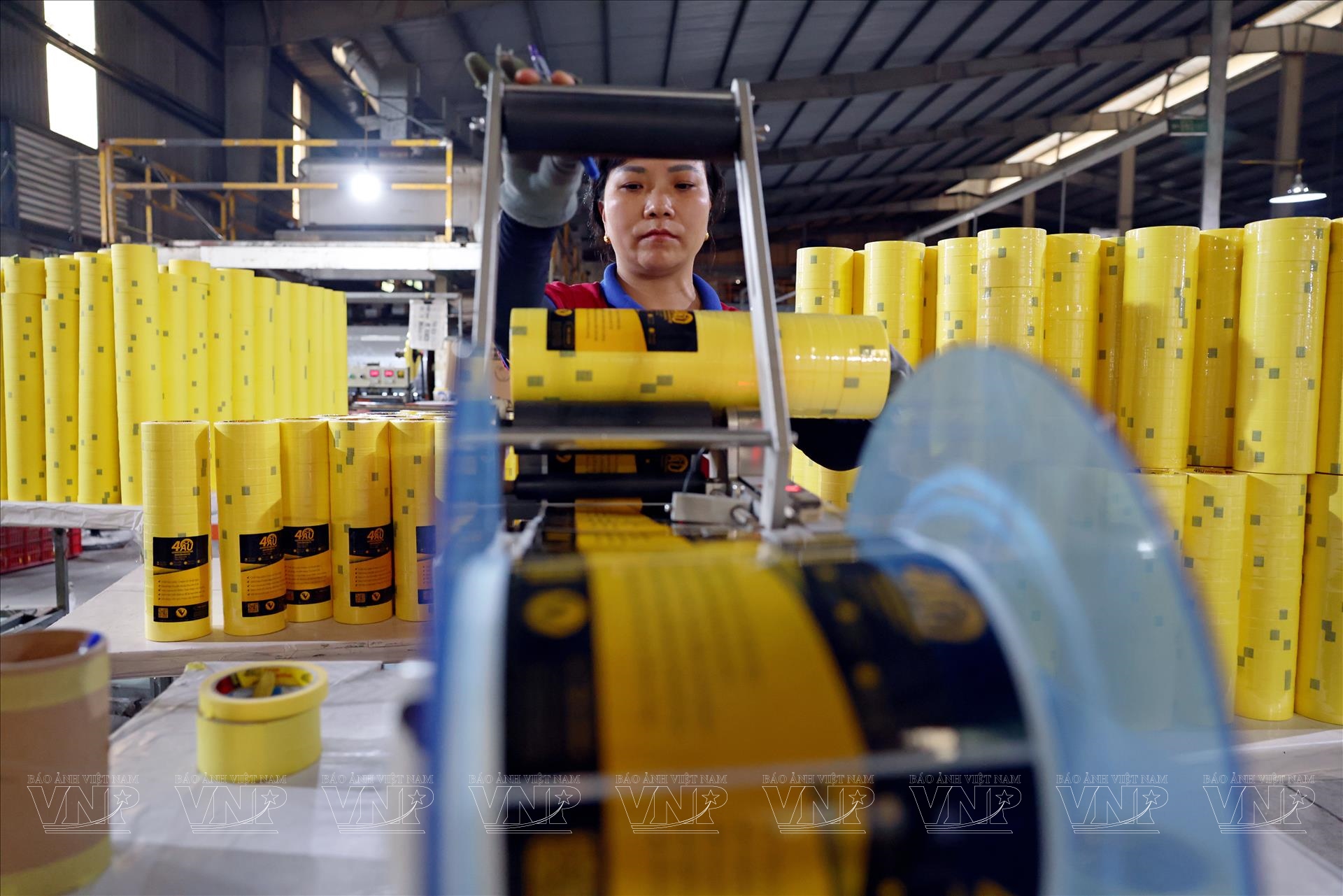
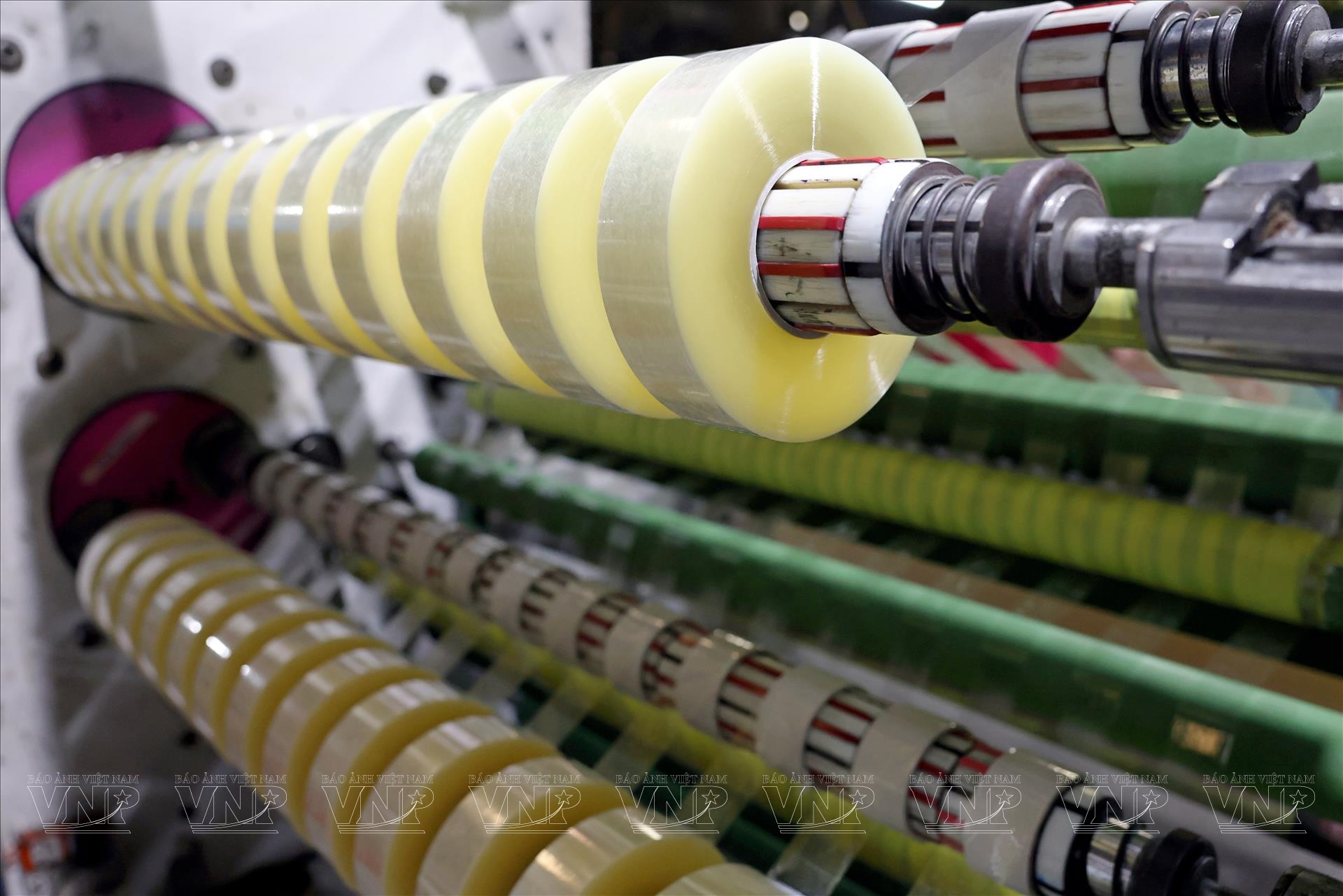
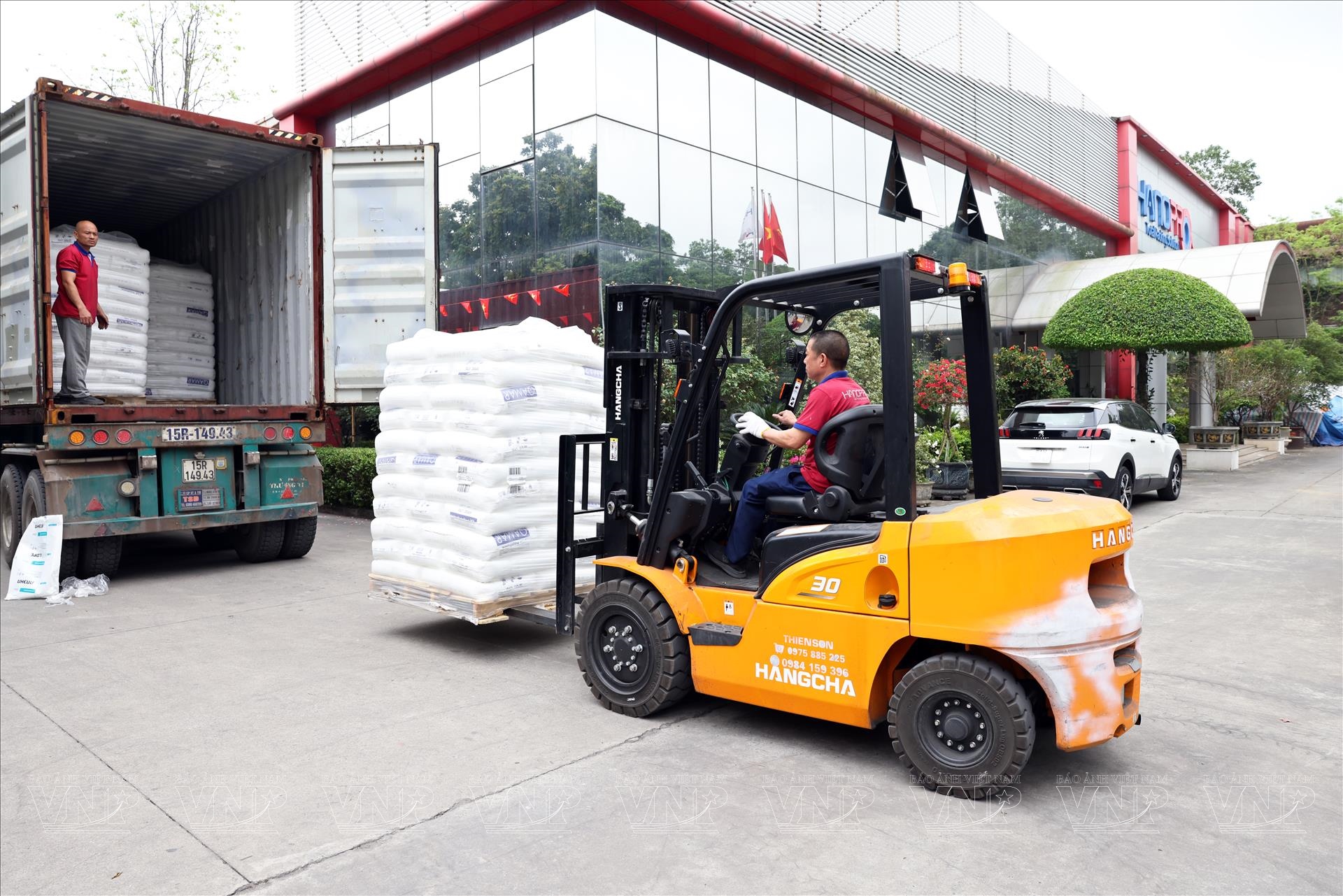
Along with these leading corporations is a network of small and medium-sized enterprises - the “lifeblood” of the economy. Companies such as Hanopro have carved out niche strategies, upgrading seemingly simple products like adhesive tape and PE film to meet stringent international standards.
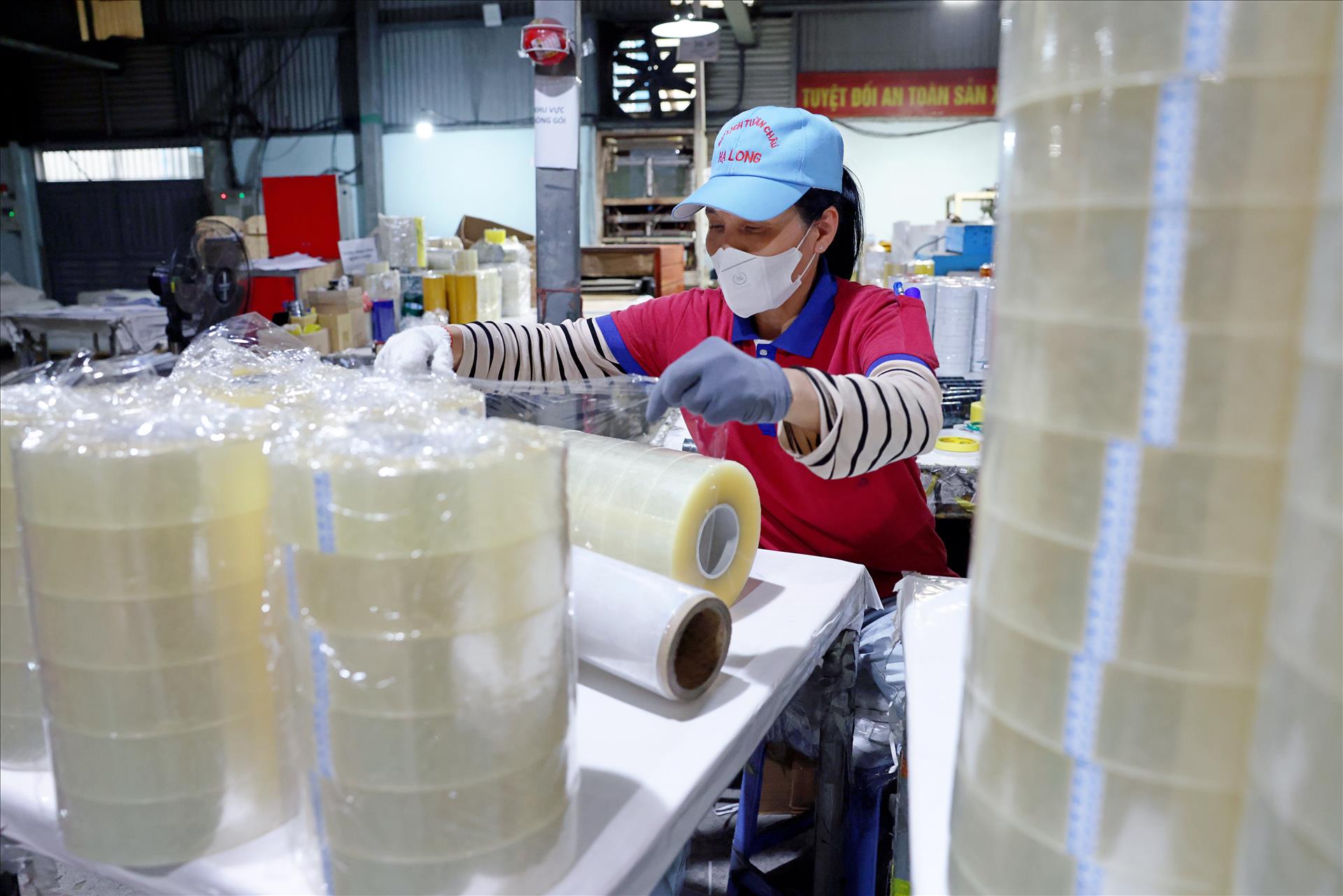
The presence of “Made in Vietnam” products in dozens of countries signals a new approach: adding value through global standards, even in the smallest details.
Institutions Pave the Way as Digital Transformation Takes the Lead
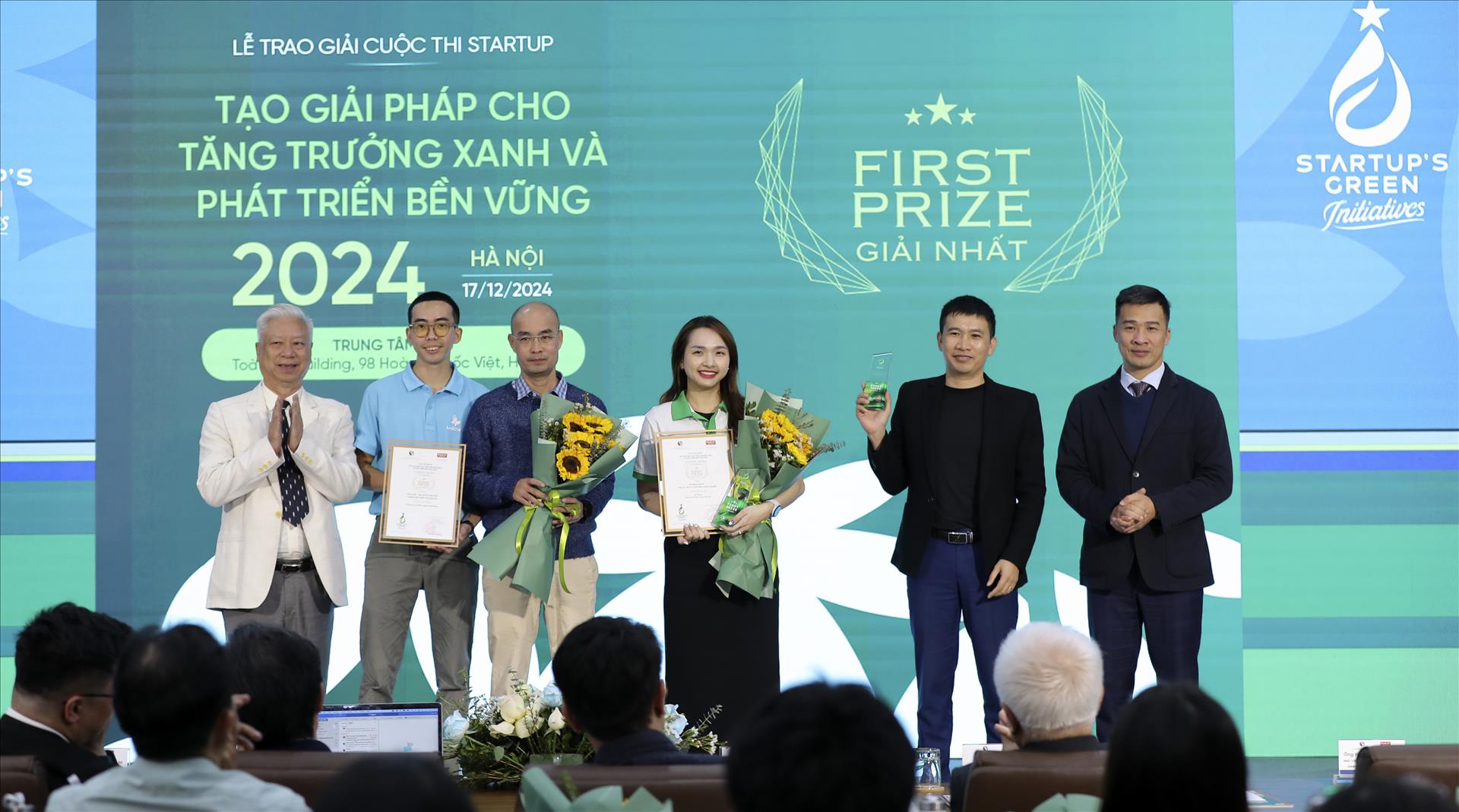
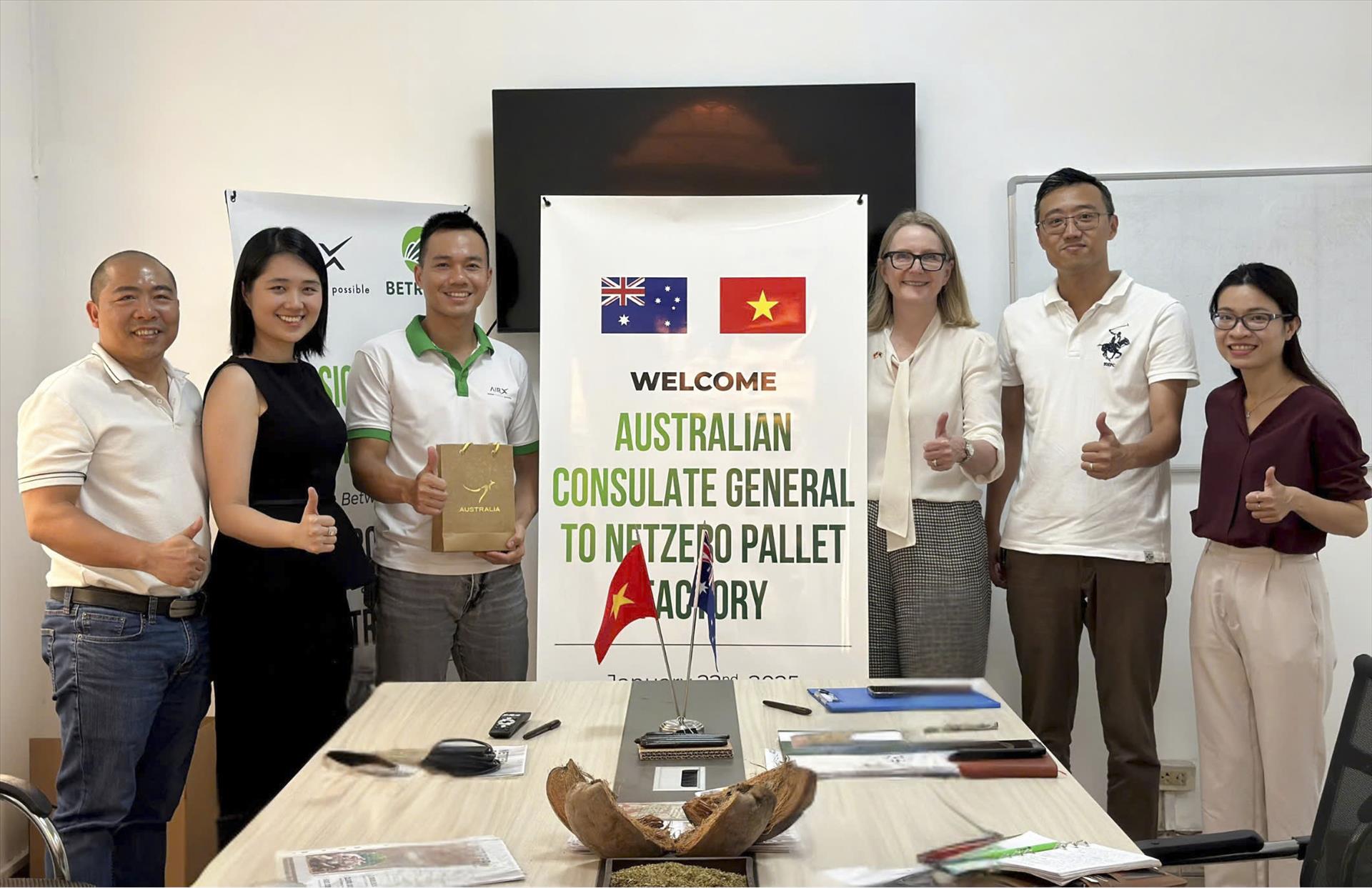
If traditional industries demonstrate resilience, innovative startups are opening new pathways for Vietnam’s economy. AirXCarbon stands out as a prime example of green innovation. Using coffee waste, the company produces biodegradable, carbon-neutral composite materials that meet increasingly stringent global standards.



Le Thanh, founder of AirXCarbon, said, “Green innovation is the fastest way for Vietnam to lead trends rather than follow them”. From a concept rooted in local resources, the company is steadily positioning itself within global value chains through sustainability.
In another direction, Vbee AI represents the rise of homegrown technology. Its mastery of text-to-speech, particularly for Vietnamese and other local languages, signals that Vietnamese firms are no longer just adopters, but developers of core technologies essential for long-term competitiveness.
Together, these models reflect a broader shift: Vietnam’s private sector is moving from manufacturing to innovation, from participation to gradually leading in emerging fields.
According to assessments by organizations such as the World Bank and the International Monetary Fund, Resolution No. 68 has provided a significant boost to the business environment. Economist Tran Thi Anh Nguyet noted that its timing is critical, preparing Vietnam for a strong transition into the digital and green economy era.


However, the growth momentum of this new phase lies not only in institutional reform but also in digital transformation, which is increasingly functioning as the economy’s “operating system”. It enables businesses to optimize production, connect with markets, and integrate more deeply into global value chains.
From an institutional perspective, Resolution No. 68 plays a foundational role, building trust and fostering a transparent environment for business growth. Economist Bui Kien Thanh emphasized that the resolution taps into the economy’s “core energy”. Vietnam’s domestic resources, he noted, are vast but have long been constrained by psychological and institutional barriers.
When confidence is strengthened, entrepreneurs are more willing to invest and innovate. The state’s role, he argued, is not to replace businesses but to build trust, a form of capital with greater impact than any financial incentive.
This view is echoed by international investors and law firms, which have highlighted the improved transparency and legal certainty brought by Resolution No.68. As psychological barriers are removed, private enterprises are better positioned to pursue long-term, large-scale projects.
In the broader picture, institutional reform and digital transformation are emerging as two complementary pillars: one paving the way, the other guiding the direction. Together, they are shaping a new phase of Vietnam’s economic development.
From industrial complexes in Chu Lai to tech startups and green enterprises, a dynamic Vietnam is taking shape, one that is not only growing rapidly but also advancing toward innovation, sustainability, and deeper global integration. As internal strengths are unlocked and powered by digital platforms, the vision of a prosperous Vietnam by 2045 is closer than ever.
Story: Hoang Tue Nhi
Photos: Cong Dat/VNP & Files
Translated by Nguyen Tuoi