Viet Nam and Japan Set to Deepen Strategic Partnership
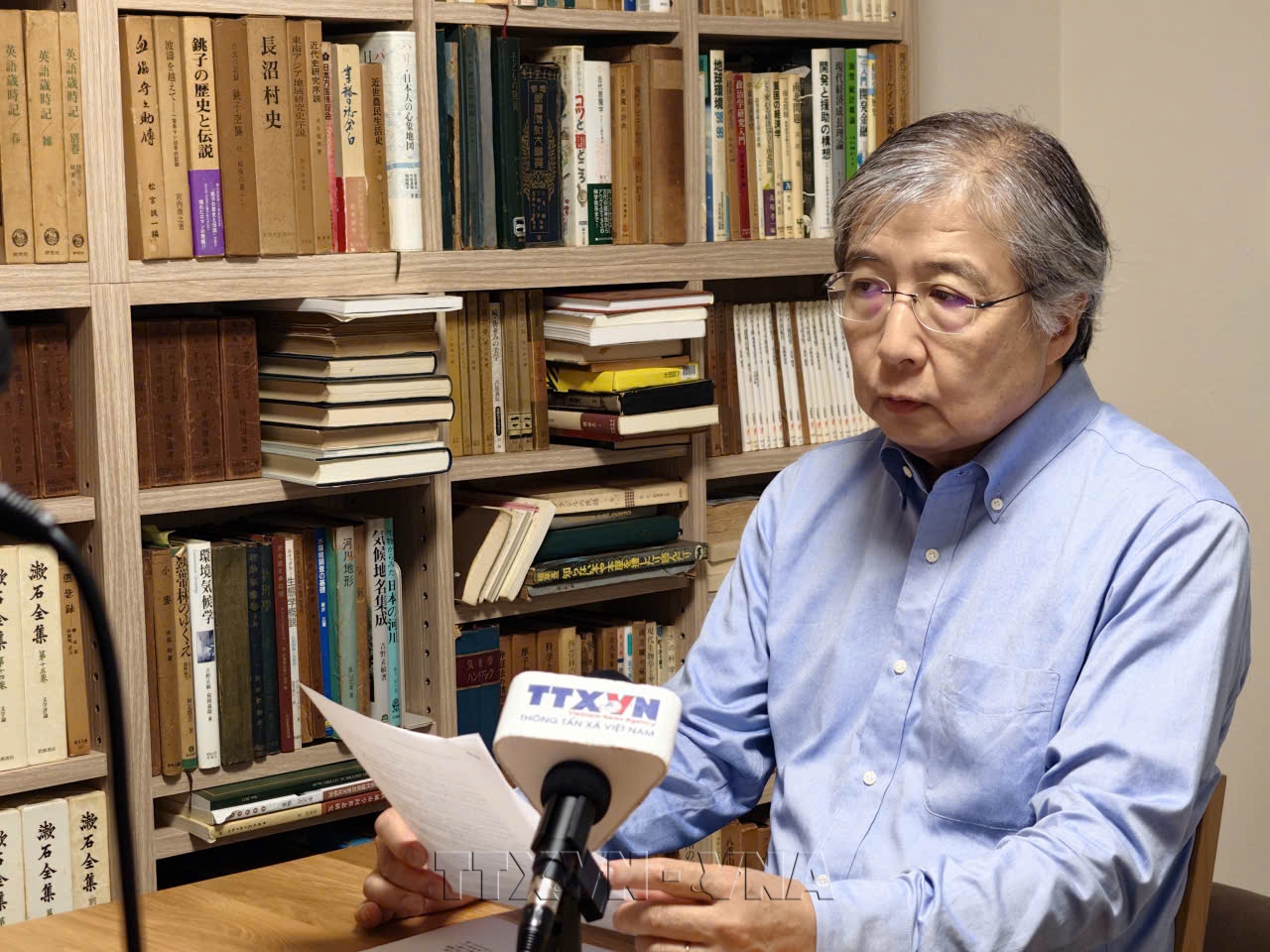
On the occasion of General Secretary and President To Lam's visit to Japan, the Vietnam News Agency interviewed Toshiro Nishizawa, Senior Fellow at the Strategic Communications Education and Research Unit, Graduate School of Public Policy, the University of Tokyo.
Reporter: What strategic priorities in the foreign policies of Viet Nam and Japan are reflected in General Secretary and State President To Lam’s visit to Japan at this time?
Toshiro Nishizawa:This visit really reflects the strategic priorities of both Viet Nam and Japan. For Japan, the key objective is to advance economic security with Vietnam in a concrete, practical way, as Viet Nam is one of its most trusted partners. Japan is shifting toward a model in which the public and private sectors share risks in areas like energy security and critical minerals, and Vietnam is an ideal partner for that. For Viet Nam, the visit fits into a broader strategy of diversifying its substantive partnerships, especially as it prepares to chair APEC next year. Viet Nam has been strengthening ties with Japan while maintaining stable relations with China, and that balanced, autonomous approach has been a consistent feature of its diplomacy.
The timing of the visit is also very deliberate. By coming just before APEC and the ASEAN-related meetings, both countries can highlight their bilateral cooperation within broader regional discussions on supply chains, energy transition, and non-traditional security. Japan wants to showcase its support for the Nghi Son refinery and cooperation on critical minerals as part of its economic security model. Viet Nam, meanwhile, wants to attract high-quality Japanese investment and technology, while demonstrating that its diversification strategy is stable and non-confrontational.
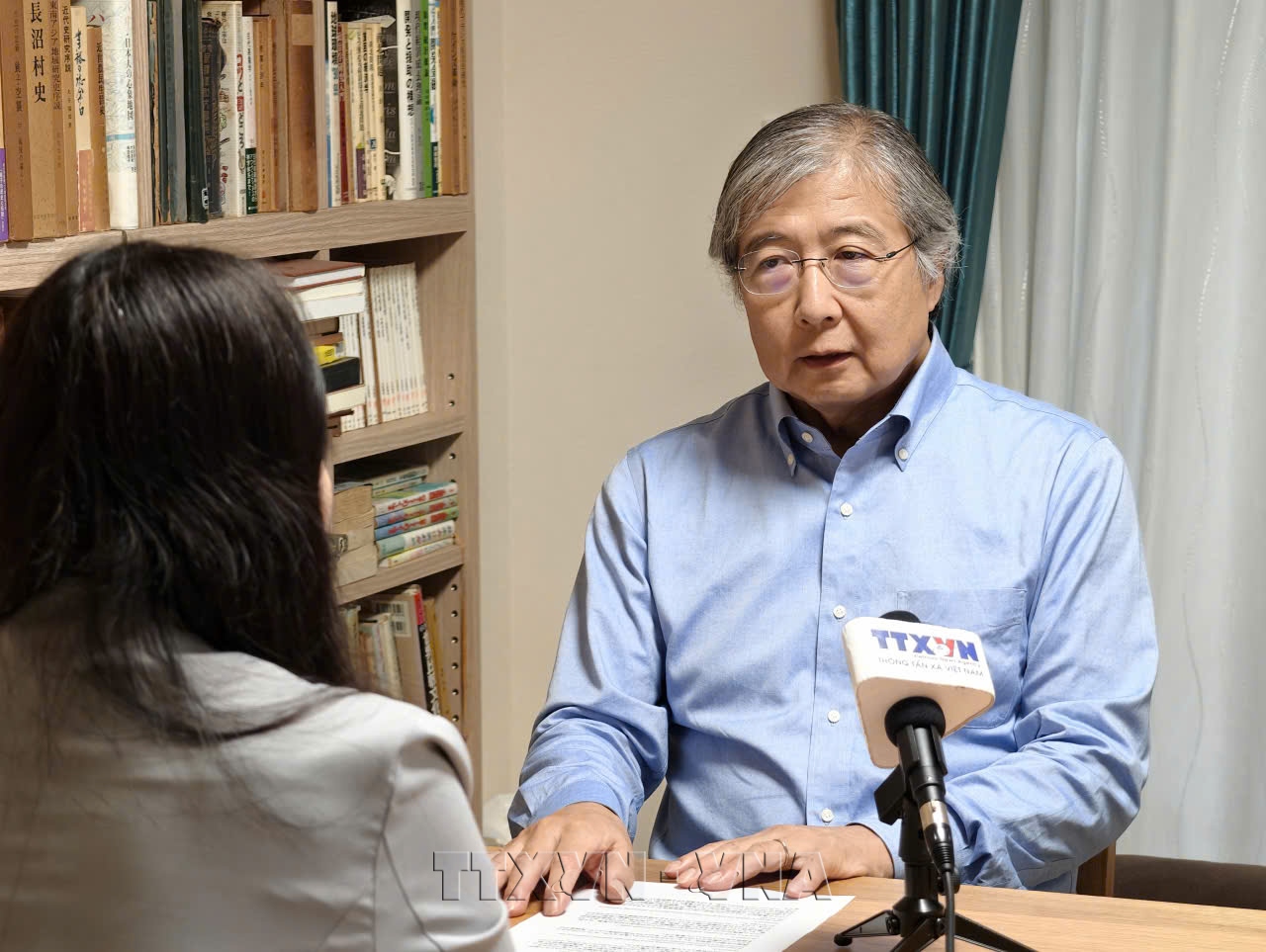
Reporter: How has the development of Viet Nam-Japan relations in recent years laid the groundwork for General Secretary and President To Lam’s visit?
Toshiro Nishizawa:Over the past several years, Viet Nam-Japan relations have advanced significantly, and that progress laid the foundation for this visit. Under the Kishida administration, the two countries elevated their ties to a “Comprehensive Strategic Partnership.” That opened the door to cooperation in economic security, semiconductors, rare earths, energy transition, maritime security, and more sophisticated ODA. The Ishiba administration has continued this approach, focusing on Vietnam’s industrial upgrading, strengthening supply chain resilience, and expanding cooperation in digital and scientific fields. Frequent dialogue at the leadership level has deepened mutual trust. Today, the political, economic, and security frameworks between the two countries are already mature. So, this visit is not a one-off event; it fits into a long-term partnership that both sides are committed to developing.
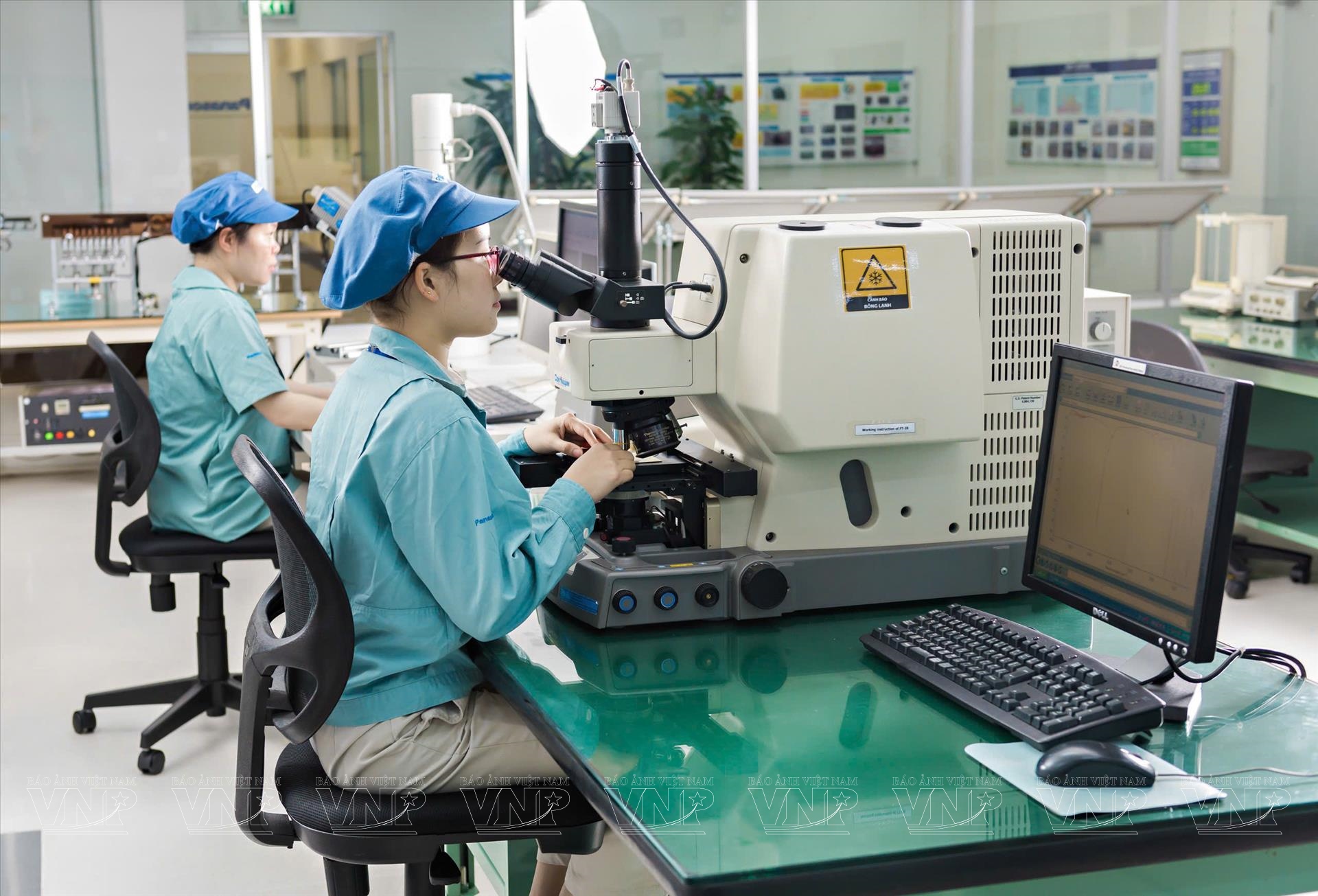
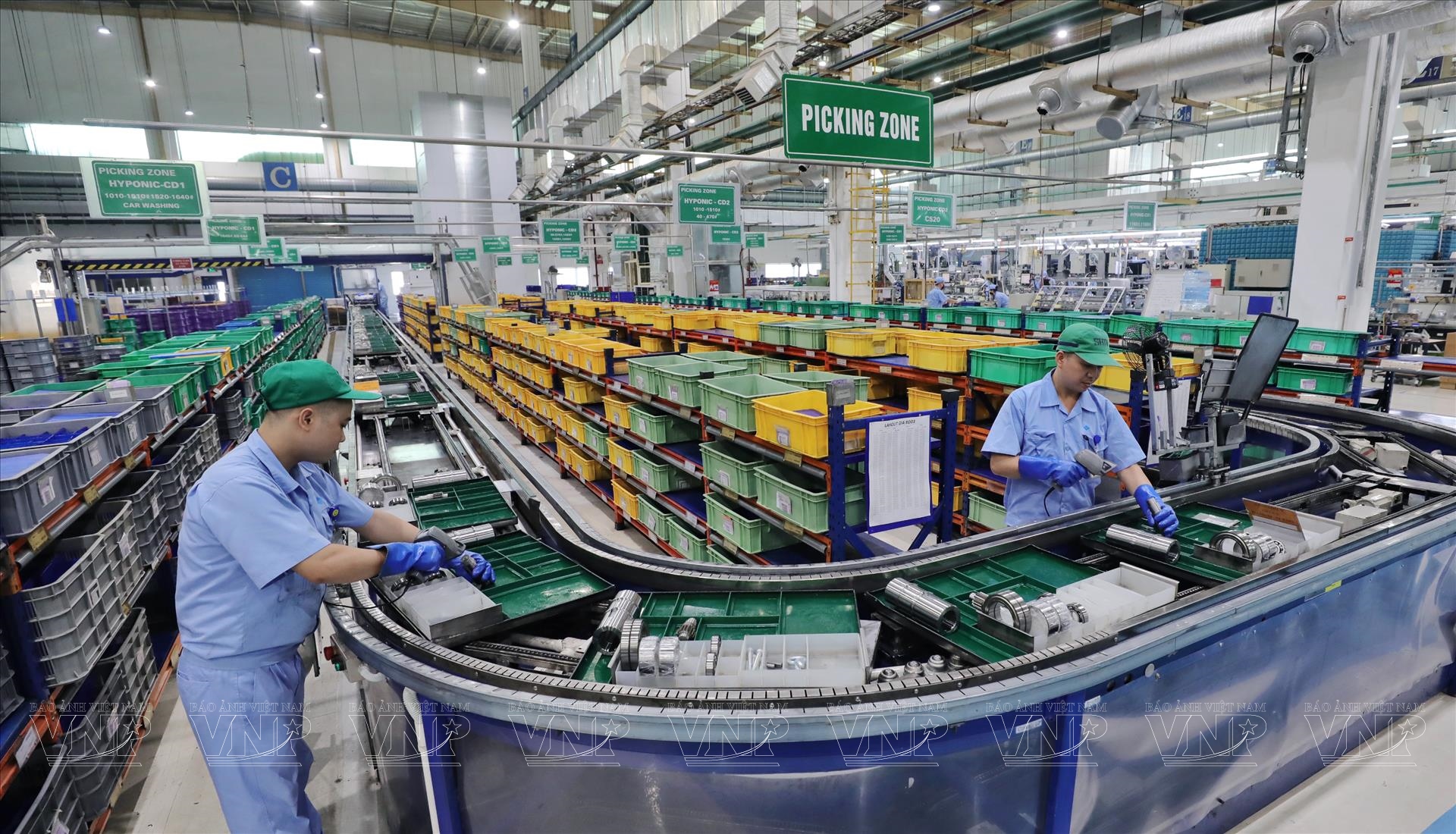
Reporter: Among emerging areas of cooperation - such as digital transformation, green transition, advanced technology, semiconductors, and the development of highly skilled human resources - which has the greatest potential to become a new driver of growth in Viet Nam-Japan relations following this visit, and why?
Toshiro Nishizawa:All the new areas of cooperation - digitalization, green transition, advanced technologies, semiconductors, and high-level human resource development - are interconnected. But if I had to choose one area with the greatest potential to drive the relationship forward, I would say advanced technologies. In the green transition, the foundations are already in place. Frameworks like AZEC and the JCM are functioning, and Viet Nam’s push toward net-zero creates demand for Japan’s high-efficiency equipment and grid technologies. There is also potential to expand projects on ammonia, biomass, hydrogen, and circular economy across ASEAN. Semiconductors and digitalization also hold strong promise. Japan has strengths in advanced technologies and regulatory systems, while Viet Nam has rapidly growing design centers and digital talent. Semiconductor cooperation could progress at the operational level - joint design, packaging and testing, materials production, and long-term engineer training. Digitalization could accelerate in areas like engineering services and industrial digital transformation. Of course, challenges remain, including project fragmentation and shortages of highly skilled engineers. But if both governments commit to long-term roadmaps and joint flagship projects - while respecting private-sector initiatives - they can manage these challenges.
Reporter:How could this visit help Viet Nam and Japan strengthen coordination in regional and international forums, enabling them to contribute more actively to peace, stability, and sustainable development in the Asia-Pacific region?
Toshiro Nishizawa:I see this visit as an important step in strengthening the foundation for Japan and Viet Nam to contribute to peace, stability, and sustainable development in the Asia-Pacific through APEC, ASEAN-related meetings, and other international frameworks. Viet Nam continues to pursue a diplomacy that prioritizes regional stability while seeking a broader and more comprehensive partnership with Japan, and Japan is well positioned to meet that expectation. Looking ahead, I hope our cooperation will deepen not only bilaterally but also through regional and international mechanisms, so our “Comprehensive Strategic Partnership for Peace and Prosperity in Asia and the World” can translate into even more concrete forms of collaboration.
By Nguyen Tuyen – Bui Ha – Xuan Giao/VNA