Unlocking Resources to Empower the Private Sector
According to Assoc. Prof. Dr. Tran Dinh Thien, to help the Vietnamese economy achieve a breakthrough in the future, the most critical task is to dismantle institutional "bottlenecks" and release suppressed resources.
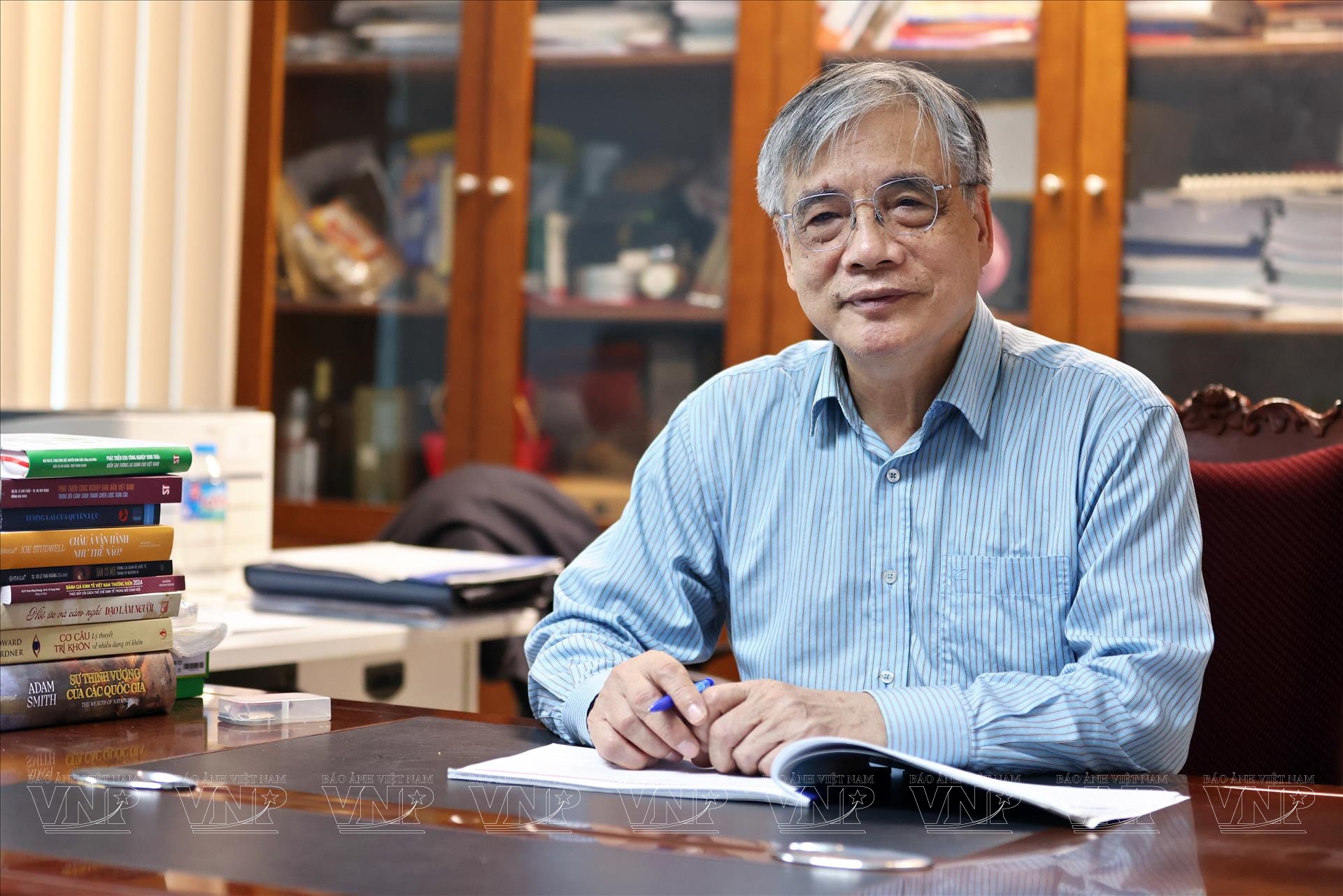
In the following conversation, he shares his insights on the role of the private sector, the strategy of "leveraging" global strength to bolster internal capacity, and the ambition to cultivate Vietnamese enterprises capable of leading the economy in global competition.
Reporter: You often emphasize the need to "clear the arteries" of economic resources. In your view, what is the most significant bottleneck today?
Assoc.Prof.Dr. Tran Dinh Thien: I believe there are three vital "arteries" that must be cleared, a concept I call the "Triple Flow". First is the input of production factors, such as raw materials and human resources. Second is the flow of capital, and third is the framework of mechanisms and policies. Among these three, institutions represent the "bottleneck of all bottlenecks". If institutional barriers are not removed, it will be extremely difficult to clear the other flows. The "breakthrough of breakthroughs" for Vietnam's economic development at this stage must be institutional reform.

Reporter: You once proposed that Vietnam needs to expand its development space into sectors like the digital economy or the maritime economy. Why is this so crucial?
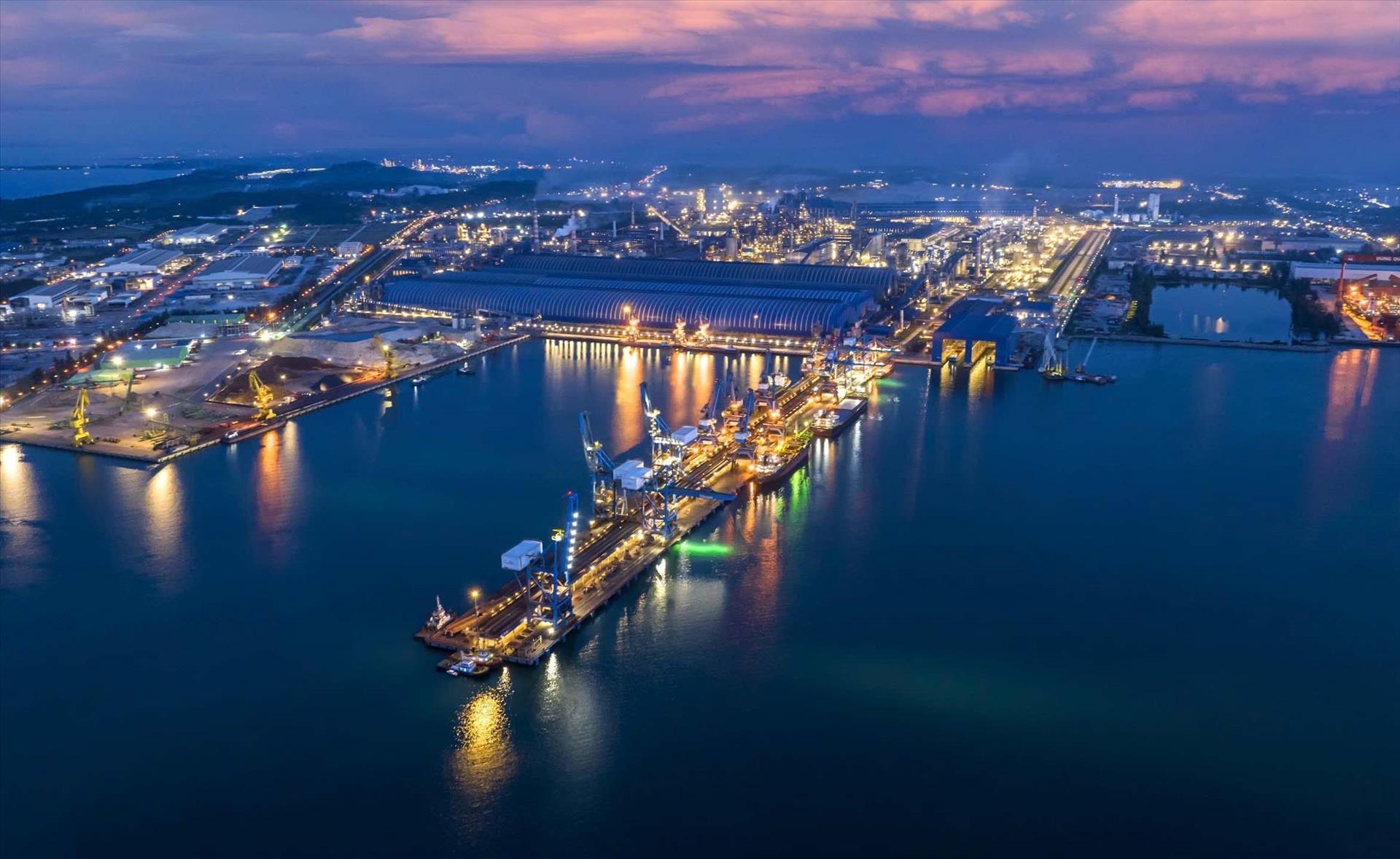
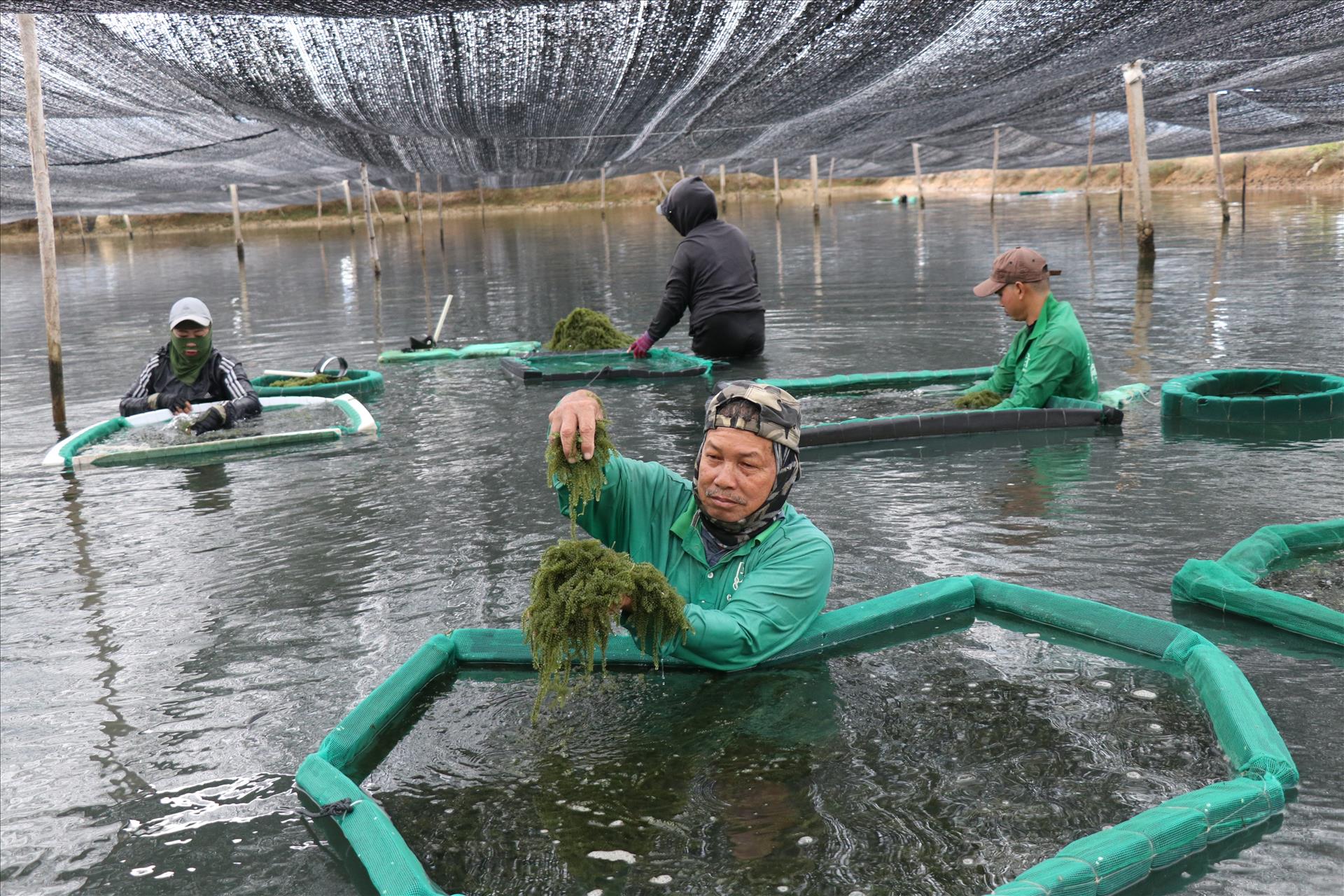
Assoc.Prof. Dr. Tran Dinh Thien: Vietnam has a geographical profile that I often describe as "tam son tu hai, nhat phan đien" (three parts mountains, four parts sea, and only one-part field). This means our land area for development is limited. If we focus solely on the "land based economy," our development space will become increasingly cramped, especially as the population grows and the economy expands. In the context of new technology and global integration, our development approach must evolve. Nations no longer compete just on land but across multiple dimensions. These spaces include a multi layered maritime economy, underground space, cultural space, digital space, and emerging fields like low-altitude aviation with UAVs and drones. Vietnam has begun to identify these "opportunity spaces," and the private sector is the key force to use them.
There are three vital "arteries" that must be cleared, a concept I call the "Triple Flow". First is the input of production factors, such as raw materials and human resources. Second is the flow of capital, and third is the framework of mechanisms and policies. Among these three, institutions represent the "bottleneck of all bottlenecks".
Reporter: You frequently mention the philosophy of "leveraging" global strength for development. As Vietnam participates in numerous free trade agreements (FTAs), what does this signify?
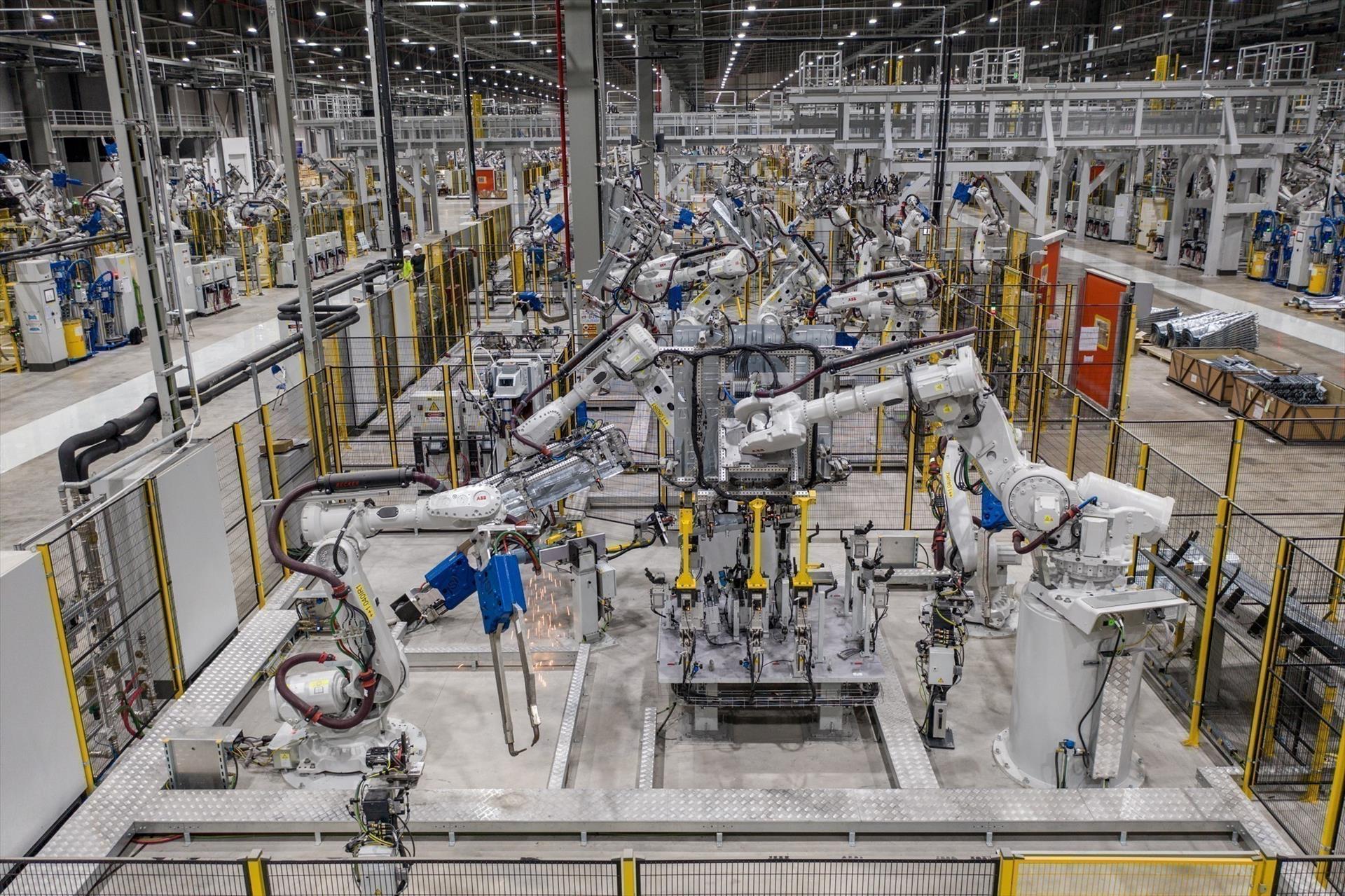
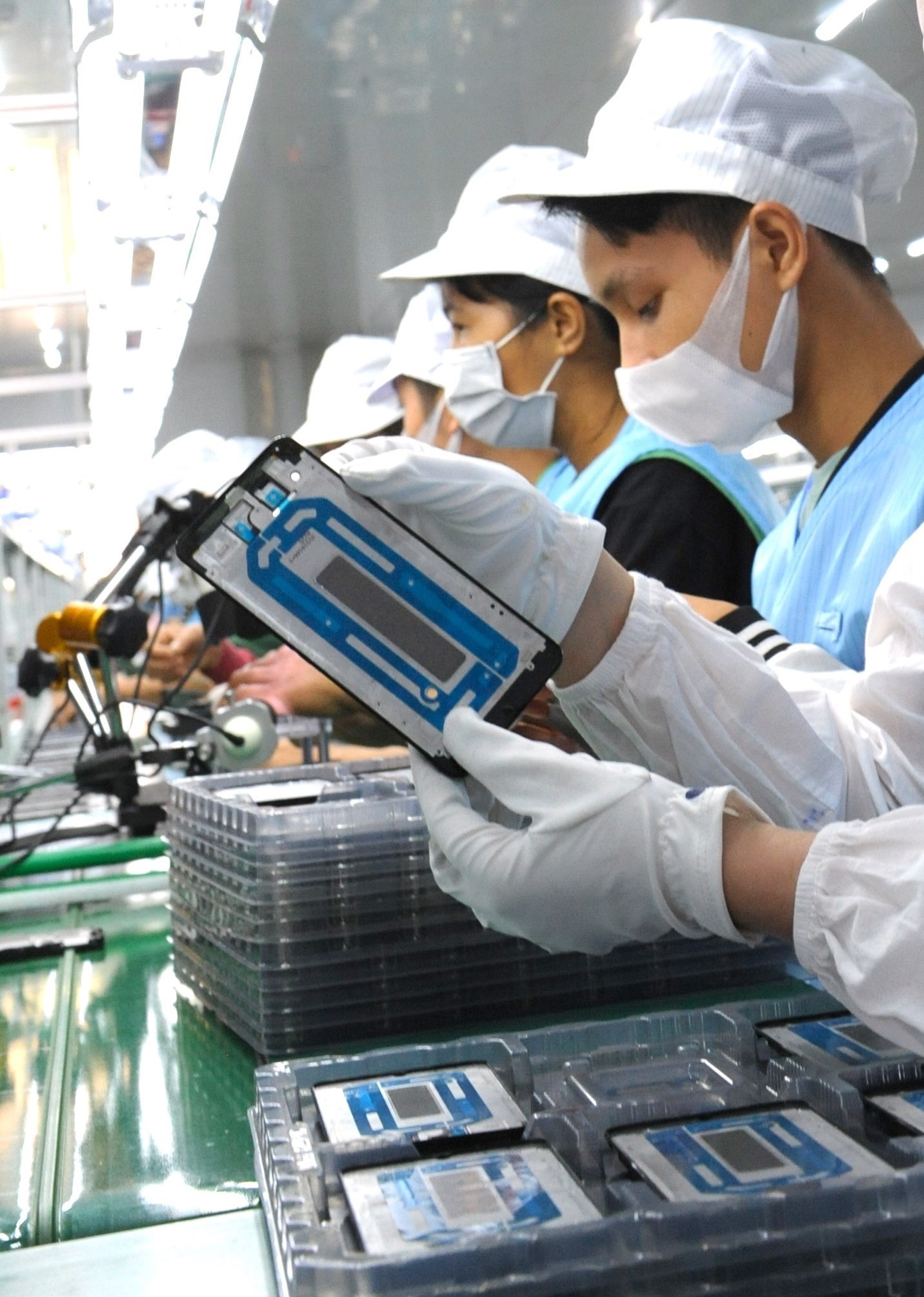
Assoc.Prof.Dr. Tran Dinh Thien: As a latecomer economy opening to a world of formidable competitors, Vietnam would have very few opportunities if it relied solely on internal strength. Opening provides us with access to markets, technology, capital, and advanced management expertise. The two primary drivers of this opening process are international trade and Foreign Direct Investment (FDI). Generally, Vietnam has performed well in attracting these resources. If we can "leverage" the strength of international partners to enhance the capacity of Vietnamese firms, it will create a very powerful synergy.
Reporter: You often use the imagery of "Eagles of Vietnamese Nationality". Why are these leading enterprises so vital to the economy?
Assoc.Prof.Dr. Tran Dinh Thien: A strong economy requires a "flock of Vietnamese birds" - a diverse corporate ecosystem. But within that flock, there must be leaders. For a long time, we focused heavily on the small and medium enterprise (SME) sector while not truly creating the conditions for large-scale enterprises to thrive. Yet, it is these leading forces that pull the entire economy upward.
Whether private or state-owned, any enterprise carrying a national mission needs the right environment to grow. I believe a strong sense of national spirit exists within Vietnamese businesses. The challenge is to build a mechanism that unleashes that spirit, allowing the formation of enterprises of sufficient stature to become the "eagles" leading the economy.
Reporter: How do you evaluate the issuance of Resolution No. 68 on private sector development?
Assoc.Prof. Dr. Tran Dinh Thien: It shows that the country has clearly recognized the urgency of the matter. The private sector has proven its vital role in national development. Amidst intensifying global competition and a shift toward high-tech sectors, granting space for innovation to the private sector is essential. The window of opportunity is open. The path ahead will certainly hold many challenges, but if we remain steadfast in this direction, I am confident the private sector will play a leading role and propel the Vietnamese economy further in the future.
Reporter: Thank you very much!
Story: Hoang Tue Nhi
Photos: Cong Dat/VNP & VNA
Translated by Hong Hanh