Toward an International Financial Center
A dynamic economic hub, Ho Chi Minh City is entering a new phase of development, aiming to become a leading international financial center in Southeast Asia. The establishment of the Vietnam International Financial Center in Ho Chi Minh City (VIFCHCMC) is expected to spur new growth where global capital, financial technology and innovation converge.
New Financial Space Along the Saigon River
As an economic engine, Ho Chi Minh City currently contributes about 22-23% of the country’s GDP and nearly 27% of total tax revenues. The city is home to most of Vietnam’s financial institutions, banks, securities firms and fintech companies.
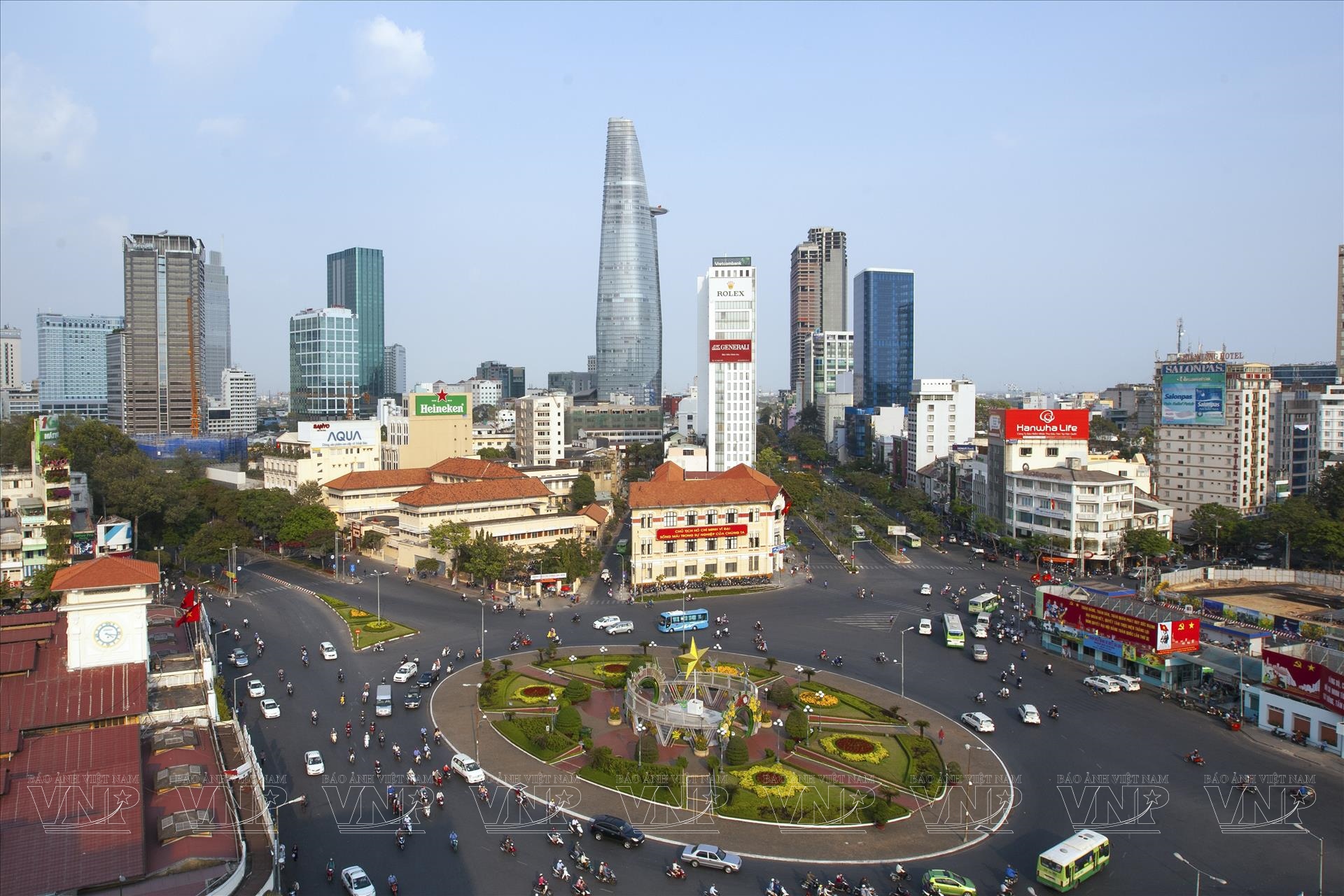
As international capital increasingly shifts to Asia and competition among financial centers intensifies, Ho Chi Minh City aims to not only maintain its role as Vietnam’s leading economic hub but also integrate deeper into the global financial network.
Viewed from above, downtown Ho Chi Minh City and the Thu Thiem New Urban Area create a development corridor along the Saigon River. High-rise buildings, new transport infrastructure, and Metro Line No. 1 linking Ben Thanh and Suoi Tien are shaping an urban center advancing toward international standards.
From 2025 to 2026, the VIFC-HCMC project entered an important phase when the legal grounds for the projects have been completed through the adoption of new government policies. The center is envisioned as an advanced financial ecosystem connecting the downtown with Thu Thiem and the corridor along the Saigon River.
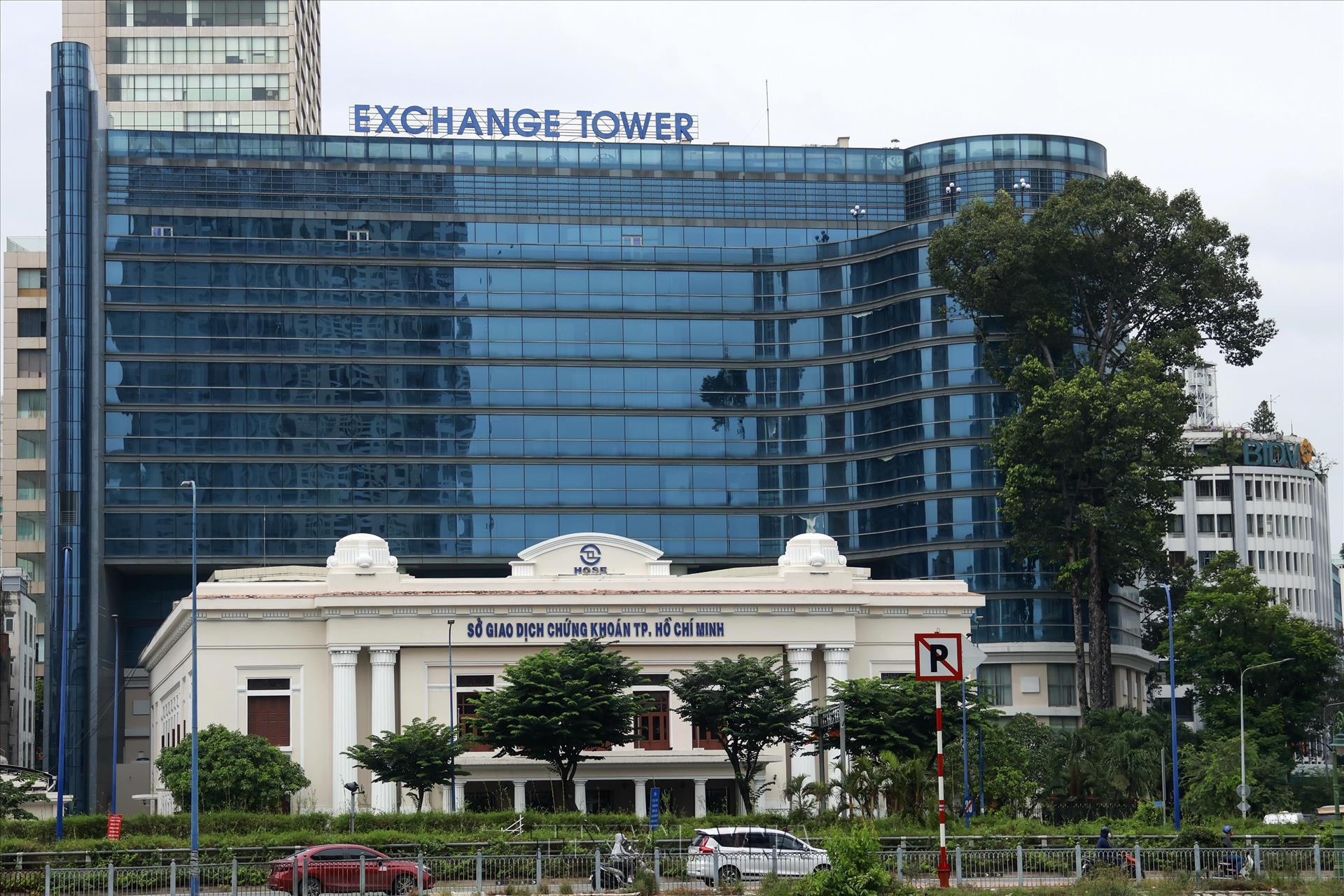
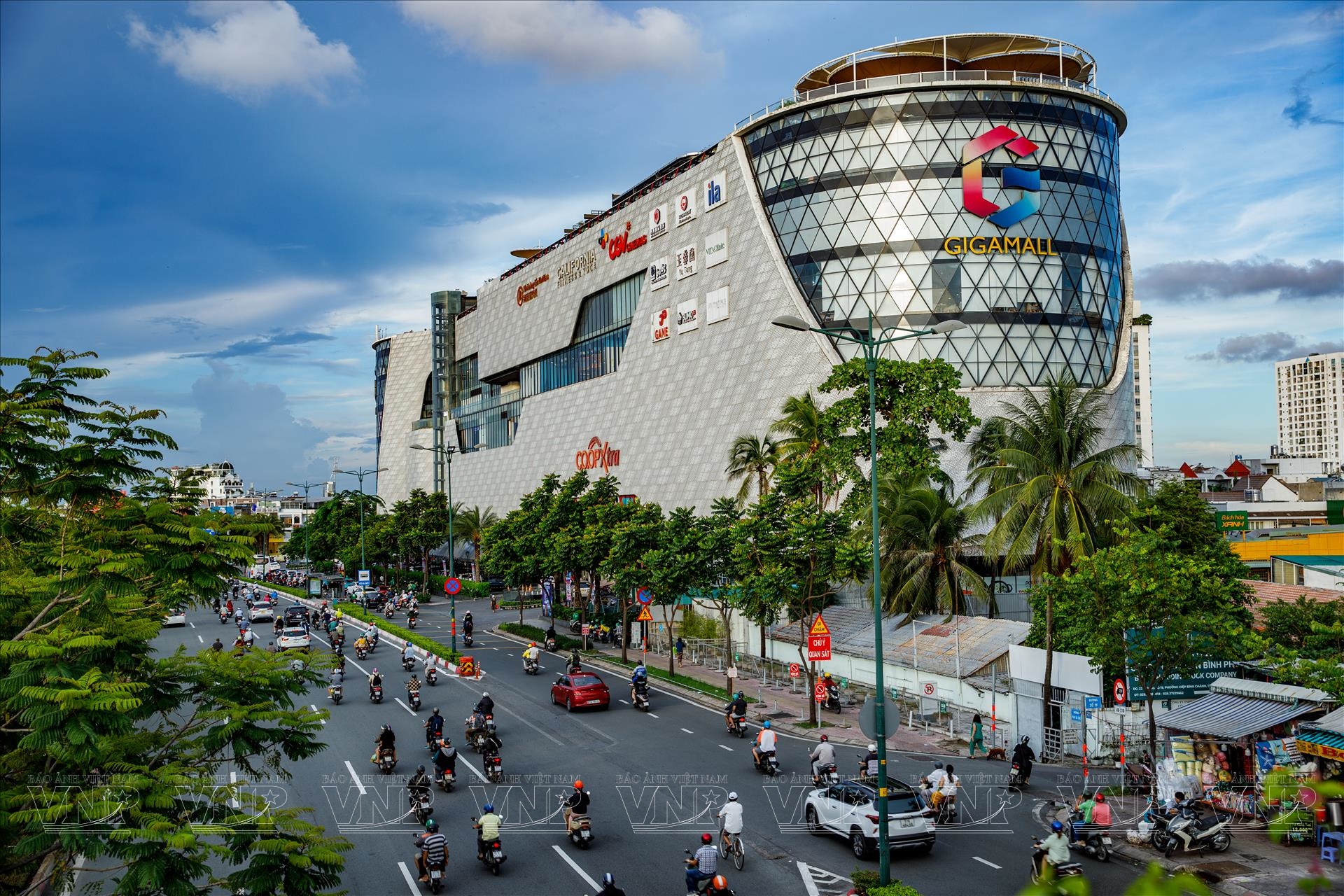
In addition to traditional financial institutions, the new financial center is set to incorporate finance, technology and innovation. Fintech, blockchain, green finance, big data and digital payments will be the key drivers of the future financial ecosystem.
Strategic Vision, Global Connectivity
To develop an internationally competitive financial center, Ho Chi Minh City is strengthening institutions, infrastructure, human resources and technology. Regulatory sandbox mechanisms, international arbitration models, and solutions to improving the investment climate are being studied to support emerging financial activities.
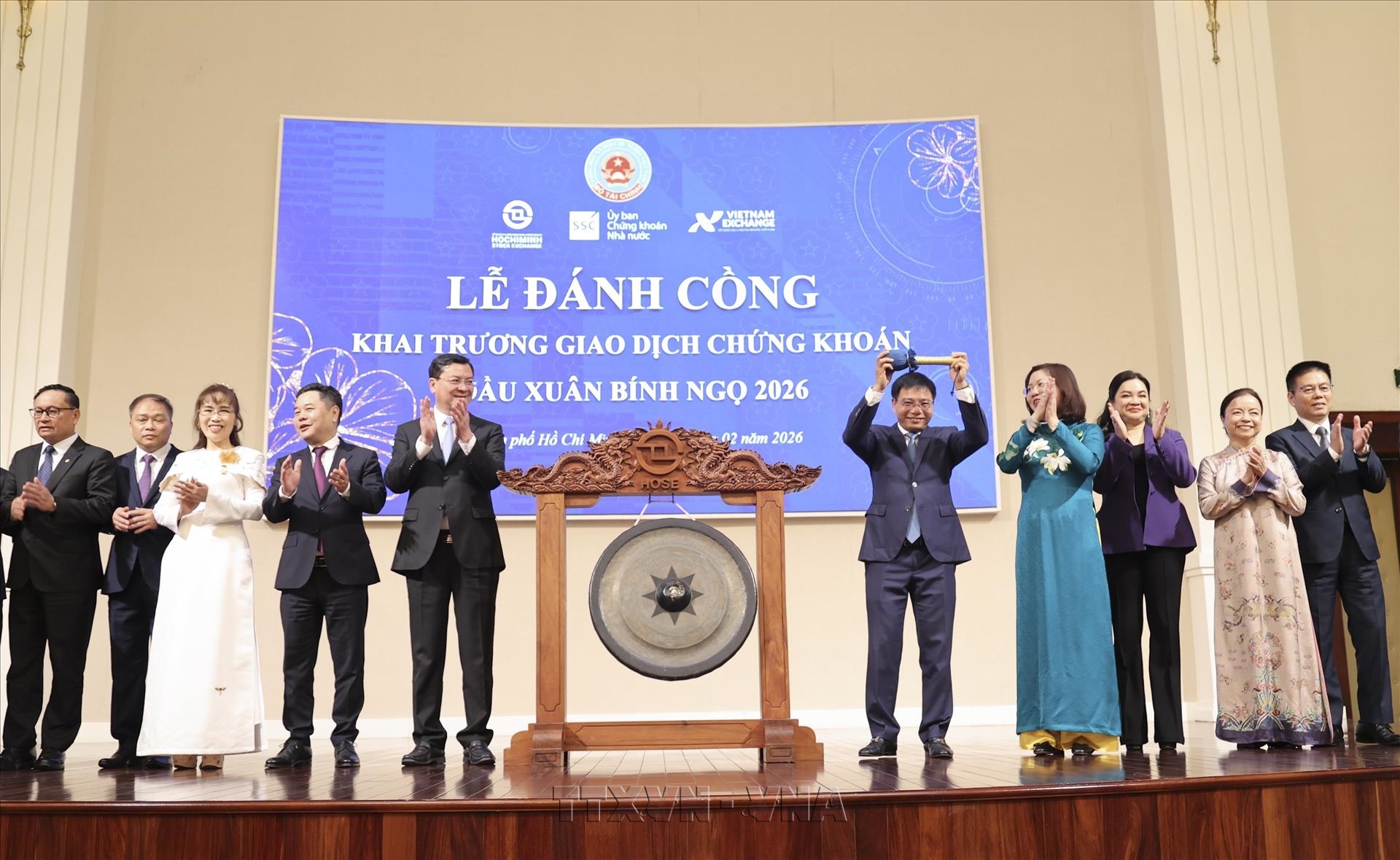
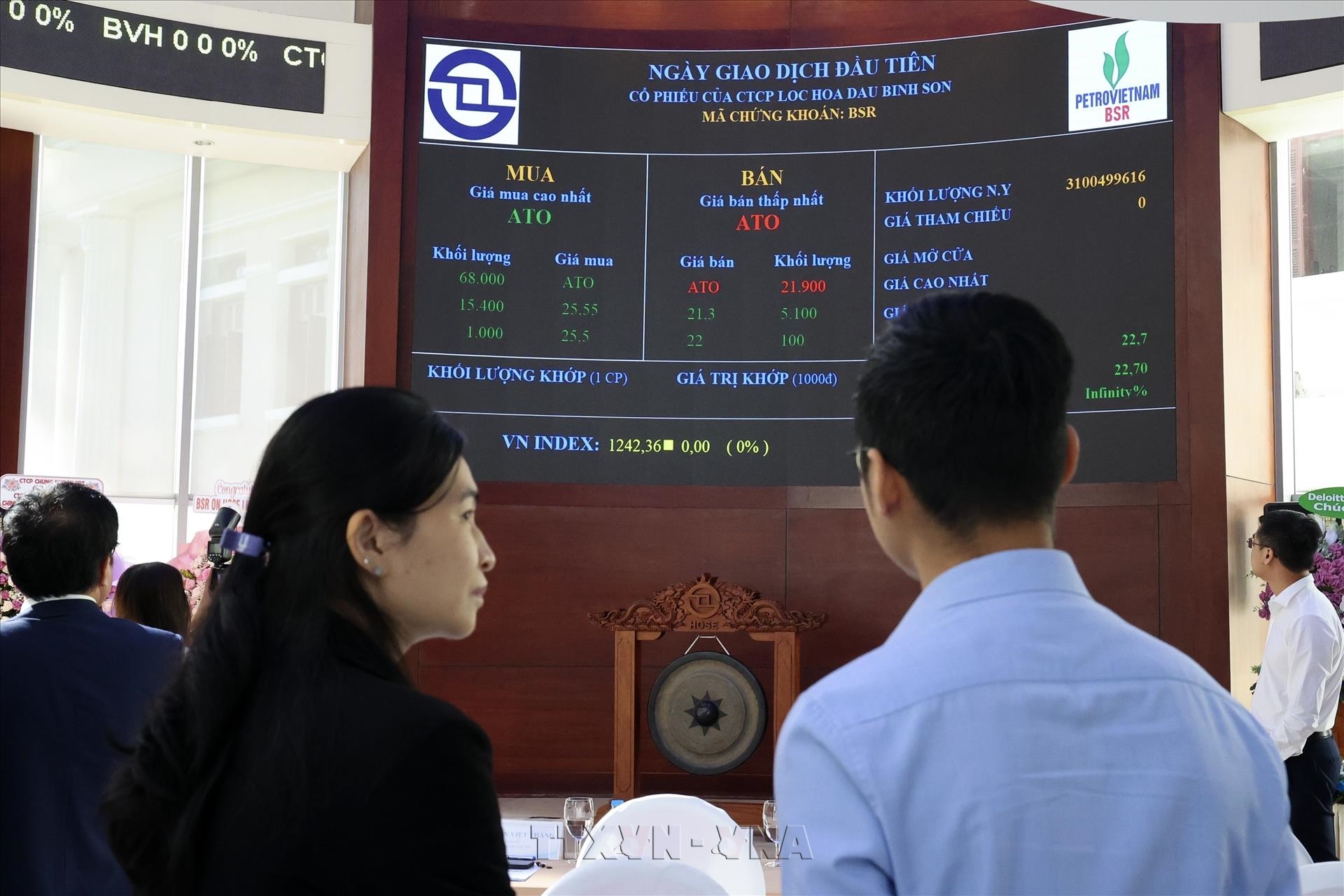
The city’s transport infrastructure is also expanding. Metro Line No. 1 is now in service, while beltways, regional expressways, and the future Long Thanh International Airport are expected to boost Ho Chi Minh City’s regional and international connectivity.
The rapid growth of digital economy, cashless payments and capital markets is also laying a significant foundation for this transformation, giving Ho Chi Minh City advantages to enhance its regional Competitiveness.
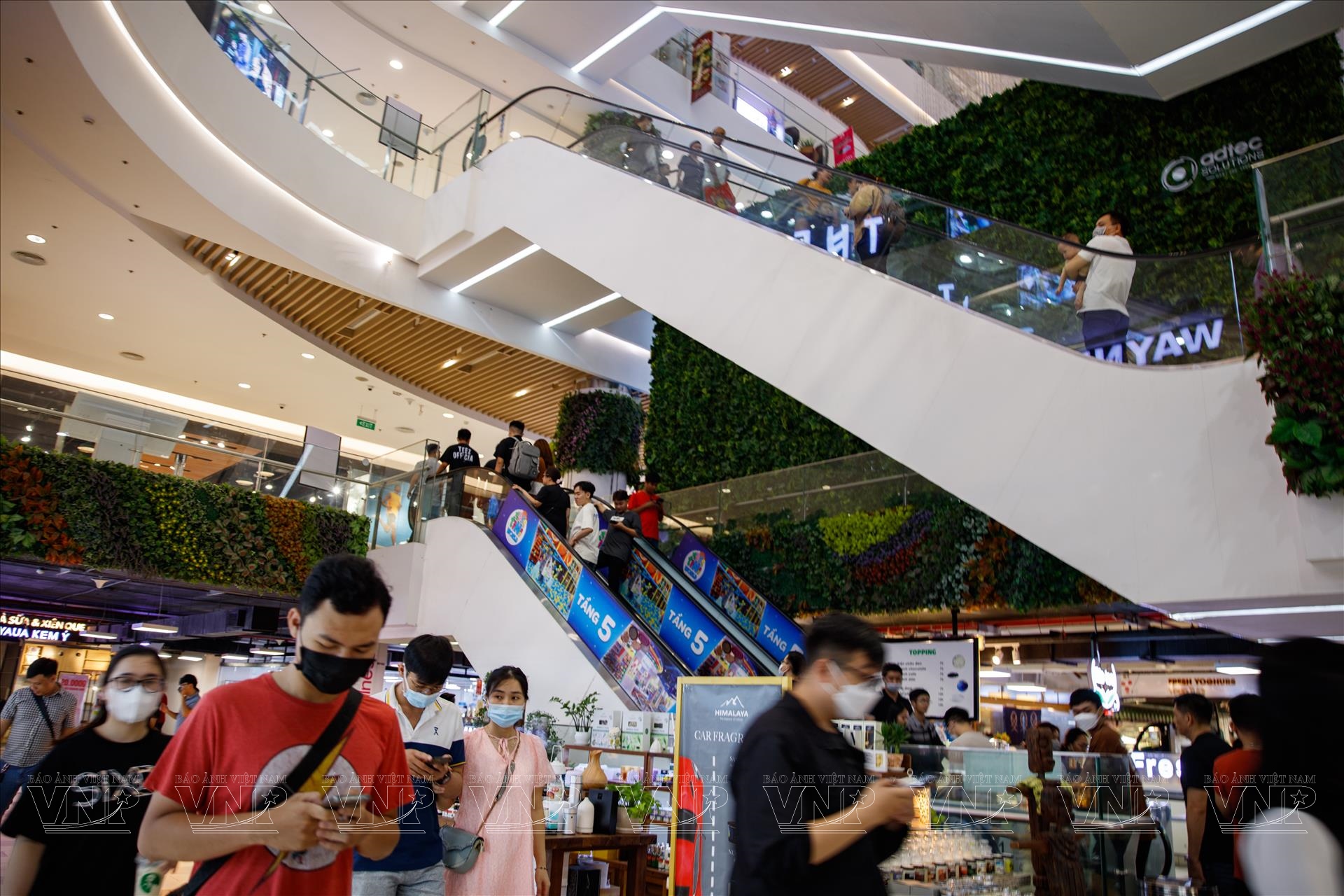
Despite tough competition from major financial hubs such as Singapore and Hong Kong (China), Ho Chi Minh City has its own advantages, with a dynamic economy, a large business community, a young workforce and the ability to adapt quickly to new trends.
The development of VIFC-HCMC marks not only a strategic development step for Ho Chi Minh City but also an opportunity for Vietnam to heighten its position in the global financial network, moving toward an integrated, innovative and sustainable economy.
Story: Trung Khanh Photos: Nguyen Luan/VNP & VNA