The Visionary Legacy of Architect Tran Ngoc Chinh
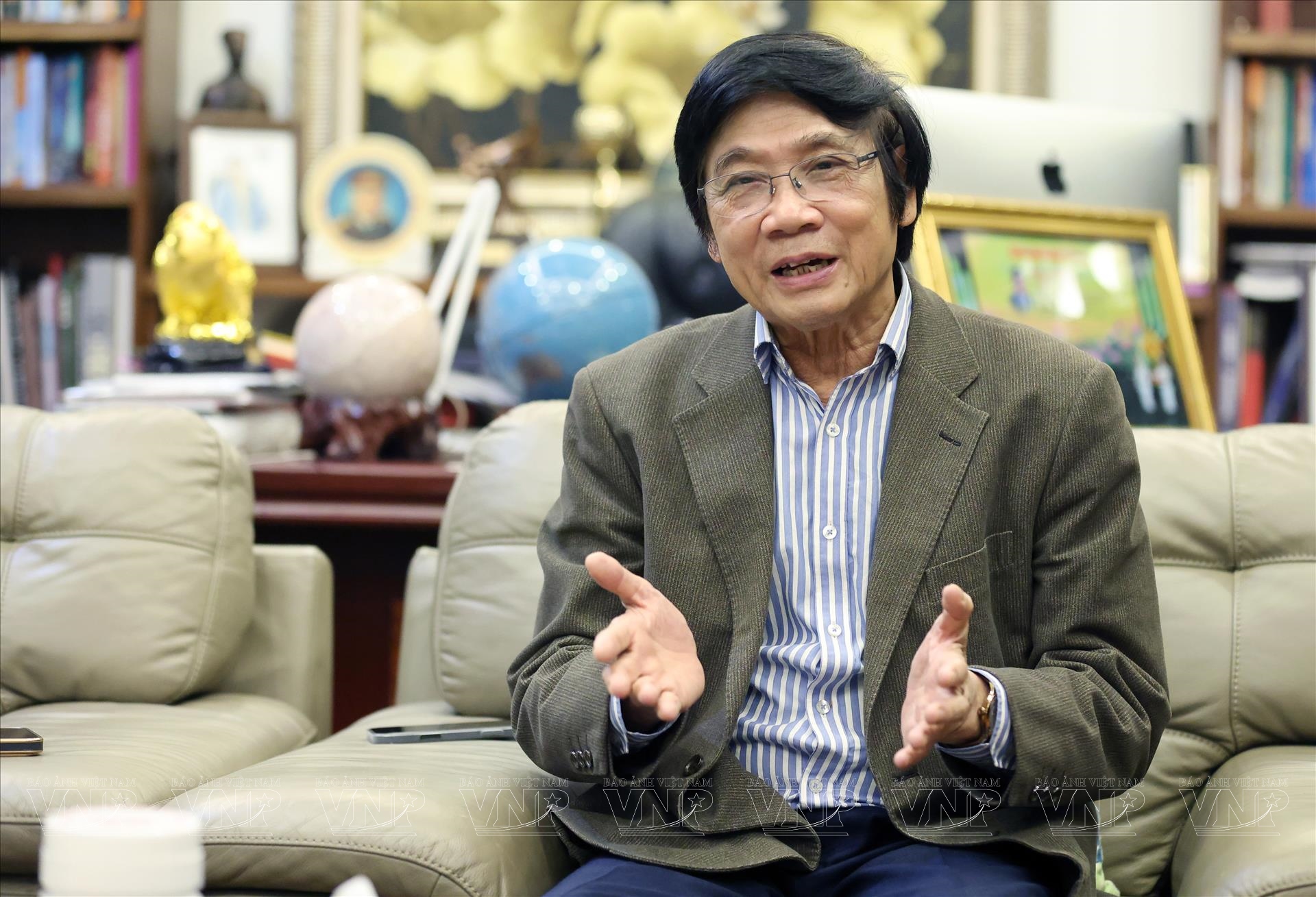
Guided by the Party’s vision for sustainable urban development, the legacy of Architect Tran Ngoc Chinh is defined by institutional insight and long term spatial strategy. His career path reflects Vietnam’s pivotal transition from extensive urban management toward integrated development and global integration.
A Strategist Shaping the Future of Vietnamese Urban Areas
In the context of Vietnam’s dynamic transformation from a centralized economy to deep
global market integration, the career of Tran Ngoc Chinh - President of the Vietnam Urban
Planning and Development Association (VUPDA) and former Deputy Minister of Construction
- holds a significance that transcends individual achievement. It serves as a microcosm of the
reform era’s mindset, representing a tireless effort to build the institutional foundations for
long-term sustainable urban growth.
Within professional circles, Tran Ngoc Chinh is renowned not for specific buildings, but for his "institutional projects" - the policy systems, legal frameworks, and spatial orientations that have shaped the face of Vietnamese urban areas in multiple stages of development.
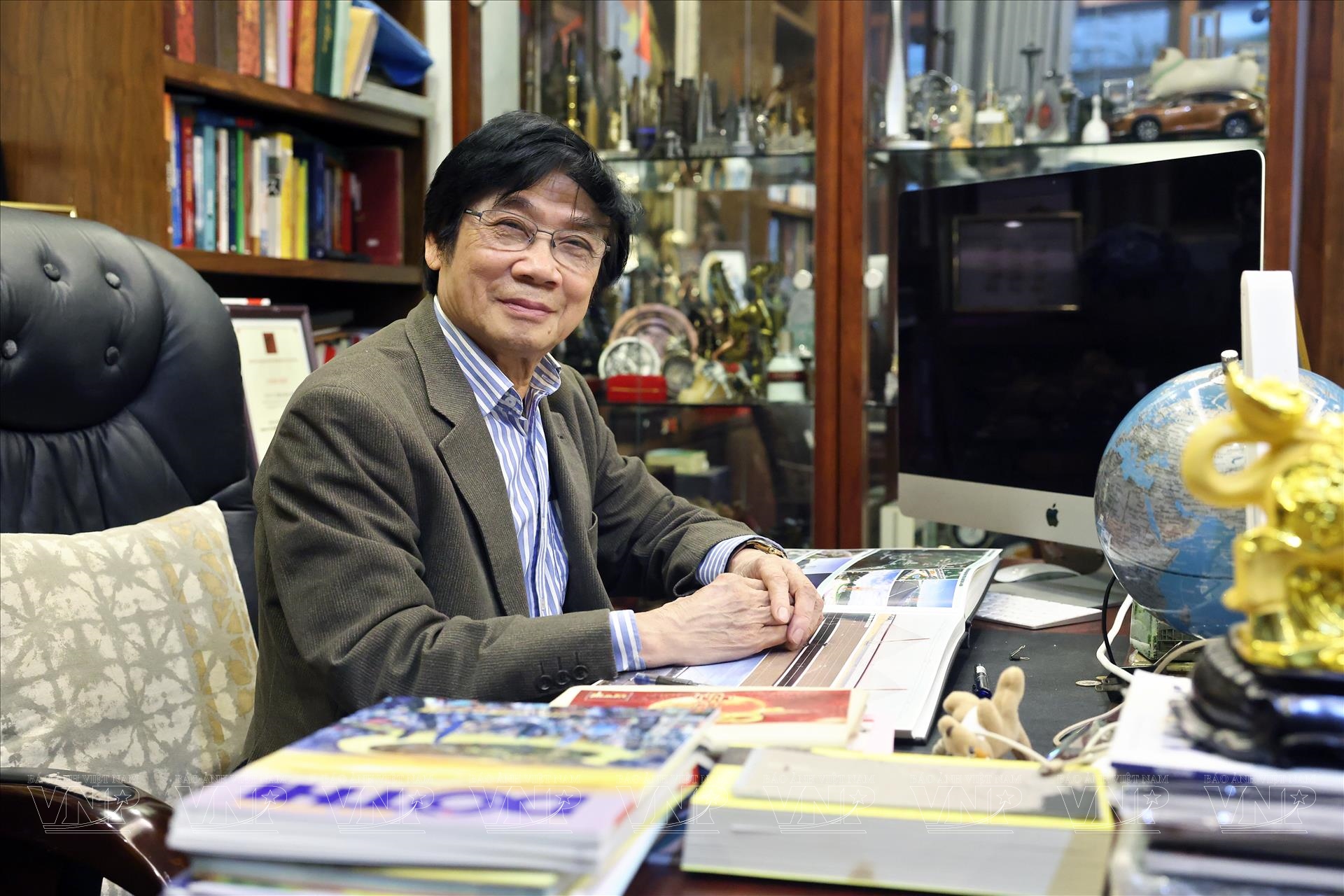
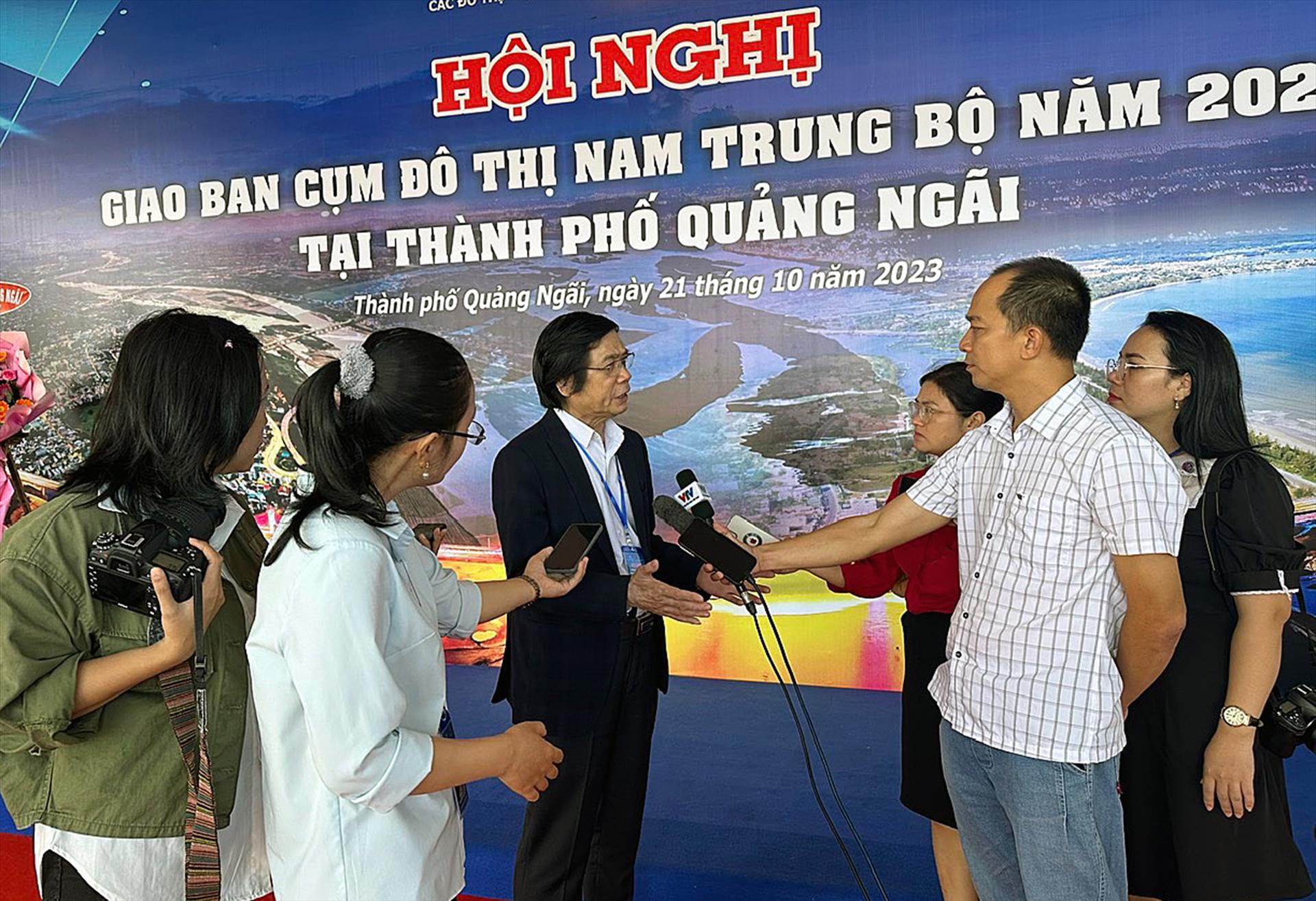
At 76, Architect Tran Ngoc Chinh remains deeply dedicated to his work. Photo: Cong Dat/VNP
A member of the first generation of architecture students at the Hanoi University of Civil Engineering (separated from the Hanoi University of Science and Technology in 1966), he early on chose a path dedicated to macro-management and planning. Rather than pursuing purely architectural designs, he focused on national-scale urban development, reaching a major milestone when he assumed the role of Director of the National Institute of Urban and Rural Planning (VIUP) in 2001.
International partners and experts often view him as a representative of Vietnam’s new urban philosophy: Shifting focus from the speed of urbanization to the quality of development, sustainability, and the resilience of urban systems in the face of socio-economic shifts.
Tran Ngoc Chinh maintains that today’s greatest challenges lie not in capital or technology, but in institutional and legal barriers. From this practical standpoint, he has consistently advocated for institutional breakthroughs and the perfection of a synchronized legal framework as the bedrock for sustainable growth. He points out that inconsistencies between key laws - such as the Law on Planning, Law on Investment, and Law on Land - can create overlaps and risks for long-term projects. This approach is particularly vital for foreign investors, as a clear, transparent, and stable legal environment is a prerequisite for attracting and sustaining high-quality investment.
He notes that urban planning is currently receiving profound and strategic direction from the Party, exemplified by Resolution No. 06 on the sustainable development of Vietnam’s urban system through 2035, with a vision toward 2045. This direction aligns with the developmental needs of each region and era while staying in sync with global trends as Vietnam integrates further into the international community. Additionally, he has devoted significant attention to the development of smart cities, particularly following the government's issuance of Decree 269/2025/NĐ-CP. For him, technology only becomes truly effective when placed within a modern governance framework characterized by clear standards and high adaptability.
Asserting Global Standing and Setting New Standards
Tran Ngoc Chinh’s vision extends beyond policy reform to the reshaping of national development spaces. Facing the pressures of population density and infrastructure strain in Hanoi and Ho Chi Minh City, he has proposed a more balanced development model. This involves leveraging provincial cities as "growth nuclei" to drive sustainable development on a broader scale.
He also emphasizes exploiting the unique advantages of each region - from mountainous and coastal landscapes to specific geographical resources - as the basis for forming new growth poles. This mindset reflects a planning approach based on indigenous strengths rather than a "onesize-fits-all" model.
Having been deeply involved in Vietnam’s urban development since 1975, Tran Ngoc Chinh has left his mark on numerous planning projects nationwide. Among them, the master plan for Con Dao - a task he undertook in his early 30s - holds a special place in his memories. Once a land associated with a harsh history, Con Dao has transformed into a world-class tourist destination, a change that brings him great pride when looking back at his journey.
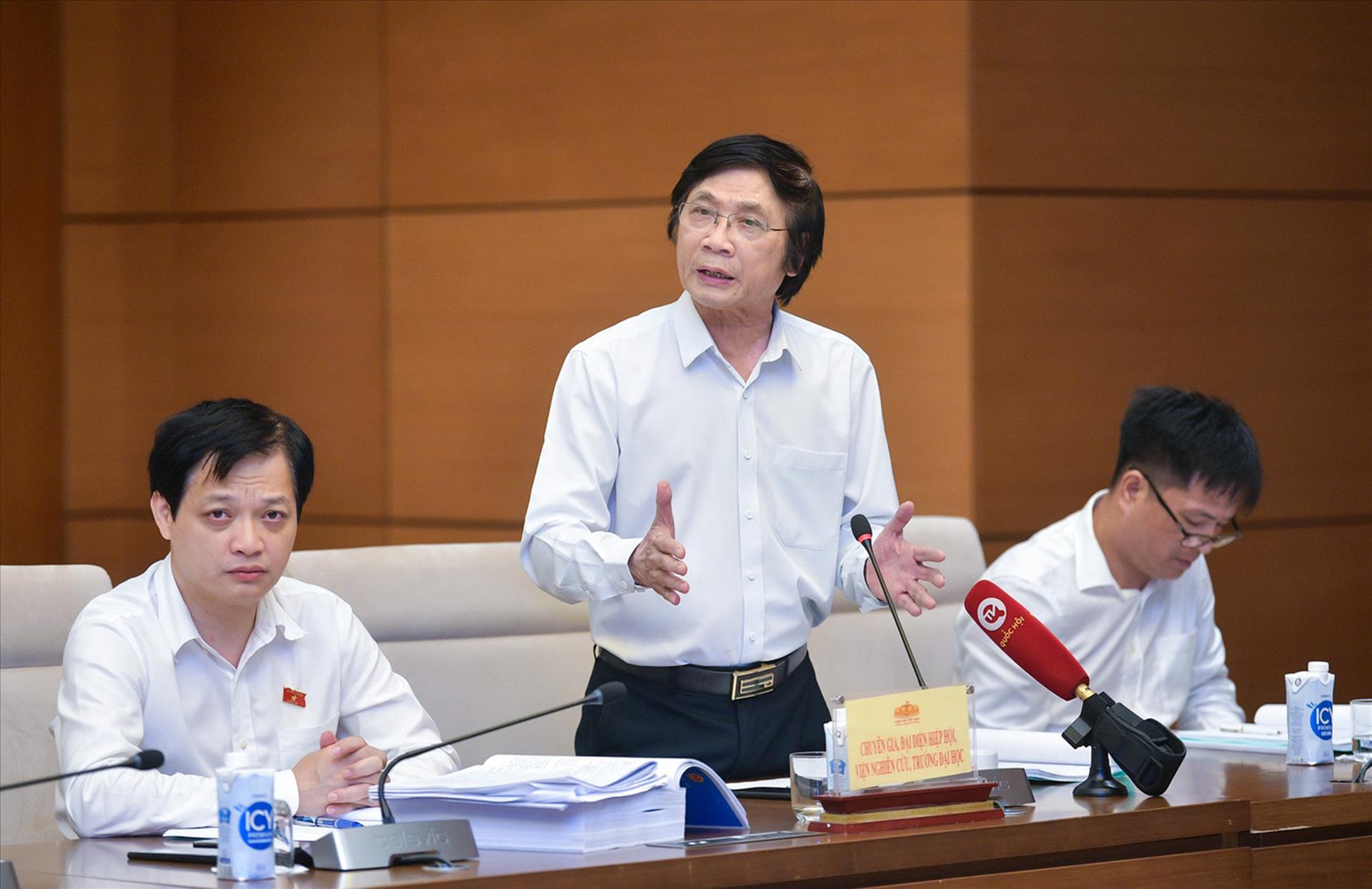
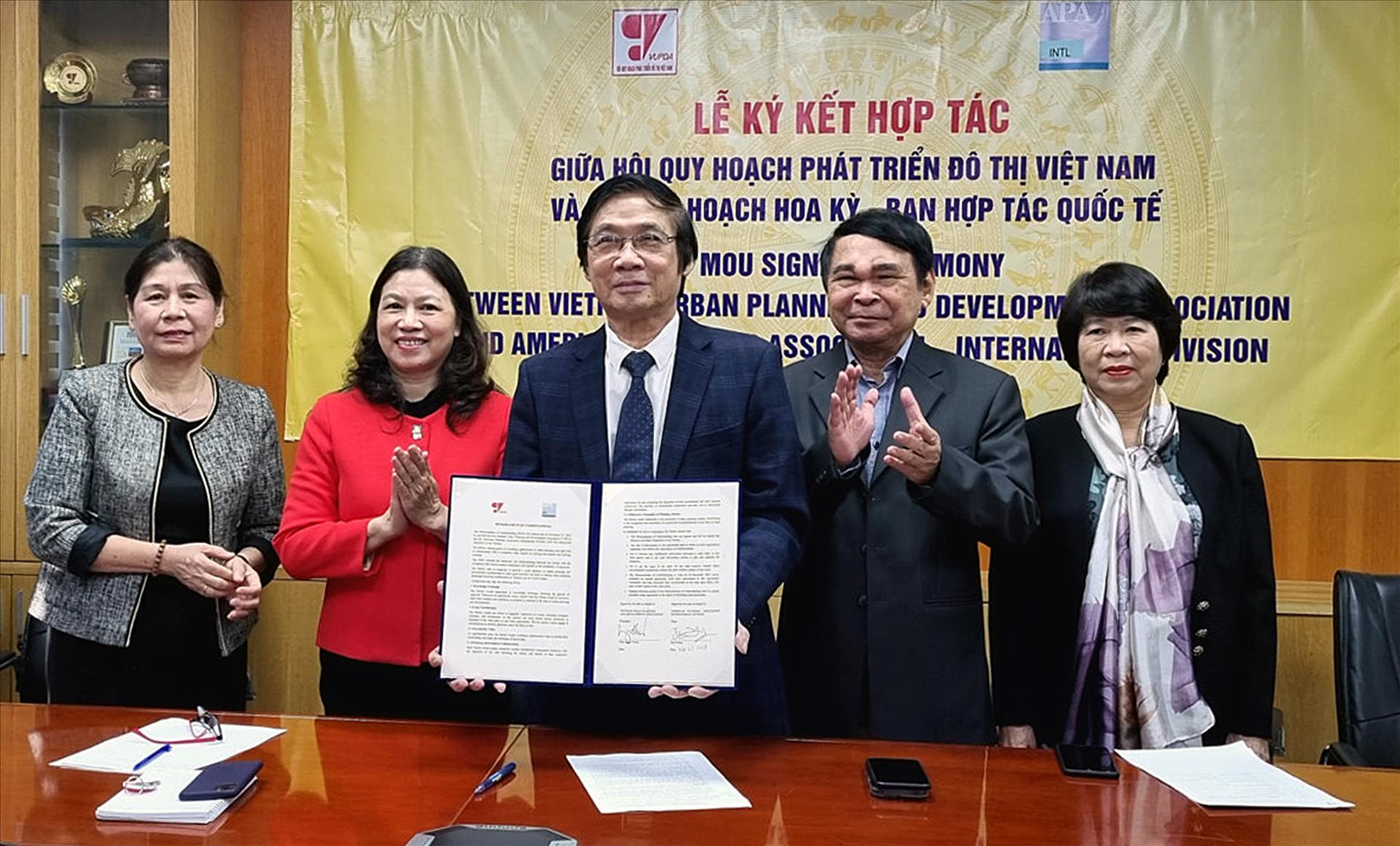
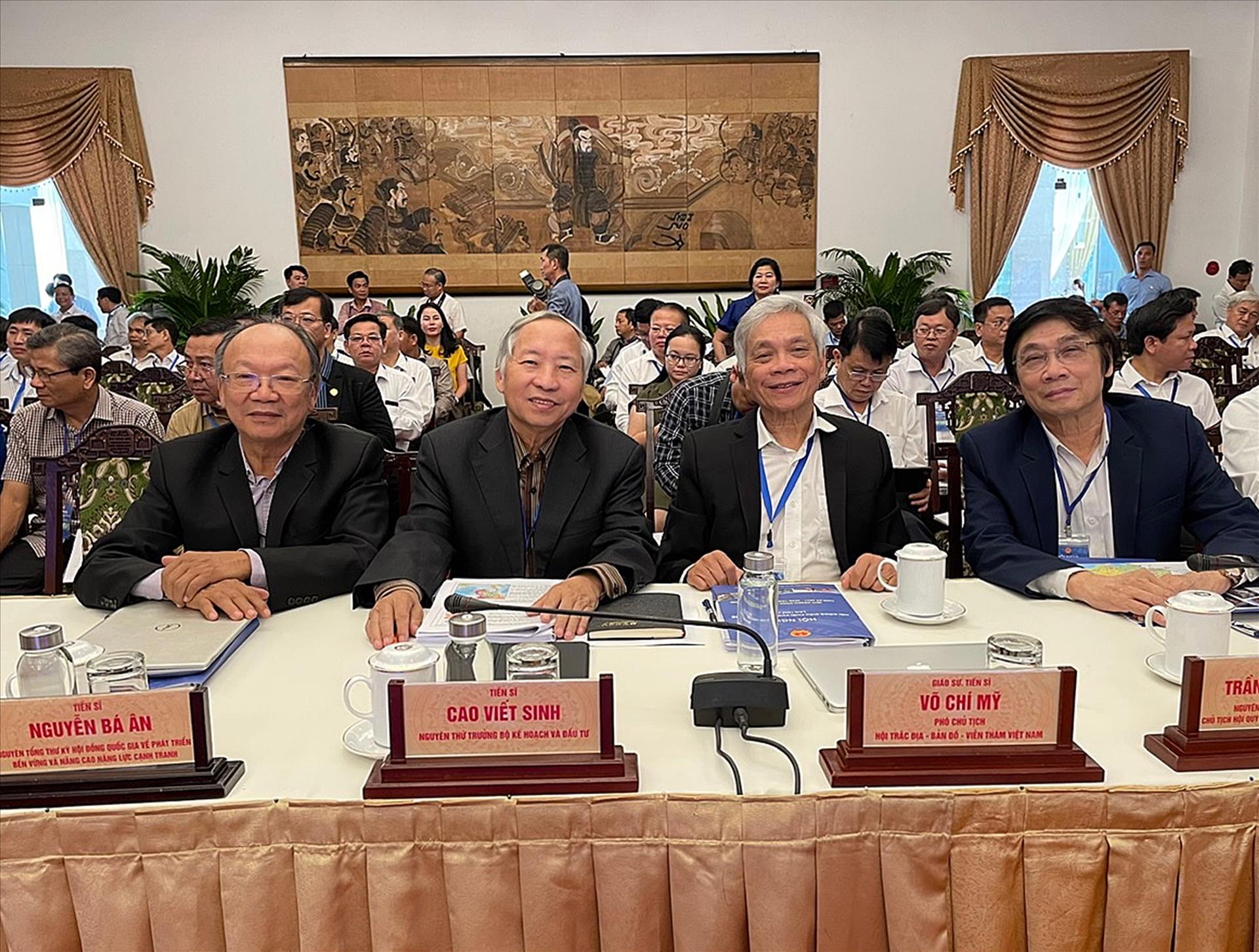
Another major milestone was the master plan for the expansion of Hanoi following the merger with the former Ha Tay Province, a task he oversaw as Deputy Minister of Construction. He views this expansion as an inevitable necessity for Hanoi to evolve into a multifunctional capital - a political, economic, cultural, and scientific-technical hub with a unique identity among the world’s capital cities.
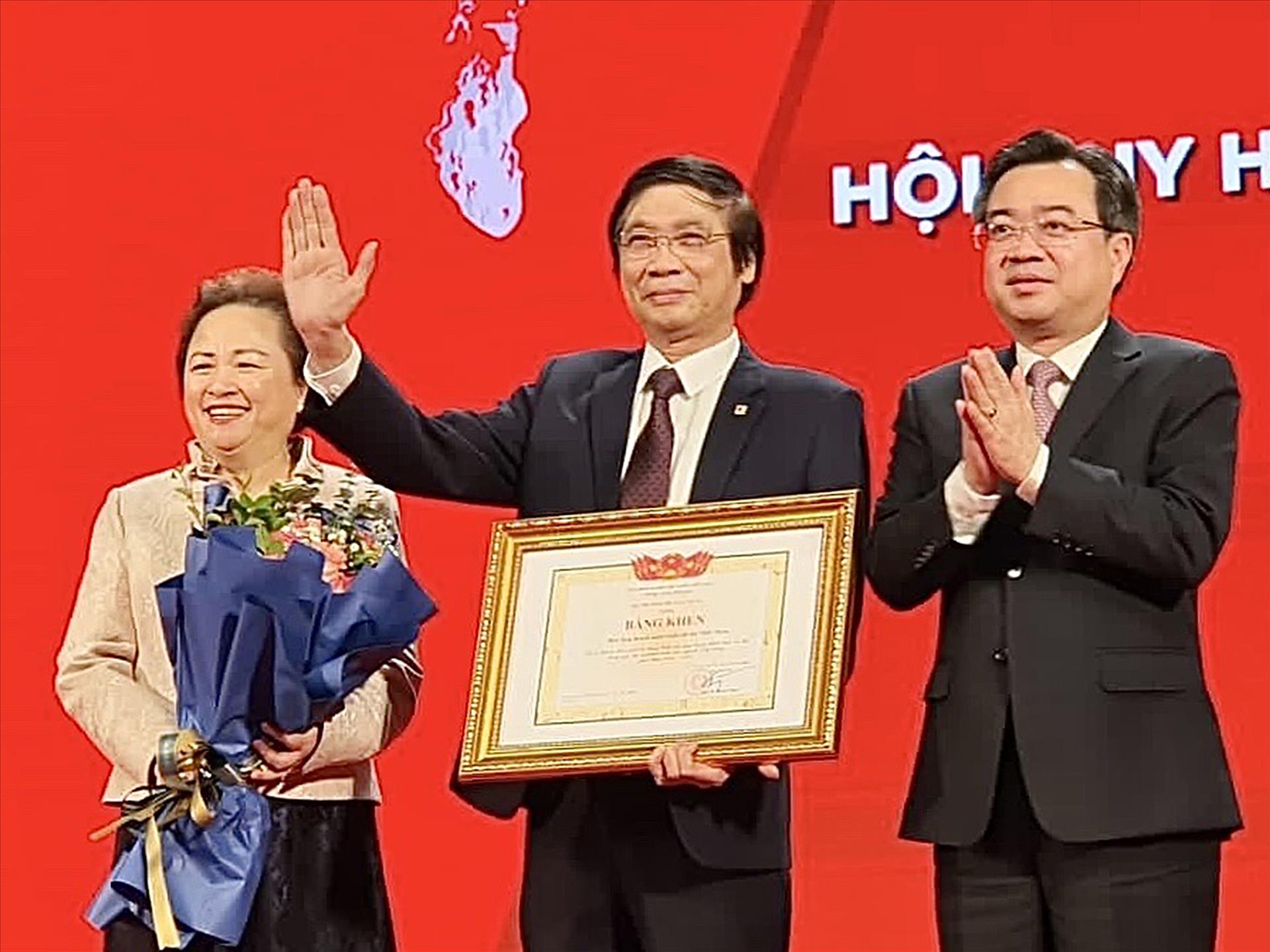
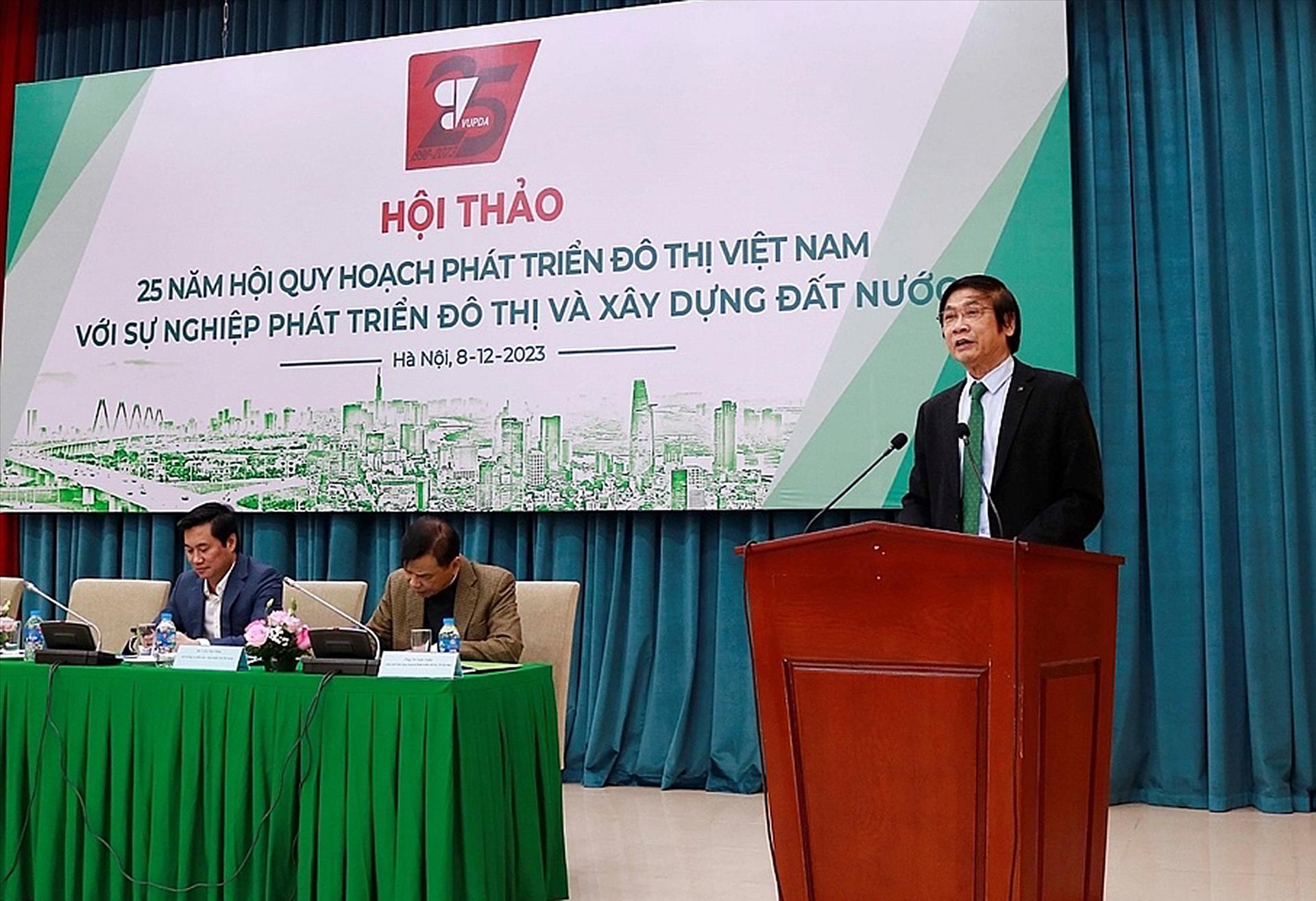
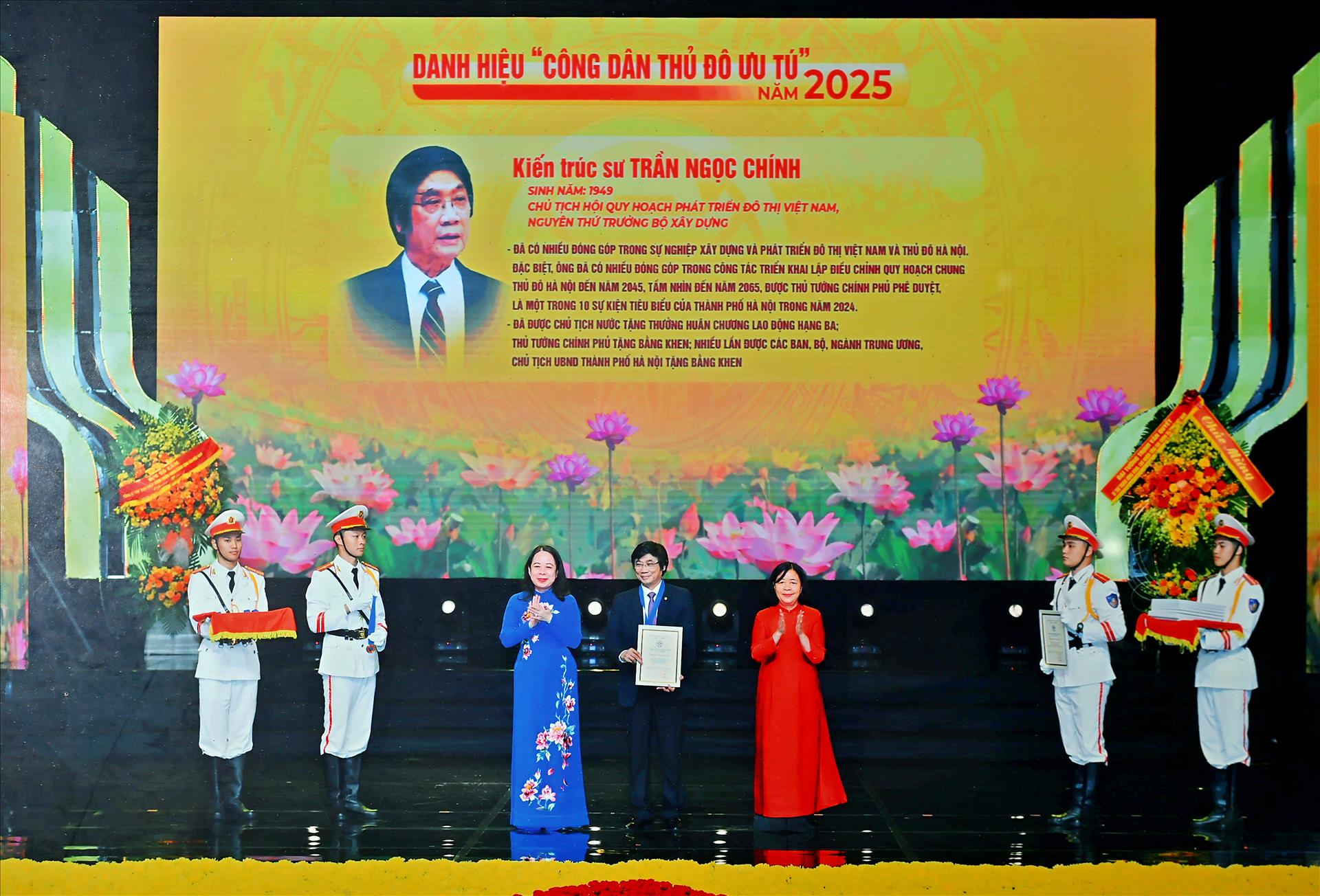
His enduring contributions were officially recognized when he was named an "Outstanding Citizen of the Capital" in 2025. To Tran Ngoc Chinh, urban planning is more than a profession; it is a vocation tied to the nation’s prosperity and the happiness of future generations. A planner, he believes, must understand law, history, and culture while applying science and technology to ensure that master plans do not merely exist on paper but come to life to serve the people./.
Story: Thao Vy
Photos: Cong Dat & Files
Translated by Hong Hanh