The Khmer's Legendary Masked Performance
In ancient Khmer pagodas in southern Viet Nam, ngu am (five-tone) music sets the stage for Chan dancing, an epic masked performance of the traditional Robam theater that depicts the battle between good and evil, preserving cultural values through generations.
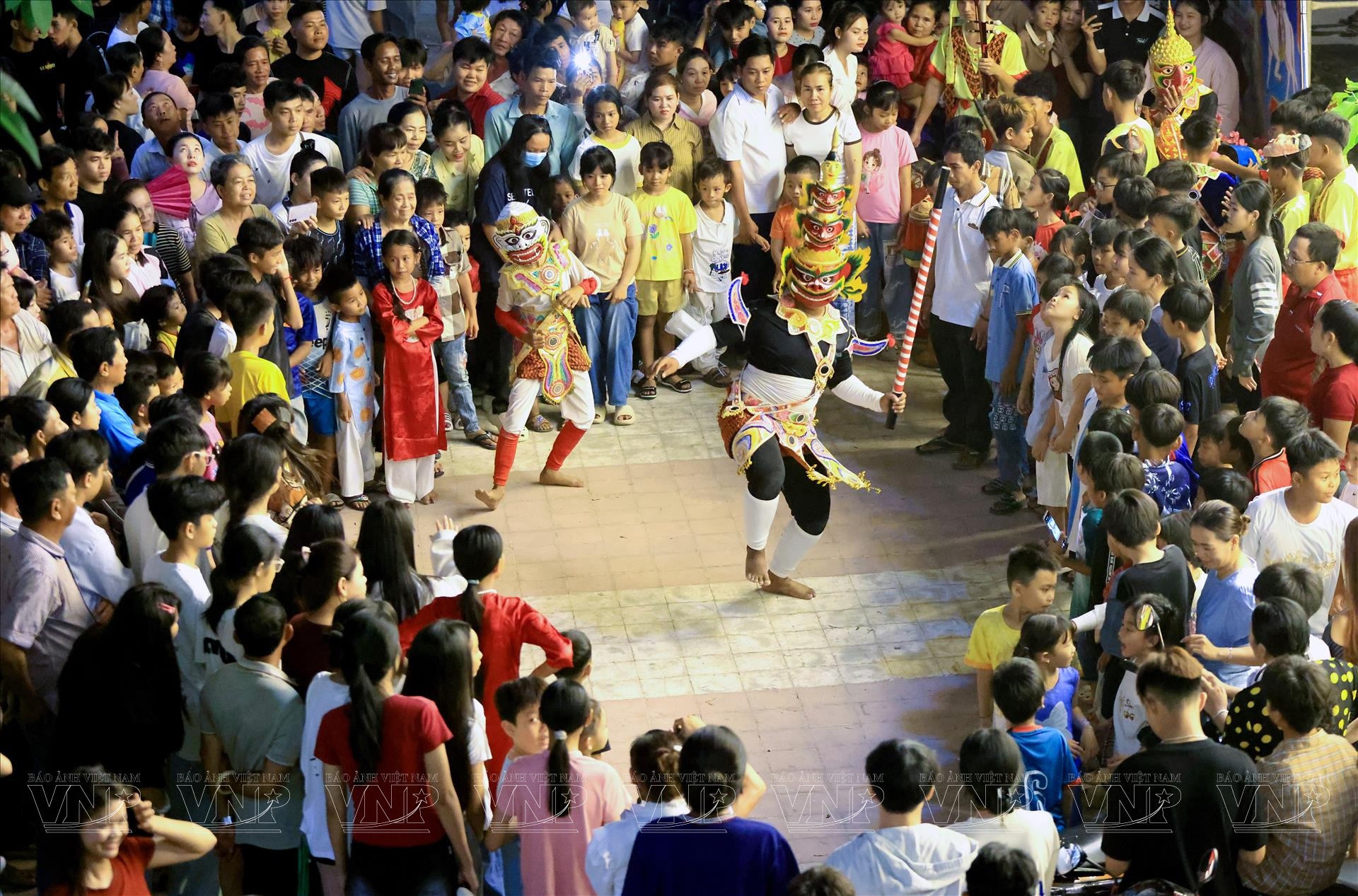
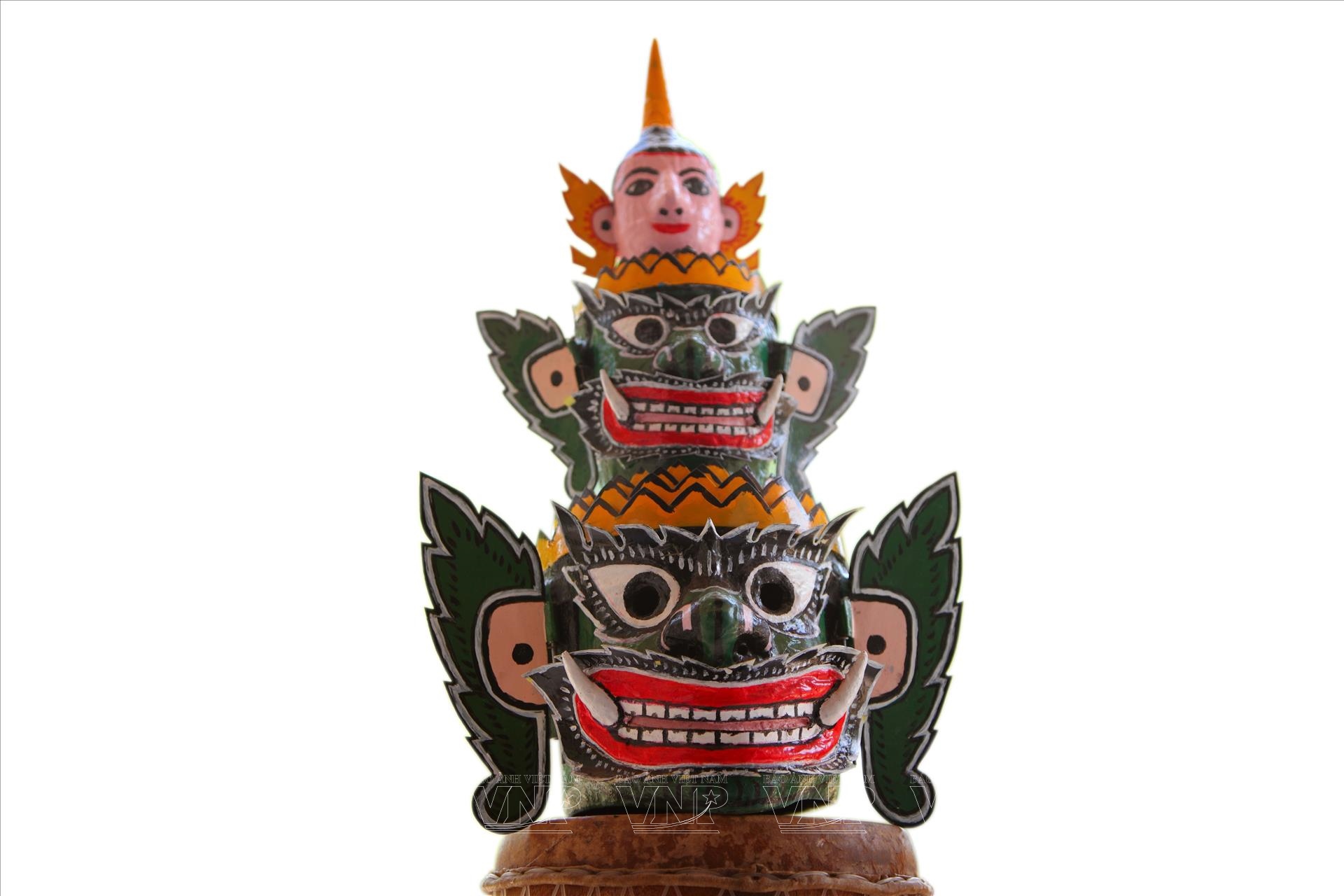
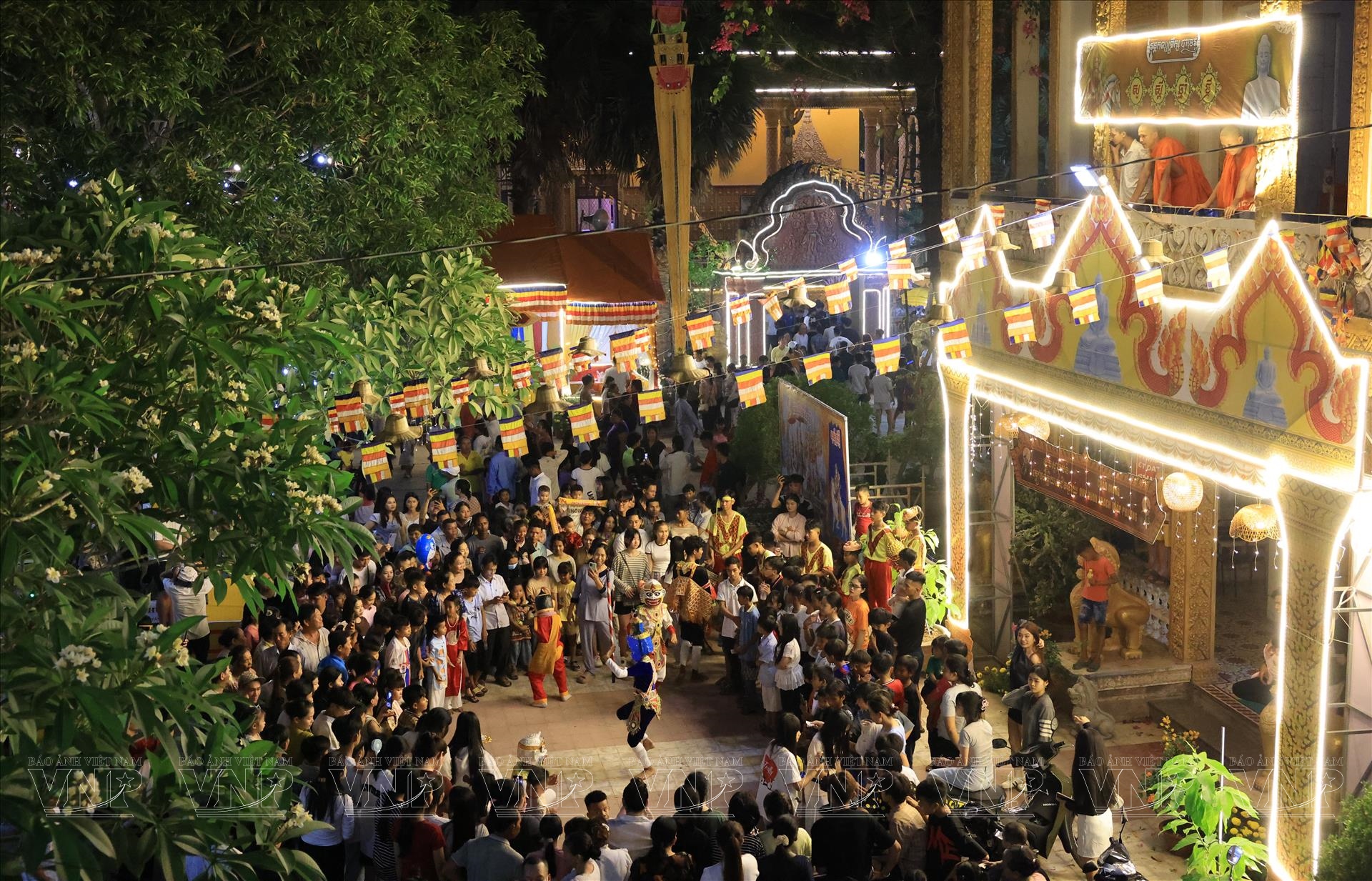
Also known as Robam Yeak Roam, Chan dancing originated from the Riem Ke epic, the Khmer version of the Indian Ramayana. Chan is a character embodying evil, violence, greed and ruthless power. In striking armor brandishing weapons, the performer wears a mask with bulging eyes, a wide mouth and sharp fangs which vividly demonstrate its characteristics and nature.
The magic of the performance lies in the strict sequence of movements. From solid stances to fluid body movements in fast paced ngu am music, dancers convey the story powerfully through expressive body language, delivering a profound message of good’s triumph over evil.
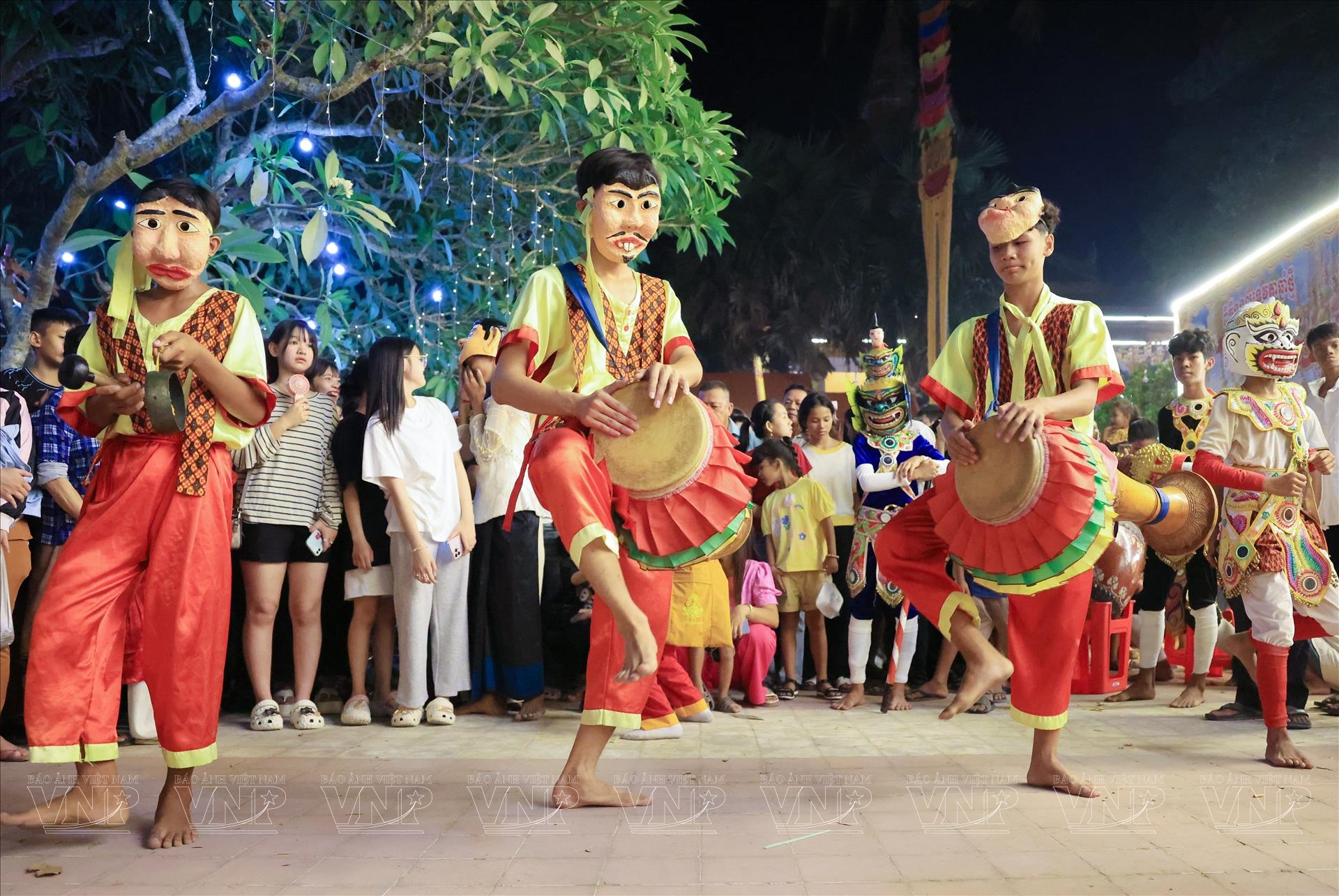
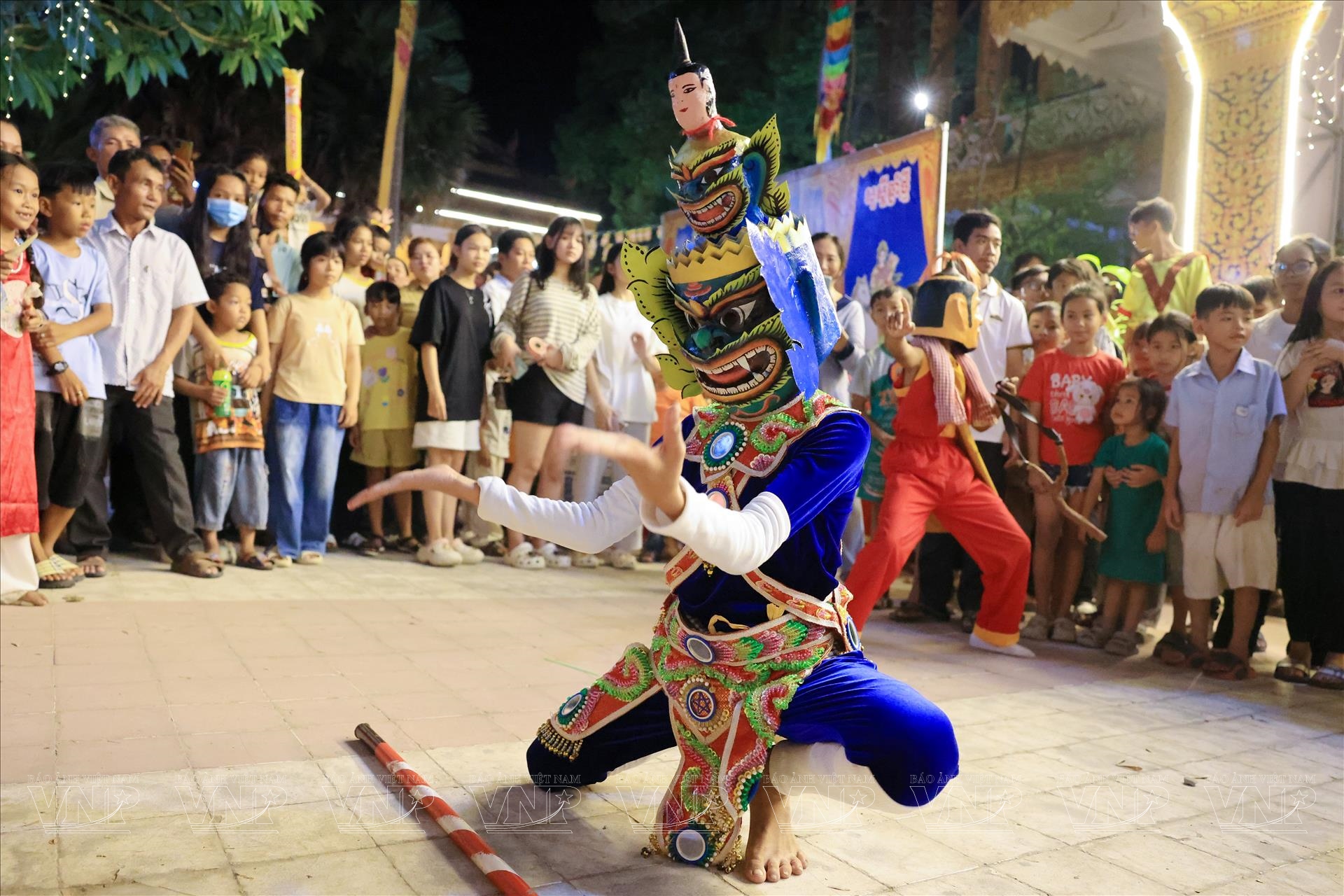
Far more than a performing art, Chan dancing is deeply tied to the spiritual life and traditional ceremonies of the Khmer community in the south. Featured in major festivals like Chol Chnam Thmay (New Year), Sen Dolta (ancestor worship), and Ok Om Bok (moon worship), the dance creates a unique cultural space at Khmer pagodas and enriches the cultural identity of local communities.
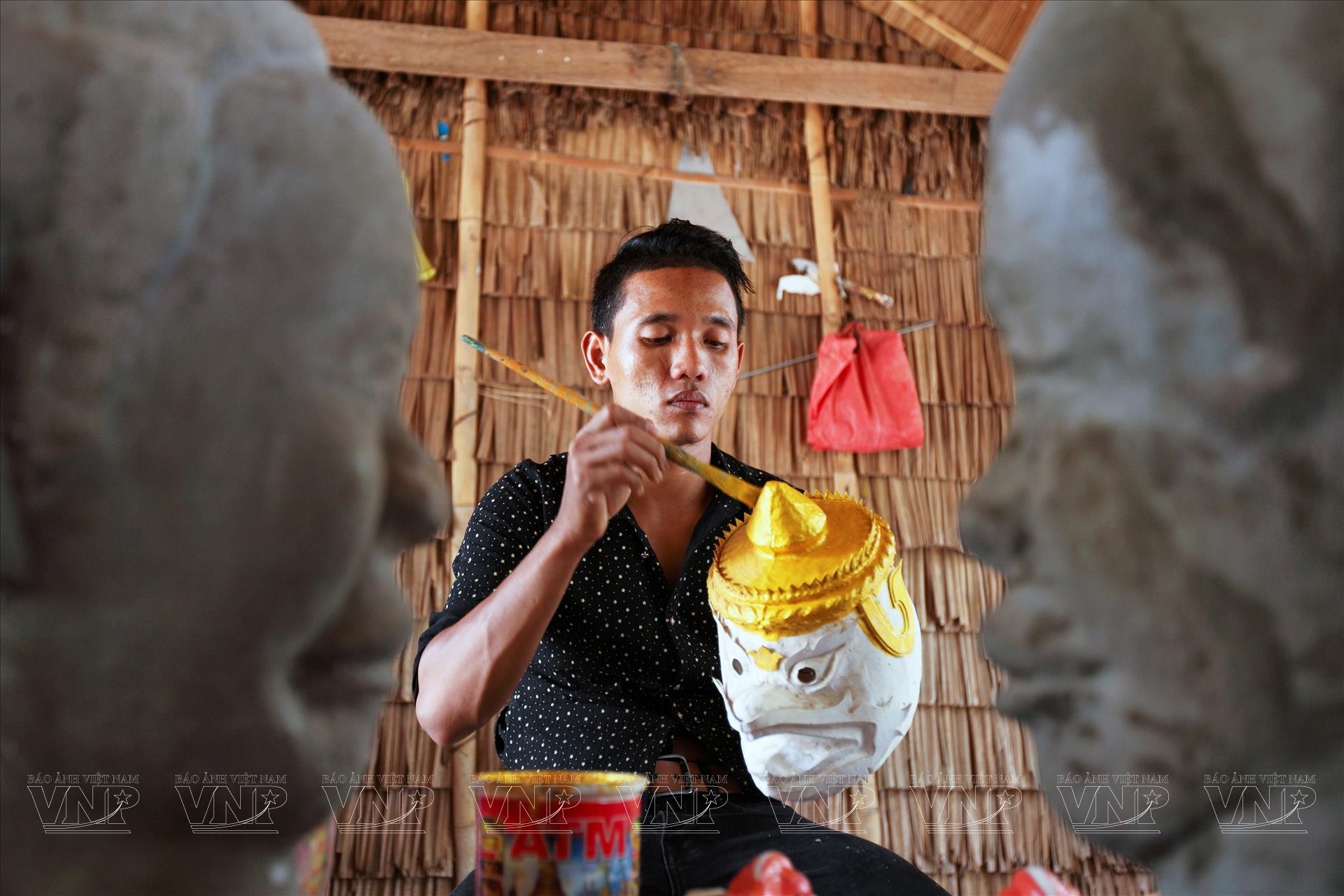
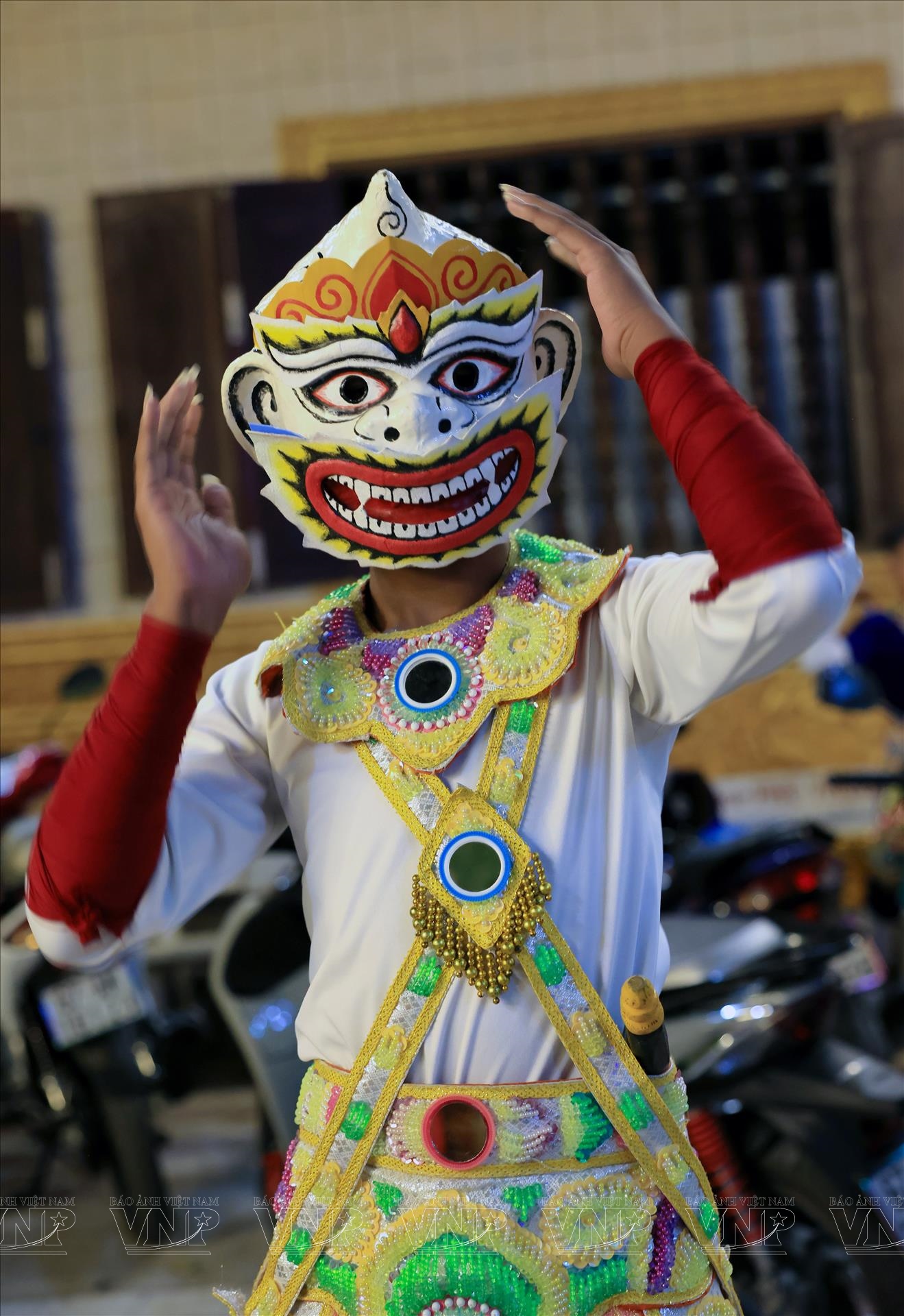
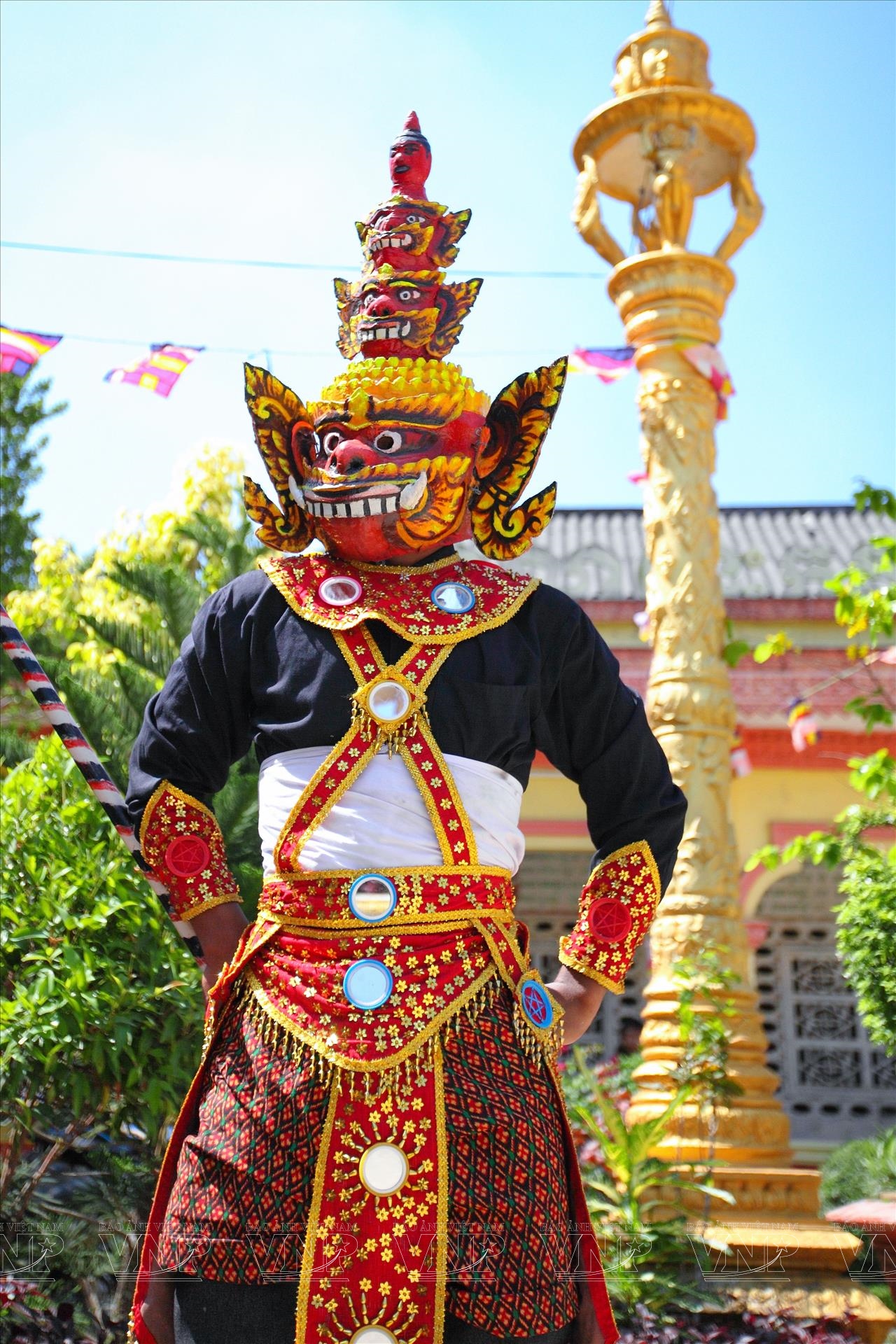
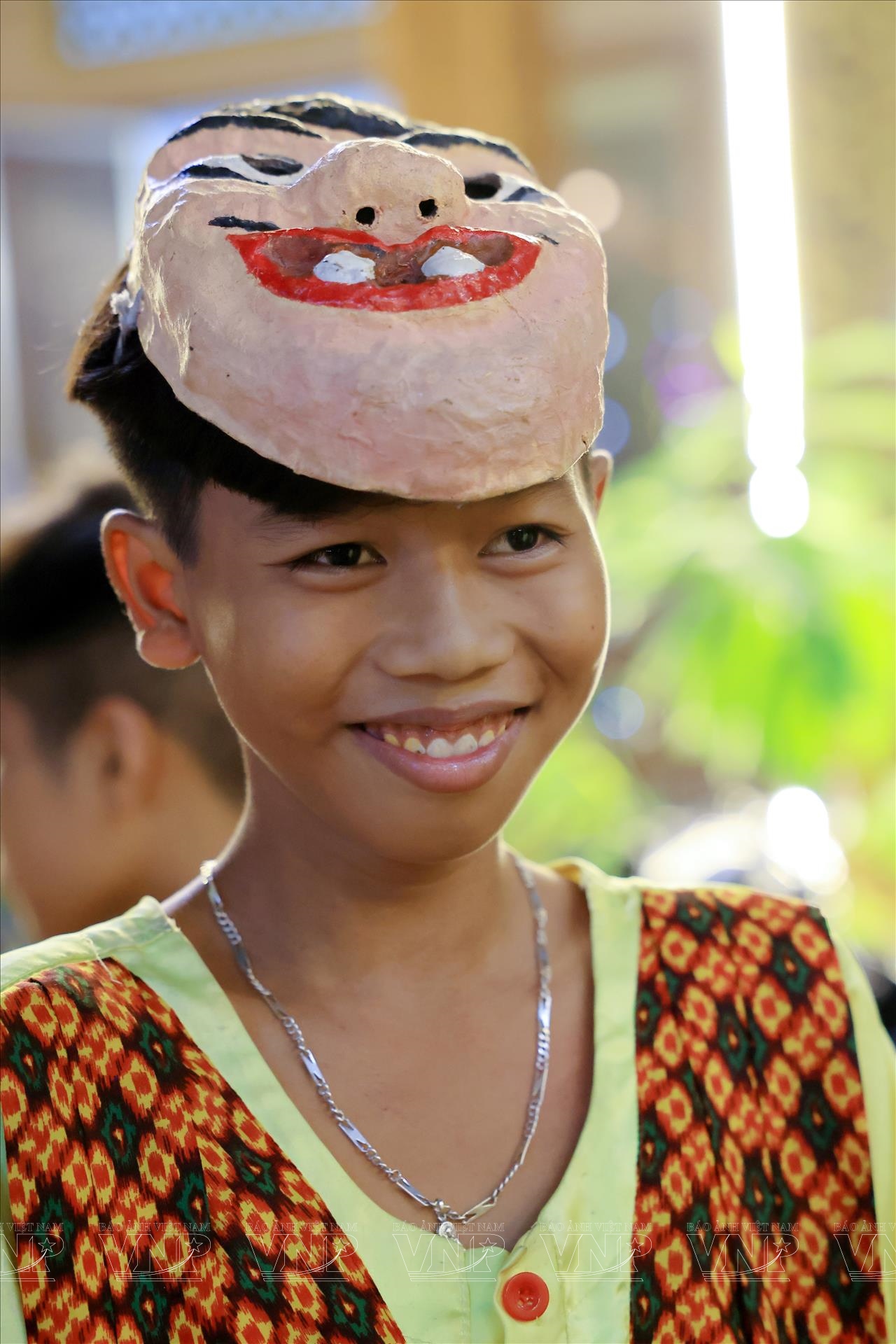
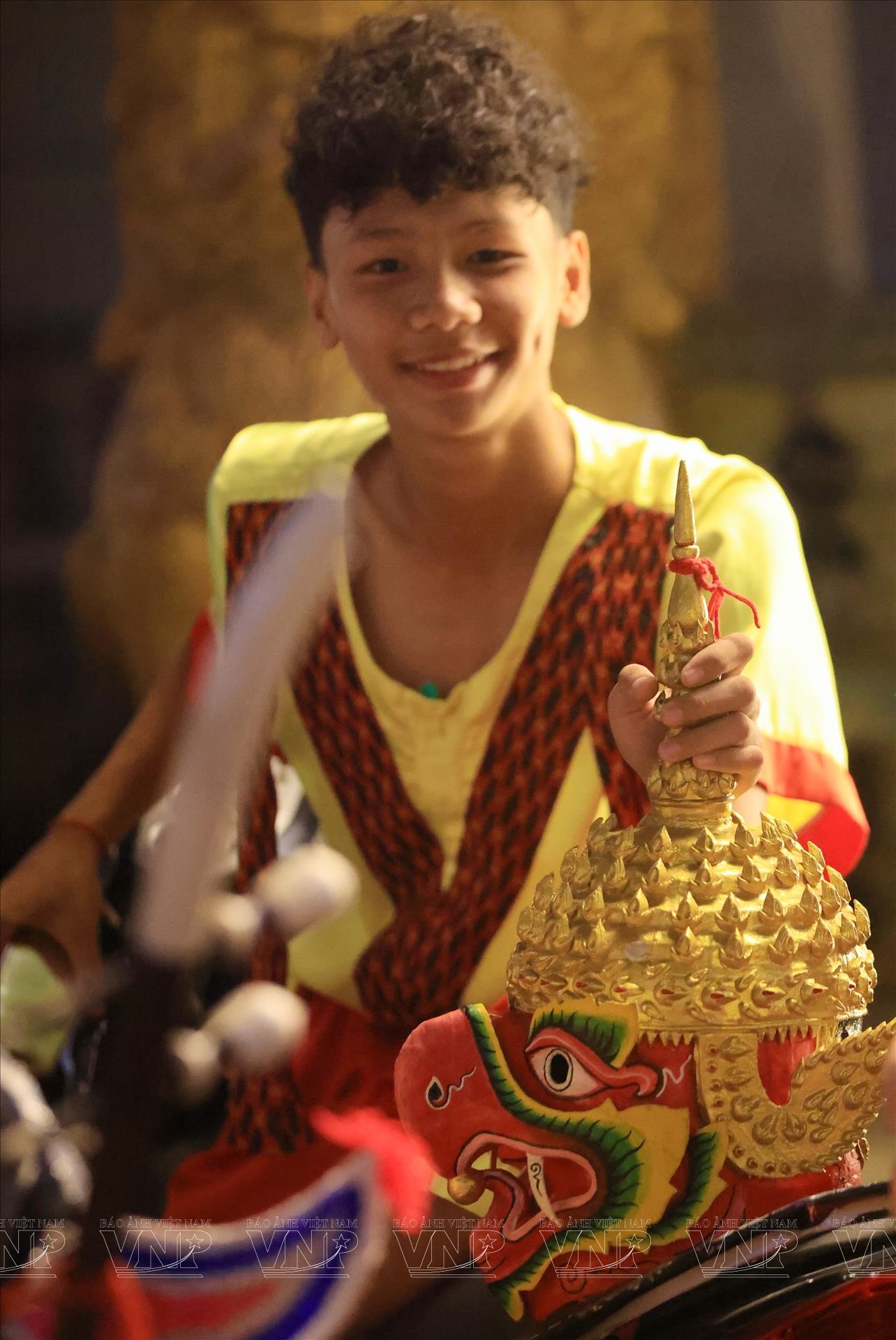
As rapid social and cultural changes are threatening the existence of traditional performing arts, local pagodas and the Khmer in Tay Ninh have tried hard to revitalize their Robam theater, especially Chan dancing, in traditional festivals and belief practices, according to Monk Kien So Phat, abbot of Botum Kiri Rangsay Pagoda in Binh Minh ward, Tay Ninh.
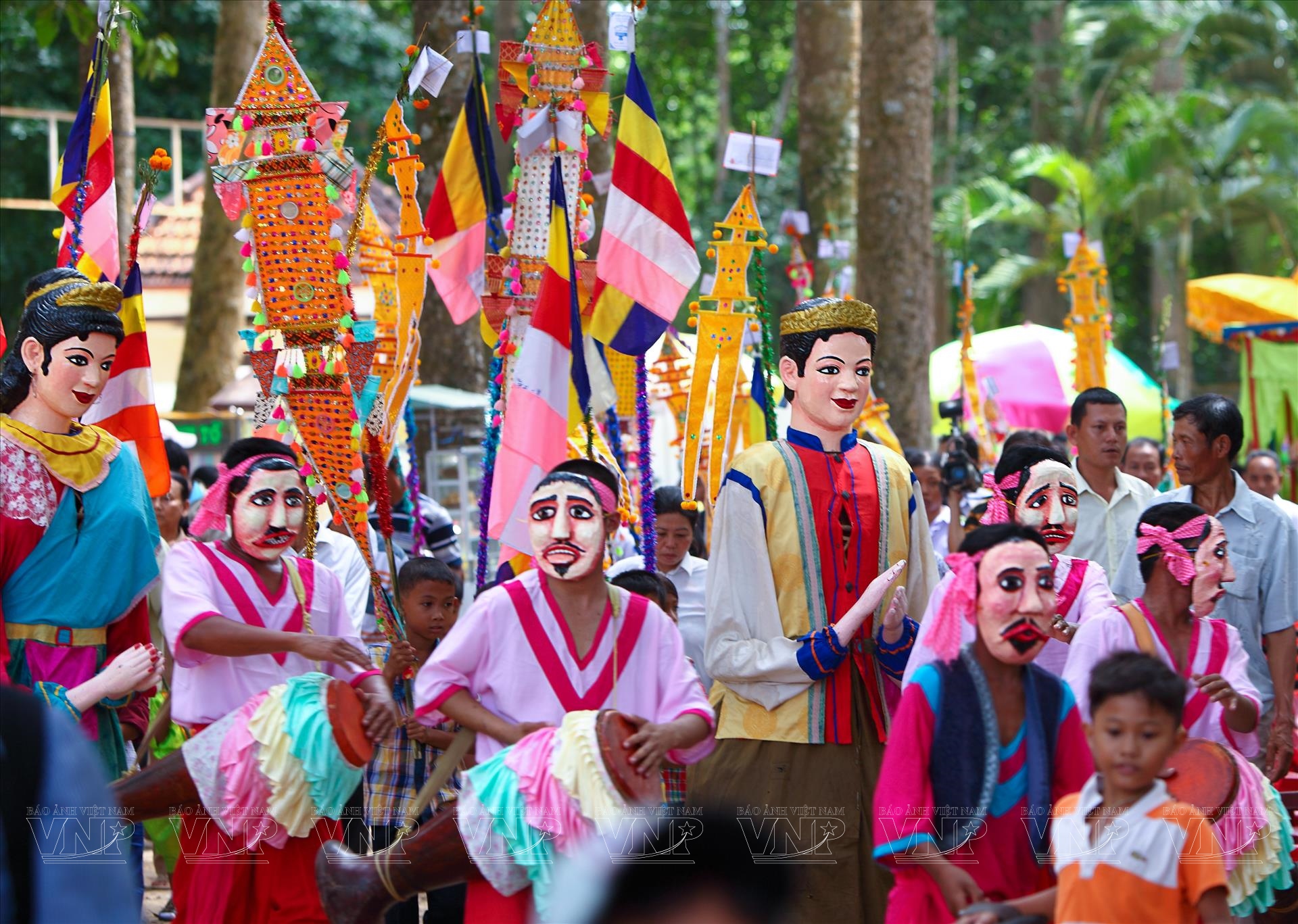
Monks and cultural advocates have restored ngu am ensembles and invited master artists from Can Tho and Vinh Long to teach young people to revive the ancient art form.
In modern life, Chan dancing has retained its epic vitality, masked artistry and humanity values. Every movement and melody resounding in a pagoda not only revitalizes old legends, but safeguards the rich culture of the Khmer./.
Story: Le Minh Photos: VNP